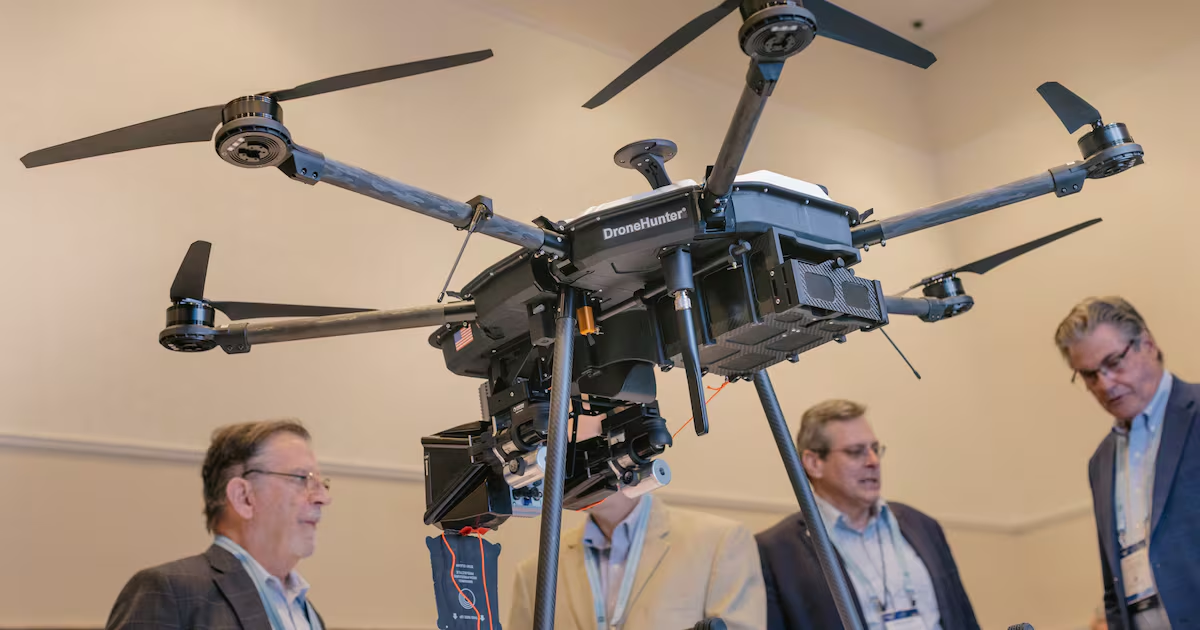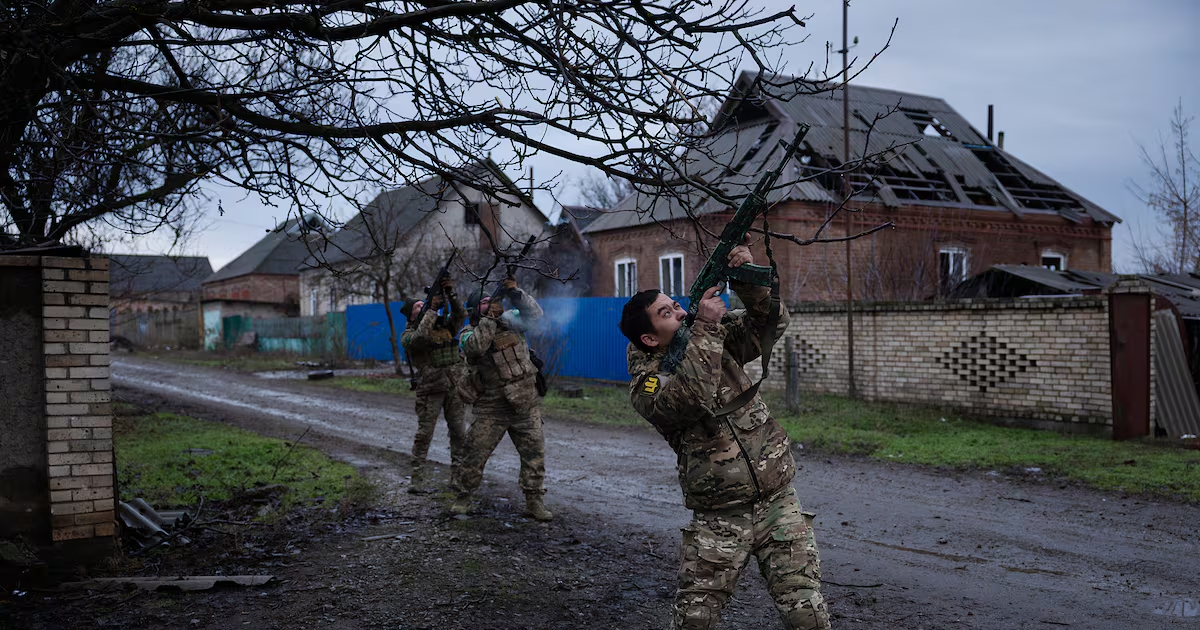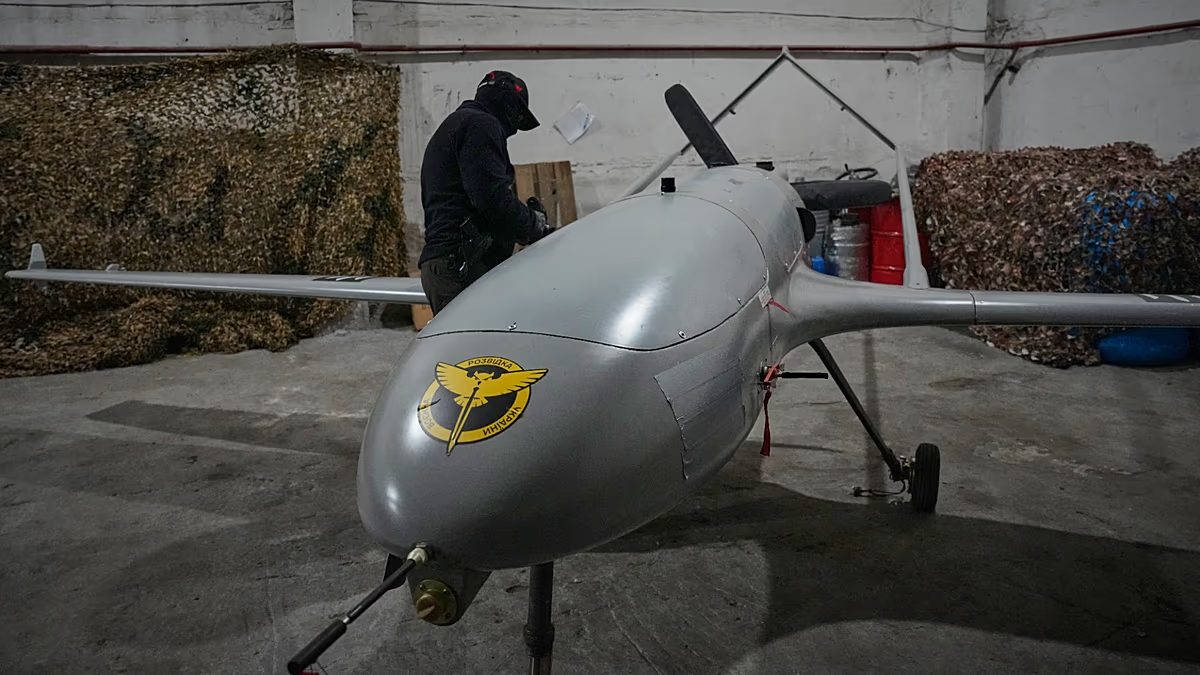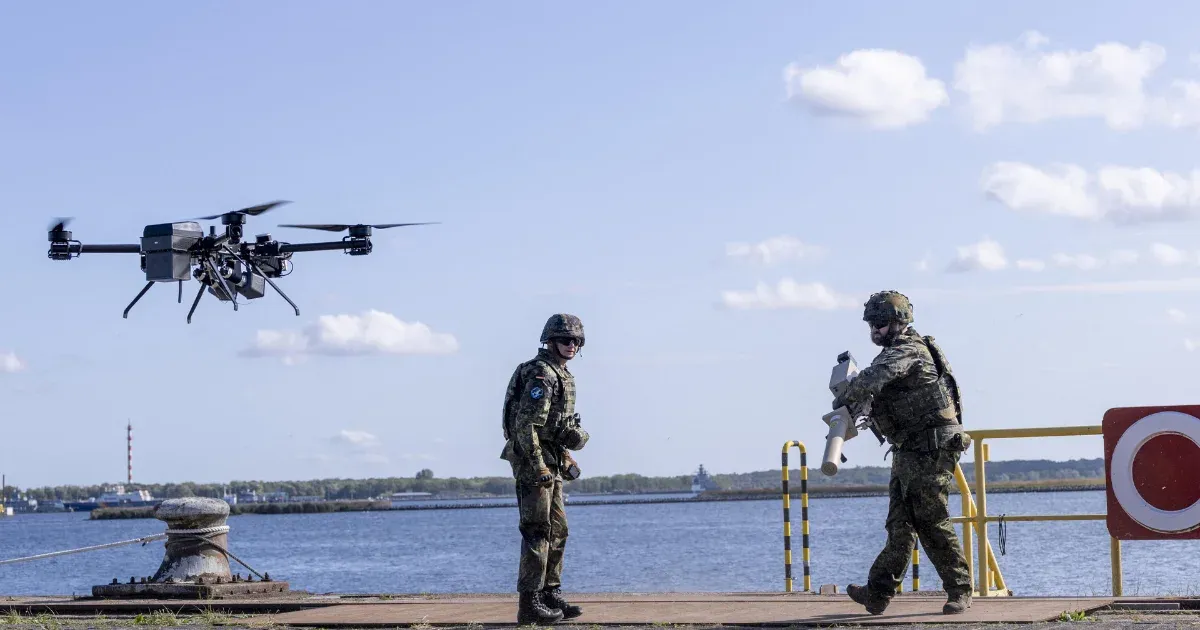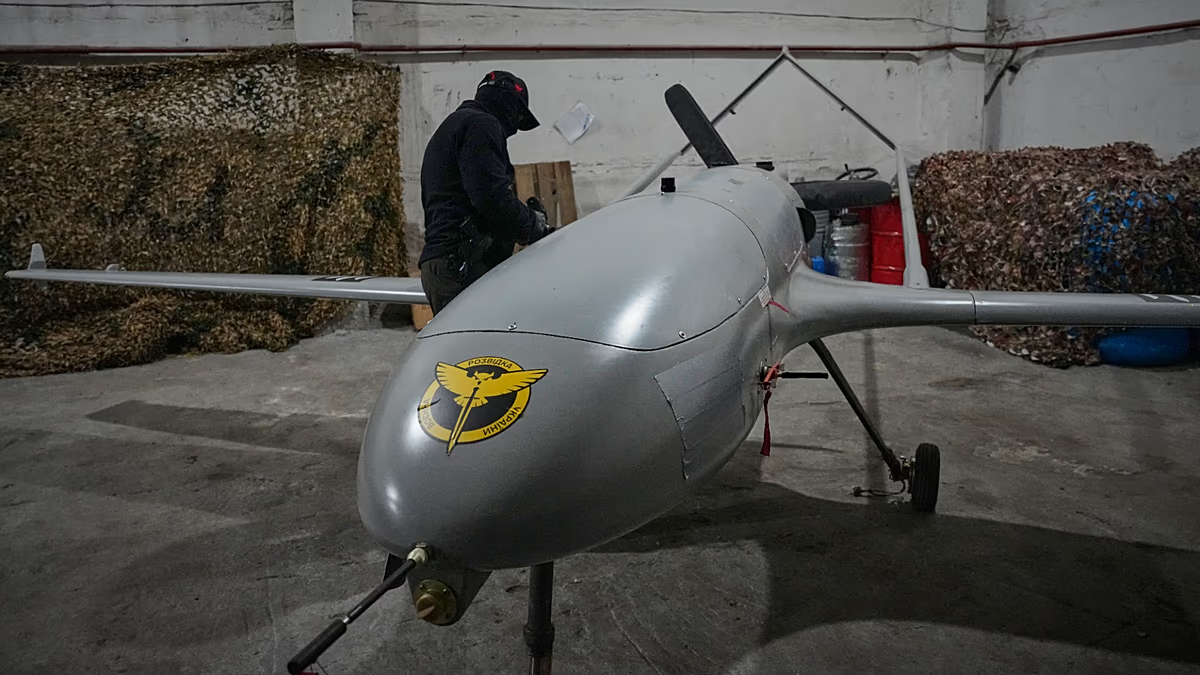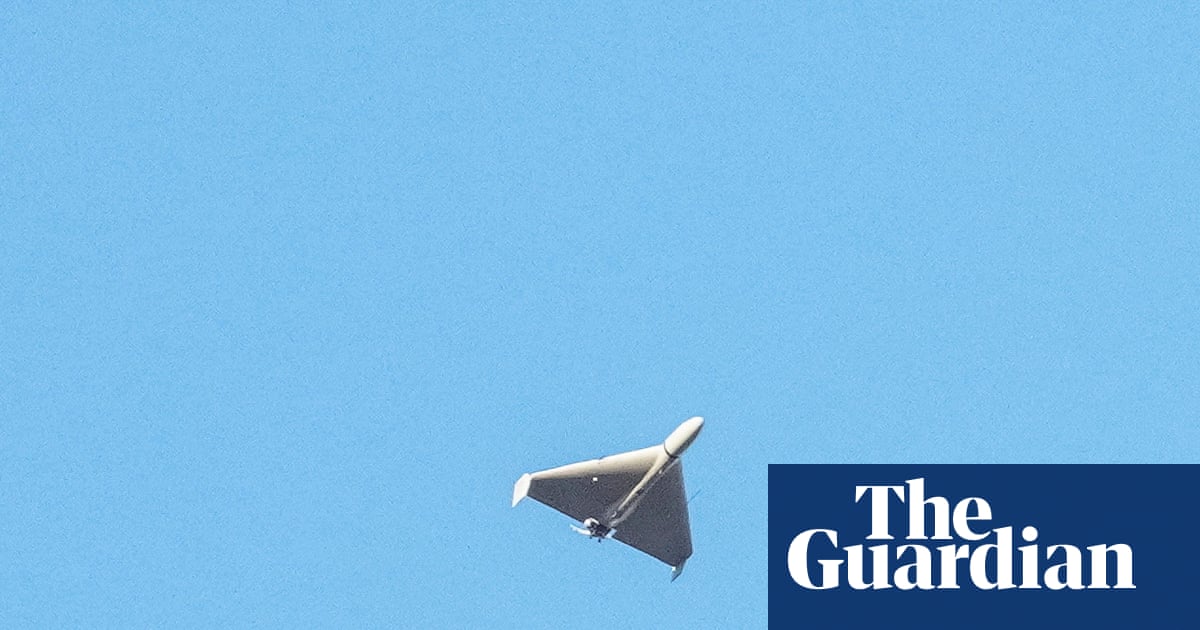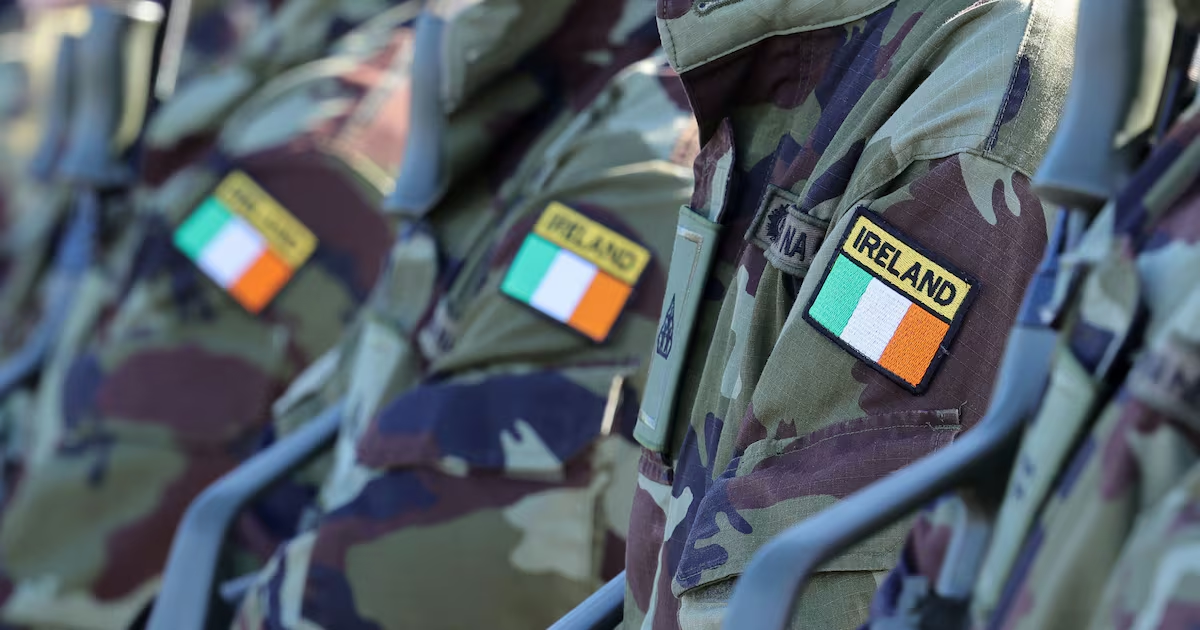
The Defence Forces will use shotguns and machine guns mounted on helicopters to guard against rogue drones during the six-month EU presidency. Naval crews are also being trained to shoot down drones from ships while the Air Corps’ small fleet of training aircraft will be fitted with new anti-drone weapons. These low-tech “hard kill” solutions – based on lessons learned from the war in Ukraine – will be used along with advanced jamming technology that can “soft kill” drones by blocking their signals. This will provide a “layered” security against potential drone incursions both during the presidency and in Defence Forces operations at home and abroad, the military said. The new Defence Forces “counter unmanned aerial system (C-UAS)” programme is a response to the changing nature of warfare, where cheap off-the-shelf drones can shutdown civilian airports and destroy military vehicles worth millions of euro. [ Drone wars: Irish Defence Forces watching the skies as EU presidency set to beginOpens in new window ]Planning on the anti-drone measures has been stepped up for Ireland’s high-profile EU presidency, starting on July 1st, following a drone incursion in Dublin Bay during the visit of Ukrainian president Volodymyr Zelenskiy last December.Shotguns have proven effective at destroying drones at close range in Ukraine where even basic hunting shotguns have been pressed into service. In the UK, soldiers partake in clay pigeon shooting as part of their anti-drone training. Five drones were spotted by the crew of an Irish naval ship close to where Zelenskiy’s aircraft had passed earlier that night. The crew opted not to open fire, due to a lack of appropriate ammunition and the risk to other civilian aircraft.[ New Army vehicles under French deal can automatically target perceived threats using AIOpens in new window ]Various plans are being devised for potential future incursions. A Defence Forces spokesman said the Naval Service was “conducting live fire training with their vessel’s secondary armaments for close-in protection” against drones.On land, the Army is “procuring and training personnel in the use of shotguns for self-defence” while helicopter crews are being trained to shoot down drones using door mounted general purpose machine guns.Two of the Air Corps PC-9s – small turboprop aircraft mainly used for training – are being fitted with weapons designed specially to shoot down drones. “Airburst” ammunition, which can detonate mid-air near a drone target, is also being acquired more for naval guns and new 30mm calibre cannons mounted to armoured personnel carriers.These systems will mainly be used at Defence Forces locations, including Casement Aerodrome in west Dublin, which will host dozens of world leaders during the presidency. [ How the Defence Forces is using AI to cover shortfalls in resources and personnelOpens in new window ]An Garda Síochána has lead responsibility for defence against drones elsewhere but may request military assistance if needed.Air Defence personnel are currently being trained in a new anti-drone system being installed in Casement at a cost of €19 million. Drone recognition courses have also been designed to train personnel “in detecting, identifying and classifying” differing types of drones.
Shotguns, helicopters and ‘airburst’ ammunition to guard against rogue drones during EU presidency
Defence Forces details ‘layered’ security against potential drone incursions during EU presidency and in operations at home and abroad
510 words~2 min read