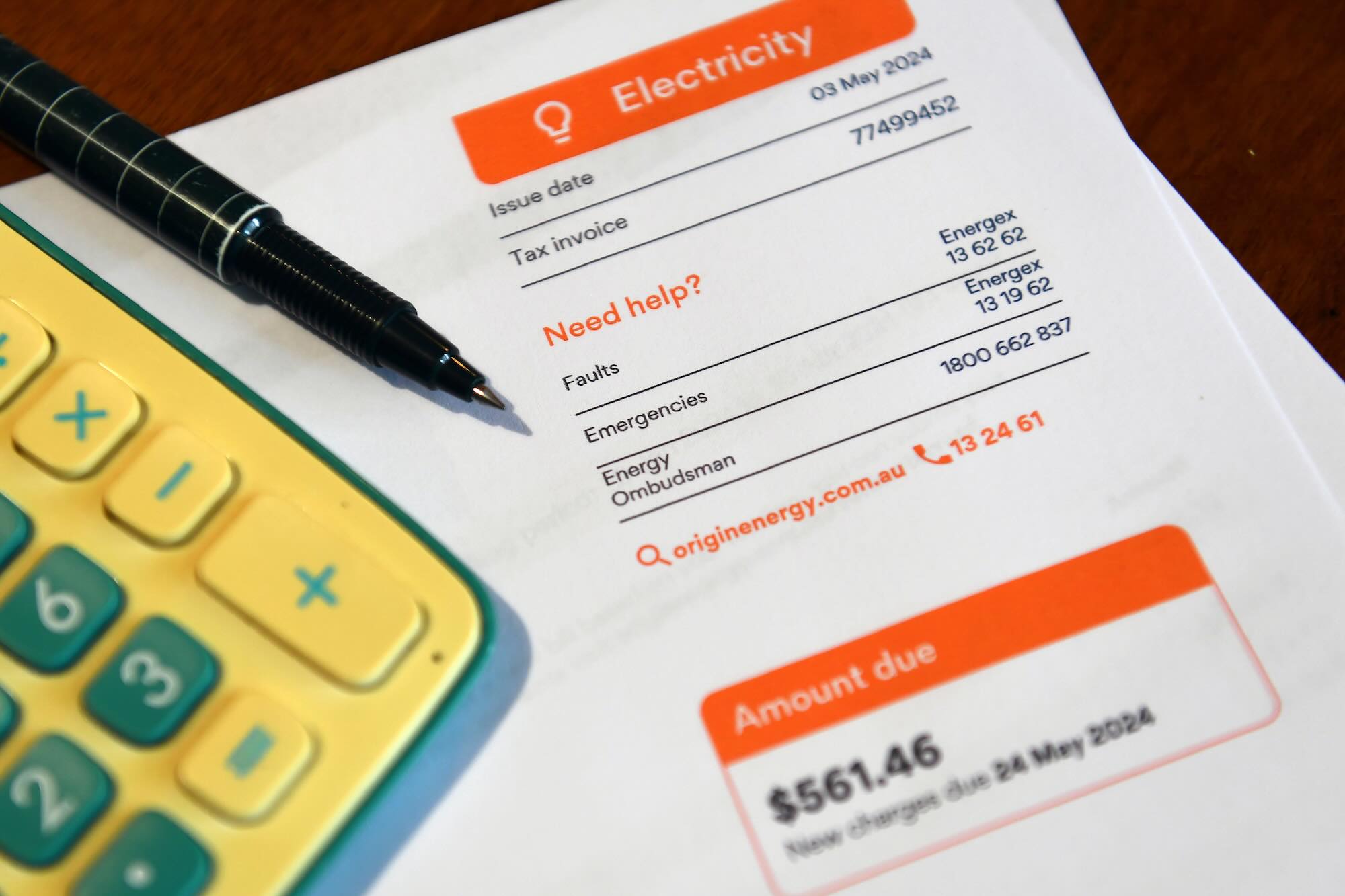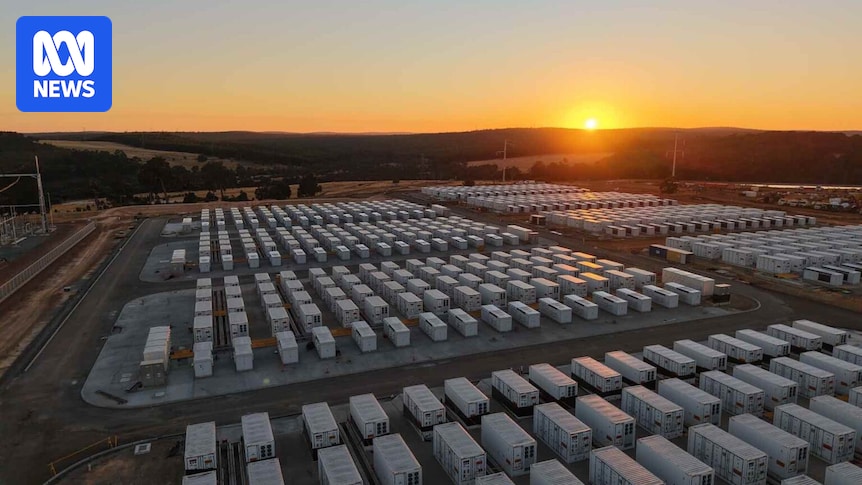
In BriefThe Default Market Offer (DMO) is the maximum price energy retailers can charge for electricity.Regulators have released the DMO for the 2026-2027 financial year.Energy customers in NSW, Victoria and parts of Queensland and South Australia can expect lower electricity prices from July, as regulators released the default market offer for the 2026-27 financial year this week.The Default Market Offer (DMO) is the maximum price that energy retailers can charge residential and small business customers on a standing offer contract for electricity. Only a small number of households are on DMOs, but they are viewed as a benchmark to compare other power prices.For the first time, a solar default offer is being introduced, which will be priced the same as the rate set for households that use smart meters on a time-of-use calculation.NSW, South Australia and Queensland adopt the Default Market Offer set by the Australian Energy Regulator (AER), while Victoria has its own default offer set by the state's Essential Services Commission.For residents in NSW, the residential flat rate standing offer price will fall between 3.4 per cent ($66) and 5 per cent ($137). Households that use smart meters on a time-of-use calculation can receive reductions on the standing offer from 3.7 per cent ($72) up to 7.7 per cent ($211) from July.In Queensland, residents living in the south-east can enjoy a flat rate standing offer reduced by 7.2 per cent ($155), and a 10.7 per cent ($229) reduction for those using smart meters on a time-of-use contract.South Australian residents who adopt a flat rate offer will be hit by a 1.4 per cent price increase ($33), while those on a time-of-use contract will see a 1.1 per cent price drop ($25).Small businesses across the three states will also see price reductions, although the reduction ranges for each state vary, with NSW set to see the biggest fall in default prices.Starting from the new financial year, energy retailers will also have to offer a default Solar Sharer Offer, which offers at least three hours of free electricity for households with smart meters.AER chair Clare Savage said the costs of wholesale energy hadn’t been increased, despite the ongoing war in the Middle East, which has triggered global uncertainty on energy."This is a positive outcome with prices coming down for the majority of households and all small businesses across the three regions where the DMO safety net applies," she said.On Monday, Victoria’s Essential Services Commission also unveiled the new cap for energy prices for the upcoming financial year.Around 512,000 residential households subject to Victoria's default offer will see an average of 5 per cent price drop ($84).Around 62,000 small businesses on the state's default offer may be able to save an average of $240 under the new settings.Victoria's Energy Minister Lily D'Ambrosio said the cuts would provide relief during ongoing cost-of-living pressures.The state's default electricity price remained lower than the benchmark used in other eastern states, she added.Federal Energy Minister Chris Bowen attributed the price drops to the government's push for renewable energy, noting that Australia's main energy grids clocked over 50 per cent renewable generation for the first time at the end of last year. He also cited the 440,396 home batteries that had been installed since 1 July."Those 440,396 home batteries installed since 1 July last year, together with a big uplift in grid-scale batteries and a smaller contribution from community batteries, are making a difference," Bowen said on Tuesday.— With additional reporting by the Australian Associated Press.For the latest from SBS News, download our app and subscribe to our newsletter.
Energy bill relief: Here's how much power prices are set to fall
Residents and small businesses across four states could see their energy bills reduced in the new financial year.
592 words~3 min read