Hong Kong’s fertility rate has sunk to roughly 0.8 children per woman, far below the replacement rate of 2.1 needed to maintain a stable population. Registered births in the city fell to just over 31,000 in 2025, a record low following years of declines.
Long working hours and high childcare costs make starting a family a difficult choice for many households. Hong Kong’s statutory maternity leave stands at 14 weeks of paid leave; it offers just five days of paternity leave. Hong Kong has tried to implement policies to subsidize some of the costs of childcare, including a one-off “baby bonus” of 20,000 Hong Kong dollars ($2,550) to no avail.
Hong Kong’s problem isn’t unique, as several Asian economies like South Korea, Japan, and Mainland China are also grappling with falling birth rates. Even less wealthy markets across Asia, like Thailand, are aging faster than their level of development would suggest, leading to fears that such countries might “grow old before they get rich.”
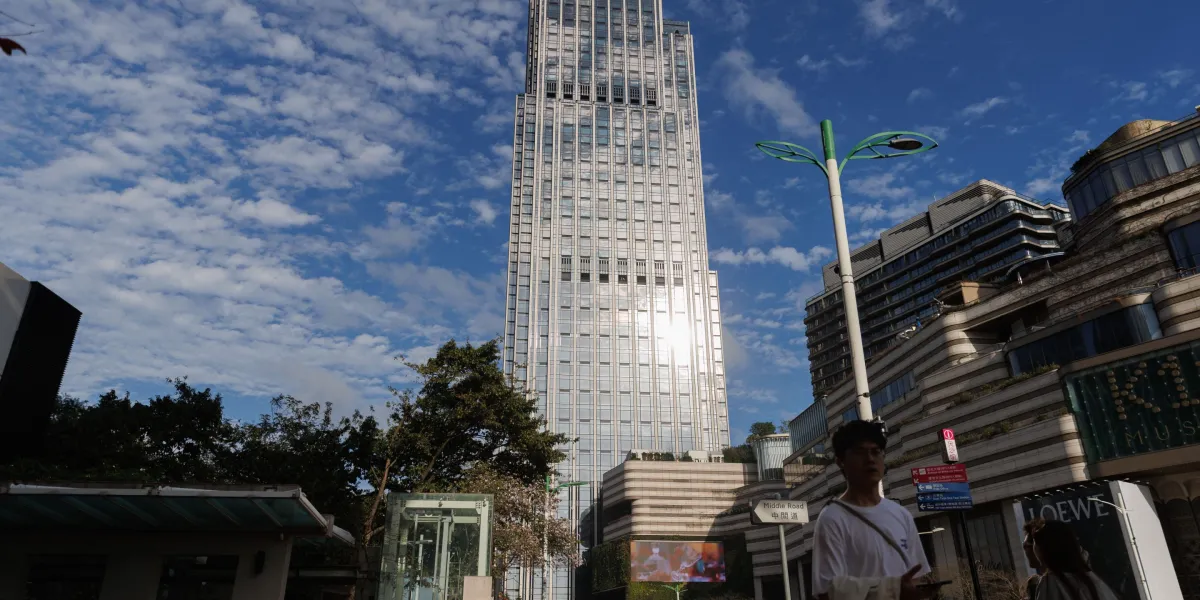
Earlier this year, Rosewood Hotel Group, the luxury hotel chain owned by Hong Kong’s billionaire Cheng family, introduced a parental leave policy offering 16 weeks of fully paid leave to all employees, regardless of gender or seniority; employees still qualify if they adopt. The policy applies to associates across corporate offices and managed properties globally.