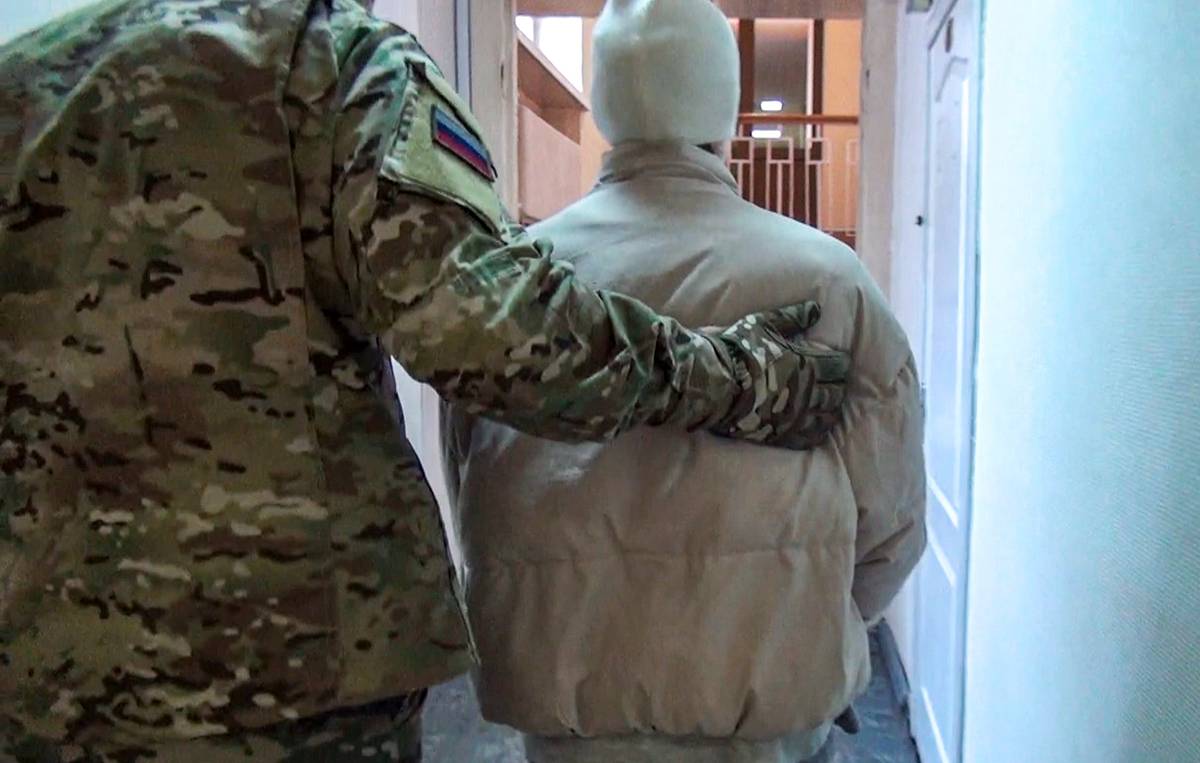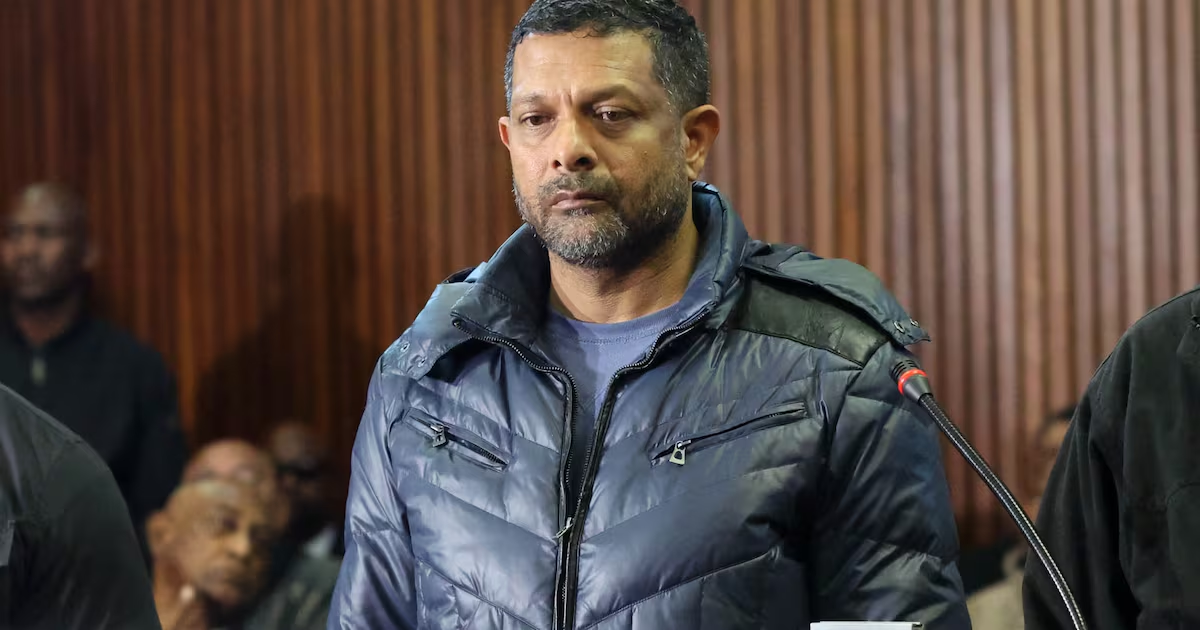
The police’s crime intelligence operational support head, Maj-Gen Feroz Khan, wants seized communication devices returned, warning that unrestricted police access to them could compromise undercover operations and lead to assassinations.Earlier in May, Khan was arrested at his home in Houghton and charged with offences relating to unwrought precious metals. During the arrest the police searched and seized, without a warrant, three cellphones, his personal firearm and ammunition, and an iPad. Khan, in the litigation against acting police minister Firoz Cachalia, crime intelligence boss Lt-Gen Dumisani Khumalo and investigating officer Calvin Khorommbi, wants the court to declare the search and seizure unconstitutional and direct the police to return all devices and his firearm. The electronic devices contain deeply personal and confidential information, Khan argues. Because of his work in crime intelligence, the devices may further contain information intersecting with highly sensitive policing and intelligence.“The risk posed by unrestricted access to such information extends beyond my own privacy interests,” he said in court papers.“Such information potentially implicates broader institutional interests, public interests and the safety and security of persons not before this court. “To ignore this could result in death, assassinations and compromising undercover operations, the costs of which run into millions of rand,” Khan said. The urgent application, which also seeks the police to delete any information downloaded from his devices, will be heard in the high court in Johannesburg on Tuesday. Khan describes the urgent application as one that “involves life and limb scenarios”, which directly implicate lives that need to be preserved. The information in the devices, Khan says, includes identities of investigation targets, suspects of undercover national security considerations, informant identities, intelligence sources and operational information. “In the wrong hands, it unmasks the identities of investigative officers, surveillance officers and undercover operatives in the investigative field. This is a serious breach of national security,” Khan says. Khorommbi, in his rebuttal, says the information is not at risk because he works for the counter-intelligence division and was trained in how to deal with sensitive information. “I deny that the search and seizure of the articles was unlawful and unconstitutional. I also deny that [Khan] has made out a case for a review and setting aside of the decision of the respondents to conduct a warrantless search and seizure,” he argues. Khorommbi says police spent three hours trying to gain entry to Khan’s apartment before eventually succeeding. Once inside, Khan told officers he had been sleeping.Khorommbi argued that the three-hour delay constituted reasonable grounds for police to conduct a search, as they believed Khan had something to hide.“I record that the articles that were seized from the applicant belong to the state. The two iPhones, one iPad and Galaxy S21 all belong to the state and are not his personal belongings. I have already accessed the Samsung S21; he voluntarily gave me the code,” he said.
Feroz Khan warns of assassinations linked to seized crime intelligence devices
Crime intelligence general challenges warrantless seizure, citing national security and safety concerns
476 words~2 min read