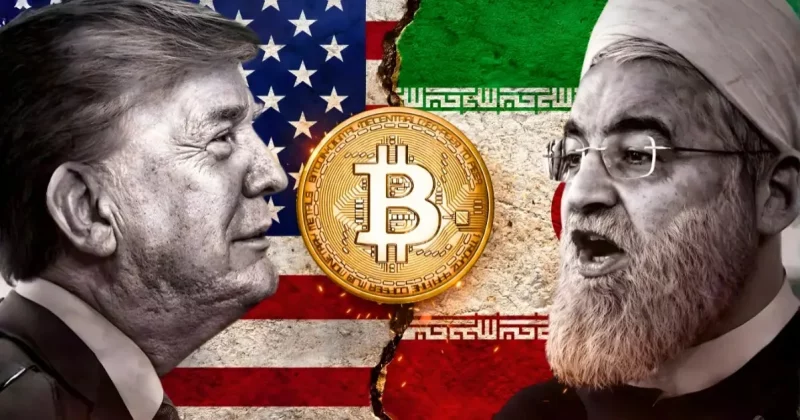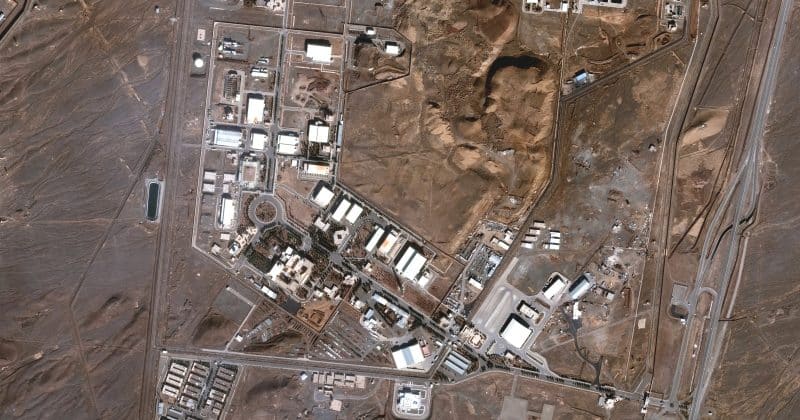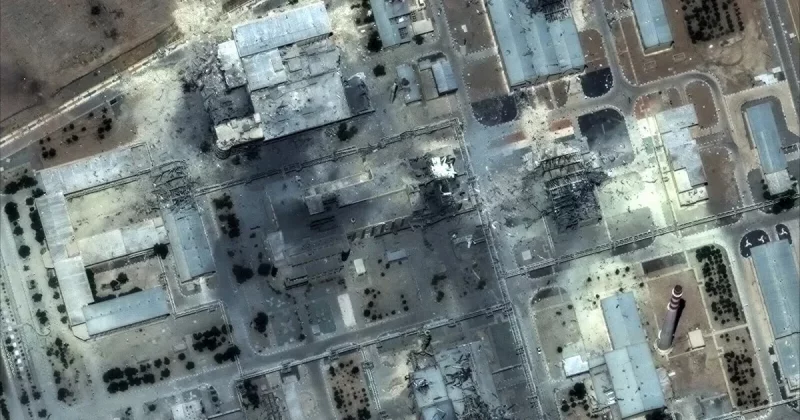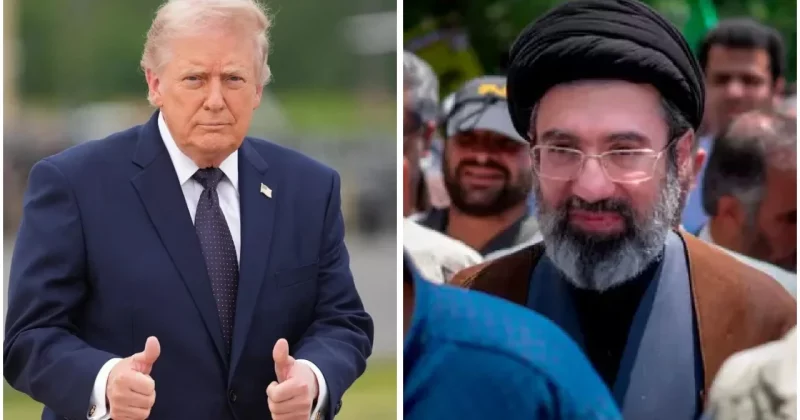
The US and Iran are reportedly closing in on a nuclear deal framework, one that would see Tehran give up hundreds of kilograms of highly enriched uranium in exchange for the release of billions in frozen assets.
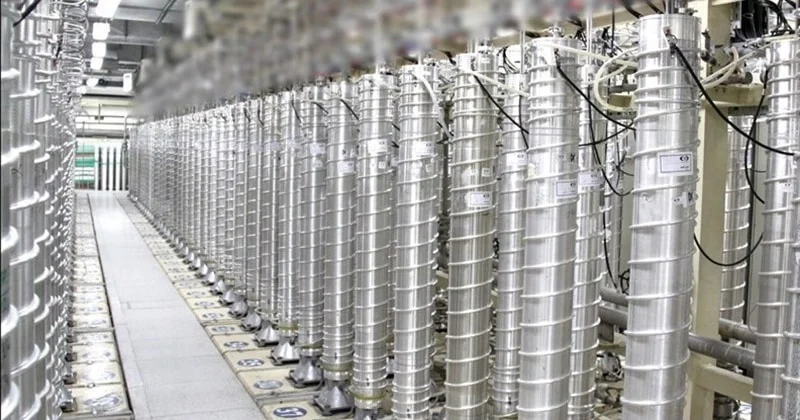
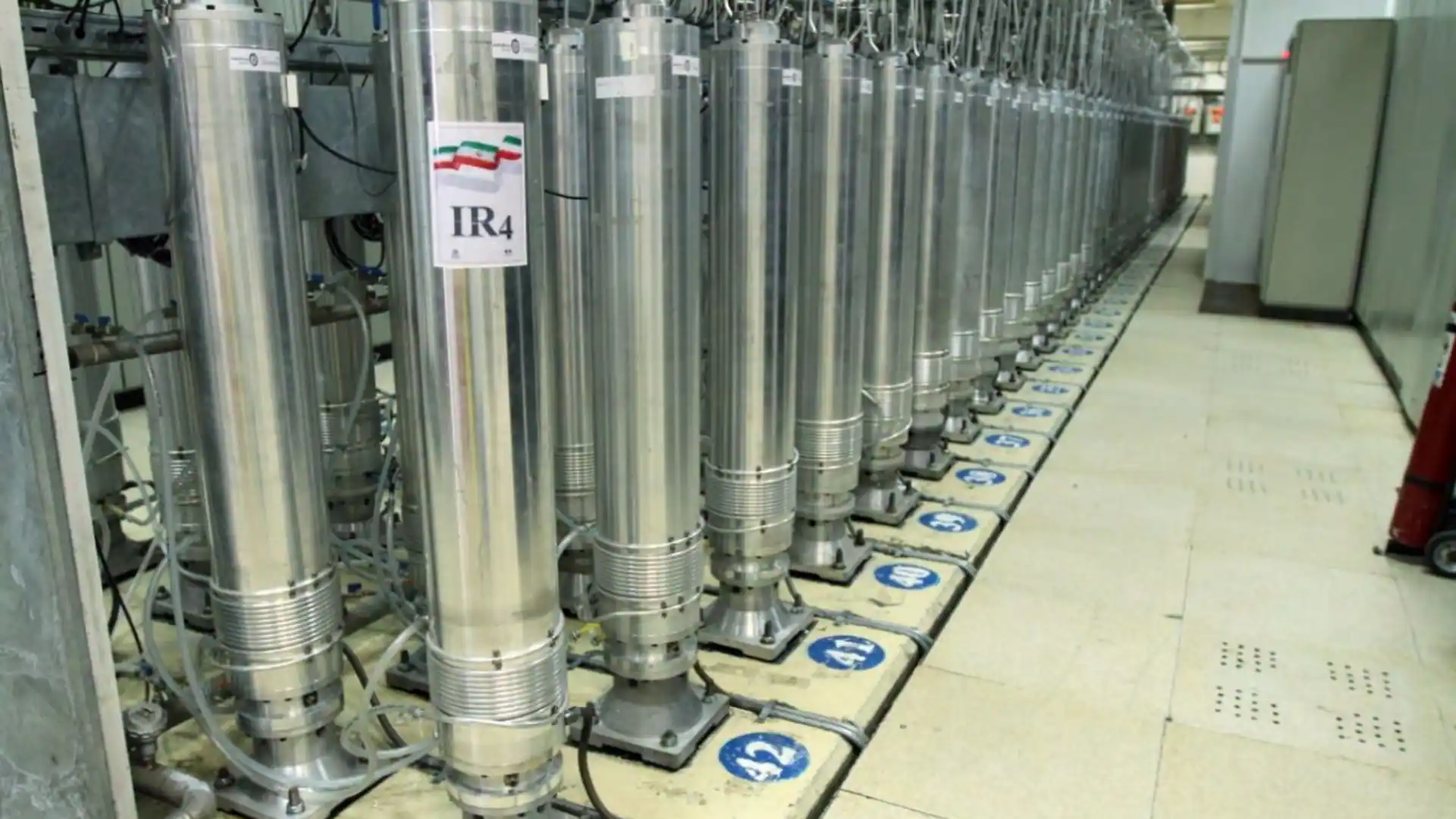
As of late May 2026, US officials indicated that Iran has agreed in principle to dispose of approximately 440 to 460 kg of uranium enriched to 60%, a stockpile that represents one of the most sensitive points of tension in global security. In return, discussions have centered on releasing around $20 billion in frozen Iranian assets and facilitating the reopening of the Strait of Hormuz, through which roughly a fifth of the world’s oil passes daily.
What the deal actually looks like
The proposed agreement follows a two-step structure. The first phase reportedly focuses on the uranium disposal and the Strait of Hormuz, establishing a foundation before broader terms are negotiated. President Trump has emphasized that this deal would differ substantially from the 2015 Joint Comprehensive Plan of Action, the Obama-era agreement the US withdrew from in 2018.
After the US pulled out of the JCPOA, Iran steadily expanded its enrichment activities, amassing the significant stockpile that is now at the center of these talks.