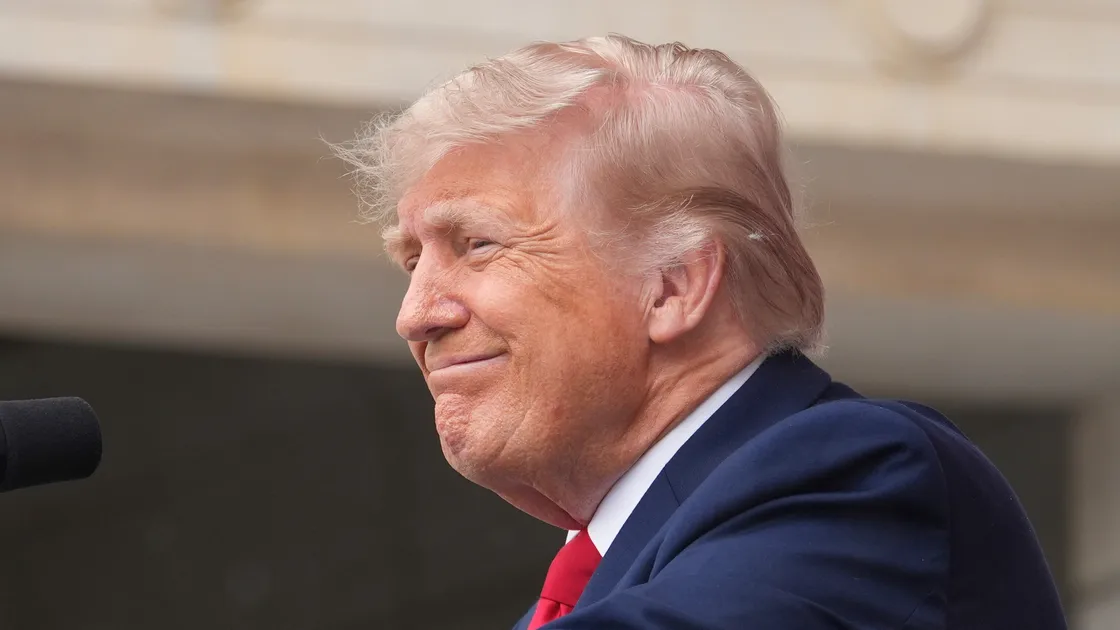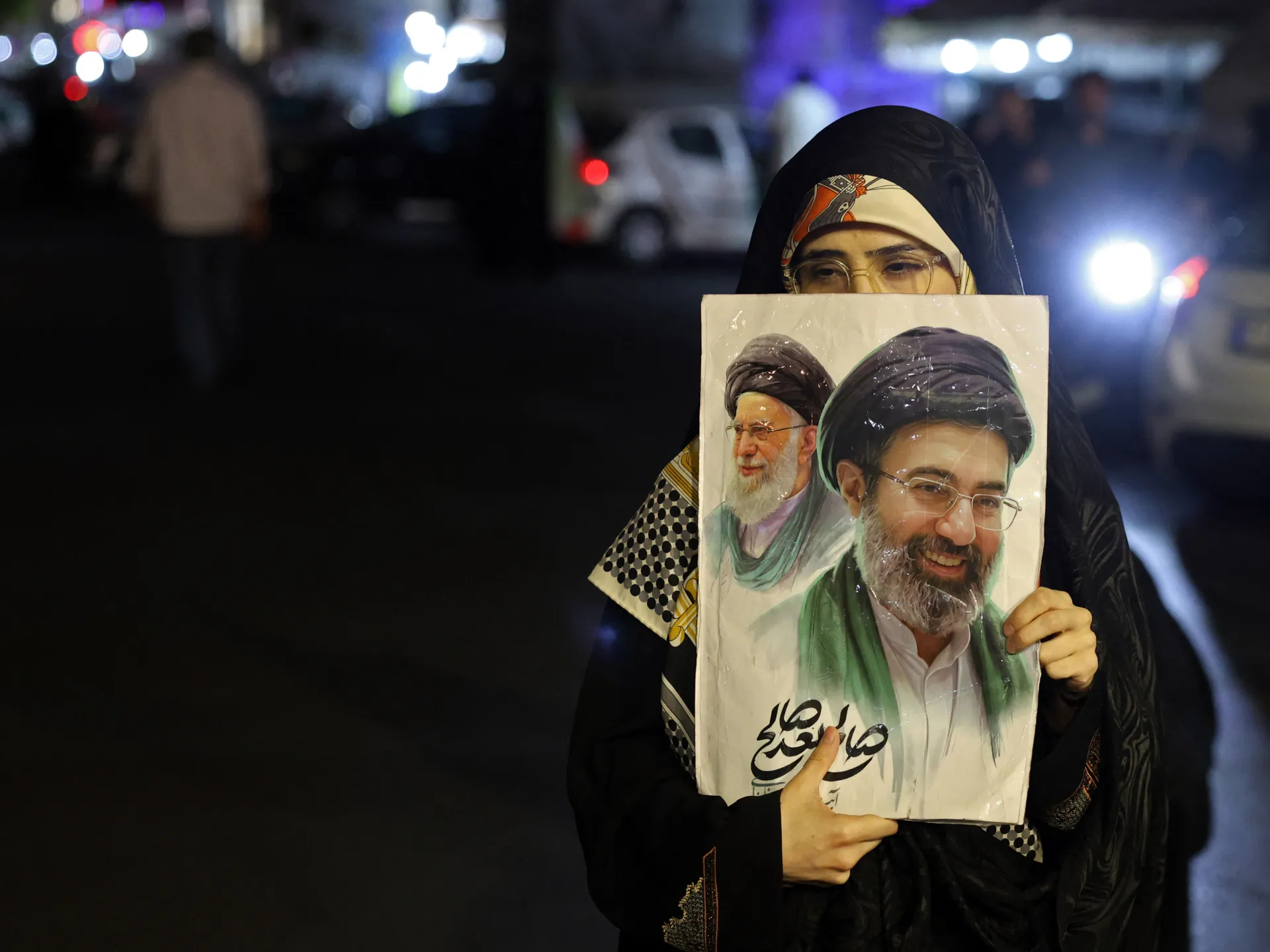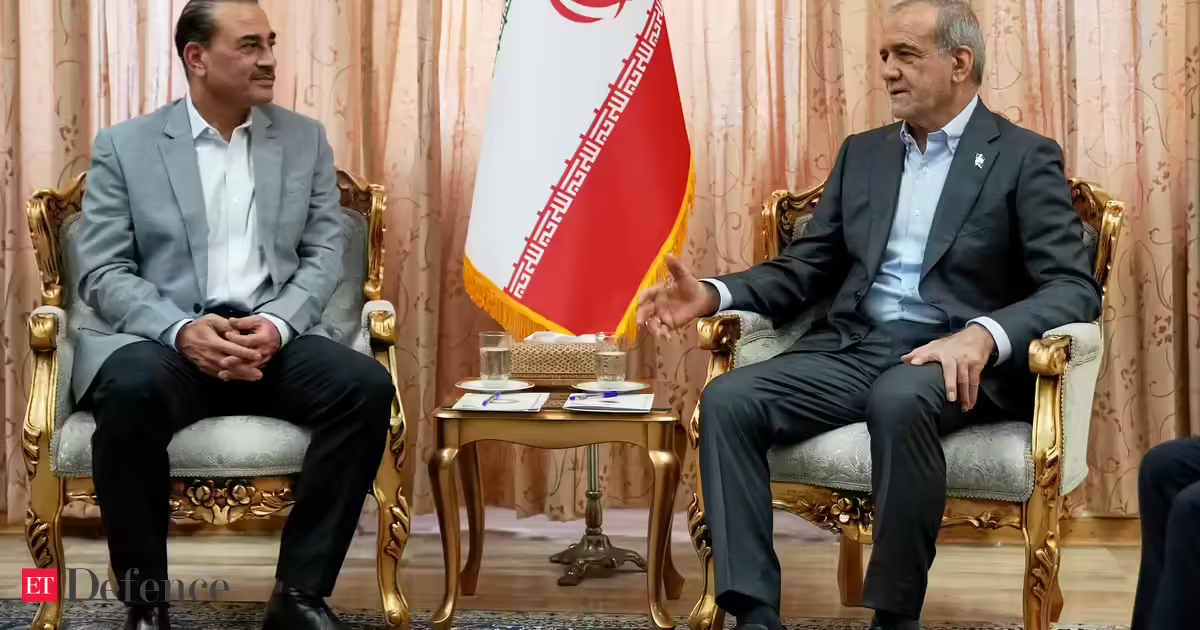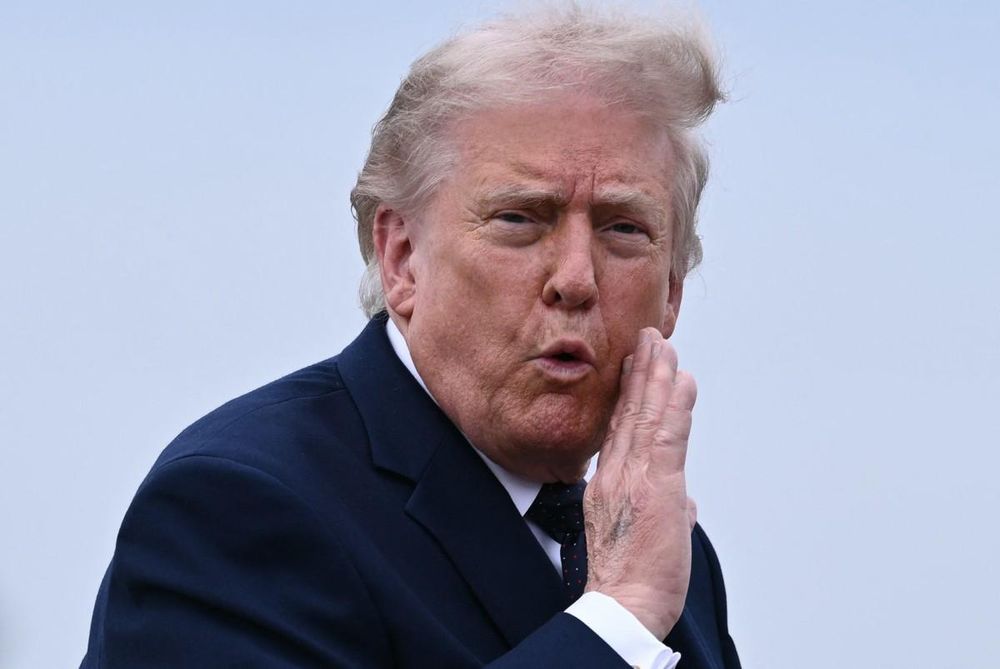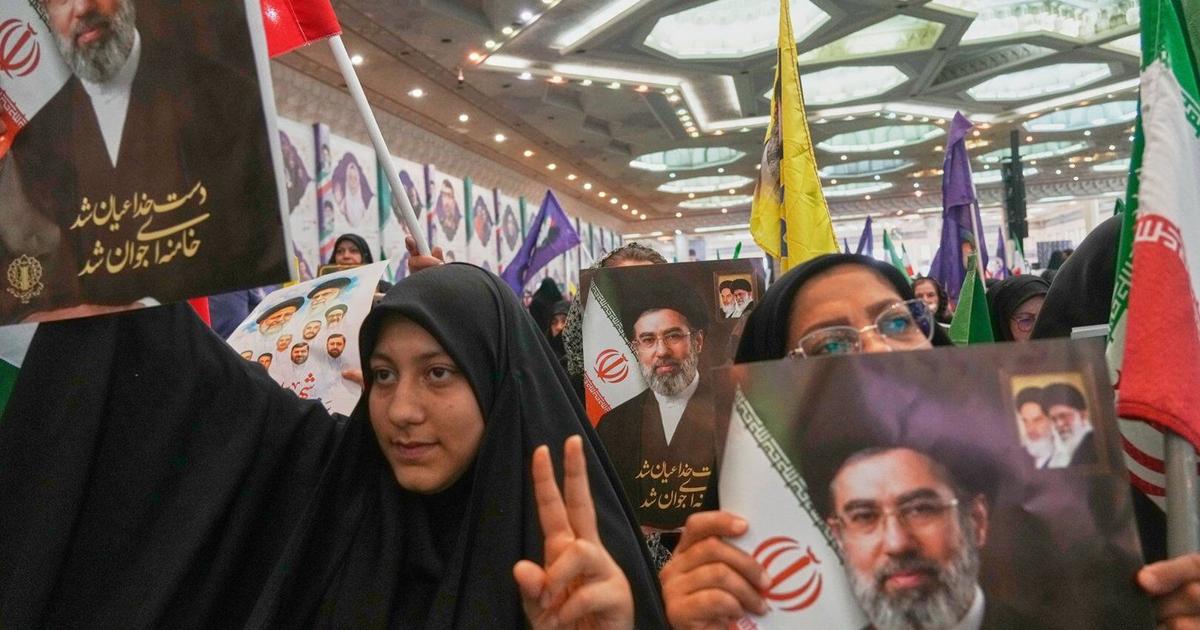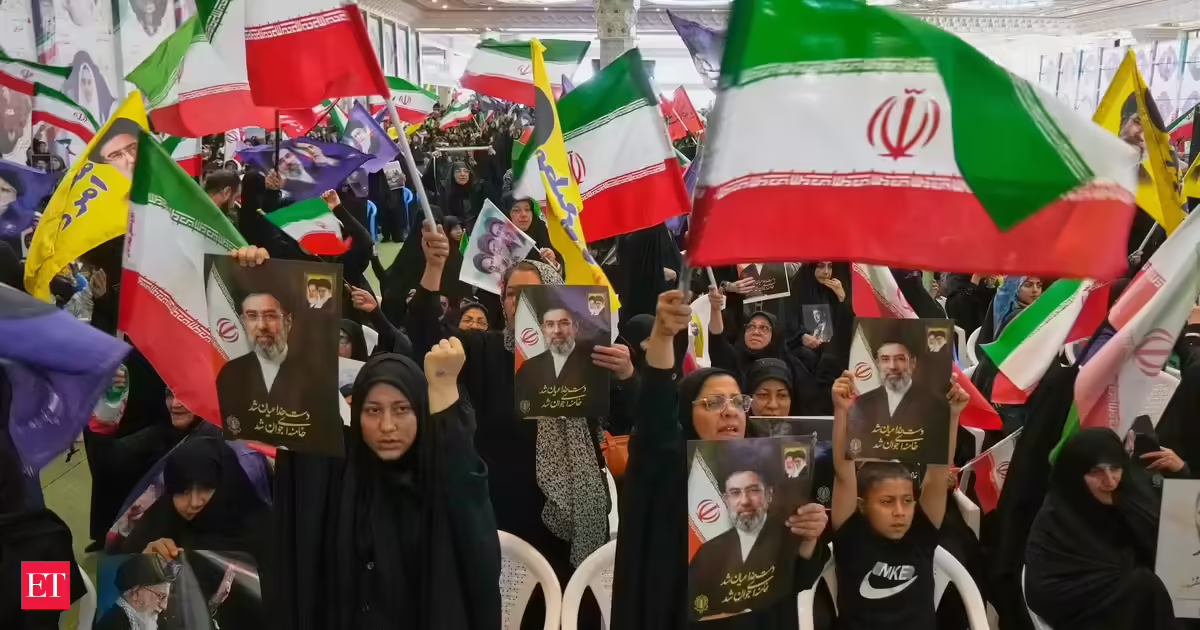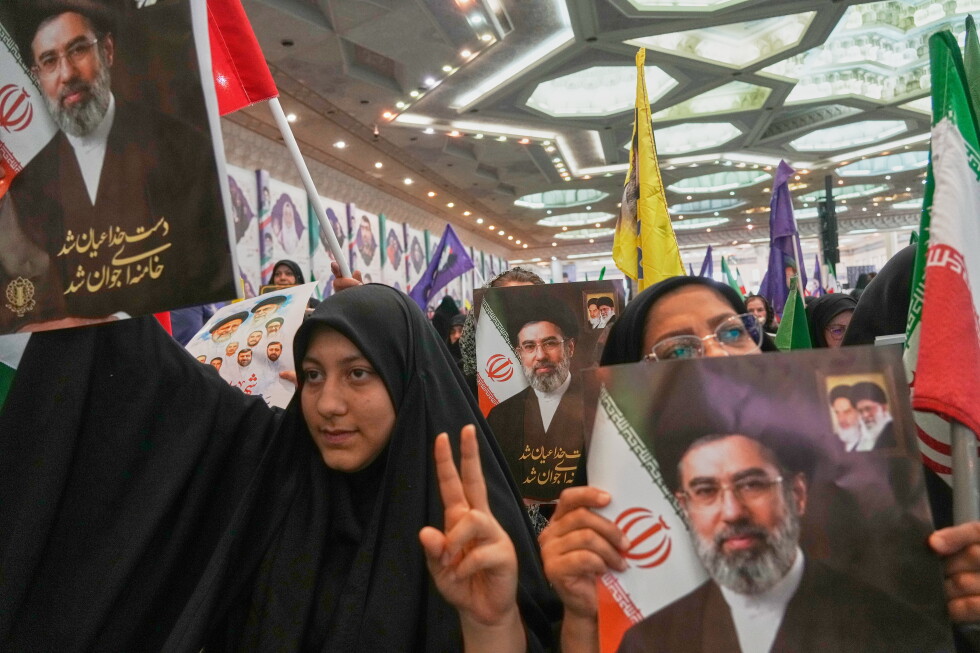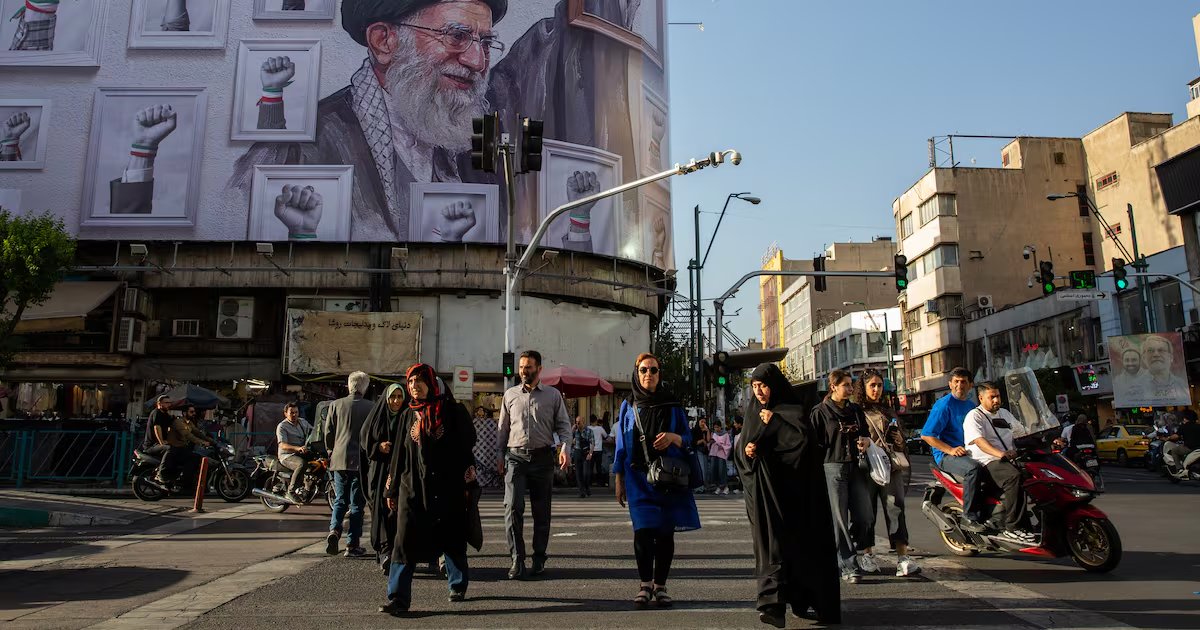
With the United States and Iran appearing close to concluding an agreement which would potentially end the conflict in West Asia, there are speculations on the key details which are part of the proposed deal, and uncertainty regarding some sticking points.Tehran has repeatedly insisted, since the beginning of the conflict, that any deal to end the war should include the conclusion of fighting on all fronts. (Reuters)Both US and Iran have noted that there has been progress in negotiations, with President Donald Trump saying the talks were going “nicely”. Iran's foreign ministry spokesperson Esmaeil Baghaei also said conclusions had been reached on several points.While uncertainty remains around when the deal would be signed and how it might come into effect, officials part of the negotiations or familiar with them have hinted at some aspects of the potential agreement.Conflict would end, 60-day ceasefire extensionTehran has repeatedly insisted, since the beginning of the conflict, that any deal to end the war should include the conclusion of fighting on all fronts. This, Tehran has said, must also include Israel's war with Hezbollah.The potential deal would initiate a 60-day ceasefire extension, with hostilities ending on all fronts. This would allow time to resume shipping through Strait of Hormuz after clearing of mines and allow the rebuilding of energy and other infrastructure in the region, according to the Associated Press.Gradual reopening of Strait of HormuzOne of the primary concerns since the start of the conflict in West Asia, which has affected the international supply of oil and natural gas supplies, is Iran's chokehold on the Strait of Hormuz.Under the agreement currently under discussion, the strait would gradually reopen simultaneously with the US also ending its blockade of Iranian ports, AP reported. The blockade had curbed Iran's ability to ship its oil, thus affecting its revenue. The deal might also include a US sanctions waiver on Iranian oil, AP cited one of the officials as saying.Release of Tehran's frozen assetsOne of the key points of disagreement between both sides was the release of billions of dollars in frozen Iranian funds, which according to officials would be negotiated during a 60-day period after the deal.However, according to a recent Al Jazeera report, Qatari mediation is reported to have brought about a breakthrough in the issue. Qatari mediation has led to an understanding with the US on Tehran’s frozen financial assets, Al Jazeera reported citing high-level Iranian delegation and officials in Doha. The source further claimed that given the agreement on the issue, there is a strong likelihood of a deal between US and Iran being announced tomorrow, according to Al Jazeera.Iran's stockpile of highly enriched uraniumUS President Donald Trump in a post on Truth Social late on Monday said Iran would have to turn over its highly enriched uranium stockpile to America, or it would be “completely destroyed at home” or at a neutral location.The US has highlighted this as one of the non-negotiable elements. While Iranian negotiators have maintained that the nuclear issue is not a part of the negotiations at this stage, American officials and Trump have stood their ground on the point. According to regional officials, under the potential deal, Tehran would agree to give up the stockpile. How this would be done would be subject to further talks over the 60-day period after the agreement, one official with direct knowledge of the negotiations told AP.
Hormuz, Tehran's uranium: What we know about potential US-Iran deal to end war
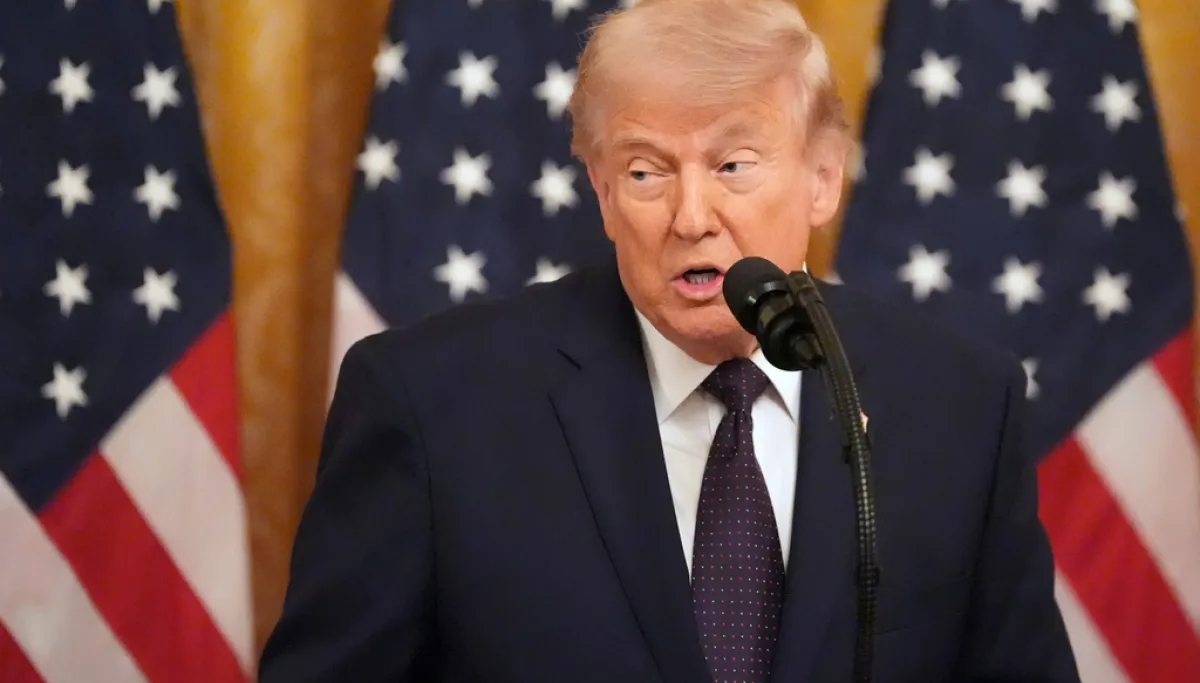
Both US and Iran have noted that there has been progress in negotiations, with President Donald Trump saying the talks were going “nicely”. | World News
562 words~3 min read