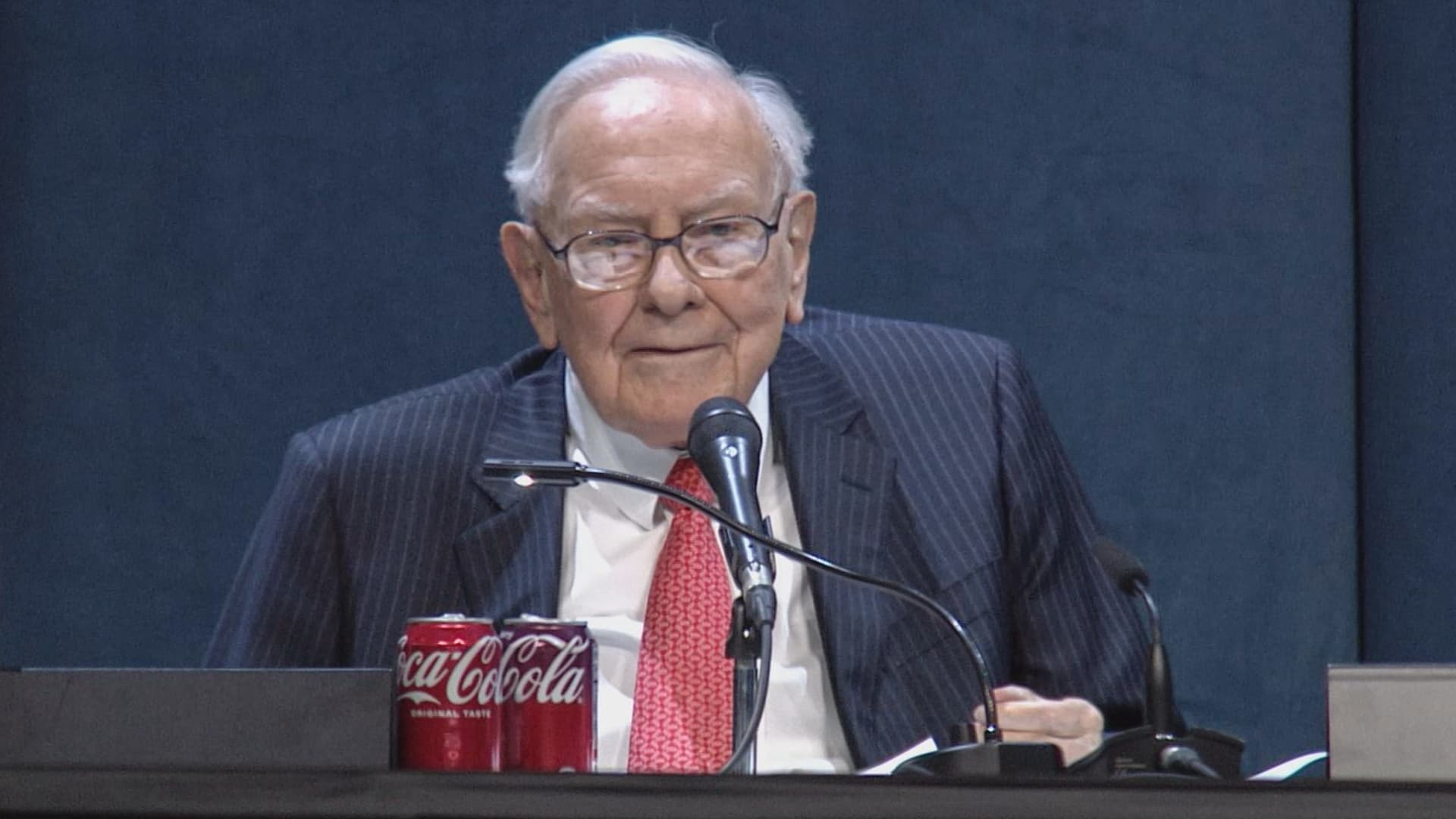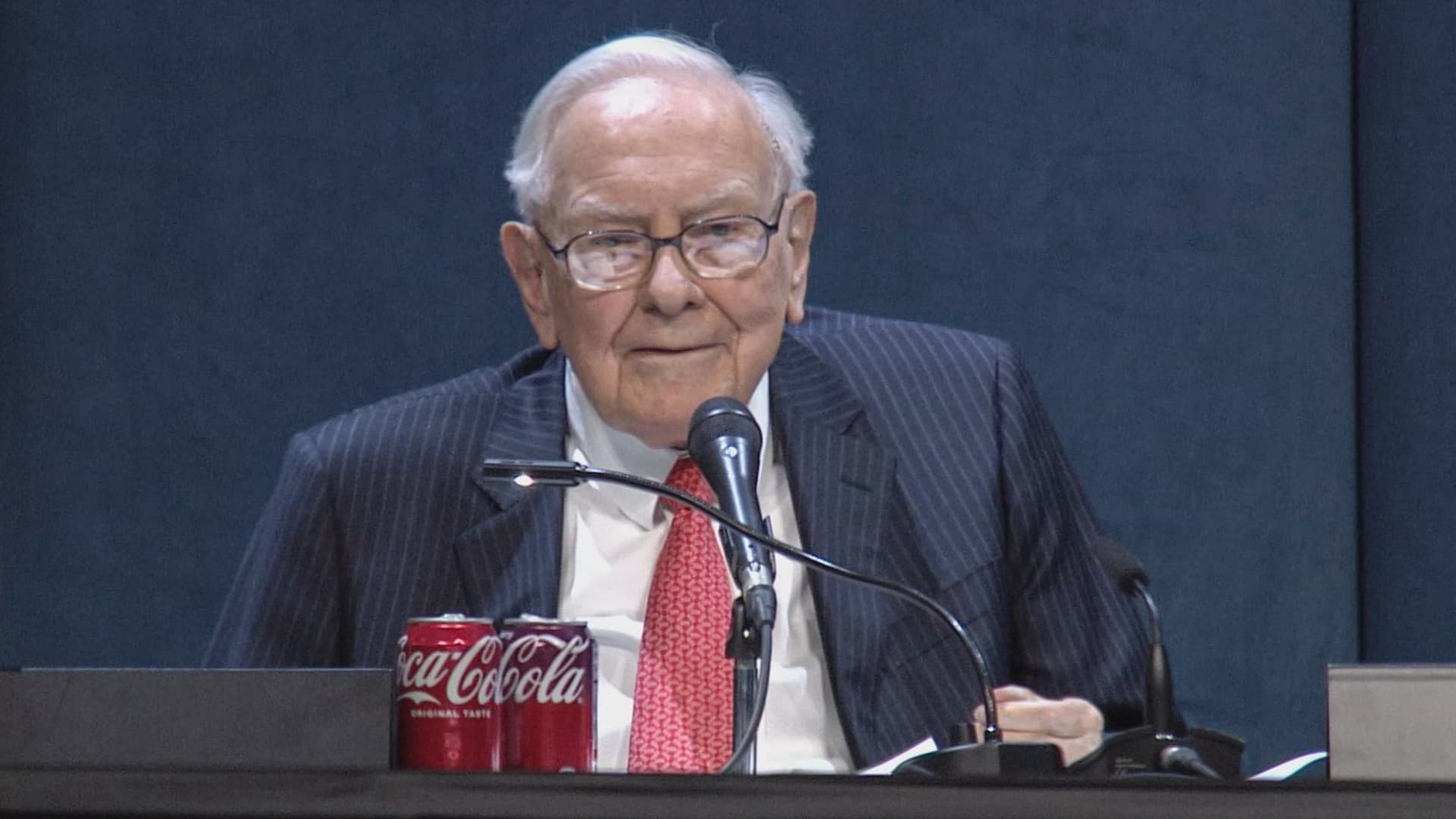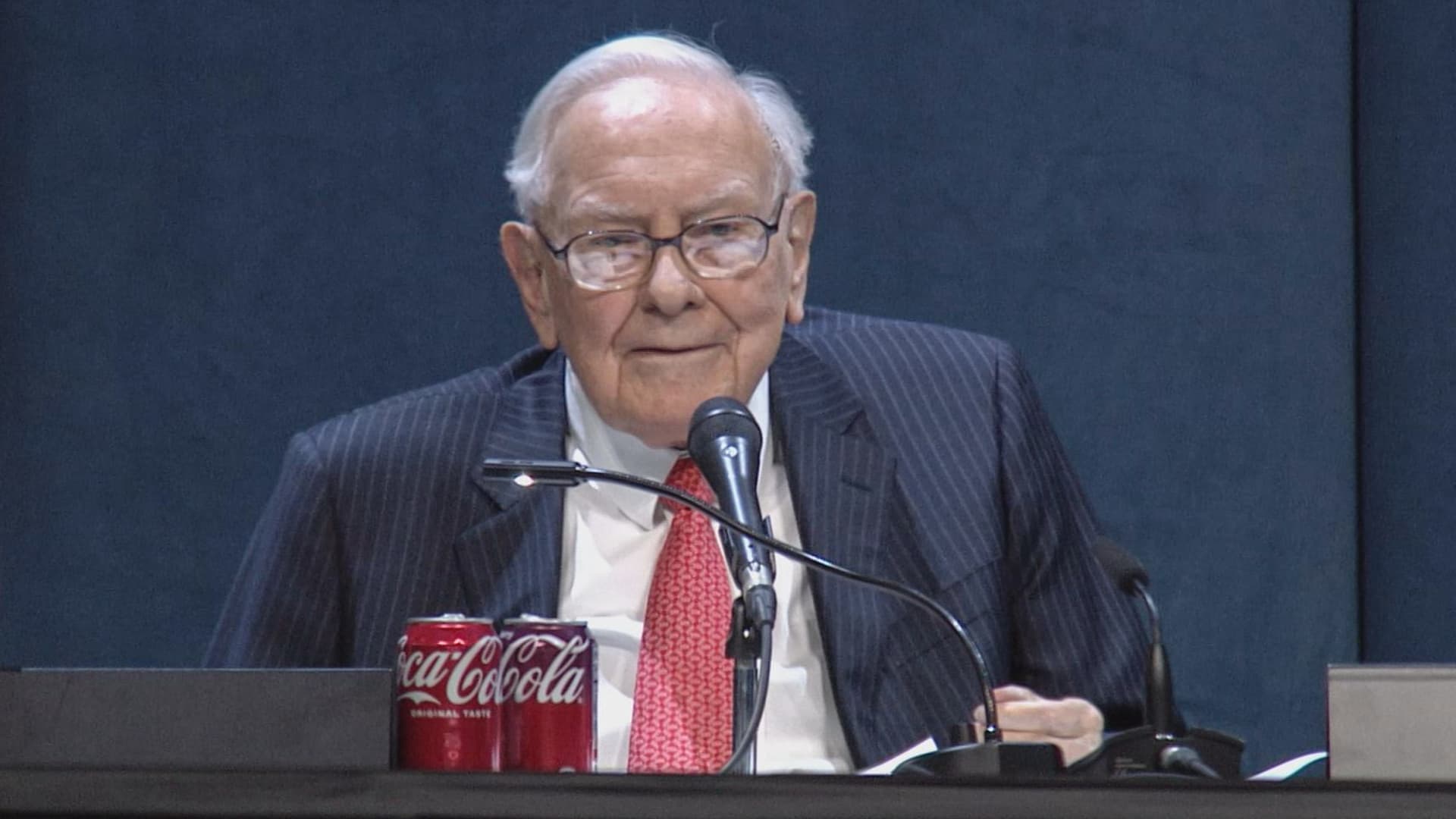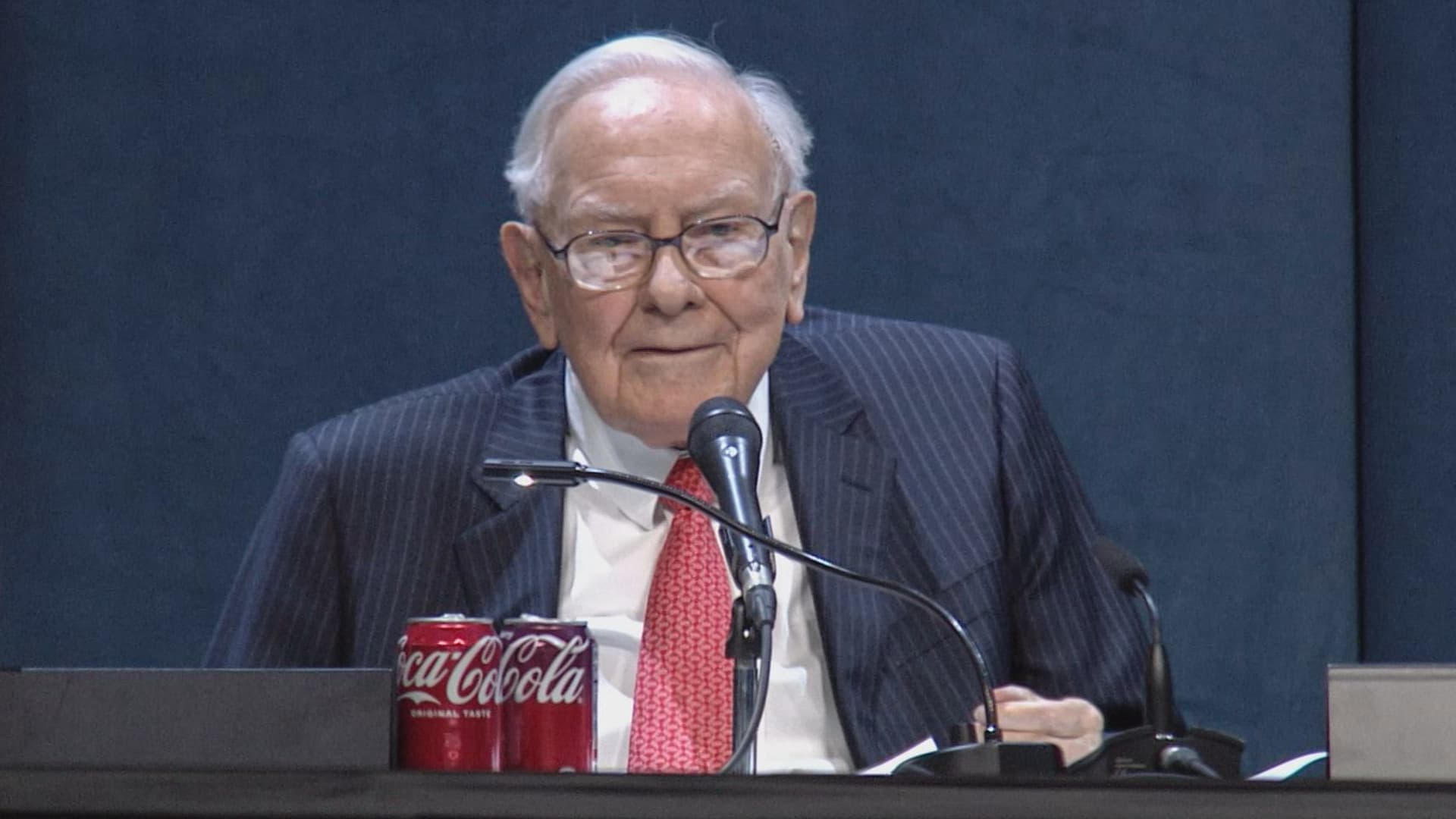
For the better part of six decades, betting against Berkshire Hathaway was roughly as smart as bringing a knife to a gunfight. From 1965 to 2024, the company compounded at approximately 19.9% annually, nearly doubling the S&P 500’s 10.4% over the same stretch.
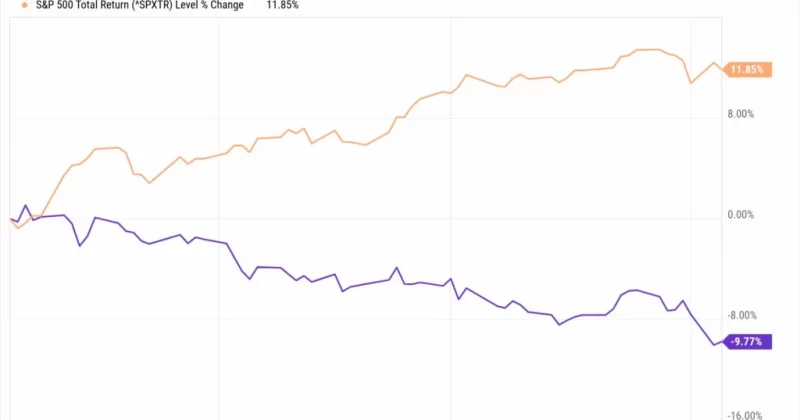
As of mid-May 2026, Berkshire Hathaway shares have lagged the S&P 500 by roughly 30 to 41 percentage points since Buffett announced his retirement in May 2025. The S&P 500 has gained between 25% and 31% over that period. Berkshire, meanwhile, has been approximately flat or down single digits.
The Buffett vacuum and $397 billion sitting on the sidelines
Buffett’s departure announcement coincided almost perfectly with the start of Berkshire’s relative decline. Greg Abel, the company’s new CEO as of January 1, 2026, inherited not just the corner office but a widening performance gap that had already been expanding through the back half of 2025.
Abel also inherited what might be the most conservative balance sheet in corporate America. Berkshire’s cash and equivalents hit a record of approximately $397 billion by mid-2026. Buffett spent his final years at the helm pulling back from the market, selling down positions and letting the cash pile grow. Under Abel, that posture has continued.