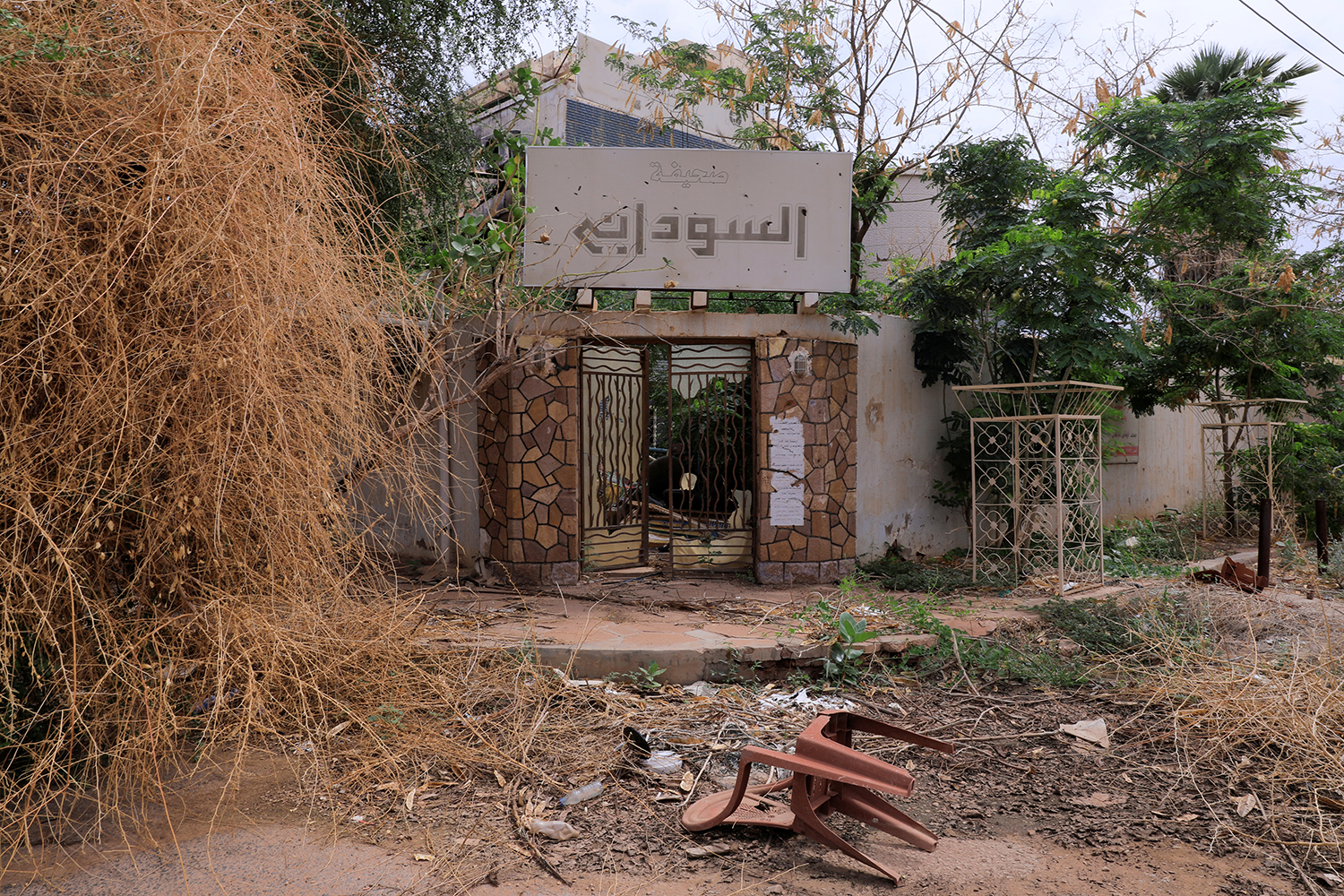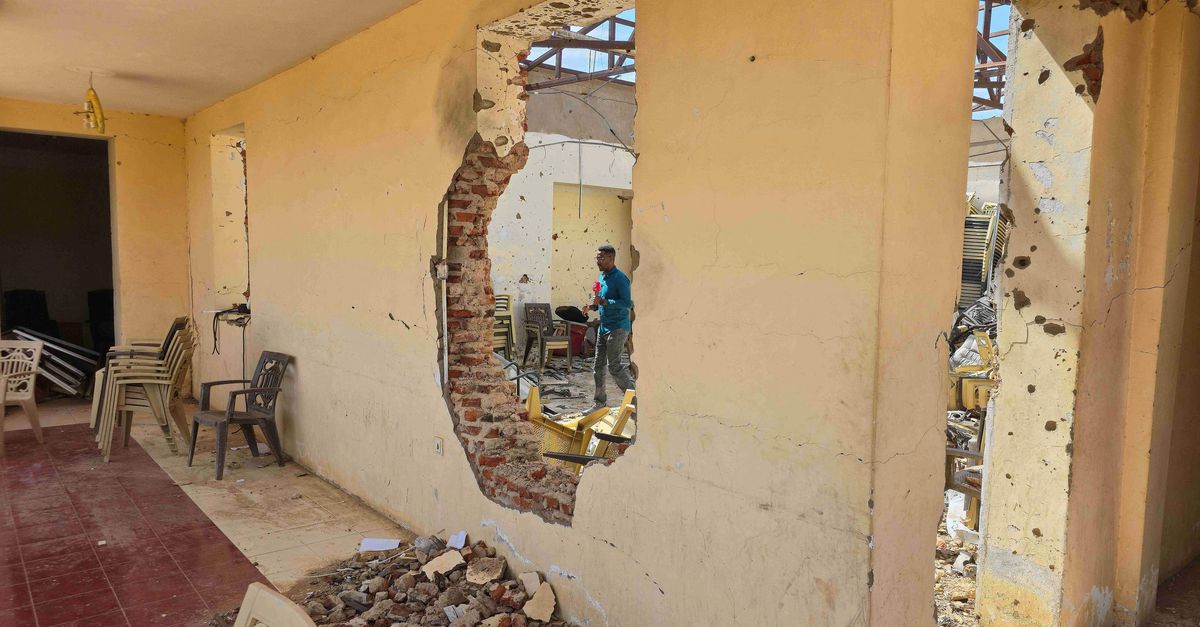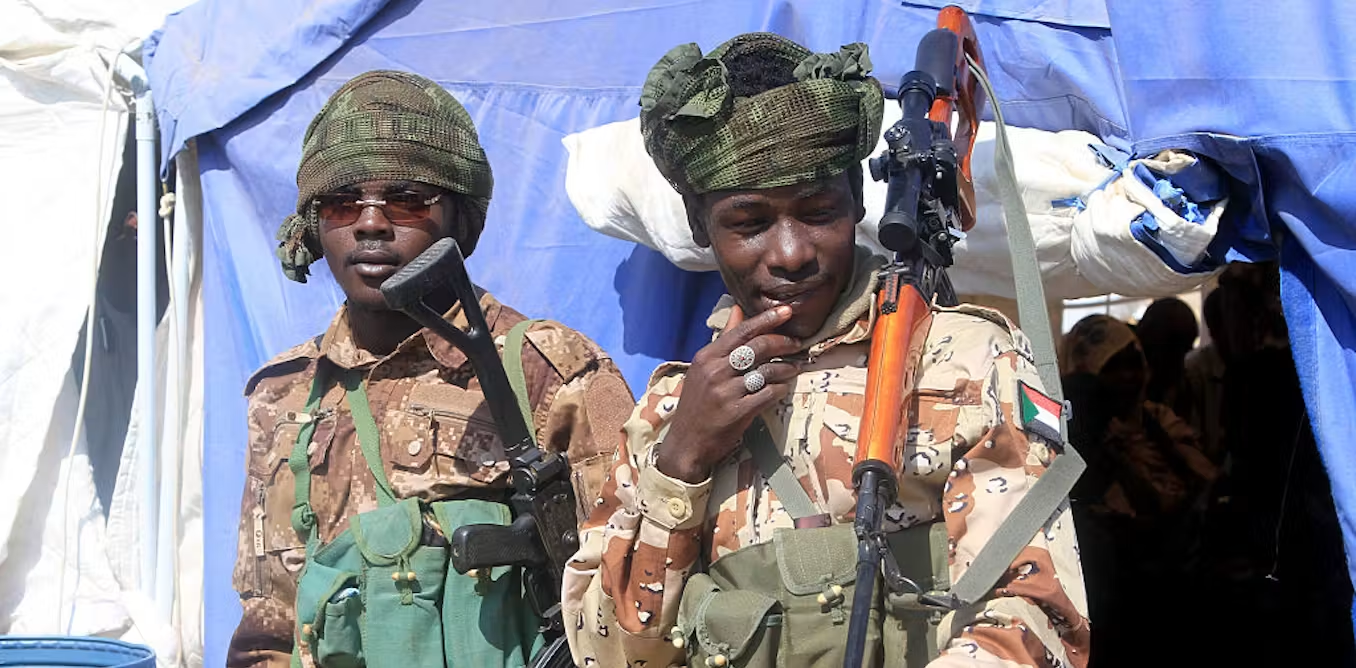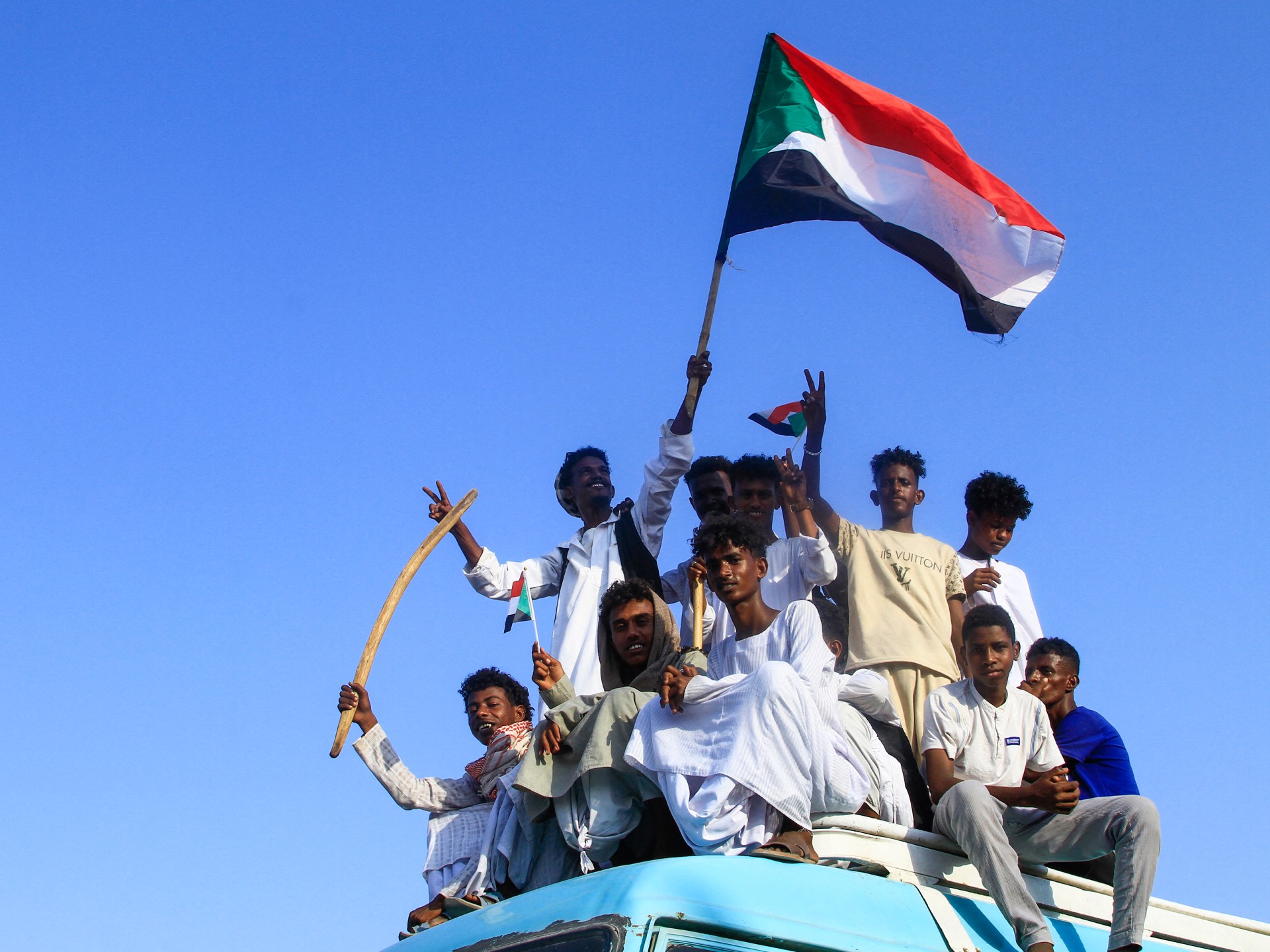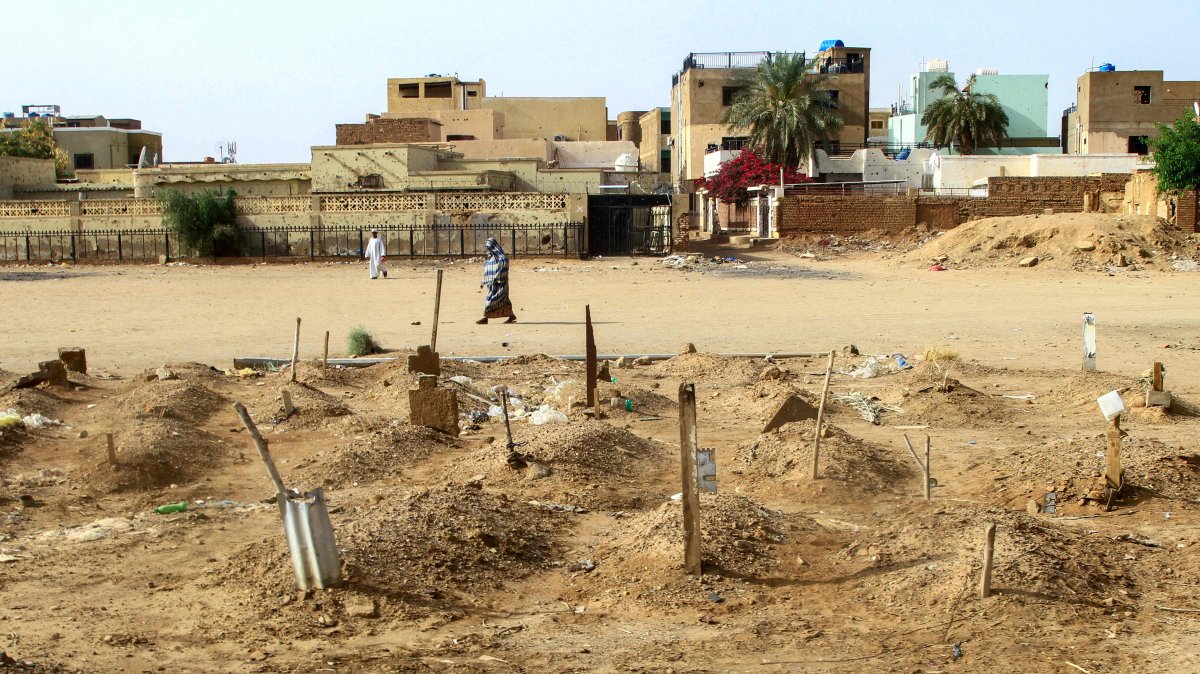
The clashes that began in Khartoum on April 15, 2023, are already in their fourth year, having left behind a devastated country. Initially presented as a simple power struggle between two generals, this crisis has evolved into a multi-layered proxy war where state capacity has largely eroded, social fabric has been shattered, with regional and global actors directly involved.
The fact that the conflict in Sudan has remained unresolved for over three years is not merely a result of the deadlock caused by military balances on the ground. This situation is a direct consequence of the structural inaction of the international system, the hypocrisy of Western powers aligned with their financial interests and the perception of regional actors, who view Sudan as a geopolitical battleground.
The international community’s indifference to the crimes committed by the Rapid Support Forces (RSF) militias in Sudan over the past three years stands as the most concrete evidence of the failure of global conscience and multilateral mechanisms. Sudan, sidelined in the shadow of other geopolitical crises centered on Ukraine, Gaza and the war in Iran, is effectively being treated as a "forgotten war," despite being designated by the United Nations as the world’s largest humanitarian and displacement crisis.