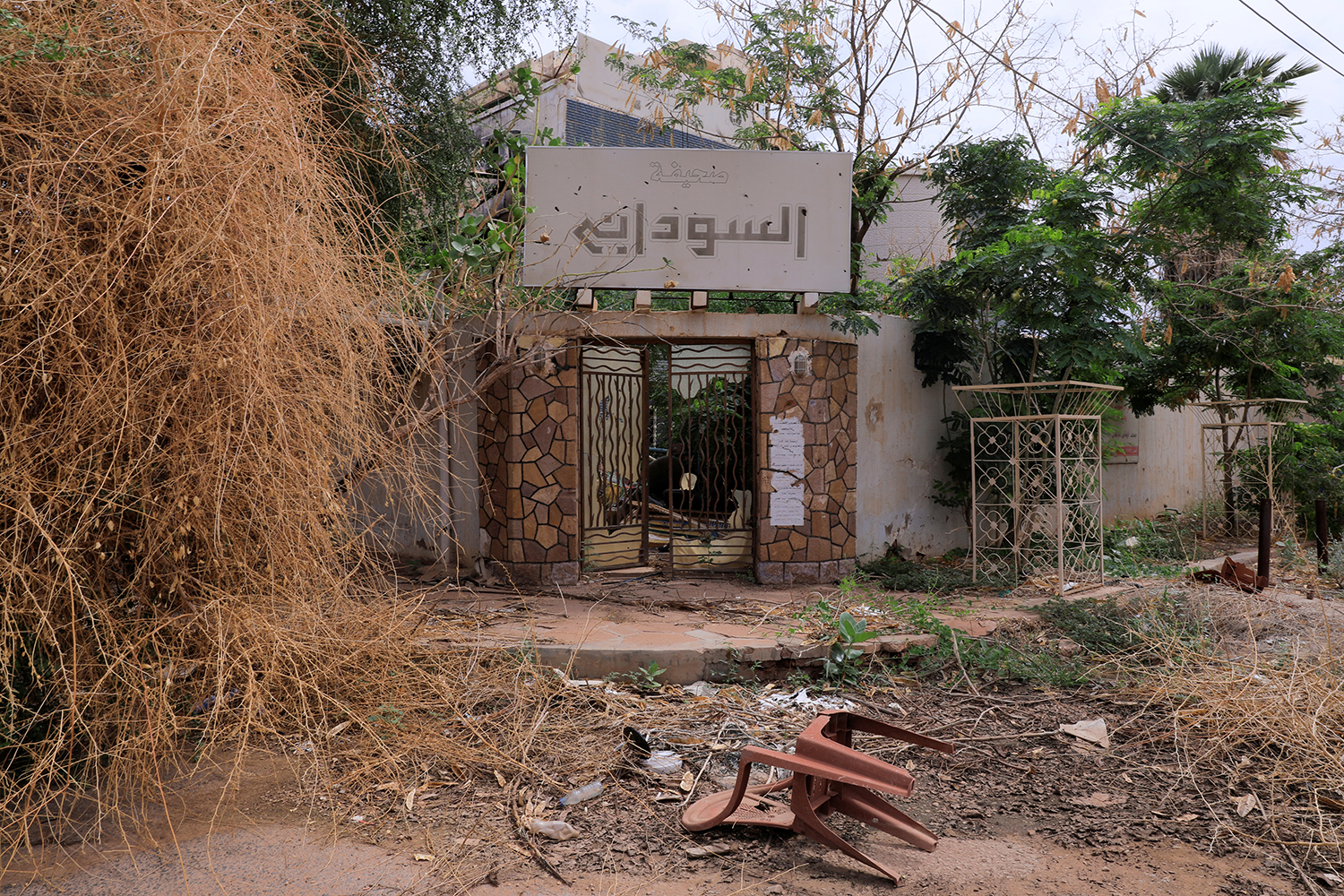
As Sudan enters its fourth year of conflict, the warring parties appear to be as set as ever on military victory.
A tentative peace process led by the Quad (made up of the United States, Egypt, Saudi Arabia, and the United Arab Emirates) is focusing on pressuring the Sudanese Armed Forces (SAF) and the Rapid Support Forces (RSF) to accept a ceasefire applying to all combatants. The commendable aim is to stabilize the battlefield long enough to allow humanitarian aid to reach affected populations and minimize direct civilian harm. Perhaps it also may serve as the beginning of a more robust peace process. But to do so, this effort must begin to rebuild trust among the warring parties that their opponents will (or are required to) abide by agreements they sign.
The Quad can help rebuild this trust by independently monitoring and credibly verifying compliance with a ceasefire agreement. Arguably the most successful example of such a mechanism is Sudan’s own Joint Monitoring Mission (JMM) of the Nuba Mountains Ceasefire Agreement (signed in 2002), which successfully sustained a tenuous ceasefire between the SAF and then rebel Sudan People’s Liberation Army (SPLA) from 2002 to 2005, until a peace agreement was signed and a United Nations peacekeeping mission replaced the monitoring group.