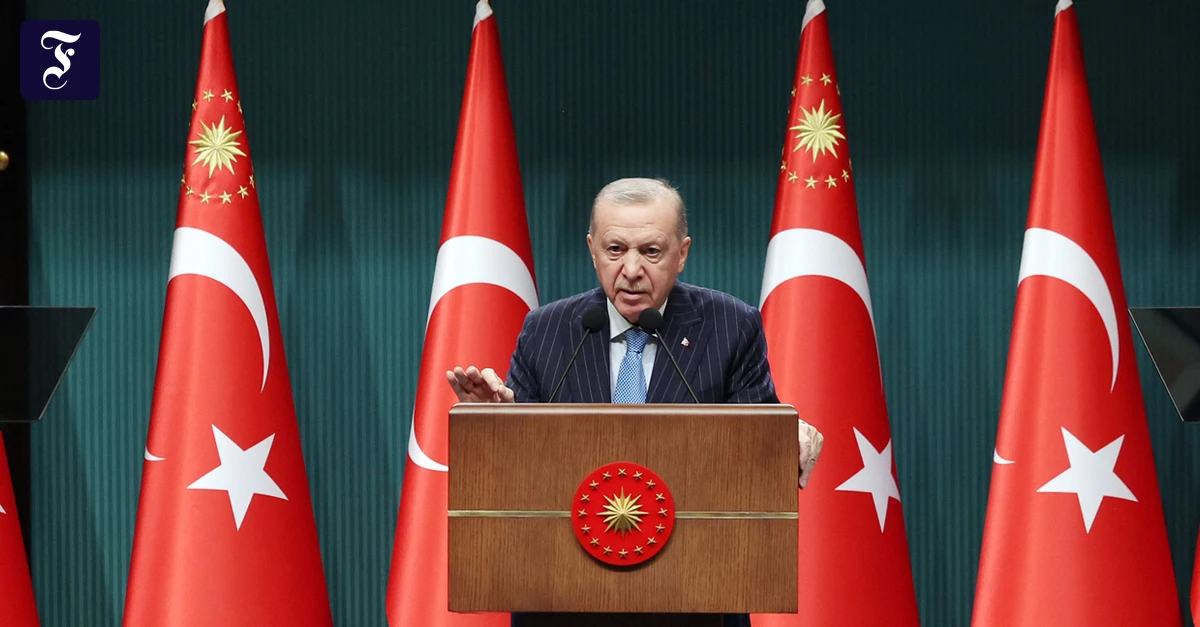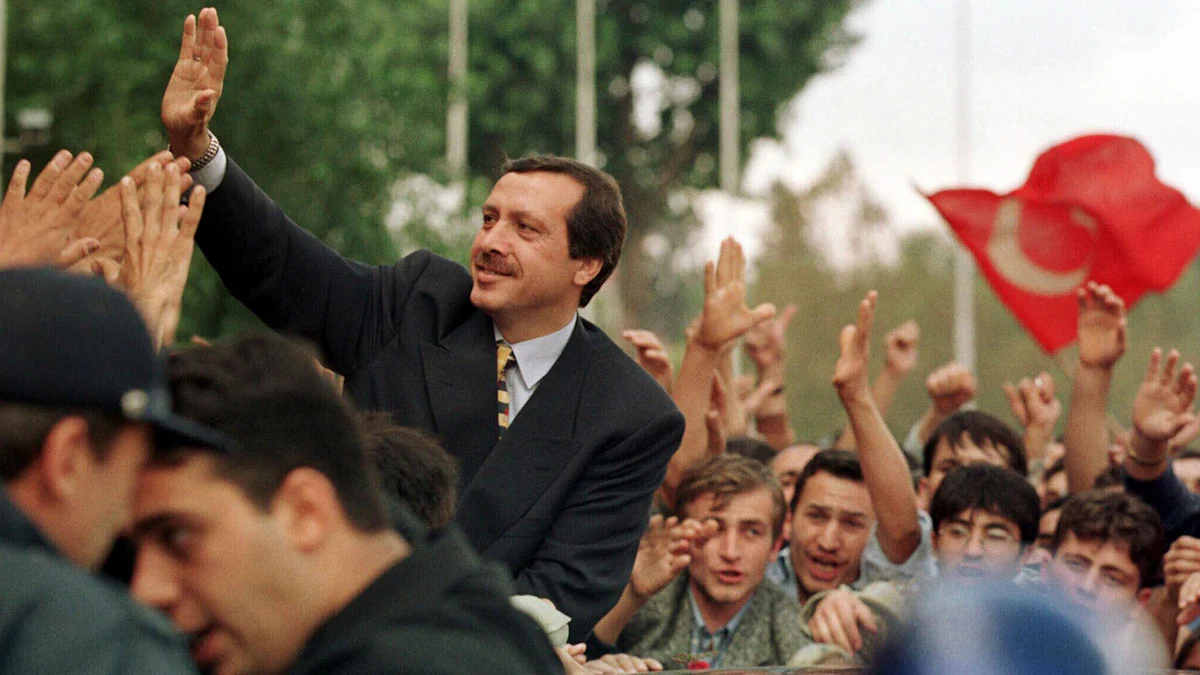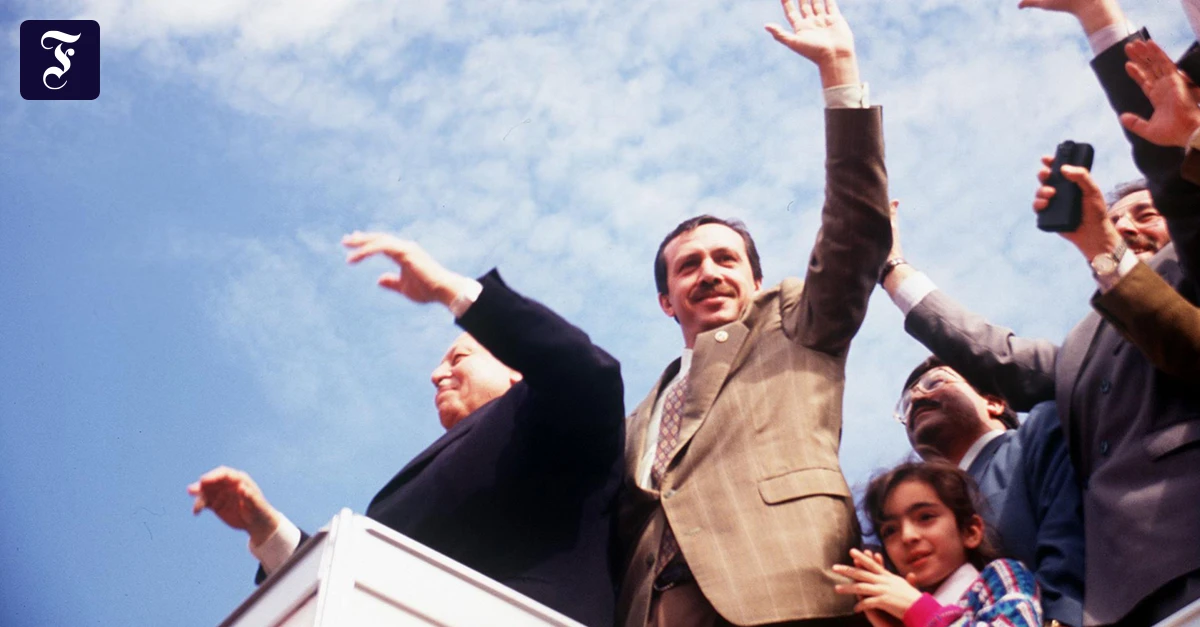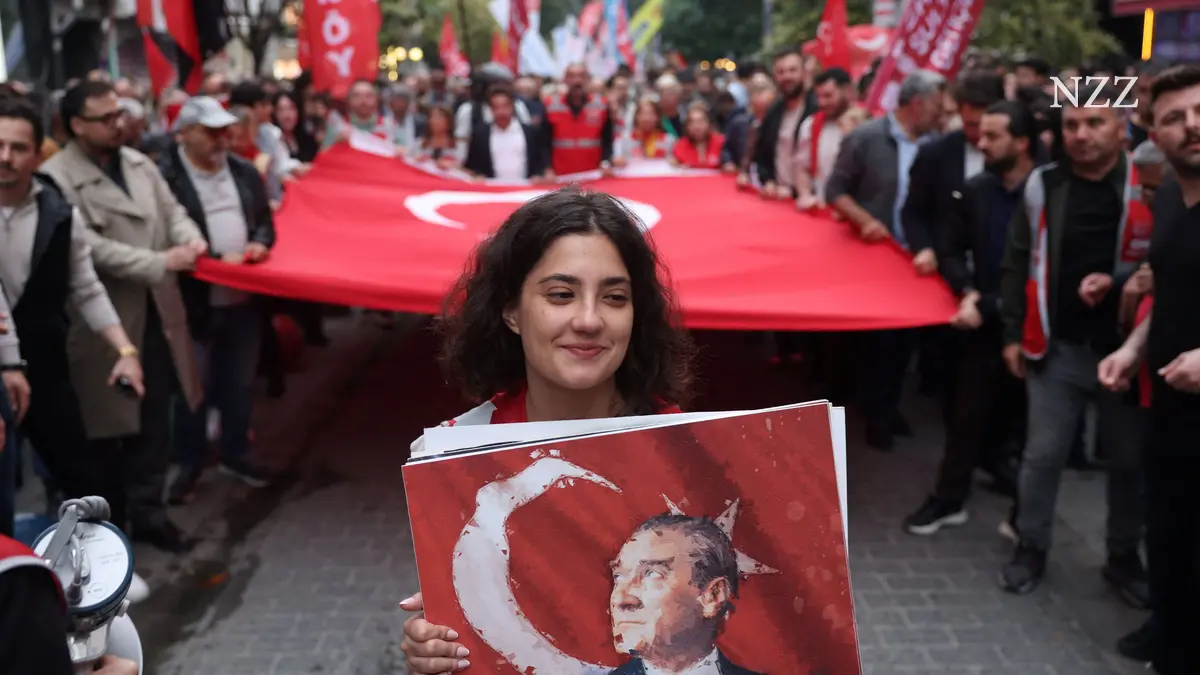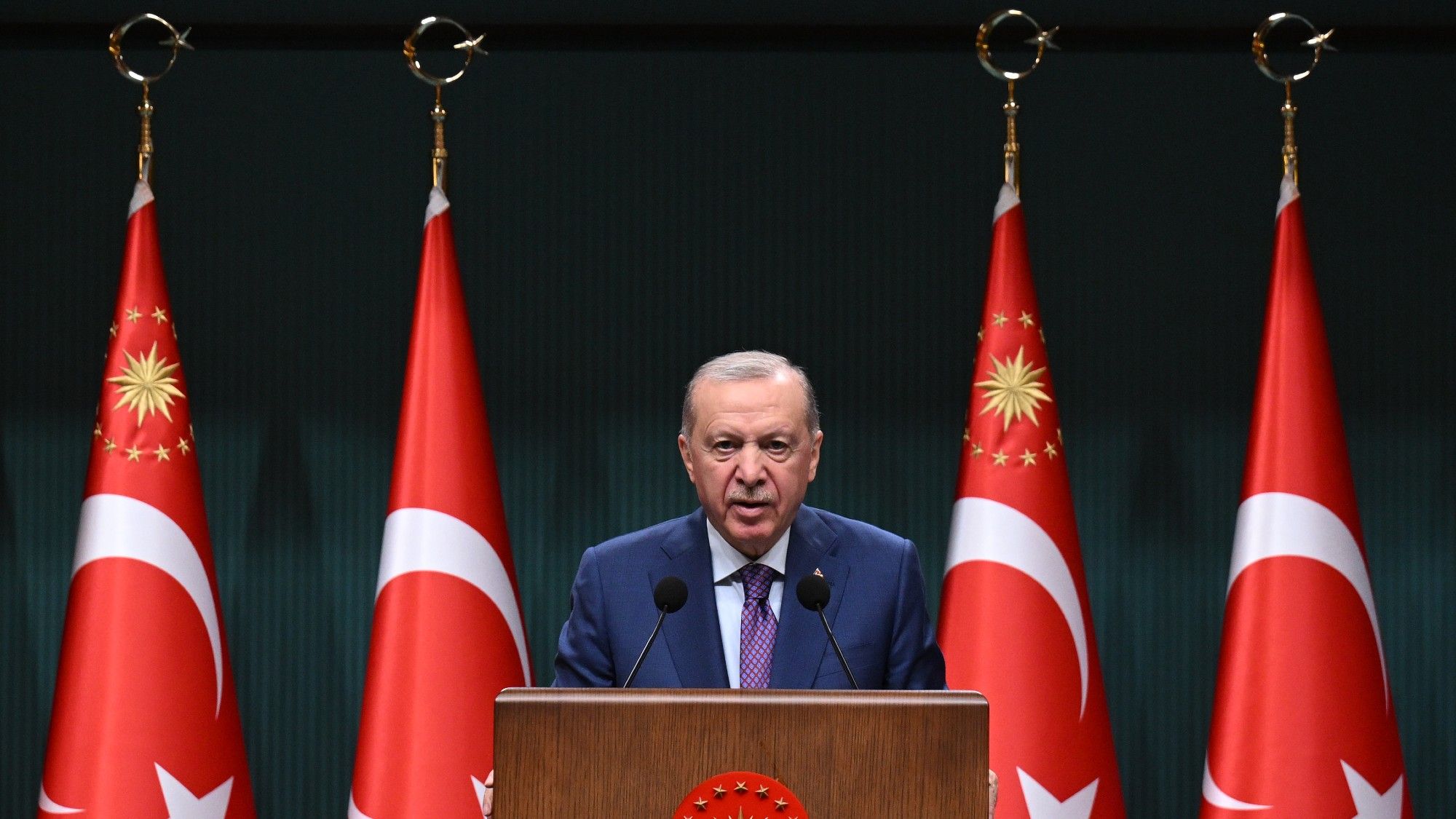
I share a personal story with German historian Stefan Ihrig, author of the biography on Turkish President Recep Tayyip Erdogan, “Erdogan: The Story,” which was released earlier this month in Greek and will soon be coming out in English. This took place in 2012 at a village near the central Anatolian city of Konya, where I was speaking to a very nice Turkish man, Habib, who was telling me his opinion of Kemal Ataturk, the founder of modern-day Turkey. “Kemal was great,” he said. “But what did he leave us with? A tiny Turkey.”
I see Ihrig on my computer screen shaking his head as he listens. “There is a stream coming from this kind of Islamist thinking that the Kemalists and Ataturk made a mistake when they agreed to the current borders at Lausanne. There is a territorial dimension to all of that, so it’s a question of how serious we actually take it,” he says.
“There is also a cultural opposition to the kind of hyper-secularism of the Turkish Republic that the Kemalists introduced. Erdogan has fallen much more in line with traditional Turkish nationalist thinking; he has restored a lot of Ottoman monuments and places and has strengthened awareness of this cultural heritage, where Ataturk and his followers wanted to cut off the new Turkish state from this kind of imperial tradition,” he adds.