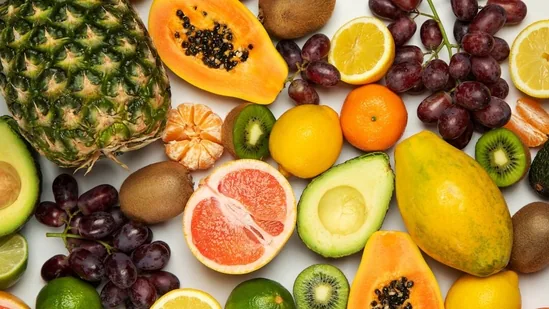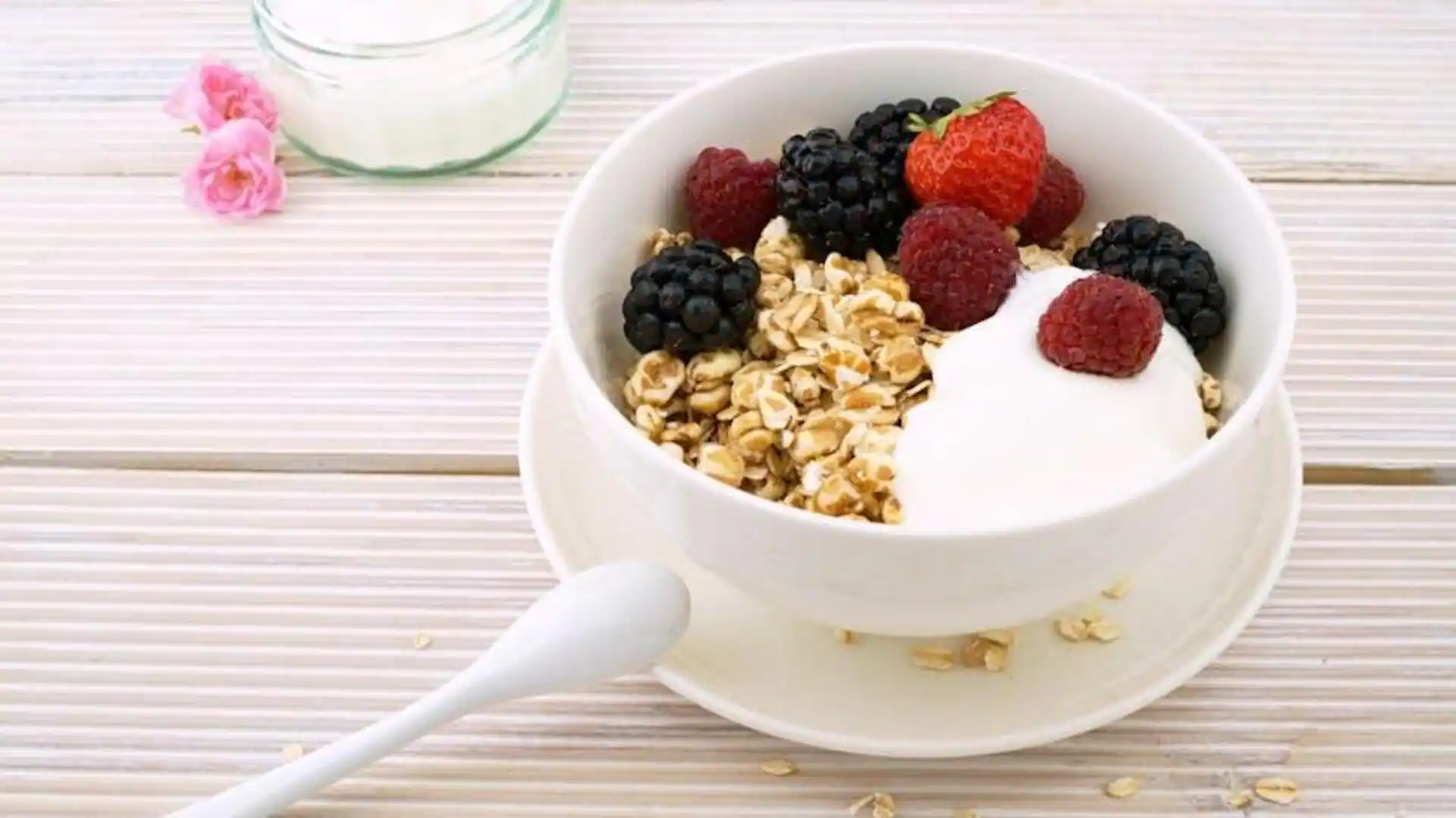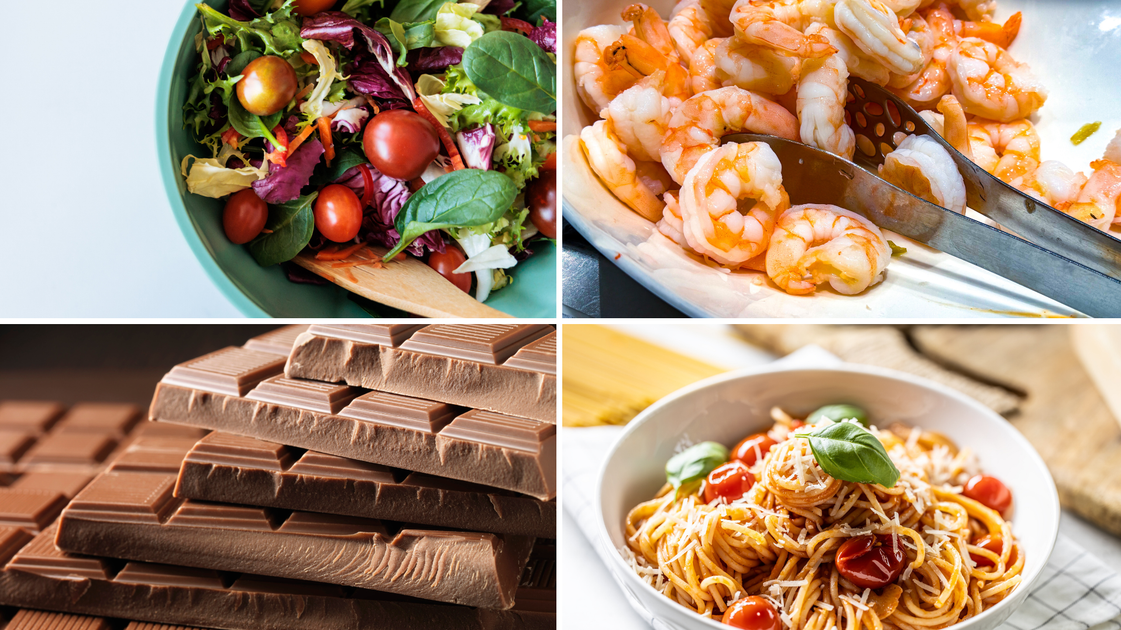
Even if you’re a health novice, you probably know that gut health impacts just about everything. In addition to digestion, gut health affects mood, immune health and even your risk of developing a chronic illness. When it comes to supporting your gut, what you eat matters — but so does the order you eat different foods. While you may think food order doesn’t matter because everything is going to comingle in your stomach anyway, gastroenterologists we talked to said that there are some benefits to paying attention to food order. We talked to four gastroenterologists and they all recommended the same exact food order for eating for better gut health.The Best Food Order For Gut Health1. Eat fiber-rich foods first.Dr. Asma Khapra, a gastroenterologist with Gastro Health, told HuffPost that there is limited research on food order and gut health. But there’s no shortage of scientific evidence showing the importance of fiber for gut health, and it’s a nutrient the vast majority of Americans don’t get enough of. It’s so important that all four G.I. docs recommended eating fiber-rich foods first. That way, you don’t fill up before you get a chance to eat them.Cicy via Getty Images“There’s a reason why salad is often served first in a coursed meal. You want to get that roughage first,” said Dr. Scott Lippe.“Fiber is the cornerstone of gut health nutrition,” said Dr. Zarema Singson, a gastroenterologist with Gastroenterology Consultants of San Antonio and GI Alliance. She explained that fiber serves as fuel for beneficial gut bacteria, which ferment the fiber to produce short-chain fatty acids. “These SCFAs strengthen the intestinal barrier,” she said.Examples of fiber-rich foods include fruits, vegetables, whole grains, beans, legumes, nuts and seeds. “There’s a reason why salad is often served first in a coursed meal. You want to get that roughage first, followed by heavier foods and then sugary dessert last. Eating this way decreases a sugar spike so you don’t feel too tired after eating,” said Dr. Scott Lippe, a gastroenterologist with Hackensack Meridian Pascack Valley Medical Center. Singson explained that this is important because when blood sugar is consistently unsteady or high, it can cause inflammation in the gut. She added that there’s also a link between unstable blood sugar and a decreased amount of good bacteria in the gut.Khapra and Singson both shared that foods high in fiber are also typically high in polyphenols, powerful antioxidants that help protect the body from chronic inflammation, which, in turn, helps protect against chronic diseases. “These compounds enhance the intestinal barrier and have anti-inflammatory properties that support overall gut health,” Singson said.There’s another reason why eating fiber-rich foods first is best for gut health. Dr. Neelima Reddy, a gastroenterologist with Gastroenterology Associates and GI Alliance, told HuffPost that it’s best to eat foods that are hardest to digest first, and this includes high-fiber raw vegetables. She explained that this is a basic principle of Ayurveda, a traditional Indian medical system that serves as a holistic approach to health. Reddy explained that eating the hardest-to-digest foods first optimizes digestion, stabilizes blood sugar and helps promote satiety.2. Prioritize protein and healthy fats next.After eating the fiber-rich foods on your plate, all four G.I. docs recommend eating the parts of your meal that are high in protein or healthy fats. This includes plant-based proteins (which are also high in fiber), seafood, meat, eggs and dairy.Barry Winiker via Getty ImagesEating protein second can help maintain steady blood sugar levels.Singson explained that unsaturated fats (found in seafood, olive oil, nuts and seeds) strengthen the gut lining and also increase the amount of good bacteria in the gut. As for protein, she said that this nutrient helps repair the lining of the small intestine and strengthens the connection between its cells. She added that both nutrients also help delay gastric emptying, which helps keep blood sugar levels steady. As explained earlier, this helps reduce inflammation in the gut.Reddy also pointed out that after fiber-rich raw vegetables, protein- and fat-based foods are the hardest foods to digest, which is another reason why they should be eaten next. 3. Save simple carbohydrates for third.While foods that are complex carbohydrates (like whole grains, legumes and starchy vegetables) fall into the high-fiber category, simple carbs (like white bread, pasta and pastries) are lower in nutrient density. Because of this, all four doctors say they should come next on the food-order-for-gut-health list. SimpleImages via Getty ImagesPlate with spaghetti in tomato sauce, parmesan cheese and basil.Khapra and Singson both explained that eating foods like bread, pasta and pastries first can spike blood sugar, which can then negatively impact the gut. Khapra also said that carbohydrates aren’t as beneficial to the gut as fiber, protein and healthy fats, so it’s best not to fill up on carb-based foods before you get a chance to eat more gut-nourishing foods.Reddy said that simple carbs are also easier for the body to digest than foods high in fiber, protein or fat. So eating them third fits within Ayurvedic eating guidelines as well.4. Eat fried foods or sweets last. All four doctors said that anything ultra-processed (including fried foods) or high in sugar should be eaten last because they are least beneficial for gut health. In fact, all of them said that these types of foods actually decrease the amount of good bacteria in the gut, which is the opposite of what you want.Connect Images/Diana Miller via Getty ImagesIf you fill up on the veggies and protein-based parts of your meal before eating sweets, your gut health won’t suffer as a consequence. “Ultra-processed foods represent the most problematic category for gut health. These foods — characterized by industrial formulations containing additives, emulsifiers, artificial sweeteners and little whole food content — are associated with gut imbalances, increased intestinal permeability and chronic low-grade inflammation,” Singson said. Remember how Lippe pointed out that it makes sense health-wise that salad courses are served first? He told HuffPost that the same logic applies when it comes to dessert. It’s the least nutritious part of the meal, and it’s also served last. So if you filled up on the veggies and protein-based parts of your meal, your gut health won’t suffer as a consequence. Saving sweets for last is the only time when eating in order of nutrient-rich foods varies from Ayurvedic principles, Reddy said. “Sweets can also be hard to digest, so in Ayurveda, it’s recommended to eat them up first, before the main meal,” she explained. With this in mind, she recommended paying attention to what makes you feel your best. If you know that you want something sweet as part of your meal, but saving it last makes you feel bloated later, go ahead and have it first. Just don’t eat so much that you don’t save room for the more nutrient-rich parts of your meal.Certainly, meals aren’t only about nourishing the body. Meals are also meant to be enjoyed. With this in mind, these guidelines don’t mean you should always skip over the bread basket until you’ve eaten your main course, or that you need to save your French fries until after eating all the veggies on your plate. But if you want to eat in a way that supports your gut health, it’s beneficial to follow this sequence at least most of the time.
There's A 'Right Order' To Eat Your Food, According To Gastro Doctors — And It Can Boost Your Health
Hint: There’s a reason why the first course served is typically a salad.
1,218 words~6 min read