This article was produced with the support of African Development Bank
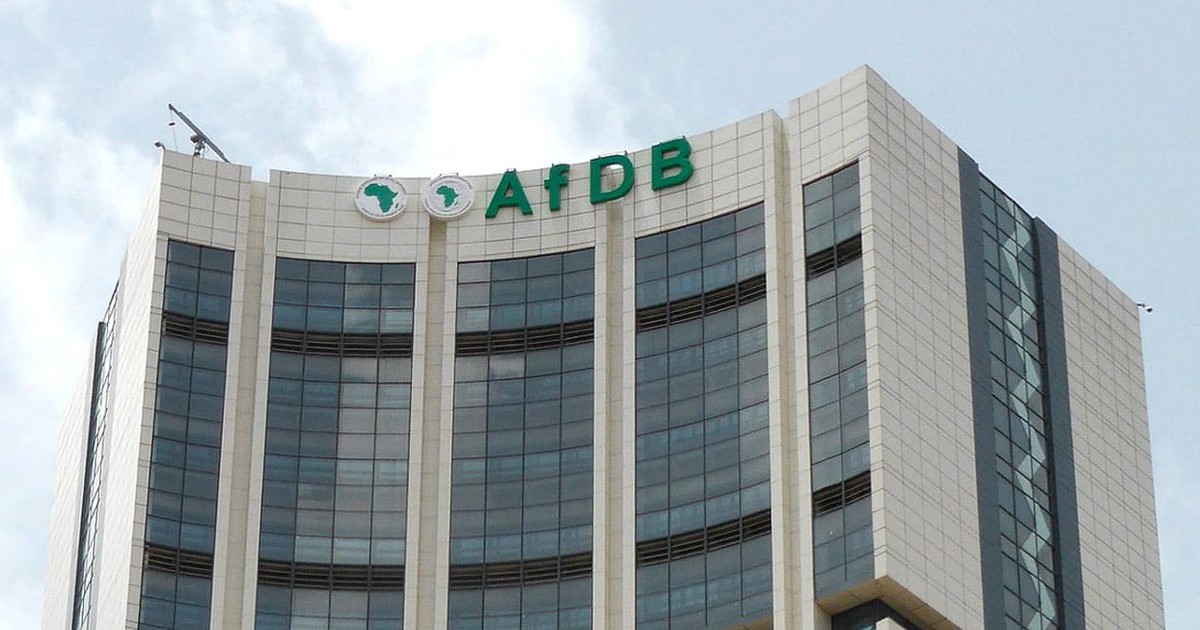
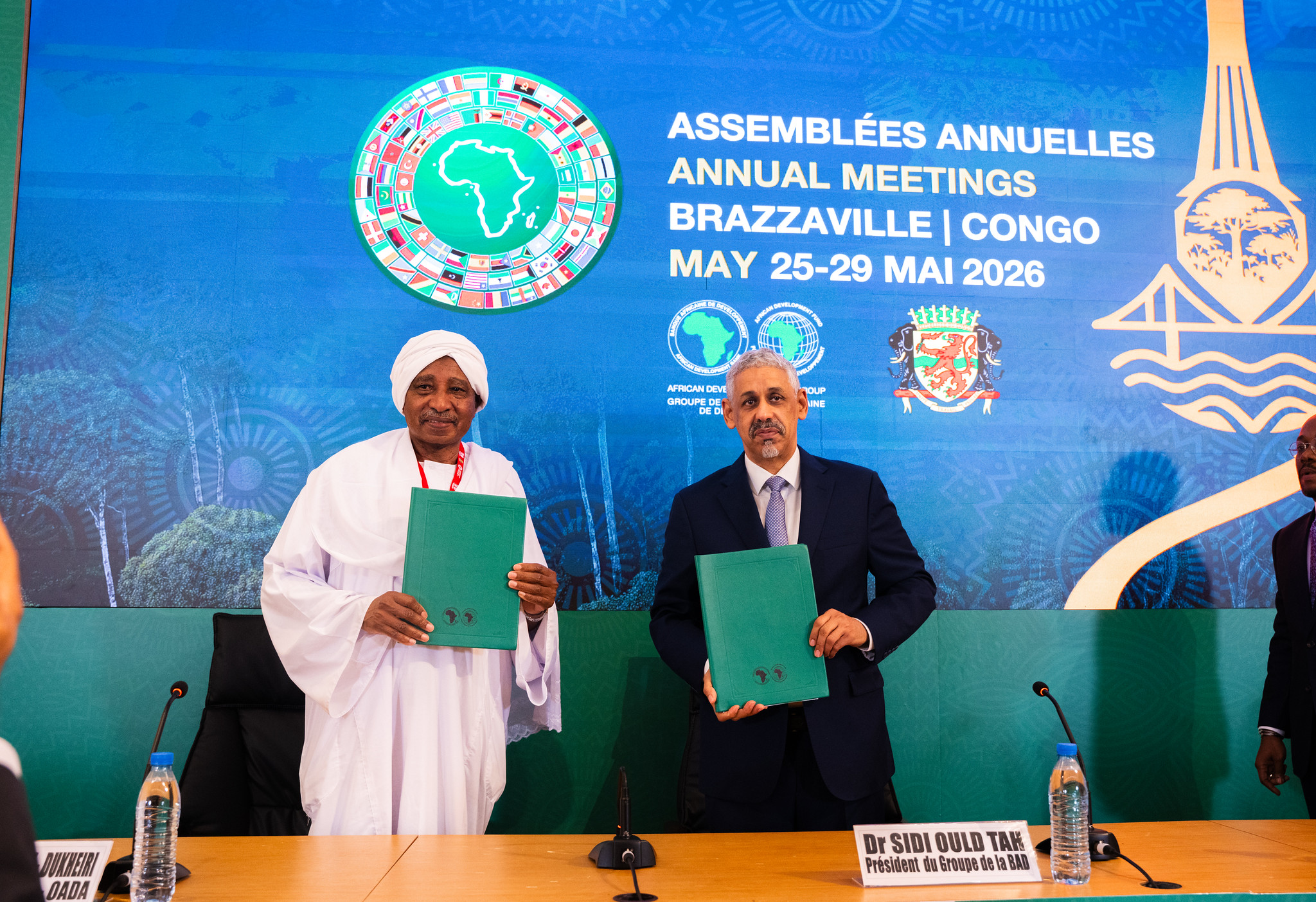
It has become de rigueur for speakers at Africa-focussed events to preface their comments with the observation that so much has changed in the global situation that African countries can no longer rely on the same partners or the same playbooks that they have for much of the post-independence era. This week, as shareholders, government leaders and various shareholders gather in Brazzaville, Congo, for the annual general meetings of the African Development Bank, observers will be looking to see what signals the continent’s preeminent development institution will be sending and what that means for its transformation agenda.
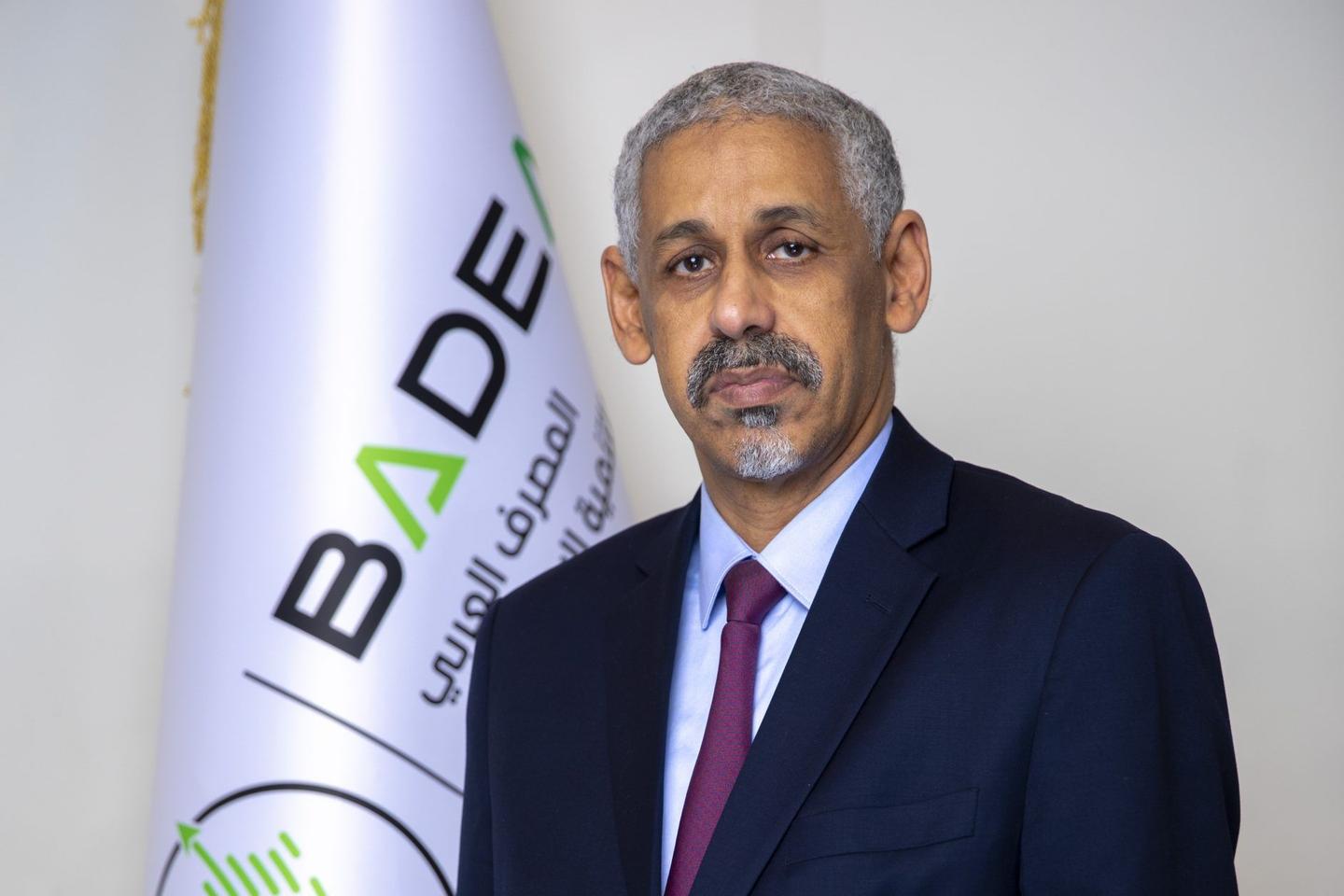
This year’s meetings will be the first since Dr Sidi Ould Tah took over as president of the bank. A former minister in his native Mauritania who led the Arab Bank for Economic Development in Africa (BADEA) prior to his election, Tah campaigned on a campaign based on “4 Cardinal Points,” namely enhancing access to capital, reforming African and global financial systems, harnessing the continent’s demographic advantage and building climate-resilient infrastructure.
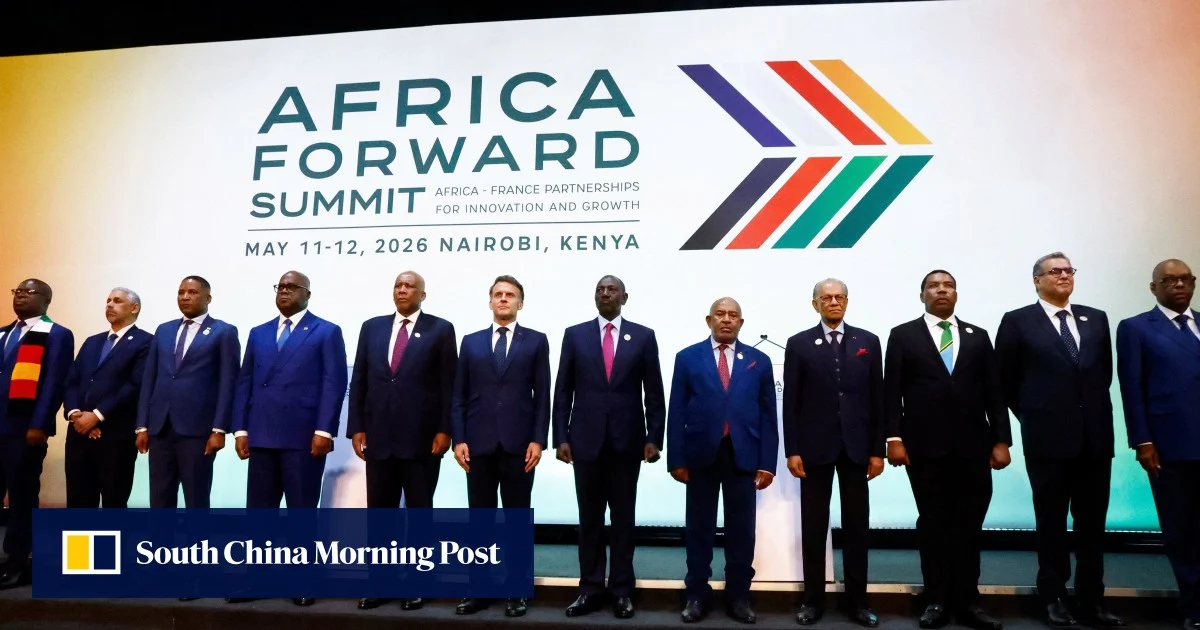
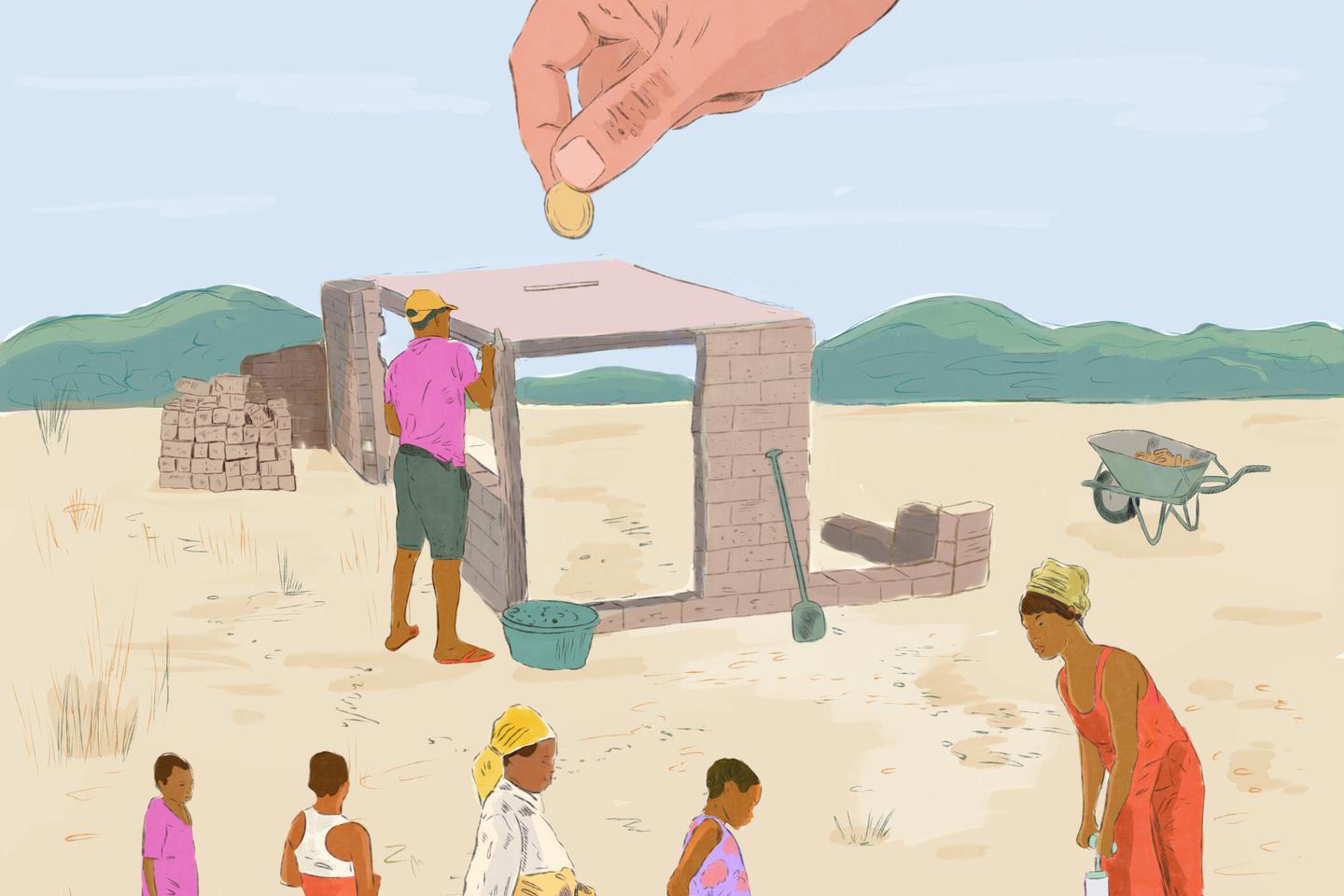
The meetings will provide an opportunity for Tah to procure a buy-in from his board of governors for his ambitious agenda. He has momentum on his side. At the Africa Forward Summit in Kenya earlier this month, Tah secured backing from African leaders for New African Financial Architecture for Development, a new coordination framework that the bank is championing. The bank says NAFAD will help mobilise and direct some of the $4 trillion in domestic savings held in Africa to close the $400bn in annual development financing that the continent needs. At a meeting convened in April at its headquarters with key players from African finance, it was noted that, currently, Africa is a net exporter of capital, with many of its reserves sitting outside the continent. NAFAD will aim to make African capital work for Africa, through better harmonisation, organisation, and regulation, alongside the necessary vehicles through which to channel this capital. The Bank aims to be the coordinating and in some cases the implementing arm.