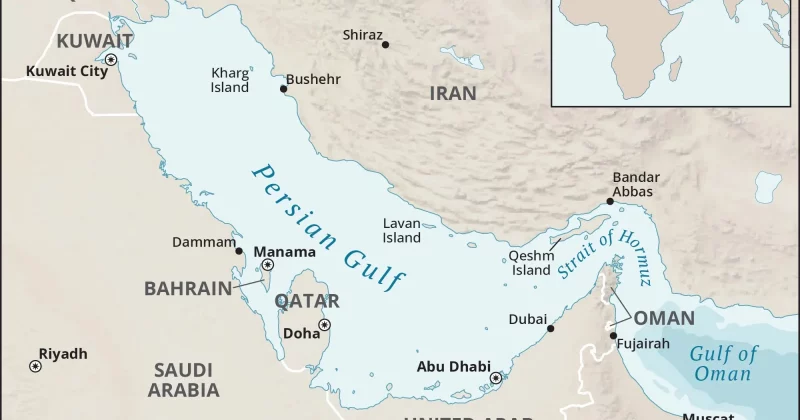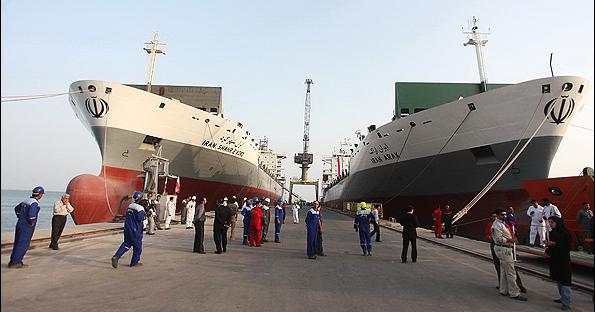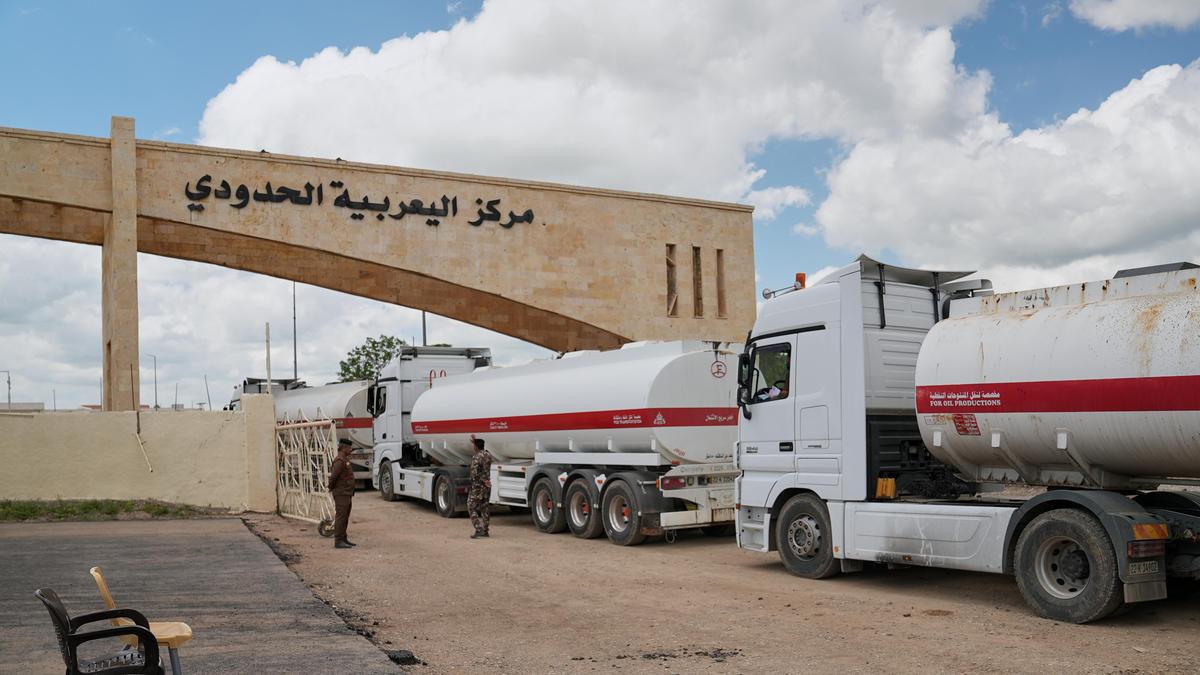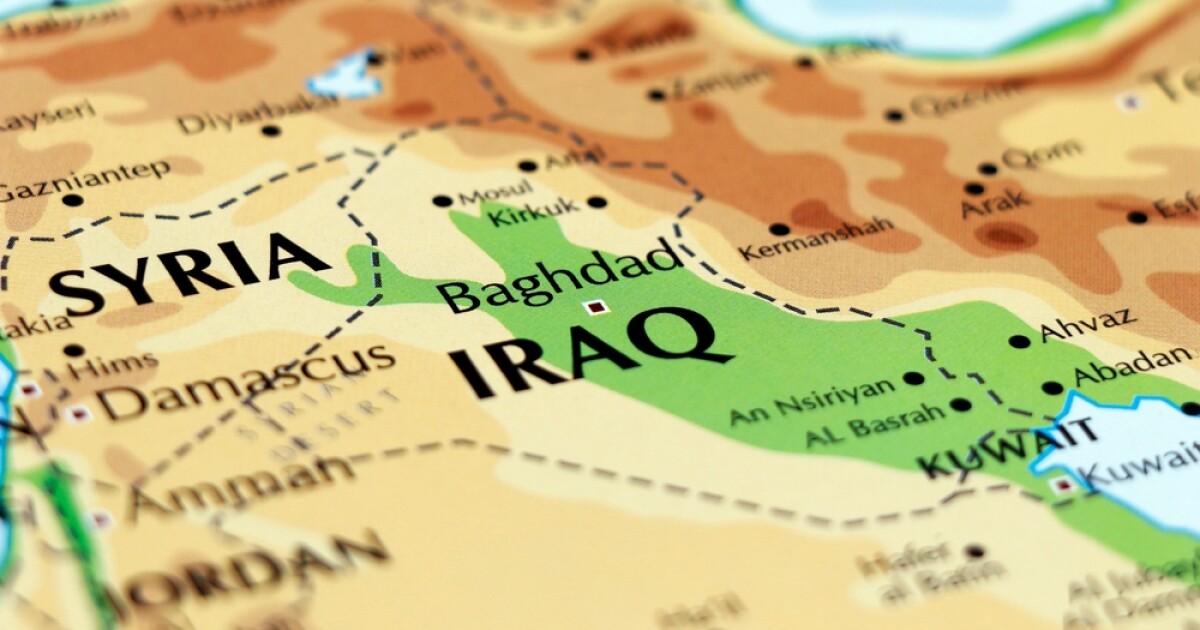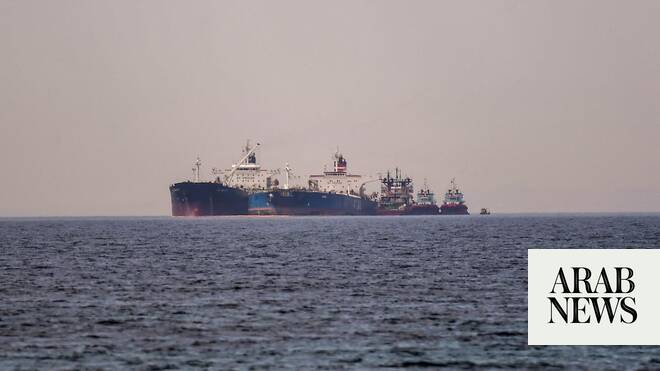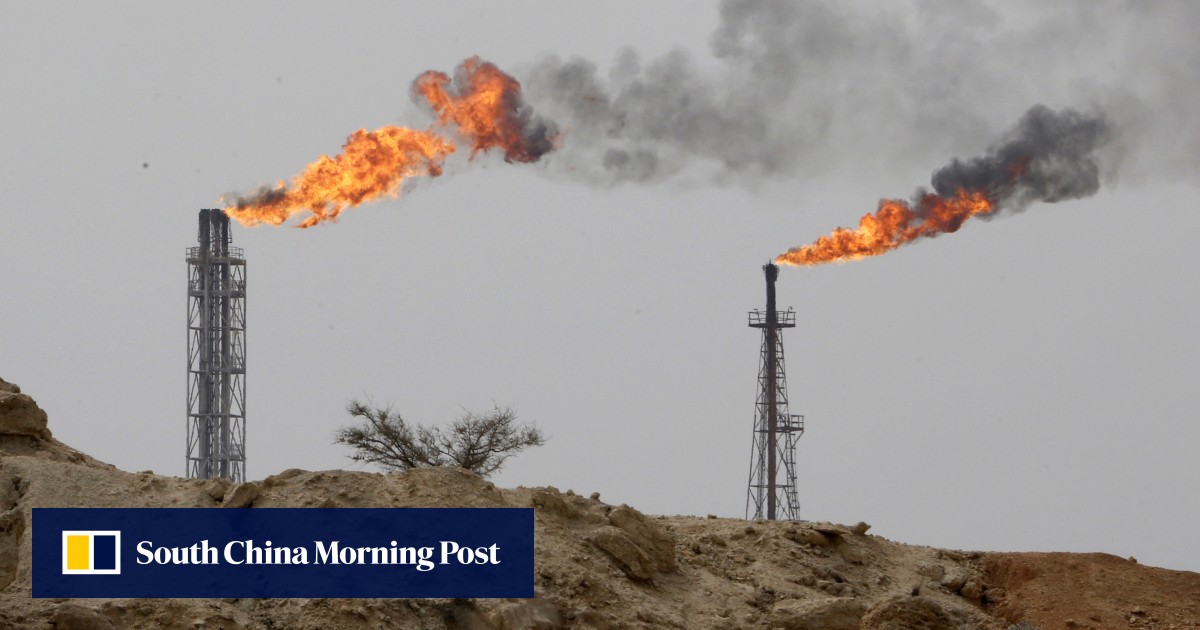
Iraq’s Deputy Minister of Oil, Ali Maarij Al-Bahadly, along with many other individuals and businesses, was last week included by the U.S. Treasury Department’s Office of Foreign Assets Control (OFAC) in sanctions targeting the exploitation of Iraq’s oil sector to benefit Iran and Iran-aligned militias. These moves by OFAC are part of a ramping up of pressure on Iraqi entities that continue to deal with Iran, effectively bankrolling its current regime and the activities of its military, political, religious, and terrorist proxies. “Like a rogue gang, the Iranian regime is pillaging resources that rightfully belong to the Iraqi people,” said U.S. Secretary of the Treasury, Scott Bessent. “And the Treasury will not stand idly by as Iran’s military exploits Iraqi oil to fund terrorism against the United States and our partners,” he added. Much more of this is likely to follow, with major ramifications for the global oil market.This most recent action by the U.S. highlighted that Maarij had used his official positions, including as head of the Iraqi parliament’s oil and gas committee and subsequently within the Ministry of Oil, to facilitate the diversion of Iraqi oil products for the benefit of oil smuggler Salim Ahmed Said and Iran-backed militia Asa’ib Ahl Al-Haq. OFAC alleged that Maarij authorised the trucking of several million dollars’ worth of oil per day from the Qayara Oil Field to VS Oil Terminal FZE (VS Oil) in Khor al Zubair for export, where Iranian oil was allegedly mixed with Iraqi oil before being shipped to market. As underlined by the OFAC documents, this latest sanctions package on Iraq is part of the Treasury Department’s effort to maintain maximum pressure on Iran and target the regime’s ability to generate, move, and repatriate funds. Crucially, given the recent meeting between U.S. President Donald Trump and his Chinese counterpart Xi Jinping, OFAC made it clear that the Treasury is also prepared to impose secondary sanctions on foreign financial institutions that facilitate Iran’s activities, including those connected to China’s independent oil refineries.Related: Malaysia Secures Fuel Supply Through End of JulyThis is a marked turnaround in posture from the decades when a succession of U.S. administrations allowed internationally-sanctioned Iran to use non-internationally-sanctioned Iraq for years as a front through which it could move whatever it wanted, wherever it wished, whenever it desired. This included its sanctioned oil and gas, sanctioned funds, and sanctioned goods and people, as analysed in full in my latest book on the new global oil market order. The process of disguising Iranian oil as Iraqi oil -- whether for transport over land by truck or by sea by tanker -- was made even easier by the shared oil reservoirs straddling Iran and Iraq, making it impossible to determine from which side non-sanctioned ‘Iraqi oil’ was taken.Once at the ports and ready for loading onto tankers, the documentation on the country of origin of the oil was easily changed to show that it came from Iraq and not Iran. Iran’s own former Petroleum Minister, Bijan Zanganeh, highlighted that very practice when he said in 2020: “What we export is not under Iran’s name -- the documents are changed over and over, as well as [the] specifications.” Once onboard the tankers, the obfuscation of the true source of the oil could continue, with another reliable sanctions side-stepping technique being the disabling of the ‘automatic identification system’ on ships that carry Iranian oil. This made tracking such vessels much more difficult. Compounding this – particularly useful for oil being moved to China -- was the common practice of at-sea or just-outside-port transfers of Iranian oil onto tankers flying the flags of a local Asian country, with Malaysia and Indonesia having long been favoured by Iran and Iraq in this regard, as also detailed in my latest book. So well-developed and effective did these methods become that they were a matter of great national pride for Iran, with its then-Foreign Minister, Mohammad Zarif, stating in December 2018 at the Doha Forum that: “If there is an art that we have perfected in Iran, [that] we can teach to others for a price, it is the art of evading sanctions.”Another result of the U.S. and its allies targeting this chain of obfuscation is to keep the further development of Iraq’s huge oil and gas deposits in the hands of Western firms rather than those from China and Russia. The political reasoning for this is that Washington wants to keep limiting the foreign energy sources that Beijing can draw on to keep fuelling its economic growth, given the dearth of its own oil and gas reserves. China stepped up its oil and gas developments in several major oil and gas deposits -- including Iraq and Iran -- after the U.S.’s unilateral withdrawal from the ‘Joint Comprehensive Plan of Action’ (JCPOA, or colloquially ‘the nuclear deal’) with Iran in May 2018. Beijing’s and Moscow’s intentions in so doing were exclusively revealed to OilPrice.com some time ago by a very high-ranking official from the Kremlin: “By keeping the West out of energy deals in Iraq, [Russia and China will see] the end of Western hegemony in the Middle East will become the decisive chapter in the West’s final demise.” Beijing used its freer hand in the Middle East after 2018 to dramatically expand its hold on multiple key oil and gas sites across the region, including Iraq. As it stands, more than a third of all Iraq’s proven oil and gas reserves and over two-thirds of its current production are managed by Chinese companies, according to industry figures.That said, denying China and Russia opportunities in Iraq’s major oil and gas developments is not just geopolitically advantageous for the U.S. and its allies. It is also likely to significantly boost Iraq’s oil production, given the technological and operational edge that several leading Western firms still have over their Chinese and Russian counterparts. As also detailed in my latest book on the new global oil market order, the scope for oil output gains in Iraq was made plain back in 2013, in the Integrated National Energy Strategy (INES). This analysed in detail three realistic forward oil production profiles for Iraq and what each would involve. Specifically, the INES’ best-case scenario was for crude oil production capacity to increase to 13 million bpd (at that point, by 2017), peaking at around that level until 2023, and finally gradually declining to around 10 million bpd for a long-sustained period thereafter. The mid-range production scenario was for Iraq to reach 9 million bpd (at that point, by 2020), and the worst-case INES scenario was for production to reach 6 million bpd (at that point, by 2020). These numbers compare to the average Iraqi production of 4-4.2 million bpd before the recent U.S./Israel-Iran conflict broke out. A key component of these gains was the completion of the Common Seawater Supply Project, involving taking and treating seawater from the Persian Gulf and then transporting it via pipelines to oil production facilities to maintain pressure in oil reservoirs. This project is one of four being worked on by French supermajor TotalEnergies right now, as also detailed in my latest book.Finally, the timing of this latest high-profile -- and very personal application of sanctions -- on a senior Iraqi politician by the U.S. is itself a signal to others that the earlier status quo of Washington allowing Baghdad to be Iran’s criminal accomplice is over. Following months of political infighting since Iraq’s 11 November parliamentary elections, erstwhile businessman and now Prime Minister-designate, Ali al-Zaidi, has now seen part of his proposed cabinet approved by the Iraqi parliament. However, ongoing political wrangling is still preventing a complete rollout of a new cabinet, including key posts such as the Minister of Interior and the Minister of Defence. Crucially, from the U.S.’s perspective, he appears to have passed all initial security screenings, at least sufficiently to warrant the tacit backing of President Donald Trump. Following the announcement of al-Zaidi as Prime Minister-designate on 27 April, Trump said: “We wish him success as he works to form a new Government free from terrorism that could deliver a brighter future for Iraq.” He also invited al-Zaidi to visit Washington after forming a government during a phone call in which he personally congratulated him on his nomination. This was in stark contrast to Trump’s threat in January to withdraw Washington's support for Iraq if former Prime Minister Nouri al-Maliki was designated to form a cabinet. If, as now seems more likely than ever, al?Zaidi is successful in forming the full government — or if another figure emerges — the message of zero tolerance on the U.S.’s part for continued assistance by Iraq or Iran is crystal clear.By Simon Watkins for Oilprice.comMore Top Reads From Oilprice.comPakistan Looks to Host Crude Reserve Sites of Gulf Oil ProducersUkraine Hits 300,000-Bpd Gazprom Neft Refinery in Overnight Drone StrikeEuropean Gas Storage Can’t Survive 3 More Months of Hormuz
The Iraq Sanctions Strike That Signals Washington’s New Middle East Playbook | OilPrice.com
Washington is cracking down on long-running Iran-Iraq oil laundering networks while warning foreign banks and Chinese-linked refiners they could also face secondary sanctions.
1,485 words~7 min read