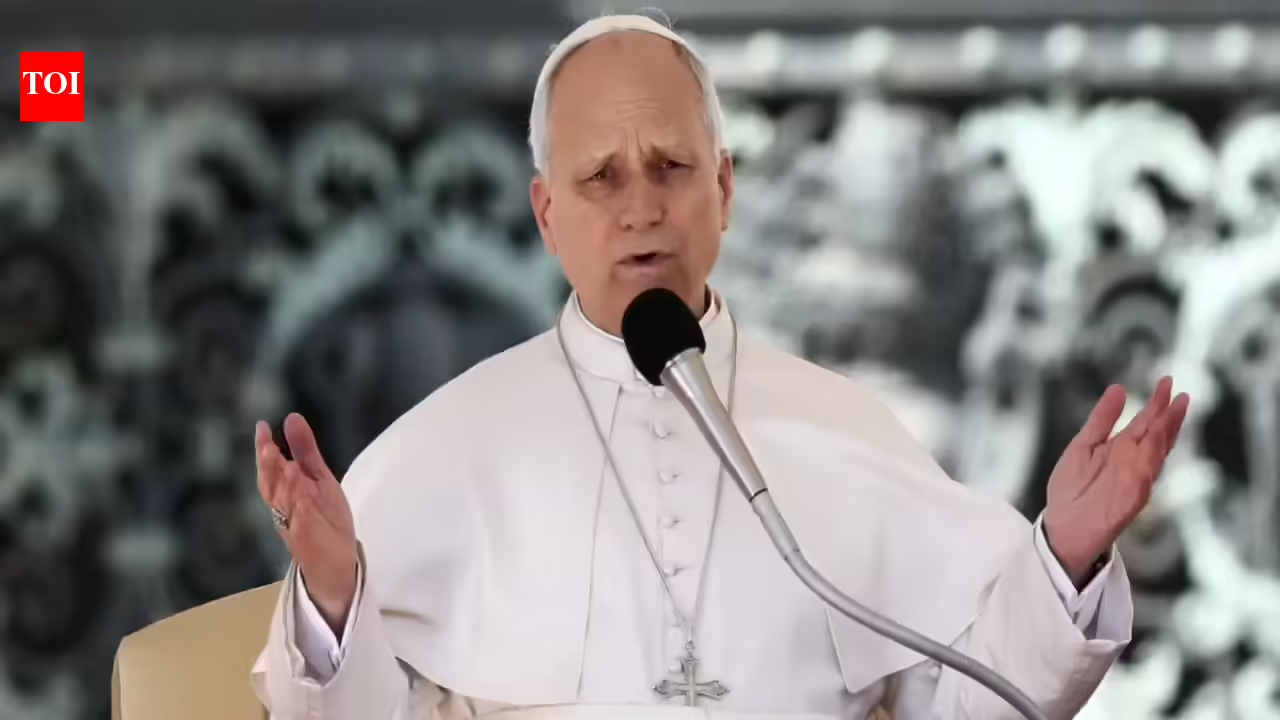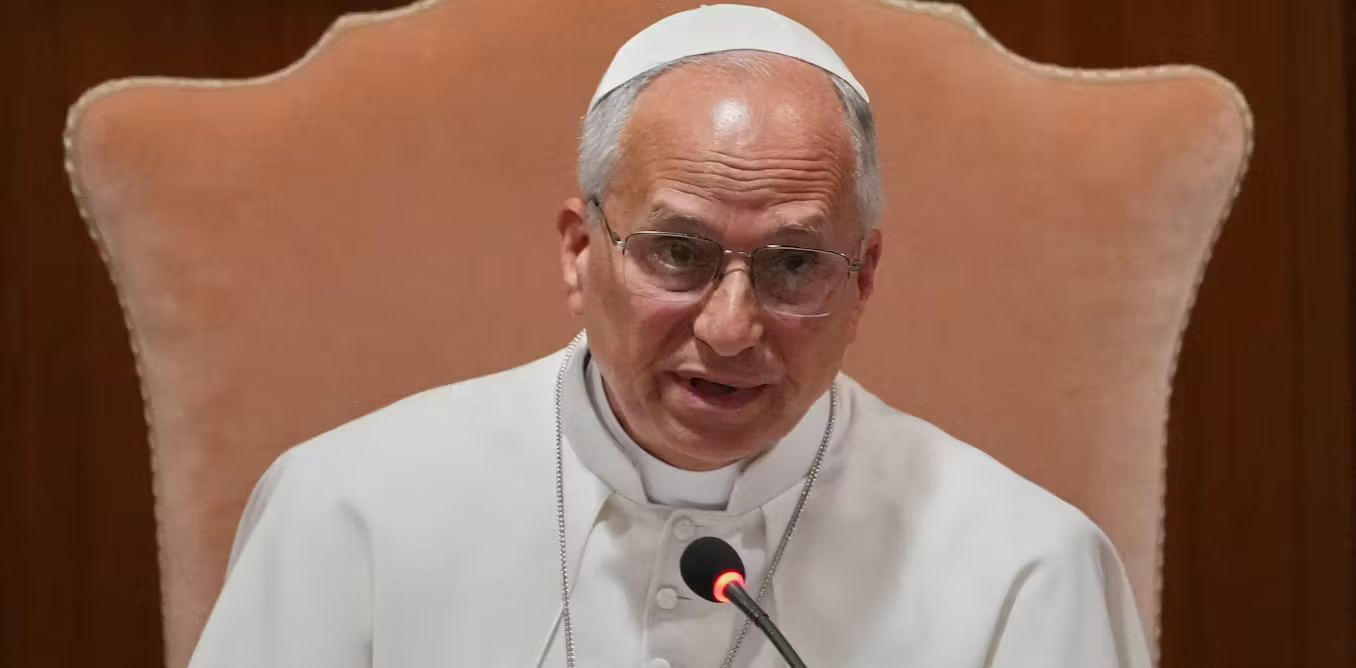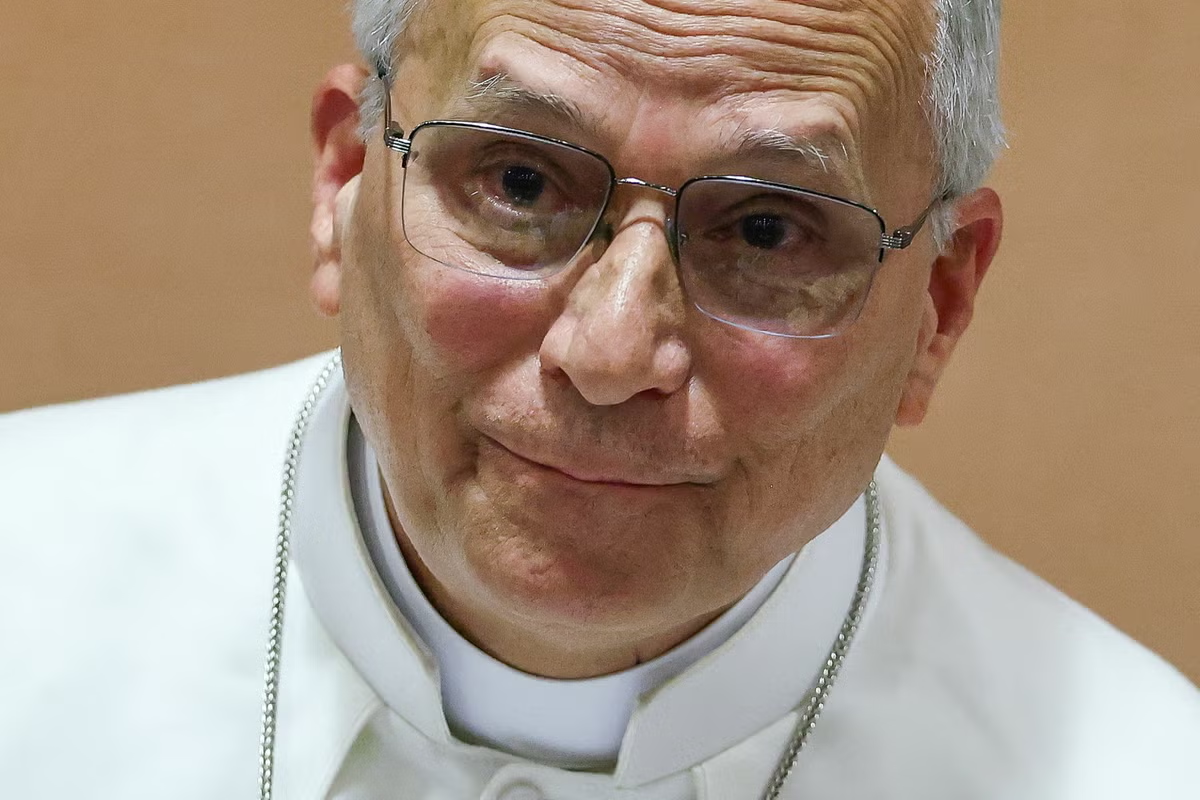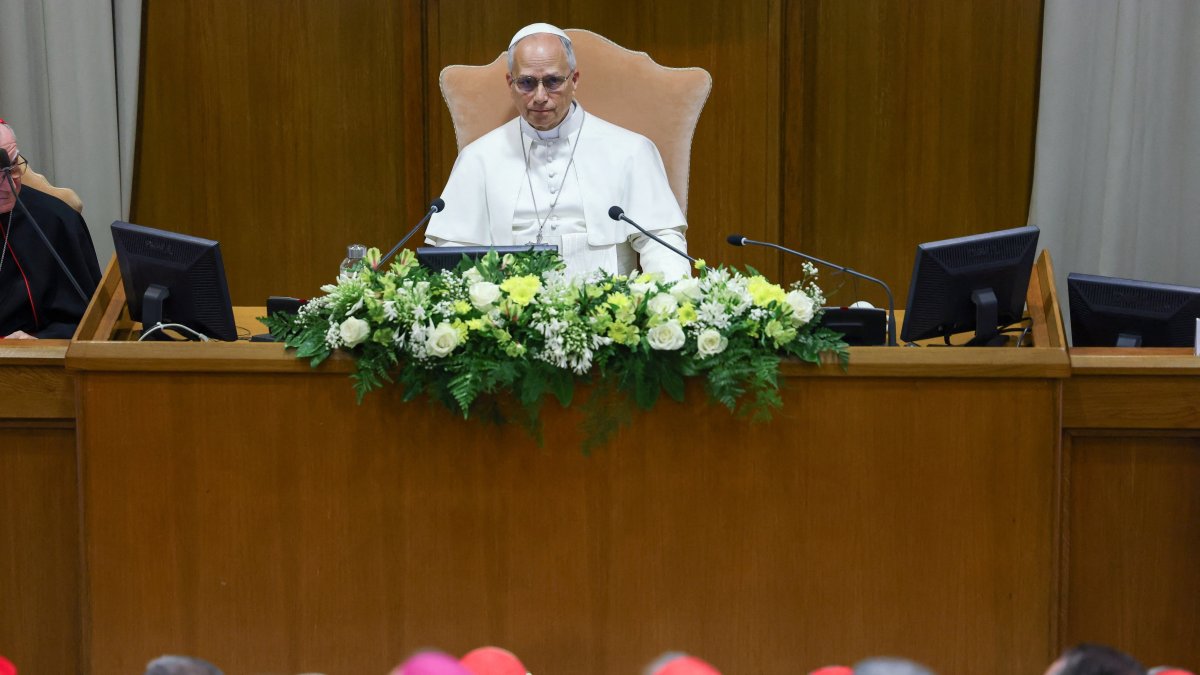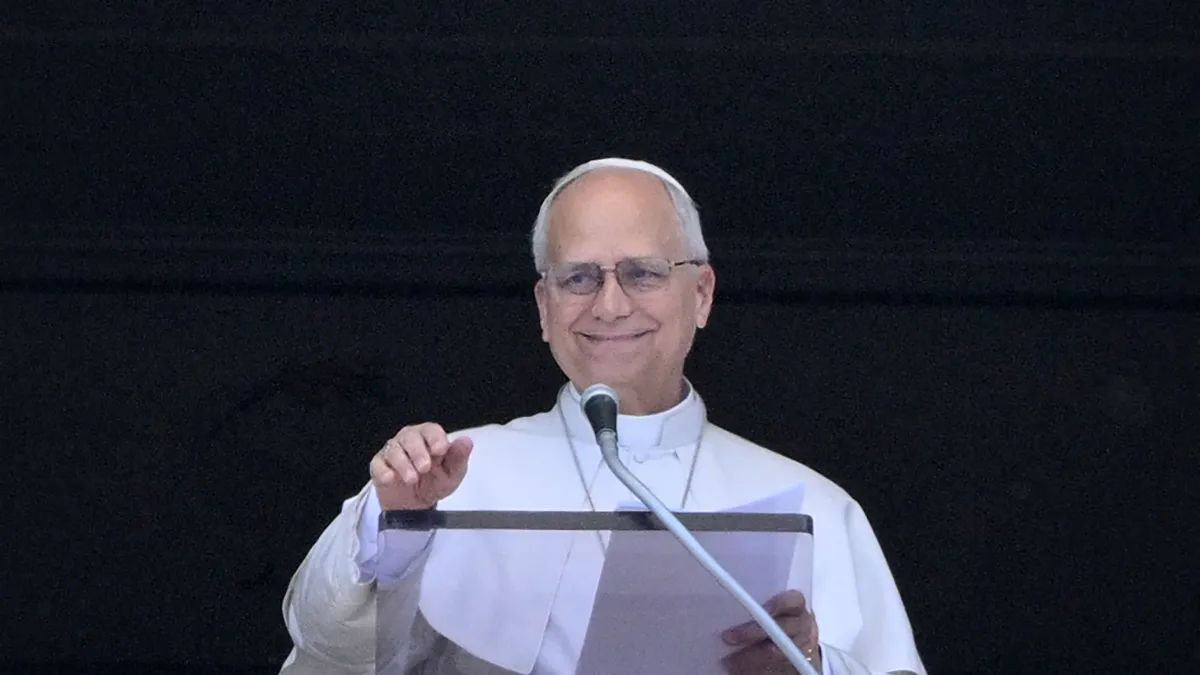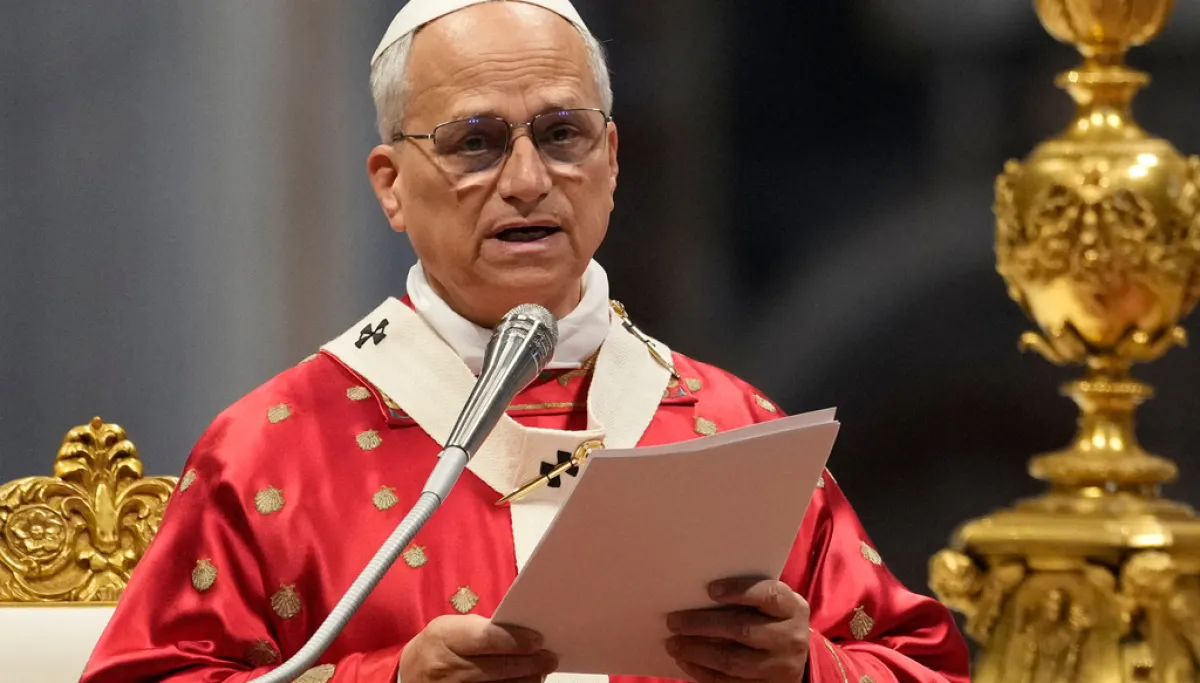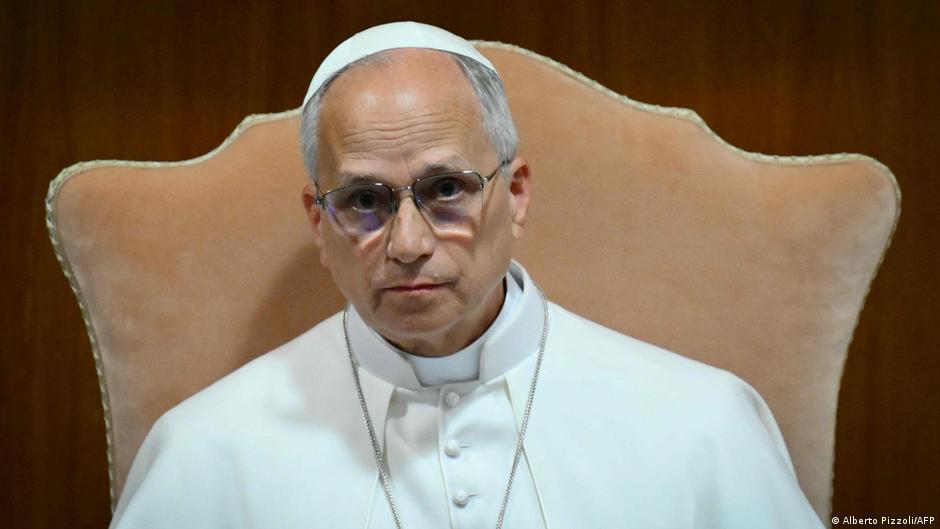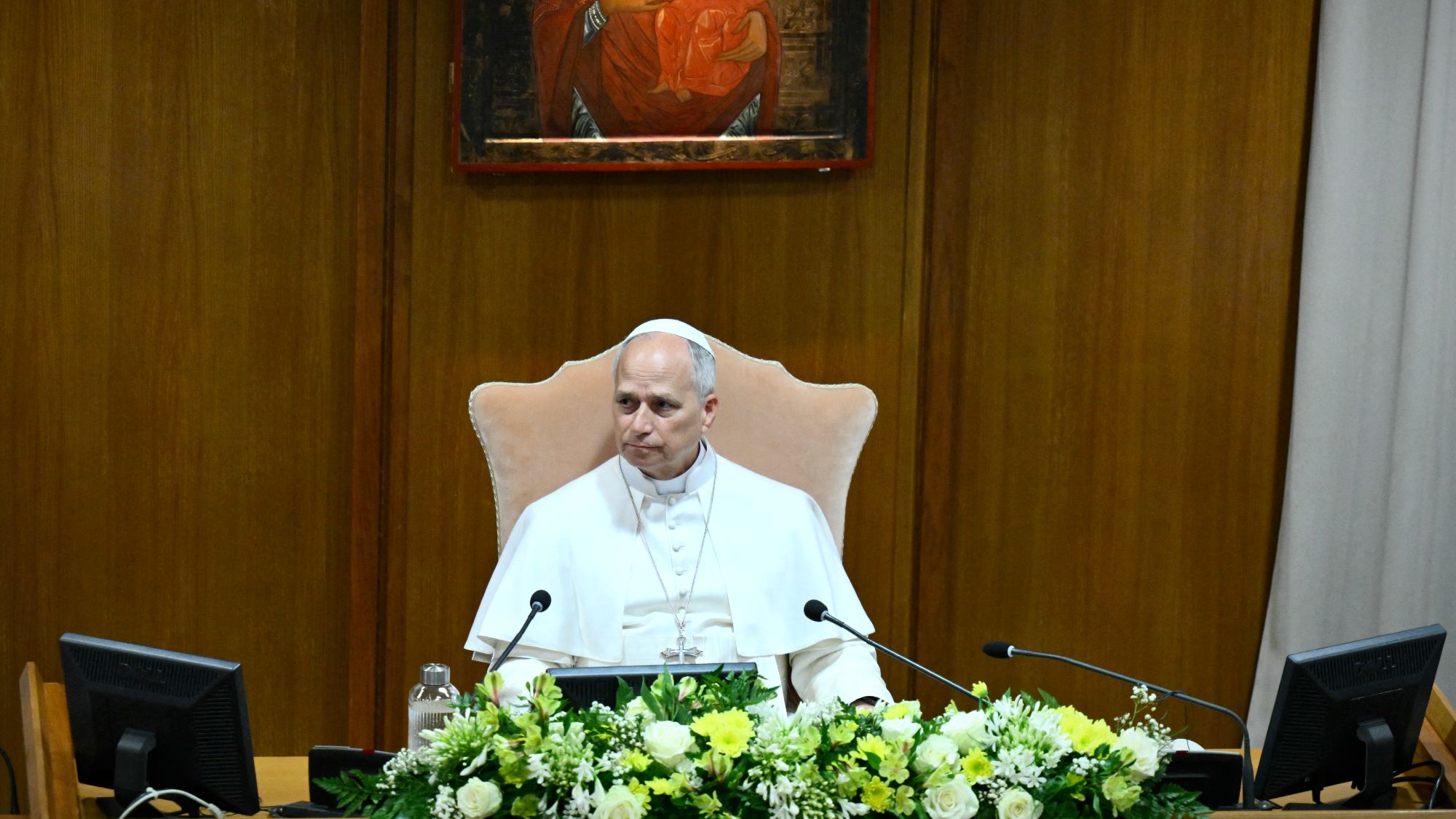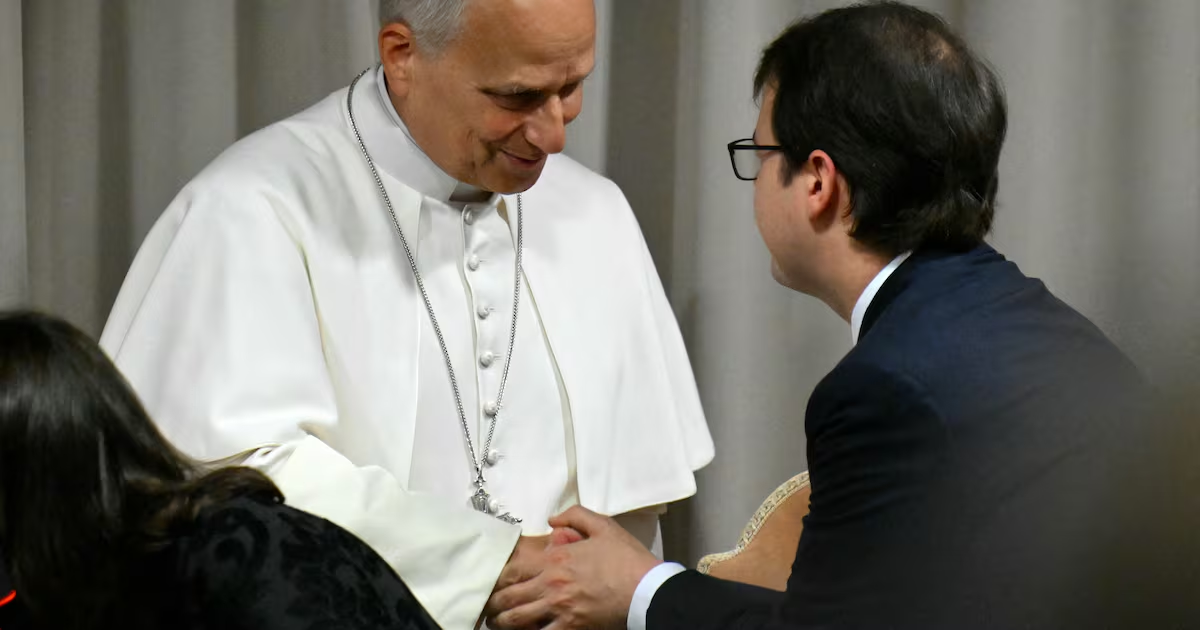
Pope Leo XIV has called for artificial intelligence to be designed to achieve the common good and welfare of mankind in his first major work as pontiff, entitled Magnificent Humanity (Magnifica Humanitas).“Artificial intelligence needs to be disarmed. The word is strong I know, but deliberately chosen,” the pope said, likening the technology to nuclear technology that can be used either for weapons or for civilian energy.“In a similar sense, artificial intelligence now demands to be disarmed, freed from logics that turn it into an instrument of domination, exclusion, and death,” the pope said.“Like nuclear energy, it must be at the service of all and of the common good. Decisions about technology must never be separated from conscience and responsibility.”The encyclical – a letter of authoritative teachings on major moral or social issues – was launched in the Vatican’s Synod Hall with a panel of speakers including the co-founder of AI company Anthropic, Christopher Olah.A picture shows Pope Leo XIV Encyclical Letter "Magnifica Humanitas", focused on the rise of artificial intelligence. Photograph: Alberto Pizzoli/AFP via Getty Images It was the first time a pontiff has held an address to launch an encyclical, and marks the culmination of a long engagement with Silicon Valley that Leo said reflected the gravity of the moment.[ One year into his papacy, it’s clear Pope Leo will be no quiet AmericanOpens in new window ]Commercial pressures “can sometimes conflict with doing the right thing”, Olah told the gathering, saying it was essential for AI to have people “who are willing to say hard things and insist on safety”.“Some might believe that matters of AI are best handled by computer scientists like myself. They are mistaken,” Olah said.“There is a real possibility that AI will displace human labour at a very large scale. If that happens, supporting those displaced will be a moral imperative of historic proportions,” he continued.“These are not questions a lab can answer, but they are questions traditions like yours have carried for millennia ... We need informed critics who will tell the labs when we are failing. We need moral voices that the incentives cannot bend.”Pope Leo XIV attends the presentation of his first Encyclical Letter "Magnifica Humanitas" focused on the rise of artificial intelligence, at The Vatican. Photograph: Alberto Pizzoli/AFP via Getty Images Anthropic has sought to distinguish itself as the “ethical” AI company, opposing its use in surveillance or autonomous weaponry. This has led to a dispute with the Trump administration in the United States, just as Leo himself has been the focus of ire from the White House for his criticism of aggressors in war.An Irish priest and senior Vatican official, Bishop Paul Tighe, has been the key interlocutor with Silicon Valley in the Vatican’s series of dialogues on the potential of artificial intelligence and its ethical problems going back to 2016.Leo told the gathering the world may now be facing a transformation of “similar magnitude” to the industrial revolution, “with perhaps even greater consequences”.He signed his encyclical on the 135th anniversary of the landmark work Rerum Novarum, or Rights and Duties of Capital and Labour, by the 19th century pontiff Pope Leo XIII from whom he took his name.The former pope is considered the father of the Church’s social doctrine as he set out a middle way between free market capitalism and socialism that defended trade unions as well as private property, which became enormously influential beyond Catholicism.“Magnifica Humanitas was born from listening, like Leo the XIII did,” the pope said.“I’ve listened to scientists and engineers who work with sincere enthusiasm on technologies capable of alleviating immense suffering, to political leaders and public officials who have perseveringly sought just rules,” he continued.Pope Leo XIV attends the presentation of his first Encyclical Letter "Magnifica Humanitas". Photograph; Alberto Pizzoli/AFP via Getty Images “Very troubling voices have also reached me about increasingly autonomous weapons systems practically beyond any human reach to govern them effectively,” he continued.“I hear very troubling accounts of algorithms that can block access to healthcare, employment and security on the basis of data tainted by prejudice and injustice.”Magnificent Humanity argues technologies must be subject to public oversight “so that the guiding principle is not solely profit but the dignity of every person and the common good of all people”.It begins by stating humanity “is today facing a pivotal choice: either to construct a new Tower of Babel or to build the city in which God and humanity dwell together.”It argues for an ethical code to govern AI, that users should be educated about how it works, and that it should be subject to legal frameworks and independent oversight.Technology is not “inherently evil” or antagonistic to humanity, the encyclical reads, but it is “never neutral, because it takes on the characteristics of those who devise, finance, regulate, and use it”.While AI promises greater efficiency, it can end up forcing workers to adapt to the “speed and demands of machines”, the encyclical reads, and “deskill workers, subject them to automated surveillance and relegate them to rigid and repetitive tasks”.It also notes current AI systems “require enormous amounts of energy and water” and must be made more environmentally sustainable to “protect our common home”.A key concern of the document is that the technology could end up concentrated in the hands of a few, exacerbating existing inequalities, and it warns of the risk of digital forms of exploitation.Professor Leocadie Lushombo, a Congolese-born theologian and speaker at the launch of the encyclical, said “AI can very easily be colonial”, warning of risks if people in developing countries are excluded from ownership and governance.[ AI could impact more than 40% of all jobs in Ireland, IMF warnsOpens in new window ]
Pope Leo urges global rules to ‘disarm’ artificial intelligence
In landmark encyclical, pontiff compares AI to nuclear power and urges global rules grounded in conscience and responsibility
946 words~4 min read