If and when the NBA pushes through its 3-2-1 draft lottery policy later this week, the league would not just change future team behavior but also impact several teams based on previously made trades.That is one of the unintended consequences of the rules the league will look to enshrine Thursday when it asks its board of governors to approve the new format: Trades that teams have made involving draft picks in previous years will have changed in value, some incrementally and a few, perhaps, even more so.NBA teams can spend hours (or days) haggling about second-round picks in trade negotiations. No piece of a deal is too small to price, re-price and then spar over. They have built values for draft picks based on the league’s rules and their own expectations of where those picks could land. The new 3-2-1 lottery system would change the value of those picks, with many of them already sent away to other teams.Team executives have predicted that first-round picks would be harder to trade under the new rules, as the 3-2-1 format gives teams higher up in the standings a better chance to land not just a high draft choice but the No. 1 pick. The NBA will distribute 37 ping pong balls to 16 teams starting next season, if the owners approve it, and give three balls each to the teams that own the fourth to 10th worst records, two balls to seven teams (those that own the worst three records and the teams that finished ninth and 10th in the Play-In Tournament), and one ball each to the losers of the 7-8 matchup.That will dramatically shift the lottery odds. While the worst three teams would go from a 14 percent chance at the No. 1 pick to a 5.4 percent chance of winning it, it would also give the team that finishes 14th in the standings a better chance to get it than the ninth-worst team under the current system.Earlier this month at the draft combine, some team executives bemoaned that these changes are coming after those picks have been dealt. A majority of the league would be impacted by these after-the-fact changes. In 2027, 14 teams have already traded away control of their first-round picks. In 2028 and 2029 each, only 12 teams control their own first-round picks without any encumbrances, swaps or as part of elaborate waterfall conveyances.The incoming rules would also impose new limitations on teams in the lottery. The proposal distributed to teams late this week would not allow teams to win the No. 1 pick two years in a row, a restriction that would begin the clock with the 2026 draft. That means the Washington Wizards would not be able to pick first next year. The NBA would also bar teams from having a top-5 pick in three consecutive years. That rule will be backdated to the 2025 draft. Yahoo Sports was the first to detail this aspect.The NBA intends to implement these prohibitions “to promote a fair distribution of player talent,” according to the proposal.“These restrictions would apply only to each team’s own pick, without regard to whether that pick has been retained by the team or traded to, and thus held by, another team,” the proposal said, according to league sources.These restrictions would narrowly target just a few teams as of now. The Jazz are the only team that earned top-5 picks in each of the last two lotteries, but the Memphis Grizzlies own Utah’s 2027 first-round pick as part of the Jaren Jackson Jr. trade this February. Under the new rules, the Grizzlies’ return in the trade would be capped at the No. 6 pick next season because the new rules say that even though the Jazz no longer control their pick, the restrictions still apply for the team that traded for it.That would then re-weight the odds in that season because they would not be able to obtain certain picks through the lottery. The rule could also hypothetically hurt teams like the Houston Rockets (they own the Phoenix Suns’ 2029 first-round pick), and the owners of future Milwaukee Bucks first-round picks who could be impacted if the Bucks win the lottery or get top-5 selections in successive years.The rules won’t prevent a team from making the No. 1 pick in two straight seasons if it did so the first year with another team’s pick and then won the lottery the second year with its own selection. Or in the case of the Wizards, while they cannot win the lottery again next spring, they could pick first if they had traded for the No. 1 pick.NBA commissioner Adam Silver can still alter the proposal before Thursday’s board of governors vote, and team owners could suggest changes. Silver would gain a lot of latitude to punish tanking offenders under the proposed system. He would be able to fine a team up to $10 million, force them to forfeit or transfer draft picks, reduce lottery odds, change draft positions or suspend team officials, according to league sources.The 3-2-1 system is scheduled to be in place for three seasons, through the 2029 draft, which is also when either the league or players union could opt out of the current collective bargaining agreement. The NBA will assess what it intends to do in the future. A draft credit system is seen as the leading contender to take effect when this runs out, according to league and team sources, and is favored by a number of team executives. The league will begin to study it closely once this reform passes.— Sam Amick contributed to this story.May 25, 2026Connections: Sports EditionSpot the pattern. Connect the termsFind the hidden link between sports terms
NBA’s lottery proposal changes draft pick values. Many have already been traded
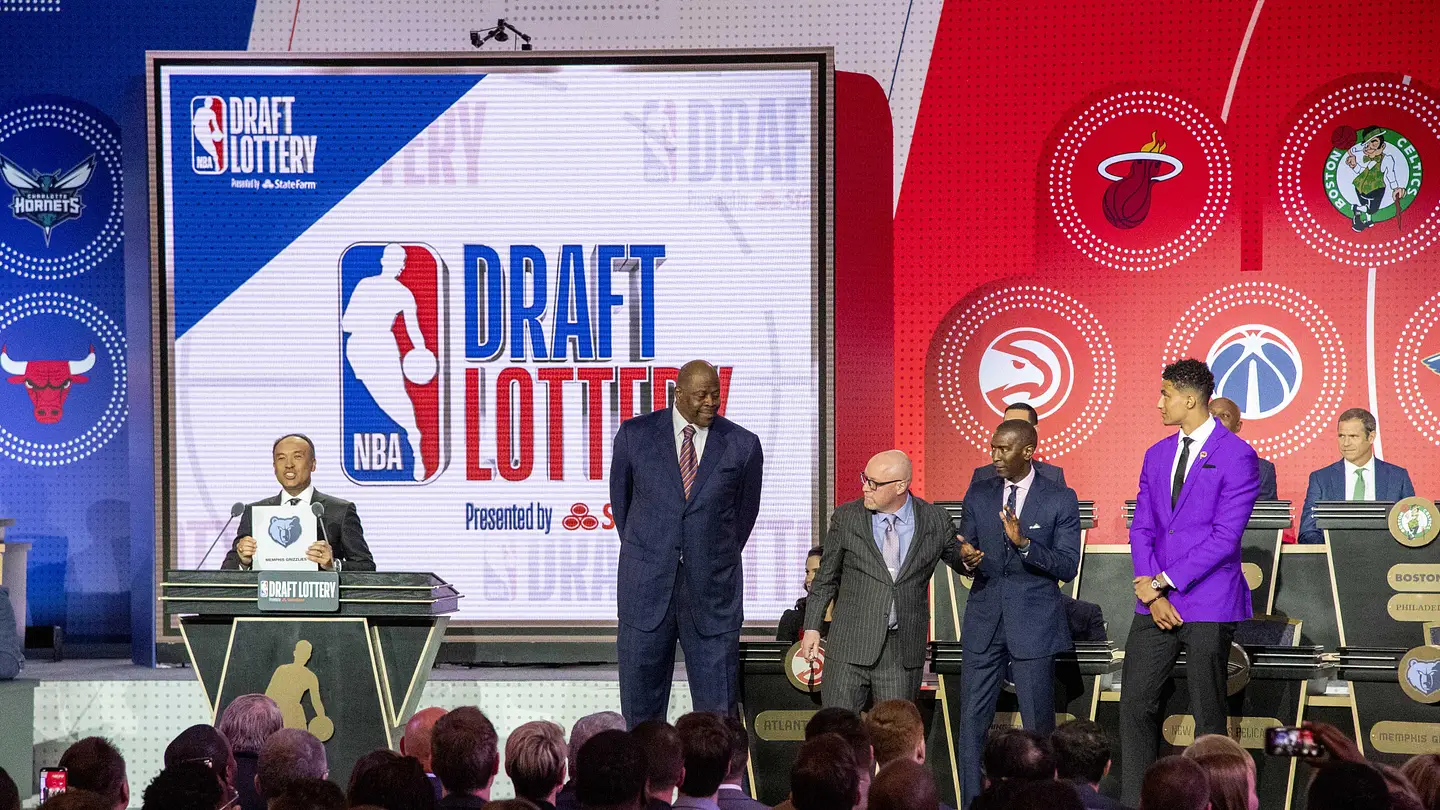
The NBA's board of governors will meet Thursday to discuss and likely pass the league's draft lottery changes.
952 words~4 min read