As web developers, we know exactly how user accounts work. When a user signs up for an application, we create a users table in a database. We hash their password, assign them a unique user_id, and manage their session status using tokens or cookies.
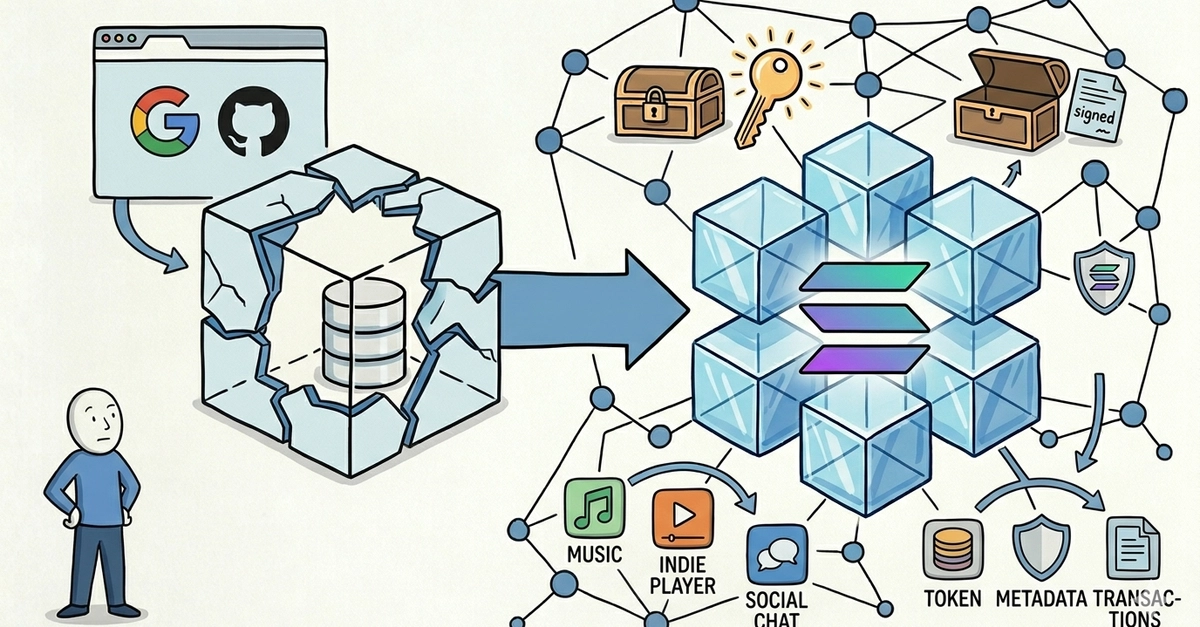
In this traditional Web2 setup, identity is entirely fragmented. A user is one row in a GitHub database, another row in a LinkedIn database, and another row in their banking application. None of these applications inherently speak to each other, and more importantly, the user doesn't actually own their identity, the company hosting the database actually does. If an admin deletes that database row, that identity is gone.
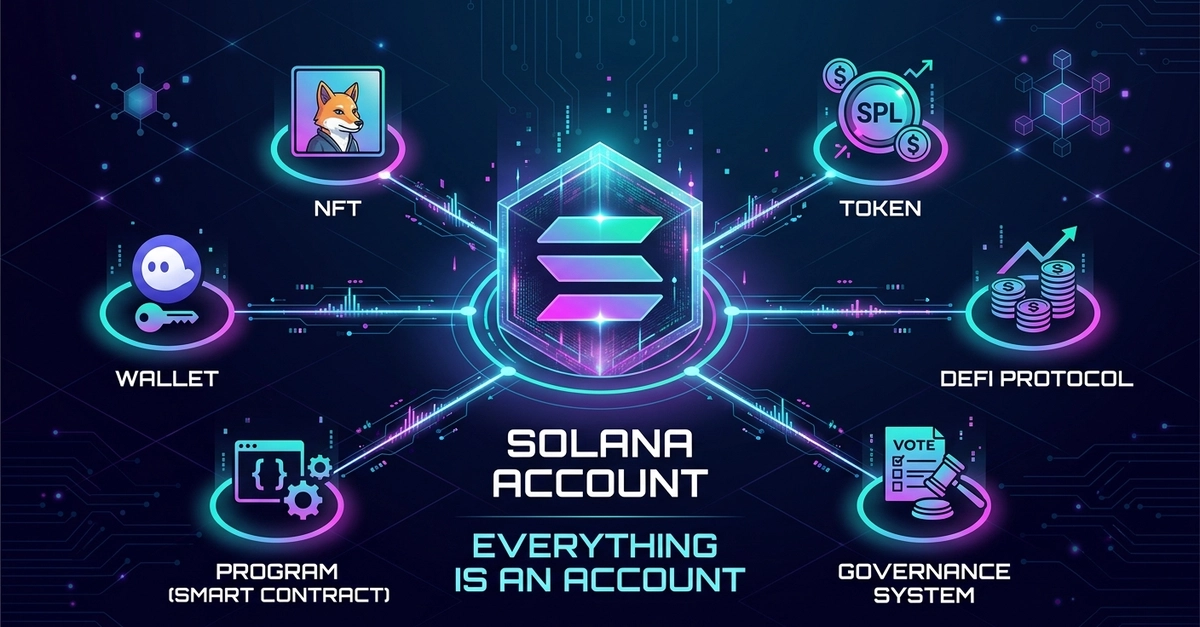
As I've been jumping into the first week of the 100 Days of Solana challenge, the biggest mental shift wasn't learning a new framework; it was redefining what "identity" actually means on a blockchain.
Check how identity works on Solana below, I explained it through concepts we're already familiar with in our everyday life.
The Model: You Already Use Web3 Identity (I'm assume this to be true)