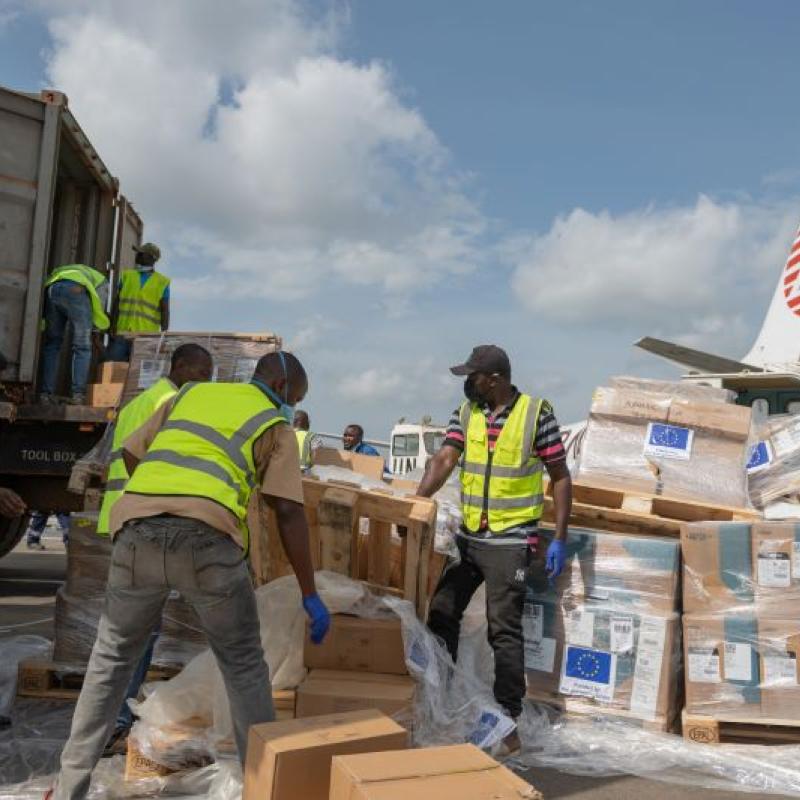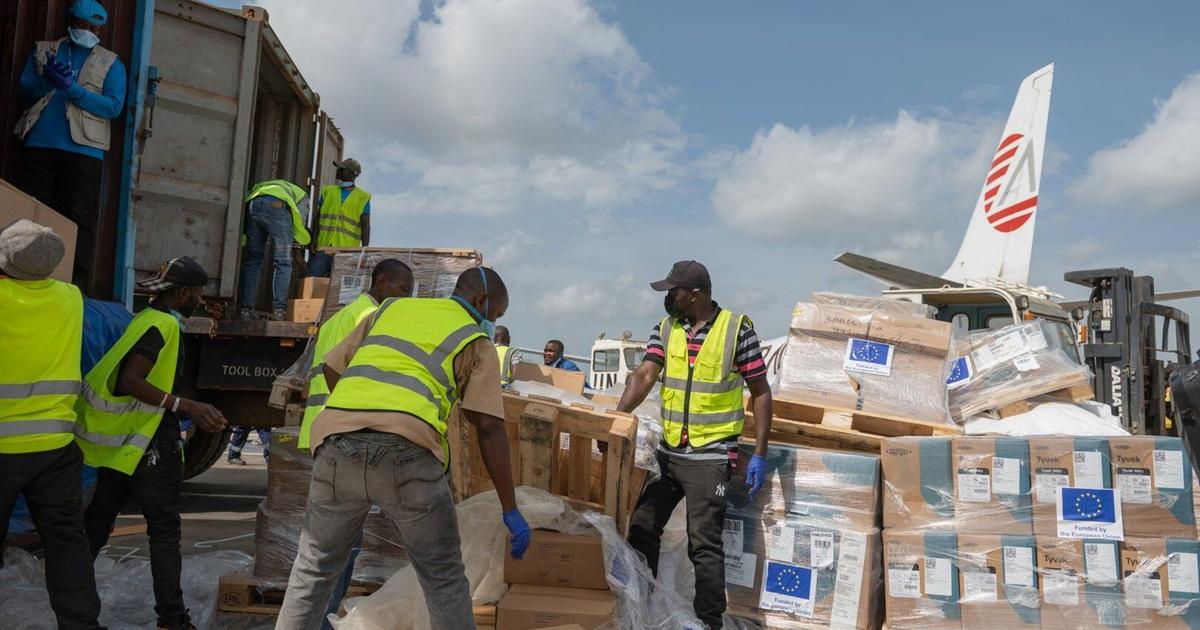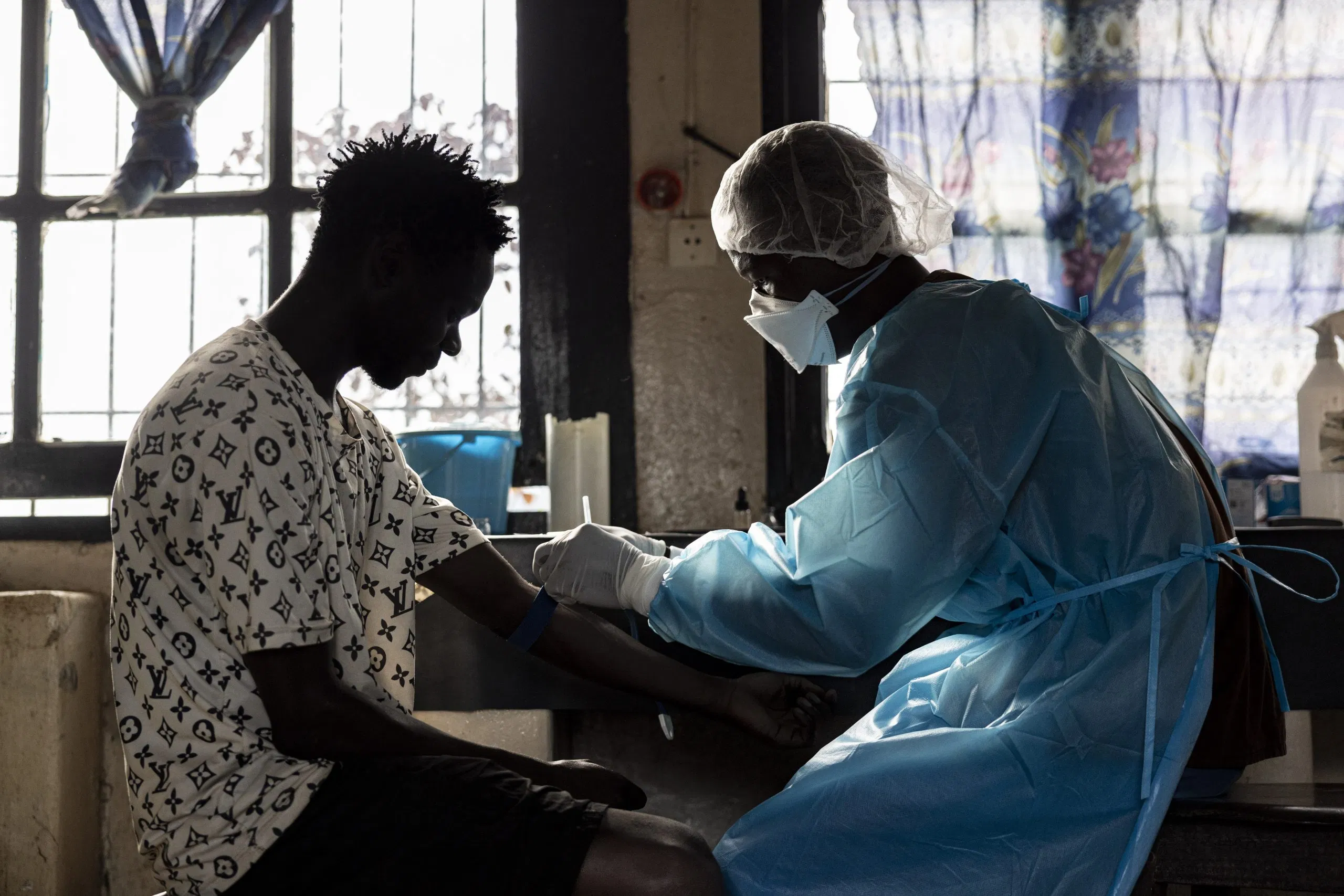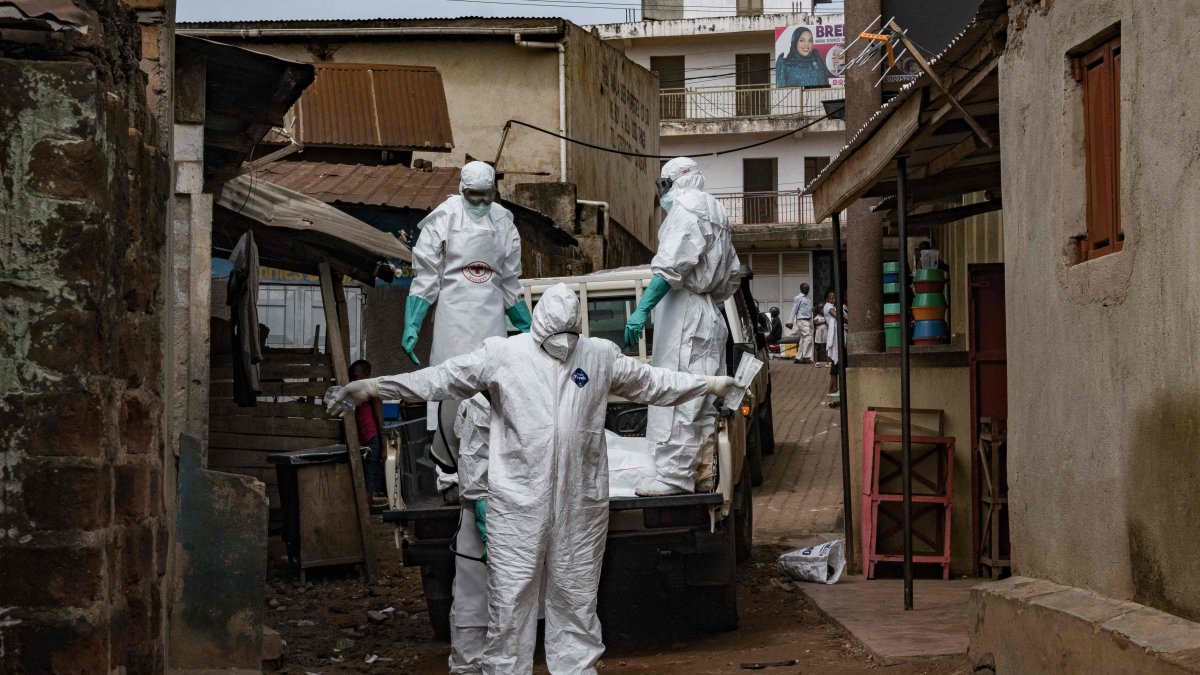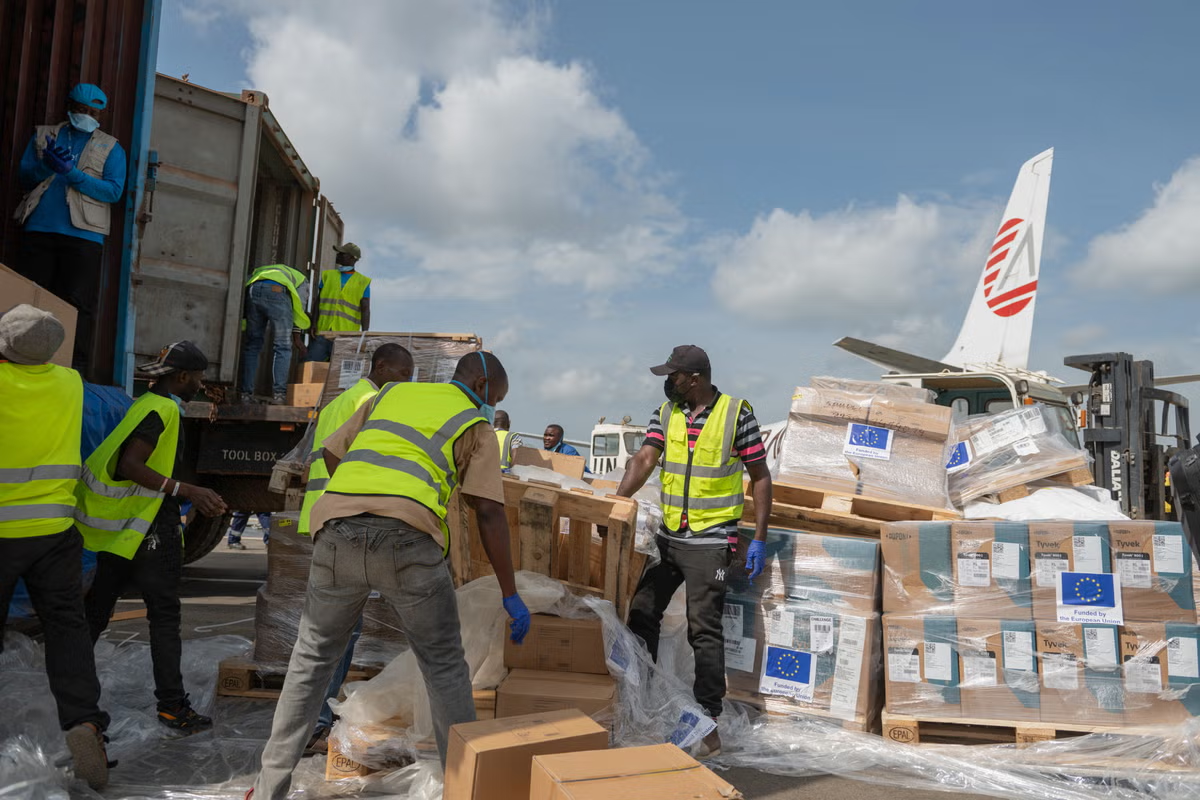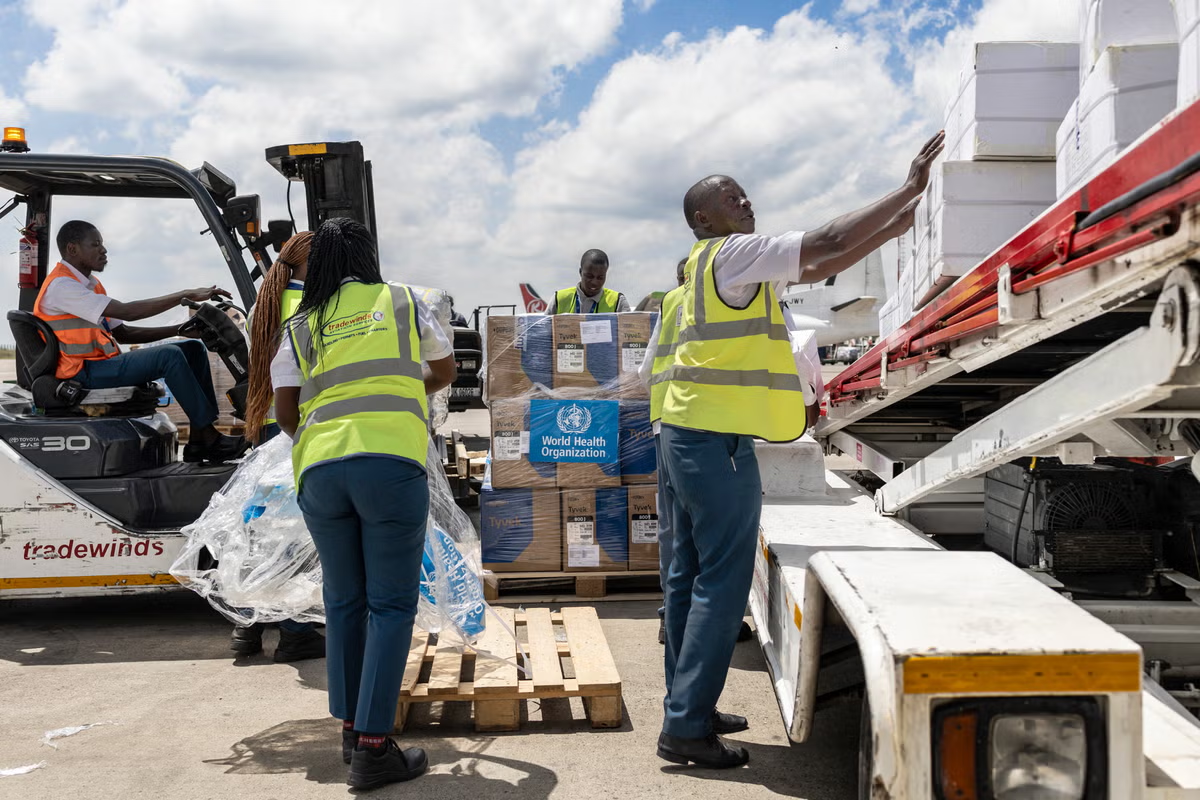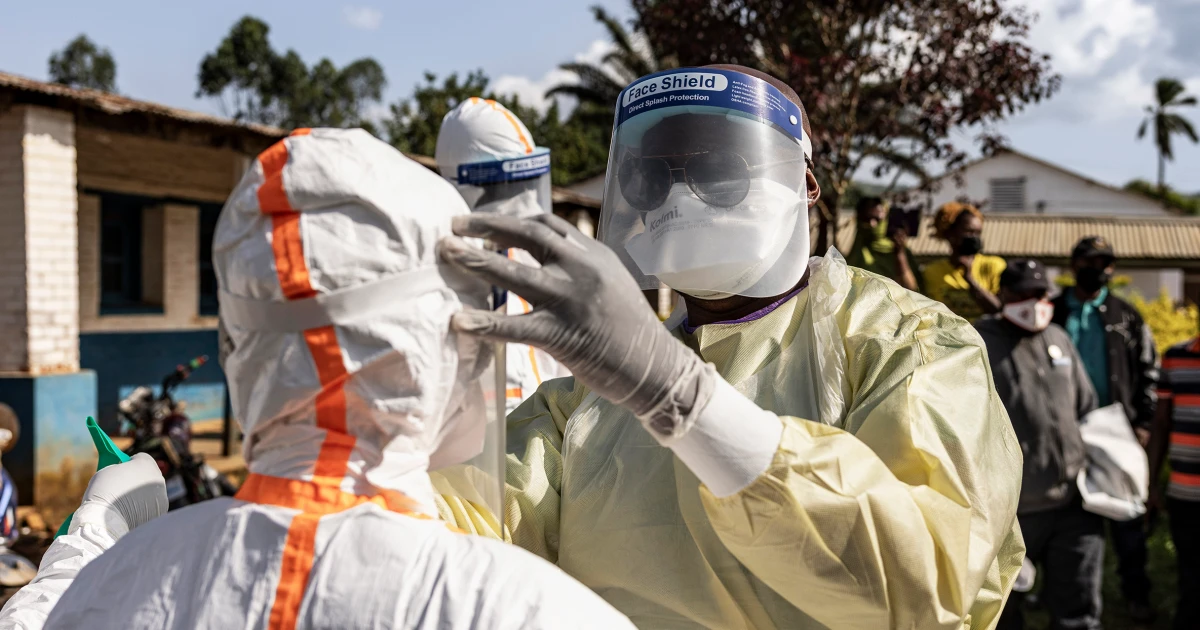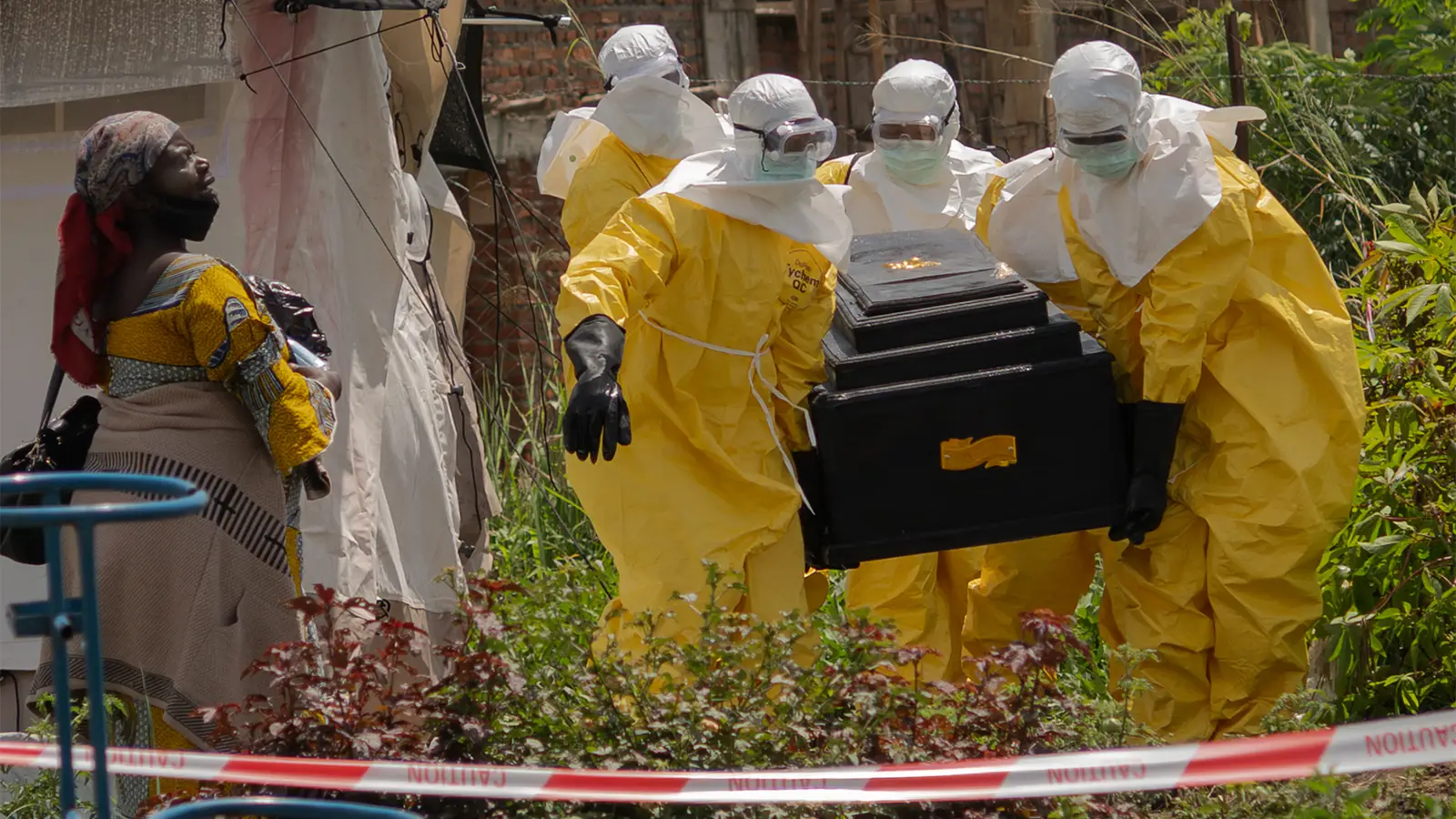
Since an Ebola outbreak was declared in Bunia, a bustling city in the northeast of the Democratic Republic of the Congo, global alarms have gone off. Borders have slammed shut, flights have been diverted as far as the United States and the Congolese World Cup team is in quarantine in Belgium.Yet here in Bunia, at the heart of the crisis, the usual signs of an organised response – large medical tents, medics in sealed white suits and goggles and patients lying in strict isolation – are not yet in place.Instead, the incipient aid effort is only getting set up. Outside Bunia’s main hospital on Saturday, workers hammered nails and pushed up tents a few yards from the main door, in a frantic scramble to erect a handful of isolation wards where patients can be triaged, isolated and treated.“The virus is far ahead of us,” said Ahmed Mahat, a manager with International Medical Corps, which is building two of the isolation wards. “And it’s spreading fast.”The Democratic Republic of the Congo (DRC) is playing catch-up. Caught flat-footed by an outbreak that was discovered disastrously late – perhaps two months after it started – the system of international response is struggling on to its feet.A health worker takes the temperature of a woman at a checkpoint in Bunia, Democratic Republic of the Congo. The outbreak is concentrated in Ituri, the war-torn province of which Bunia is the capital. Photograph: Arlette Bashizi/The New York Times
Plight of Ebola-engulfed region laid bare by lack of medical supplies and a cynical public
Intervention has become less about vanquishing the virus than trying to slow its steamroller advance
1,203 words~5 min read