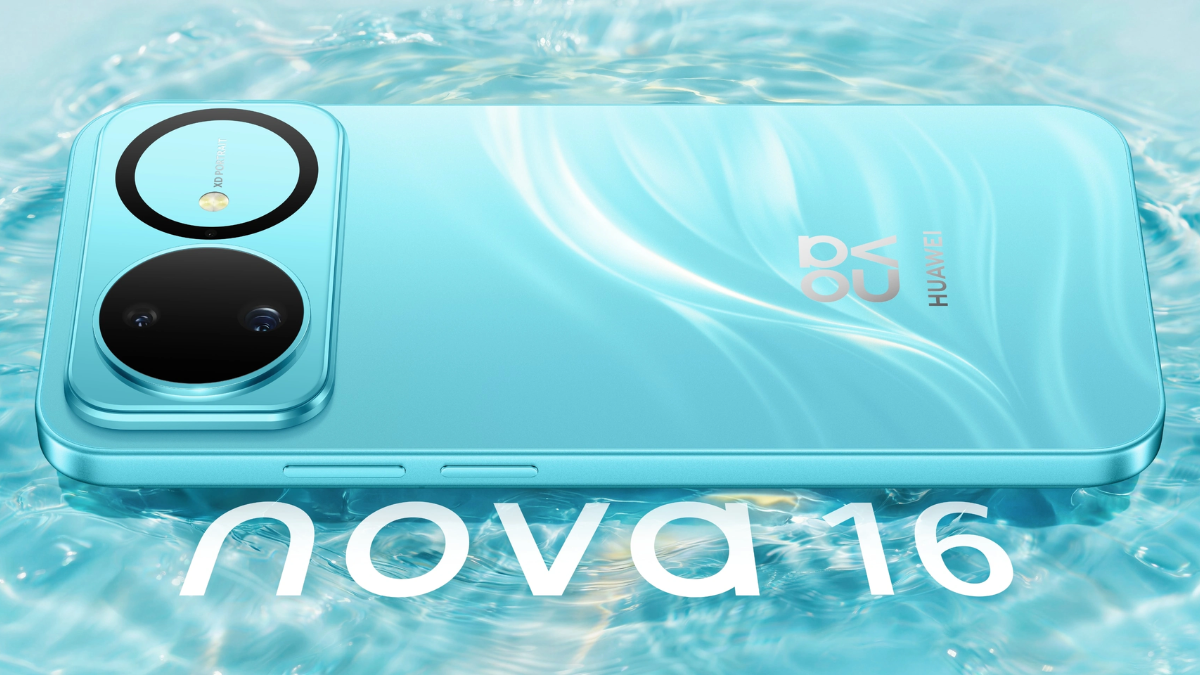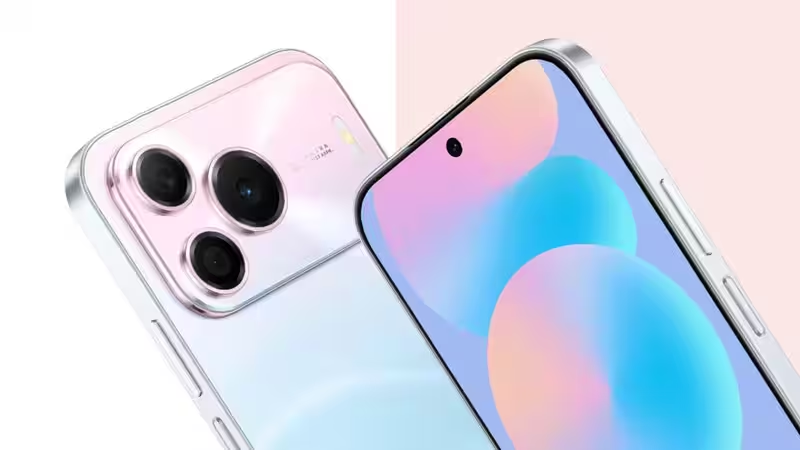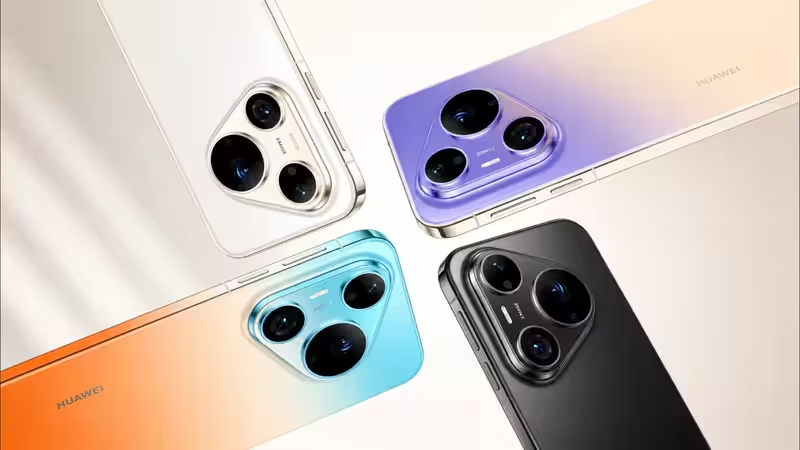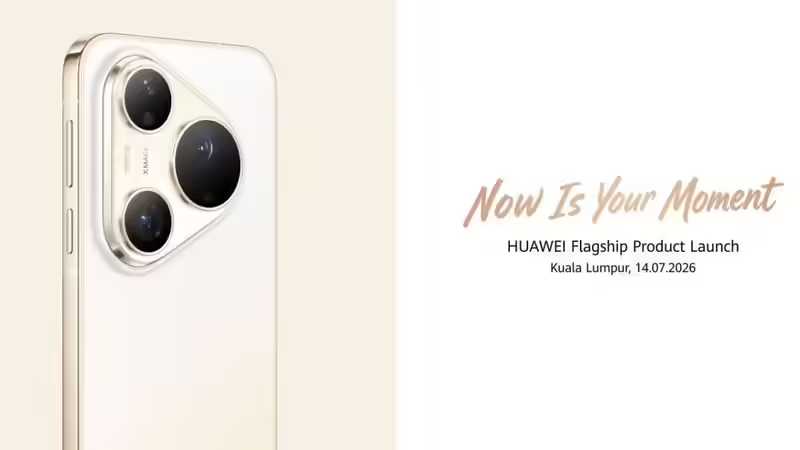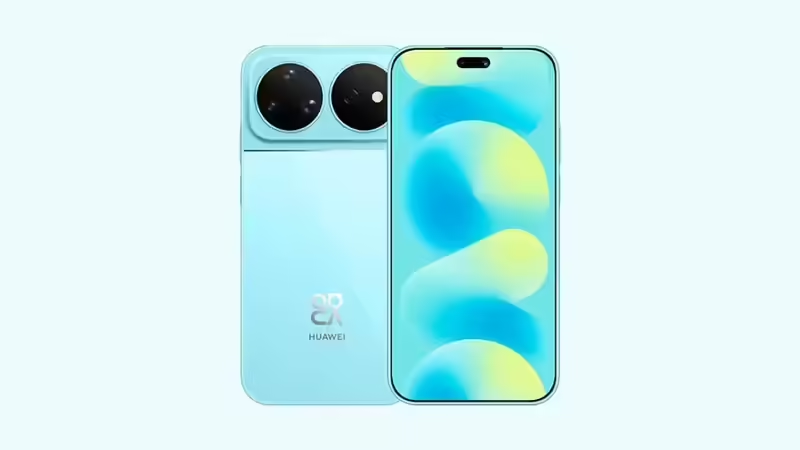
Photo credit: huaweicentral.comHuawei is launching the Nova 16 series on June 1, with the lineup spanning four models — the Nova 16z, Nova 16, Nova 16 Pro and Nova 16 Pro Max — and adopting a Kirin 9-series chipset across the upper variants. The Pro Max is tipped to carry a 200MP primary camera built around a 1/1.28-inch sensor, while battery capacity across the range moves into the 6,000mAh to 7,000mAh band. Chinese pricing is expected to start at CNY 2,299 for the Nova 16z and climb to around CNY 5,499 for the Pro Max. Huawei is replacing the Ultra branding from the previous generation with Pro Max on the top model. What's new in the Huawei Nova 16 seriesThe Nova 16 is the first Nova-series lineup to carry a Kirin 9-series chip. Previous Nova generations sat on Kirin 8-class silicon, leaving them a step behind the Mate and Pura flagships. That gap is closing. Leaks point to the Kirin 9020 — the same chip family that powers the Mate 70 — landing in the standard Nova 16 and upwards. The Pro Max may carry an even more capable Kirin 9-series variant. The four-tier model structure also expands: where the Nova 15 series ran three models, the Nova 16 adds a Pro Max above the standard Pro. The naming change from Ultra to Pro Max is a small tell but a real one — Huawei is positioning the top Nova as a price-aware flagship rather than a step below.Huawei Nova 16 series price and variantsThe four models are expected to span a wide price band in China.ModelExpected China launch priceHuawei Nova 16zCNY 2,299 to CNY 2,499 (~Rs 27,000 to Rs 29,500)Huawei Nova 16CNY 2,999 (~Rs 35,500)Huawei Nova 16 ProCNY 3,999 (~Rs 47,500)Huawei Nova 16 Pro MaxCNY 4,999 to CNY 5,499 (~Rs 59,000 to Rs 65,000)The Nova 16 lineup will be a China-first launch. Huawei has been absent from Indian retail in any meaningful capacity since US trade restrictions took effect in 2019, and that situation will continue with the Nova 16.The Kirin 9020 jump and Huawei's silicon recoveryThe Kirin 9020 is the headline upgrade. Huawei has been rebuilding its in-house semiconductor stack since 2019, when US trade restrictions cut the company off from TSMC's advanced nodes and Google's Android Mobile Services. The Mate 70 series, launched in late 2024, was the first sign that Huawei's domestic chip programme — fabricated by SMIC on a 7nm-class process — had become competitive on raw silicon. Bringing the Kirin 9020 down into the Nova line at sub-CNY 4,000 pricing is a different statement. It tells the market that Huawei has enough silicon yield and supply visibility to push its flagship chip into volume mid-range devices. For Xiaomi, Honor, Oppo and Vivo — the four brands carving up China's mid-premium market — that is the kind of competitive pressure that ripples through pricing.Cameras: 200MP on Pro Max, 50MP RYYB on the restThe Pro Max is rumoured to carry a 200MP main sensor measuring 1/1.28 inches — a sensor size that lands close to the iPhone 17 Pro Max and Galaxy S26 Ultra cohort. The standard Nova 16 and Pro are expected to use Huawei's signature 50MP RYYB sensor, which trades the standard RGGB colour filter pattern for a yellow channel. RYYB sensors capture more light per pixel and have been a Huawei trademark since the P30 Pro days. Selfie cameras get a lift too — the Pro Max is tipped for a 50MP front sensor, a step up from the 32MP norm on most Nova devices. The Pro is expected to add periscope telephoto hardware, which would mark the first time periscope zoom shows up below the Mate and Pura tiers in Huawei's lineup.Display and design pulled from the Pura seriesThe standard Nova 16 carries a 6.78-inch OLED panel at 1.5K resolution and 120Hz refresh. The Pro and Pro Max move to LTPO OLED panels with adaptive refresh, which is now the China mid-premium baseline. Leaks suggest the rear camera housing borrows from the Pura 80 design language — circular, sculpted, with a metal trim ring. Bezels look tighter than the Nova 15. Huawei has been working to lift the Nova line's design tier closer to the Pura flagships, and the Nova 16 series appears to complete that transition.Huawei Nova 16 series full spec comparisonModelDisplayChipsetCamera setupBatteryExpected China priceNova 16z6.7-inch OLED, 120HzKirin 8-series50MP dual rear6,000mAhCNY 2,299–2,499Nova 166.78-inch OLED, 1.5K, 120HzKirin 902050MP RYYB + telephoto6,500mAhCNY 2,999Nova 16 Pro6.8-inch LTPO OLEDKirin 9-seriesTriple camera with periscope zoom7,000mAhCNY 3,999Nova 16 Pro Max6.84-inch LTPO OLEDKirin 9-series flagship variant200MP main + periscope, 50MP selfie7,000mAhCNY 4,999–5,499Why Huawei is refreshing the Nova line in six monthsThe Nova 15 series launched in December 2025. Six months between major Nova refreshes used to be aggressive; in China's mid-premium tier it is now closer to standard. Xiaomi runs the Redmi K-series and Redmi Note lines on overlapping six-month cadences. Honor refreshes the Magic Numbers and X-series at similar intervals. Oppo's Reno line moves twice a year. Huawei pulling the Nova into that rhythm is partly competitive necessity. The faster cadence also lets Huawei push its latest chip and camera technology into volume devices on a shorter cycle — the Kirin 9020 in the Nova 16 sits four to five months after the Mate 70 carried the same family at the flagship tier. That trickle-down used to take a year. It now takes a single product cycle.Where the Huawei Nova 16 sits in 2026's mid-premium pictureThe Nova 16 series lands into a Chinese mid-premium segment where Vivo just launched the Y600 Turbo with a 9,000mAh battery, Xiaomi is pushing its 2026 Redmi K-series with Snapdragon 8 Elite-class power, and Honor is refreshing its Magic series with periscope cameras. The Nova 16's pitch in that field is the combination of Huawei's in-house silicon, the Pura-derived design language, and the camera hardware that has anchored Huawei's premium-segment reputation since the P-series days. The Nova 16 series will sit outside the Indian retail market. But for the global mid-premium segment that Indian brands compete in, the Nova 16's pricing — the Pro Max at the Rs 60,000-equivalent mark with a 200MP main camera and Kirin 9-series silicon — is a competitive reference point worth watching. Huawei is making a clear point: its silicon recovery is becoming real, and the gap between its in-house chips and Qualcomm's flagship tier is narrowing one product generation at a time. The Mate 70 closed part of it in 2024. The Nova 16 is closing more.end of article
Huawei Nova 16 Series Launches June 1 With Kirin 9020 and 200MP Camera
Find latest technology news, gadgets reviews & ratings. Popular & latest gadgets specifications, features, prices, photos & videos. Trending mobile phone comparisons, slideshows, how tos and videos for latest mobile phones, tablets, technology news updates.
1,083 words~5 min read