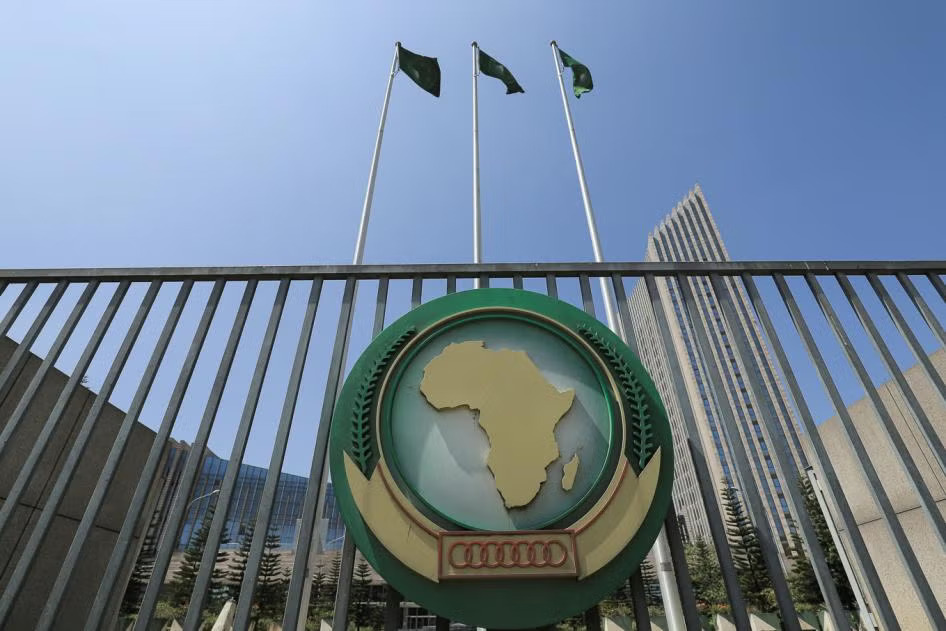
Until the AU can fund a much greater share of its own agenda and use Africa’s financial institutions more strategically, its agency will remain constrained. (HRW)
For all the invocation of African solutions to African problems, a harder question remains: how much agency does the African Union (AU) really possess? Agency, in the deepest developmental sense, is the power to set priorities, command the means to pursue them, and act without excessive dependence on others. By that measure, the AU’s central challenge comes sharply into view: no institution can fully shape its destiny if it cannot reliably finance it.
At its fullest, agency means more than aspiration. It is the ability of an institution to understand what is required to achieve its objectives and to act without being wholly vulnerable to external pressures or shocks. It rests on a few essential foundations: autonomy, sound governance, clear goals, the means to pursue them and, above all, the financial capacity to deliver.
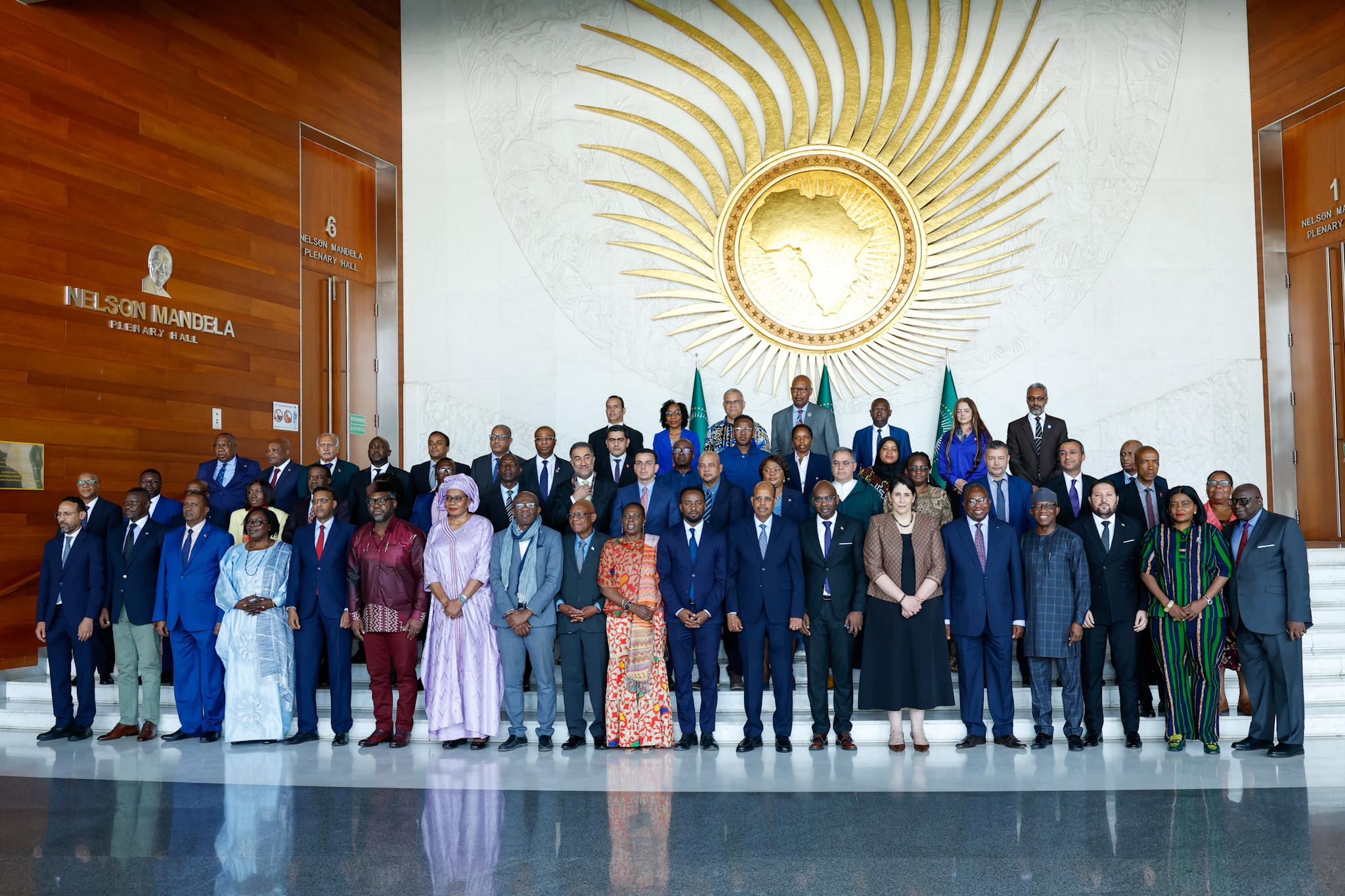
Apply that test to the African Union. The AU has a formal governance structure that has evolved over time. Its predecessor, the Organization of African Unity, was founded in Addis Ababa in 1963. The transition from the OAU to the African Union, formally launched in 2002, was meant to create a more effective continental body, better equipped to advance economic integration, peace and security, and Africa’s voice in global affairs. The reform push that gathered pace after the Kigali summit in 2016, and through President Paul Kagame’s reform report presented in 2017, sought to sharpen priorities, strengthen institutional effectiveness and align the Union more closely with its core continental mandate.