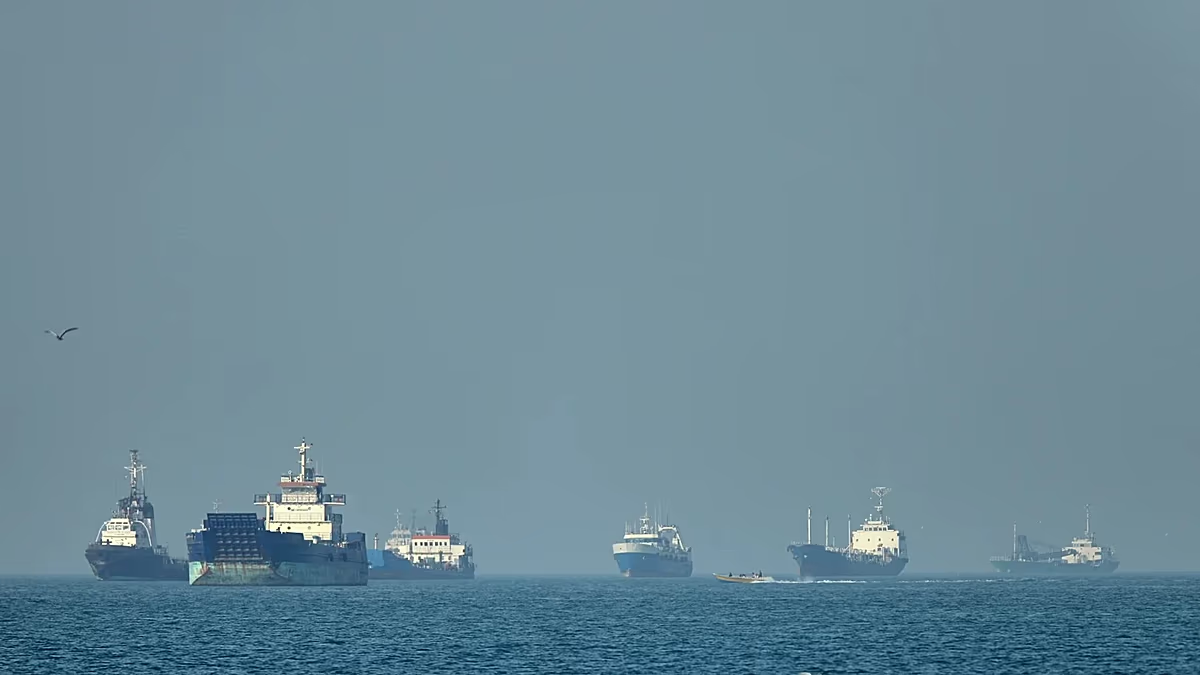
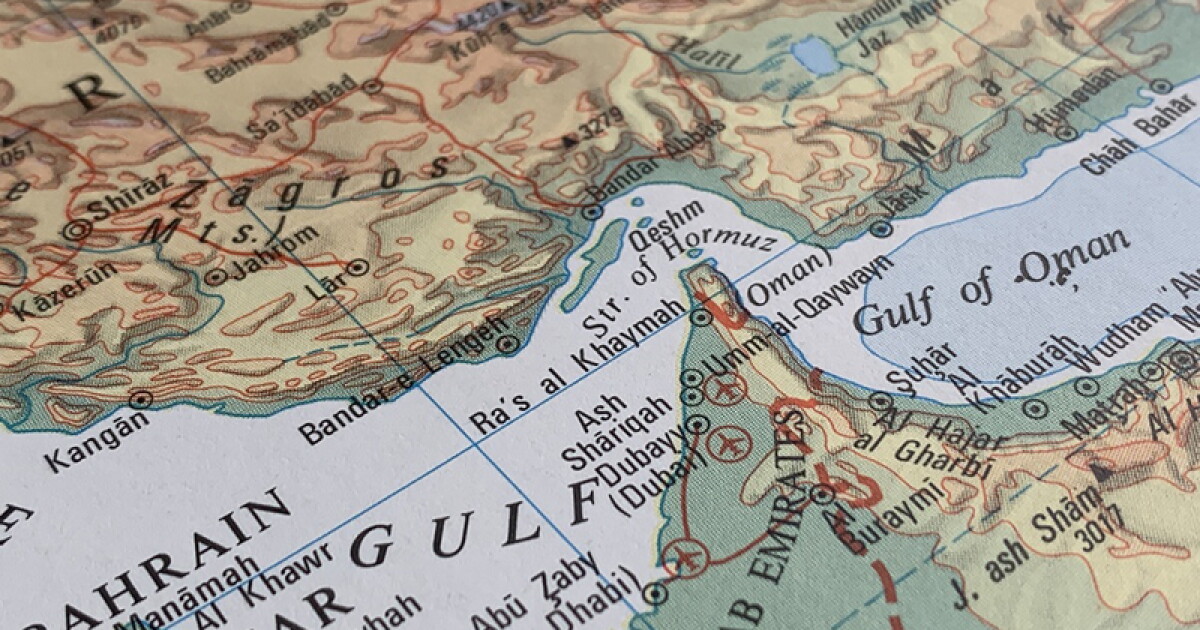
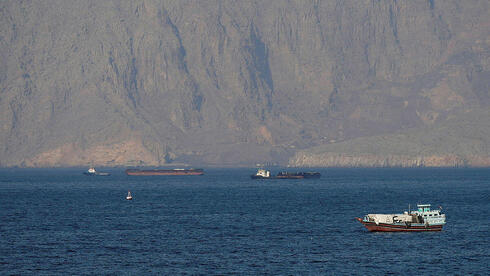
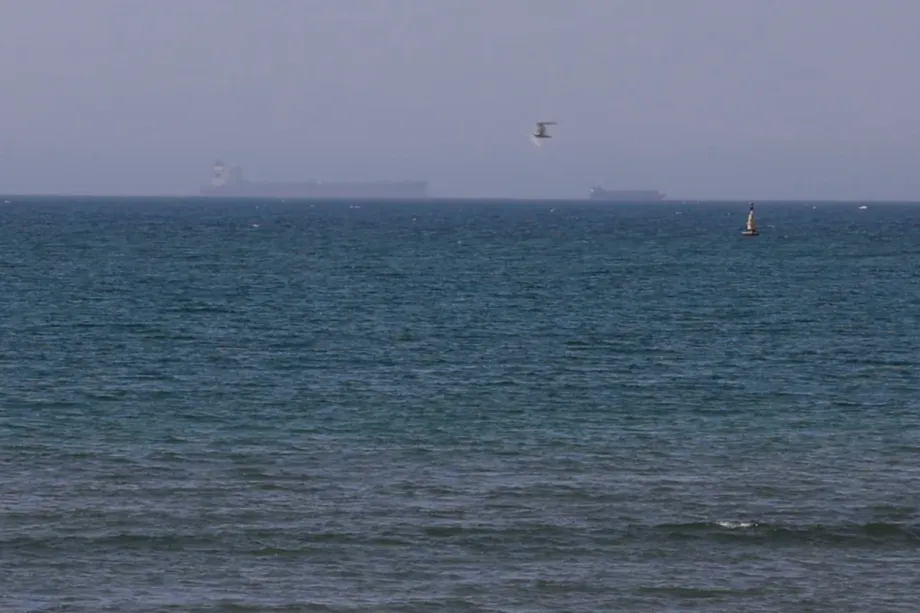
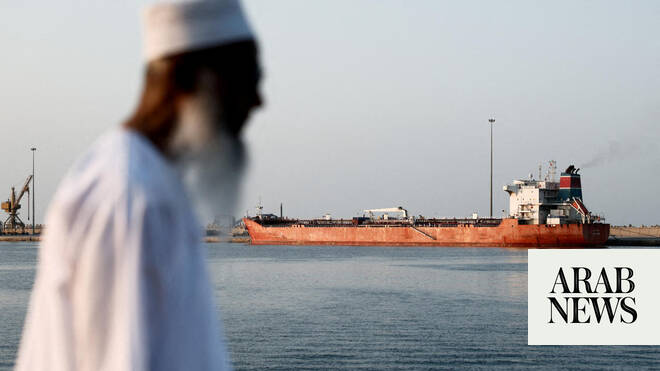
Iran claimed on Monday that it is not seeking to impose “tolls” on ships passing through the Strait of Hormuz, but warned that vessels could face other charges as peace talks with the US go on.Tehran’s vague approach appears aimed at avoiding accusations of illegally monetising transit through one of the world’s most important waterways.Gulf states and the wider international community have warned against imposing any form of tariffs or transit fees on passage through the narrow strait, which Iran has effectively closed since the outbreak of the war with the US and Israel.Iranian Foreign Ministry spokesman Esmail Baghaei insisted Tehran was “not looking to charge tolls”, while warning that ships could still be required to pay for navigation, security and environmental services under a planned Iran-Oman mechanism governing movement through the strait.“We do not charge tolls,” Mr Baghaei told state media, warning against the use of the term. However, he added that “services will be provided”, including navigation assistance and environmental protection measures in the Strait of Hormuz, the Gulf and the Sea of Oman, which “require charging fees”.The Strait of Hormuz remains one of the world’s most critical energy chokepoints, handling roughly a fifth of global oil shipments, making any additional costs or restrictions a major concern for shipping markets. Mr Baghaei's remarks are likely to fuel scrutiny over Iran’s long-term intentions.Mr Baghaei stressed that any understanding between Iran and the US would not include arrangements related to the management of the Strait of Hormuz, saying the matter falls under the responsibility of the littoral states. He said that Iran was co-ordinating with Oman, foreign governments and international bodies to establish a framework that guarantees maritime security while protecting the interests of coastal states.Iranian extortionIran has repeatedly framed the proposed mechanism as a security and environmental initiative rather than a commercial transit regime, amid concerns from shipping and energy markets that any new fees or conditions in Hormuz could increase costs and tensions in the region.A billboard on Valiasr Square in Tehran. EPAInfoIran's blockade of the Strait of Hormuz amounts to an “arithmetic of extortion”, Dr Sultan Al Jaber, the UAE's Minister of Industry and Advanced Technology, said this month. The managing director and group chief executive of Adnoc demanded unconditional restoration of free navigation as the cumulative toll on global oil supply crosses one billion barrels.A draft UN Security Council resolution that demands Iran reopen the Strait of Hormuz has the backing of nearly two-thirds of the world’s countries, but still faces resistance from veto holders Russia and China. The draft resolution, co-written by the US and by Bahrain on behalf of Saudi Arabia, Kuwait, Qatar and the UAE, would increase diplomatic and legal pressure on Iran.In recent days, Tehran and Washington have played down hopes for an imminent breakthrough in efforts to end the war, with US Secretary of State Marco Rubio saying there will either be a deal or his country will tackle Iran “another way”.US President Donald Trump said on Monday that an agreement with Iran will either be “great and meaningful” or there will be no deal at all. “It will be the exact opposite of the JCPOA disaster negotiated by the failed Obama administration, which was a direct and open path to a nuclear weapon for Iran. No, I don’t do deals like that,” Mr Trump said in a post on Truth Social.Framework for a dealAccording to The Washington Post, the US and Iran have developed a “framework” that extends their ceasefire by 60 days as the two sides reach a “final deal” to end the war, while in the meantime, the Strait of Hormuz would be demined and reopened.Play00:38US will give diplomacy 'every chance to succeed'A senior administration official said no agreement with Iran had been signed. It remains unclear how binding the framework is. A diplomat familiar with the matter, speaking on condition of anonymity, said the latest proposal is awaiting Iran’s approval.Upon signing the agreement, Iran would immediately reopen the Strait of Hormuz and take steps to ensure traffic returns to prewar conditions within 30 days, the proposal stipulates, according to the diplomat. Iran, the US and allies would also immediately end military operations on every front, including Lebanon.The diplomat said the proposal includes Iran reaffirming that it will never develop nuclear weapons and agreeing that its stockpile of enriched material will be disposed of under an agreed-upon method.Meanwhile, Iranian Parliament Speaker Mohammed Bagher Ghalibaf and Foreign Minister Abbas Araghchi are in Doha for talks with Qatar’s Prime Minister Mohammed bin Abdulrahman Al Thani over a potential US-Iran agreement, an official briefed on the visit told Reuters.
Iran demands ‘service fees’ for vessels in Hormuz ahead of potential US deal | The National
Tehran’s move to replace 'tolls' with other forms of charges appears aimed at avoiding accusations of illegally monetising transit
768 words~3 min read