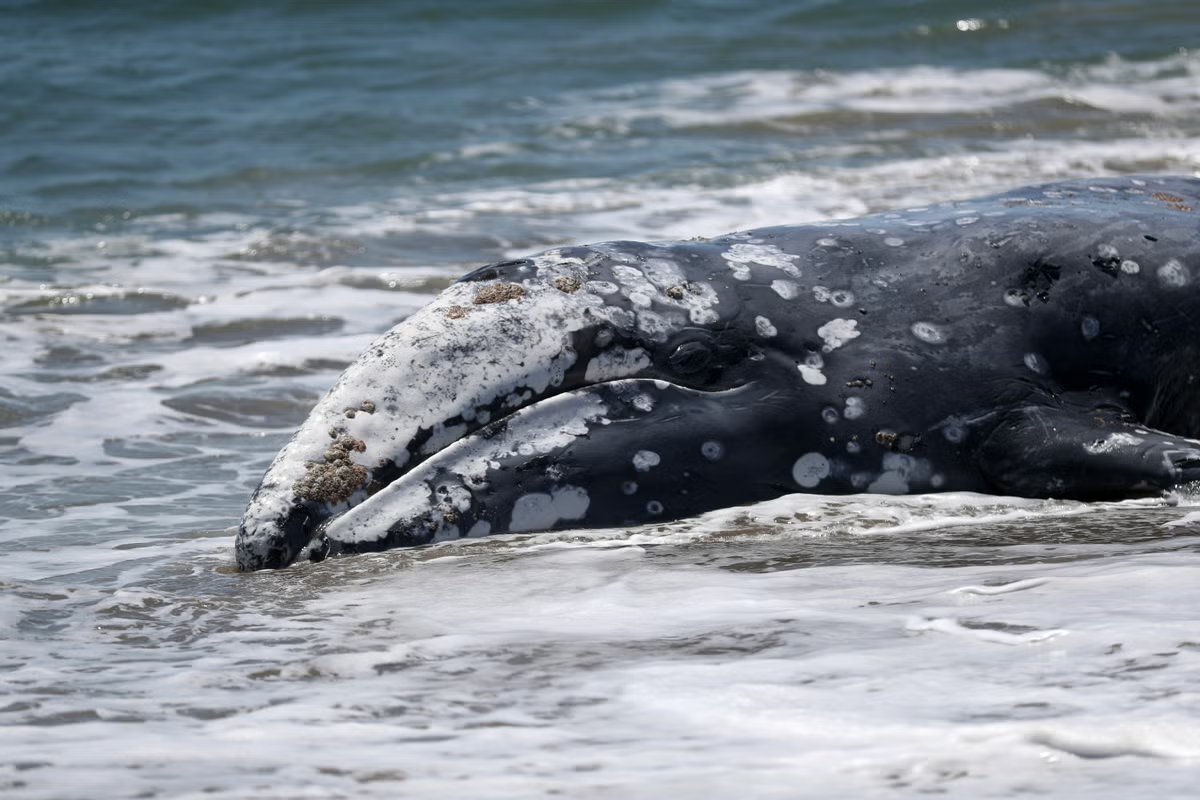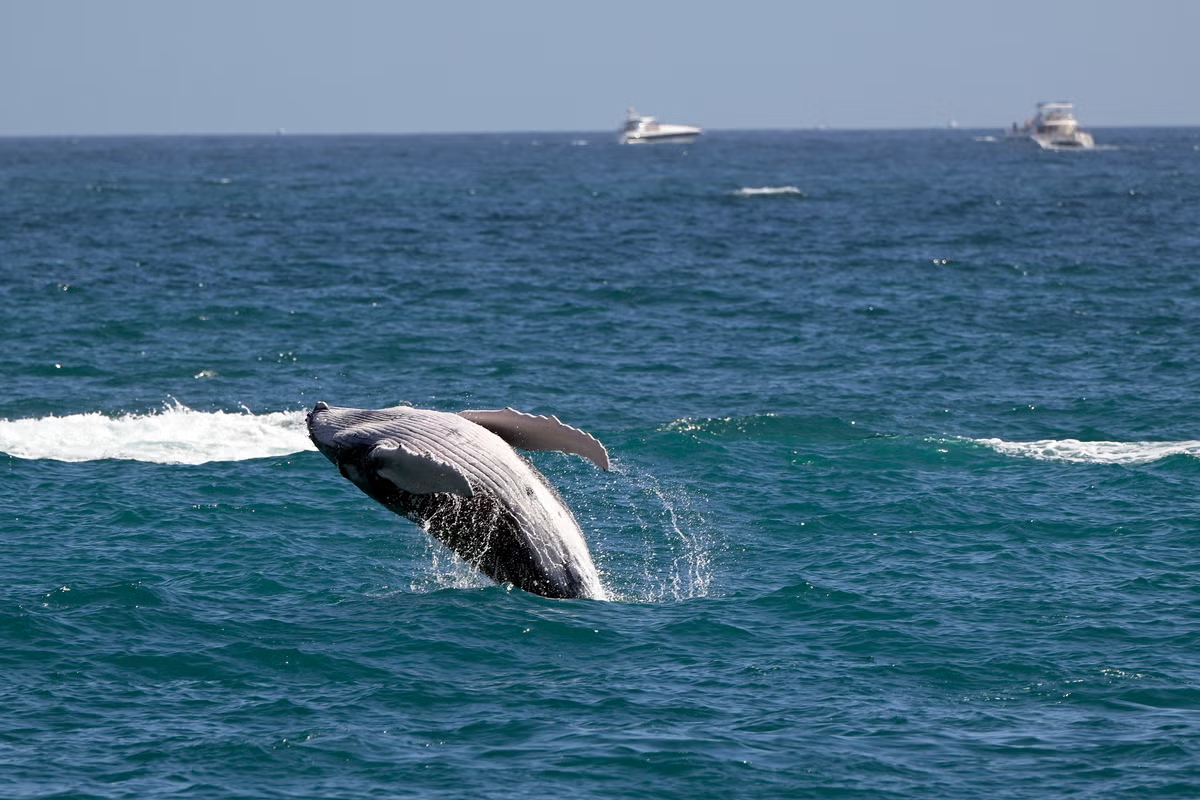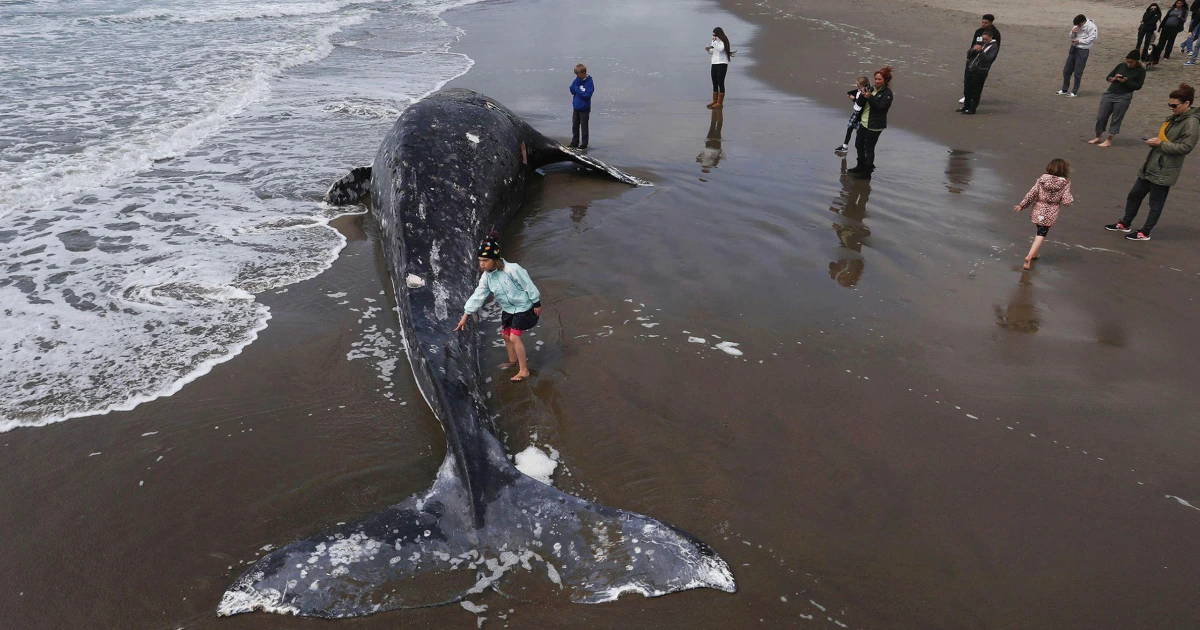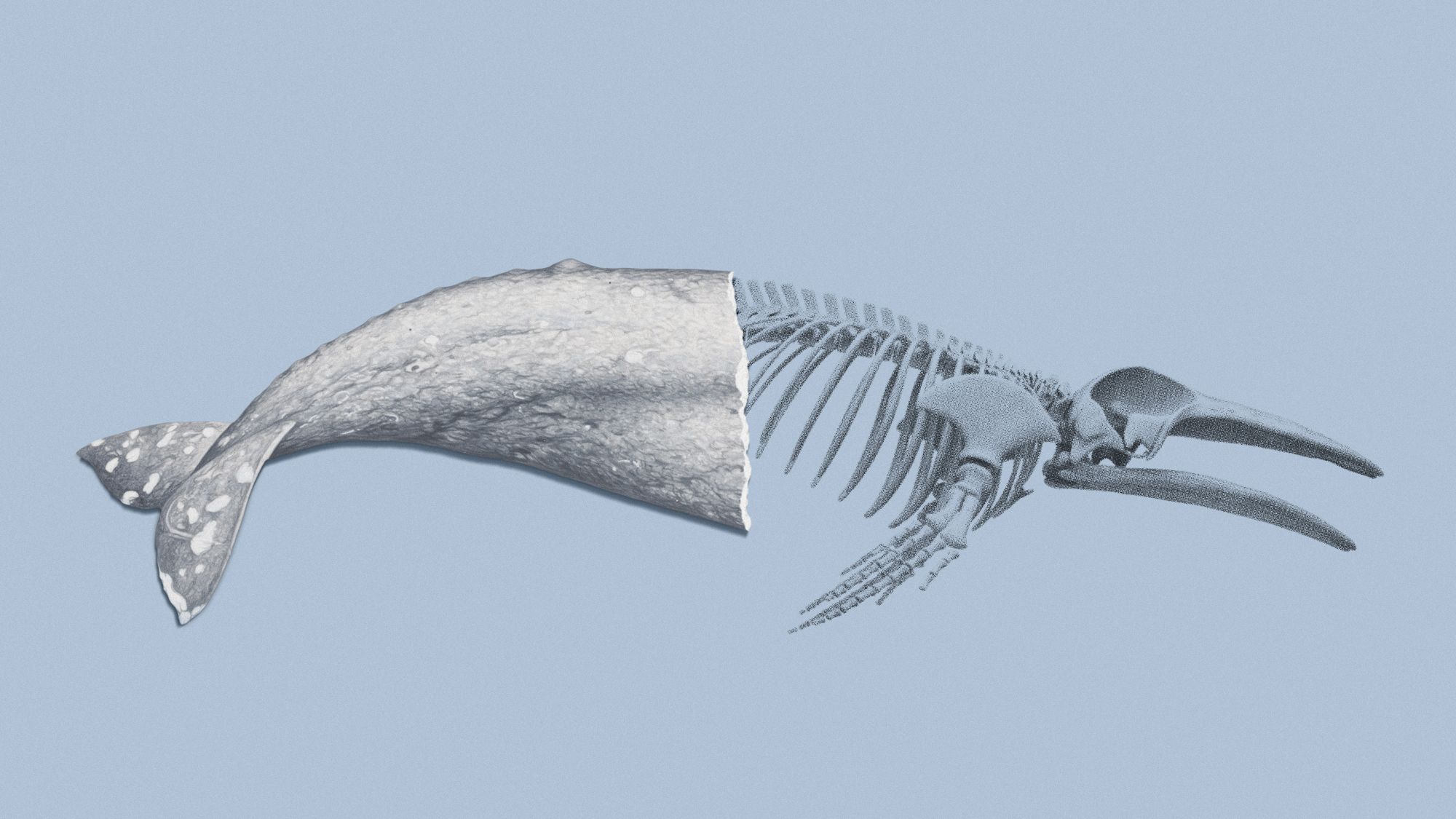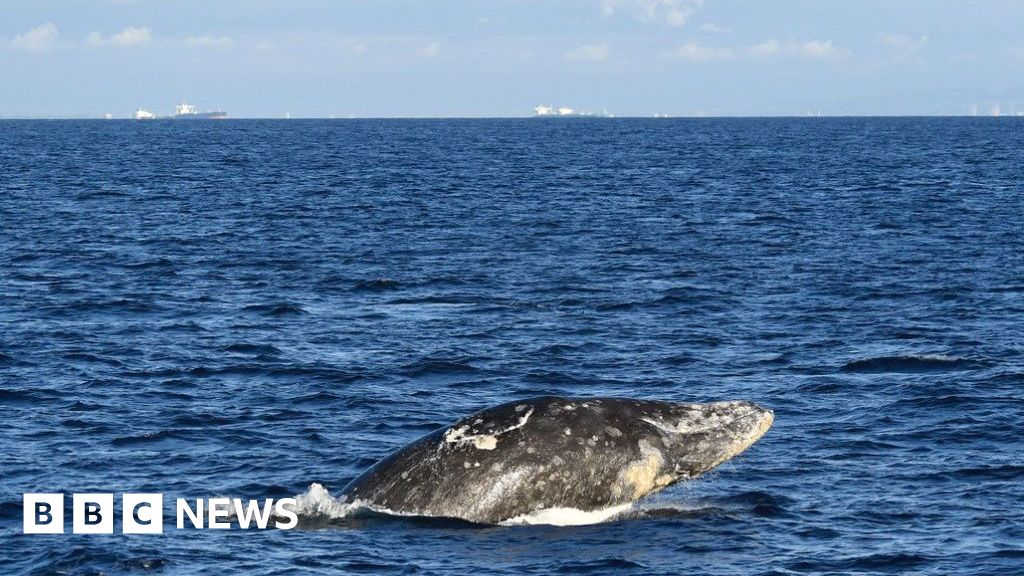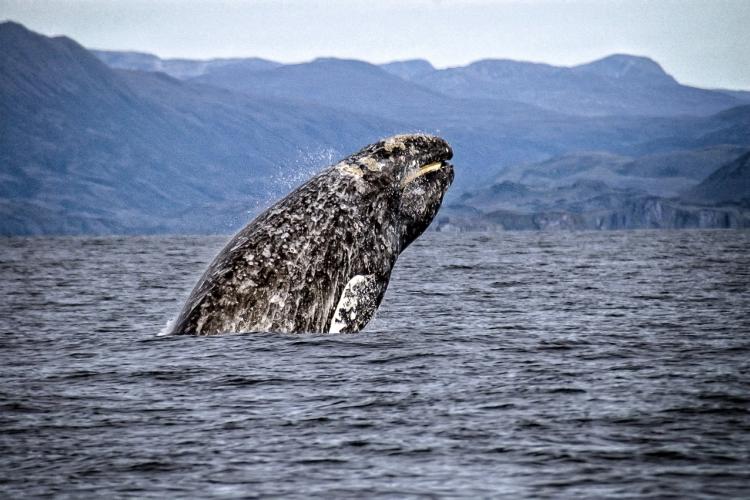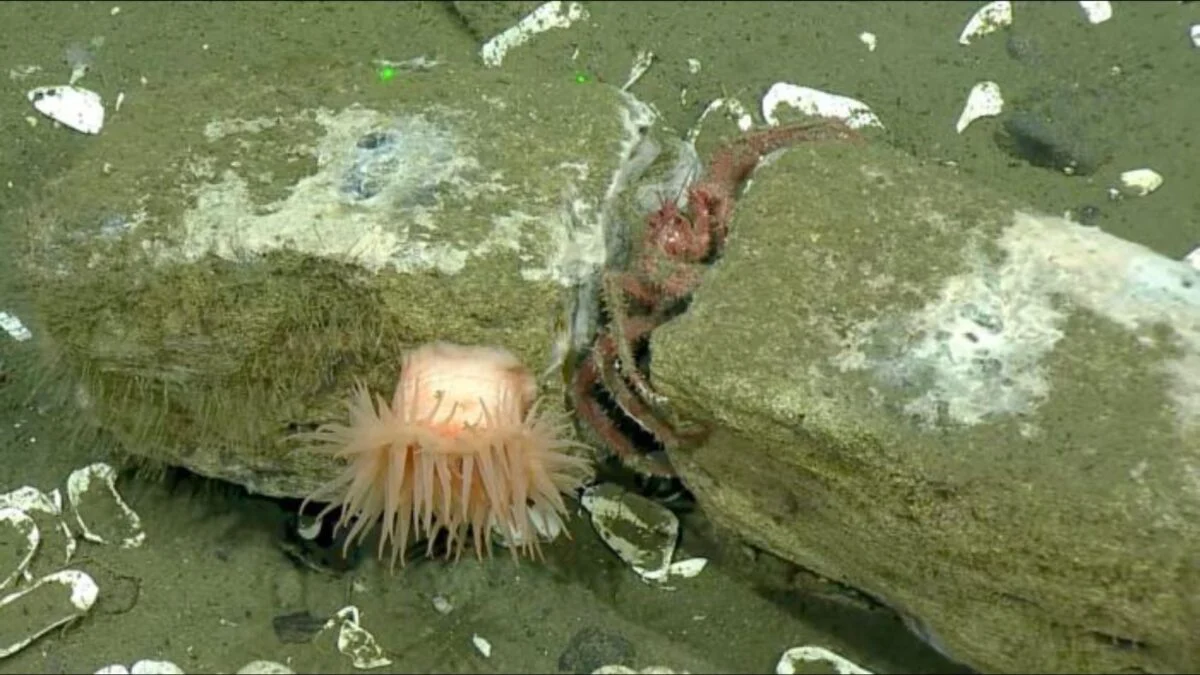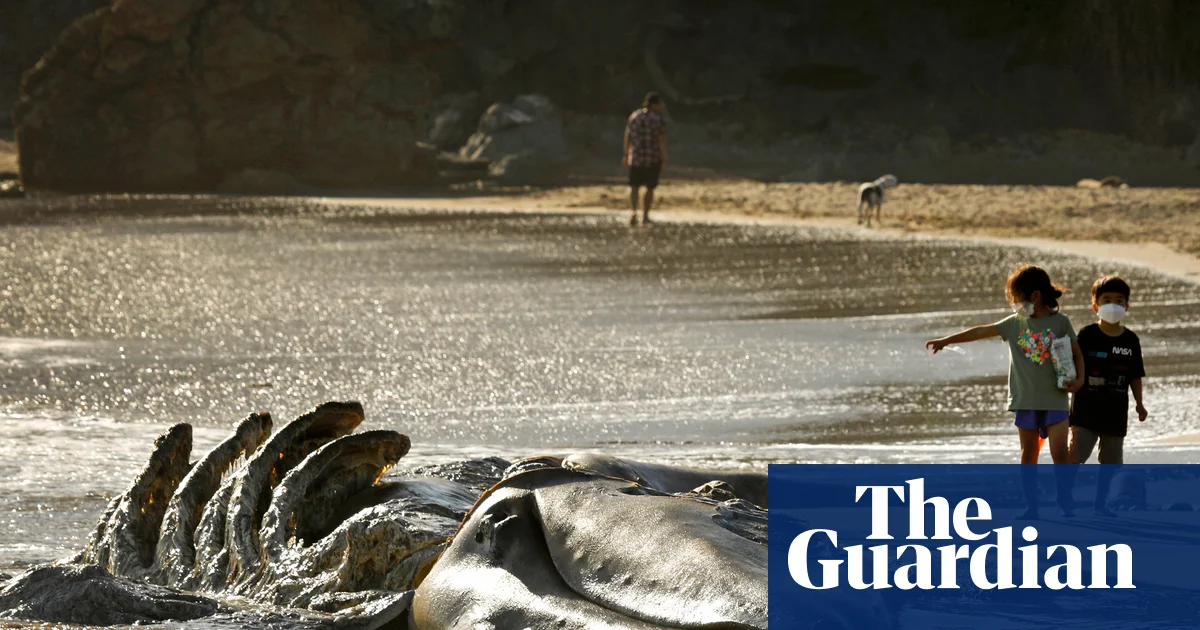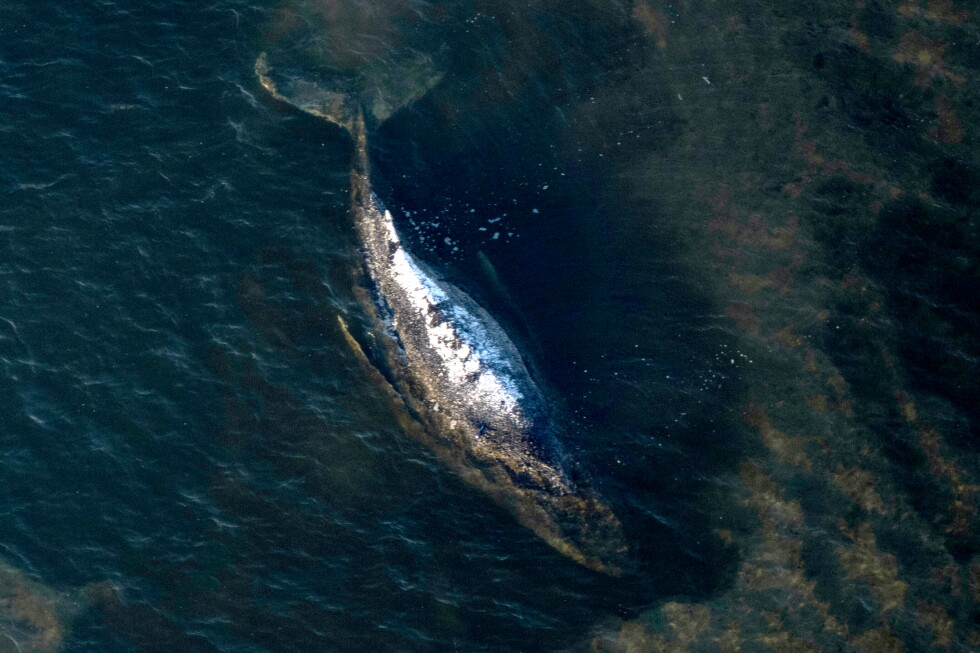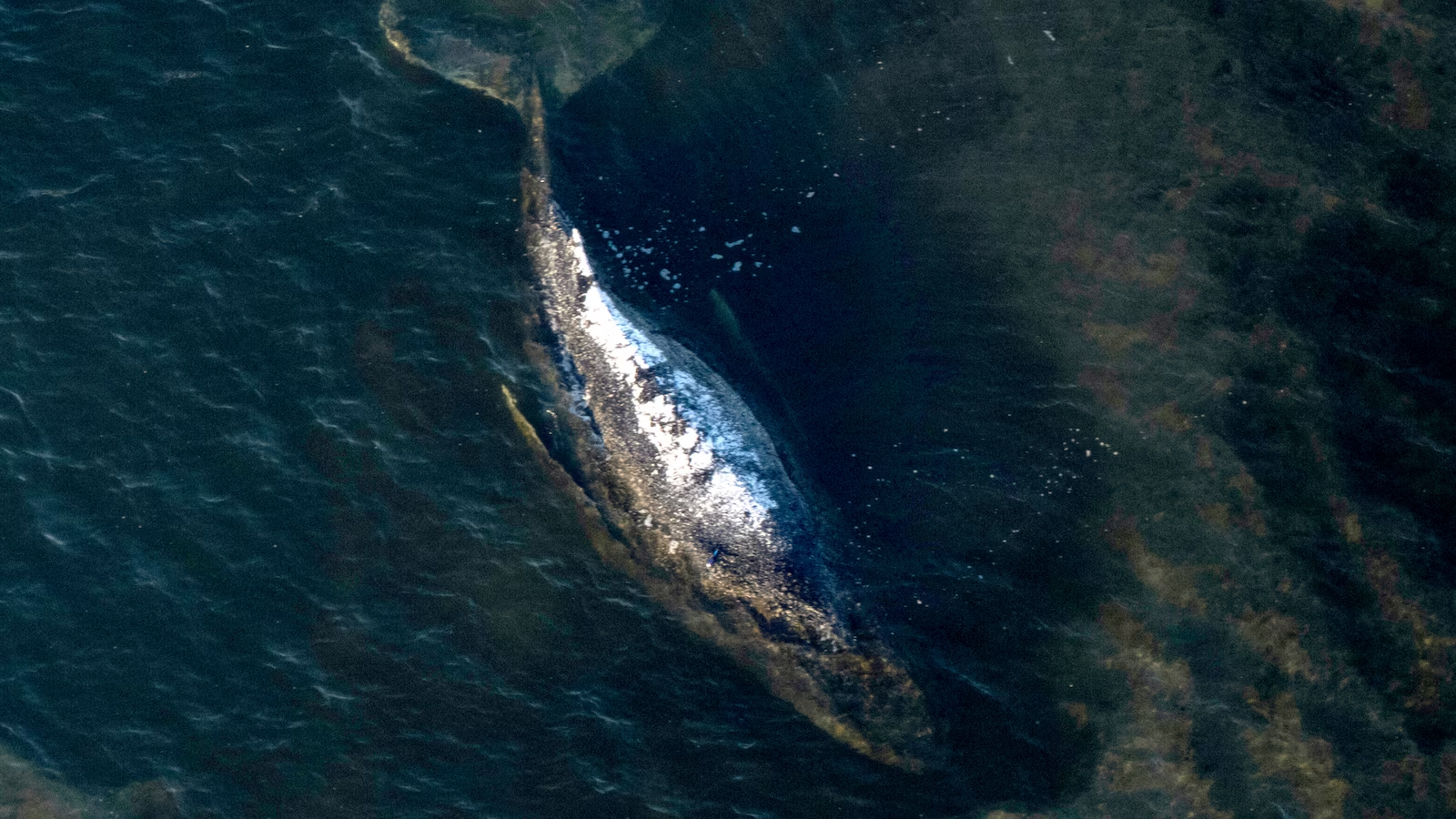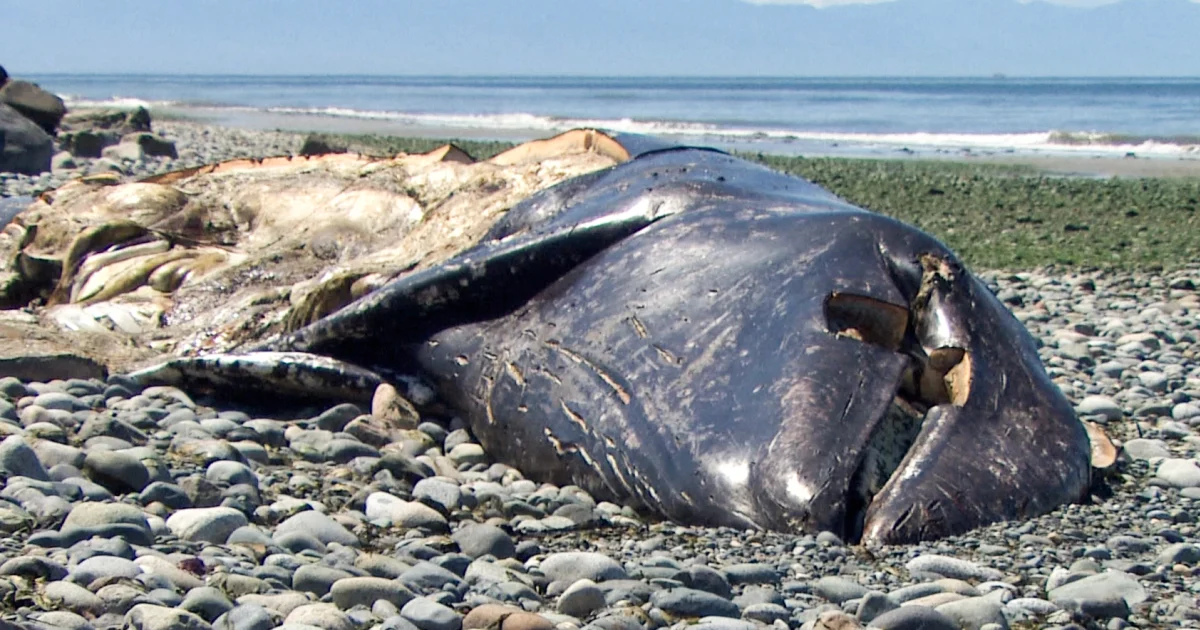
May 25, 2026, 8:00 AM EDTDead, emaciated gray whales have been washing up on Washington state shores at a shocking pace over the last few months. Since March, 21 whales have turned up dead along the shoreline, according to research biologist John Calambokidis.“I am alarmed,” he said. Calambokidis, the founder of the Cascadia Research Collective, has studied gray whales for decades. The species had come to represent one of the most impressive conservation turnarounds in history — until recently. Over the last seven years, Calambokidis said, gray whale populations have suffered a “precipitous decline.” Many of the dead whales have appeared thin and weak. Some exhibited strange behavior before they died, like apparent navigational problems, which could have been a result of their poor condition. Scientists said the plight of gray whales is an example of how global warming is triggering effects — in this case the decline of sea ice — that seem distant but have far-ranging consequences.“We know it’s a food supply issue,” Calambokidis said. “We know the Arctic has gone through dramatic changes because of climate change.” He and other researchers think changes in sea ice have fueled a chain of events that are decreasing the availability of the whales’ favorite prey in the region.“They are very sensitive to these environmental conditions,” said Josh Stewart, an assistant professor at Oregon State University’s Marine Mammal Institute, who has led research into the whales’ decline. “I don’t think we’re ever going to see an Arctic that can support 25,000 gray whales again, at least not in my lifetime.”Gray whales have been washing up on Pacific shores by the dozen since 2019, when the National Oceanic and Atmospheric Administration declared their deaths an “unusual mortality event.” But the species briefly rebounded in 2023, leading some scientists to think the whales were experiencing a cyclical boom and bust, potentially magnified by climate change. It has been in free fall for the last few years. “We thought we were seeing a bit of rebound, but it was so short-lived,” Calambokidis said. Rather than alternating between boom and bust, he added, a more accurate description of the whales’ trajectory is “boom, bust, bust, bust.” Most Eastern North Pacific gray whales travel north every spring and summer to the Arctic, where they feast on tiny shrimplike creatures called amphipods. Then the whales swim south in the fall to spend winter in lagoons off Mexico, where they reproduce and raise calves. Tourists watch a gray whale surface and spout off Guerrero Negro, Mexico, in January 2023.Brian van der Brug / Los Angeles Times via Getty ImagesWhile they are in the Arctic, the whales typically feed for four to six months, Stewart said. Then, for the next six to eight months, they largely fast. That means the Arctic feeding grounds are their most important source of food. Why food is less available in the region is complex, and scientists are still untangling it. What they know, according to Stewart, is that the system used to work like this: Algae would grow on the bottom of sea ice, then fall to the seafloor as the sea ice melted. The algae would dissolve and fertilize a productive seafloor, feeding amphipods in the sediment. Whales would suck up the dirt and find the nutritious critters inside. Now, researchers think sea ice is melting earlier in the year, allowing sunlight to reach the water column earlier. That promotes the growth of phytoplankton and other species, which take in some of the nutrients that used to reach the seafloor. Scientists think that is reducing the overall amount of prey available to the whales. For gray whales, the cost of a bad summer is often paid the following spring, when the trip north costs them more energy than they were able to accumulate through feeding the year before. “Right now, as they migrate north, is when they’re skinniest. It’s the longest since they’ve last eaten, and it’s when they’re the most sensitive and most vulnerable to dying from starvation,” Stewart said. Calambokidis said some whales have turned up in odd places this season, including one that swam up the Wilapa River in Washington and died, possibly searching for sustenance to finish its journey. “As these animals become malnourished, they become more desperate, and I also think they become debilitated and less aware of their surroundings and they lose their navigational sense,” Calambokidis said. NOAA’s latest estimates suggest the gray whale population has fallen from 27,430 whales a decade ago to 12,950 last summer, though Stewart cautioned that the modeling is not precise and is likely to overstate the decline. Not all Pacific gray whales are so reliant on the Arctic, however. A small population of about a dozen whales, sometimes called Sounders, detours from the typical migration route to eat ghost shrimp in northern Puget Sound, north of Seattle, and then farther north to the Bering and Chukchi seas. Another subset, called the Pacific Feeding Group, has more than 200 whales and spends summers in coastal waters off Northern California, Oregon, Washington and southern Canada. The relatively small groups have been resilient to the broader pattern of decline. 00:40“It gives us some indication that there may be other foraging strategies other gray whales will be able to take up to weather environmental storms long term,” said Elliott Hazen, a research ecologist at NOAA’s Southwest Fisheries Science Center. In the 19th and early 20th centuries, Eastern North Pacific gray whale populations were devastated by commercial whaling. Stewart said populations most likely dropped to as low as about 1,000 or even a few hundred. But after restrictions on whaling were implemented and the animals became protected under the Marine Mammal Protection Act, gray whales were one of the whale species fastest to rebound. The species was removed from the endangered list in 1994. Stewart said that he doesn’t fear the whales are at risk of extinction but that progress is being undone. “We’re significantly lower in abundance than when the species was delisted from the Endangered Species Act, so we are in uncharted territory from a recovery perspective,” he said.
3 months, 21 dead gray whales: Why so many carcasses are washing up on Pacific shores
Many of the dead whales have appeared thin and weak. Researchers think there’s a problem with their food supply in the Arctic — a result of melting ice.
1,016 words~5 min read