Ignoring the economic realities of new taxes breeds distrust and will only make it harder to create a genuine fiscal union
The EU’s cross-institutional disputes over the next seven-year spending plan are a little like a married couple arguing about money – it’s not really about the money. Instead, it’s about control and power, reflected in their competing visions of EU integration.
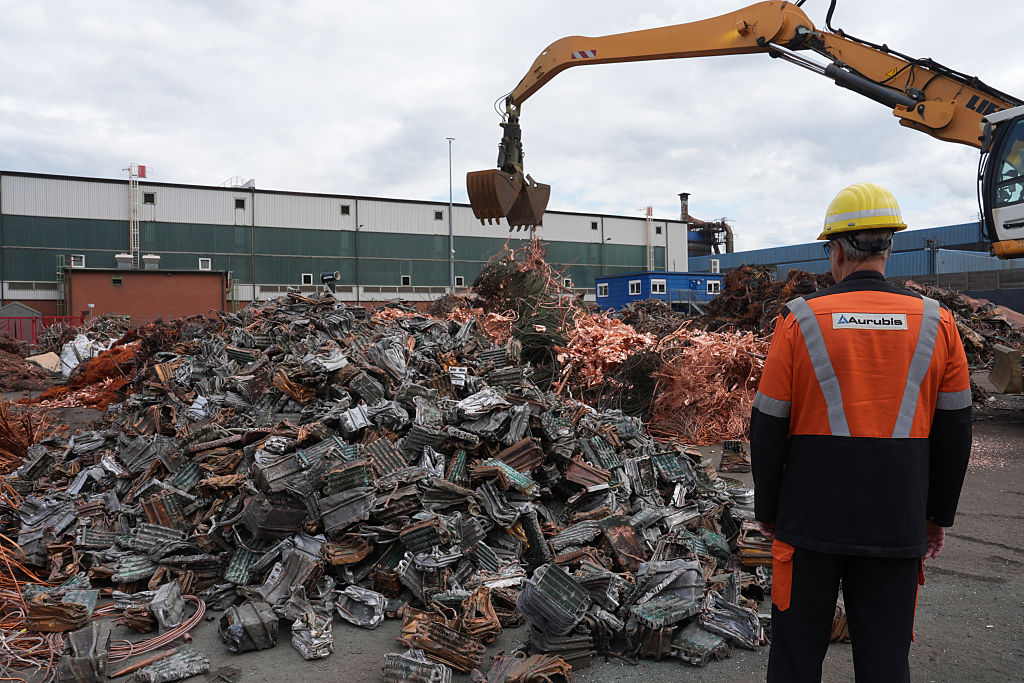
Currently, the European Commission has plans to generate more tax revenue to fund the forthcoming Multiannual Financial Framework (MFF), the long-term budget running from 2028 to 2034. The almost €2 trillion proposal includes five ideas for revenue streams projected to raise €58.2 billion annually; these so-called ‘new own resources‘ will feature levies on carbon imports and carbon emission trading, electronic waste, tobacco consumption, and corporate turnover.
But the truth is, without serious reform, the EU isn’t ready for new taxation. The bloc should fix its existing fiscal levers instead.
Log in to continue reading for free