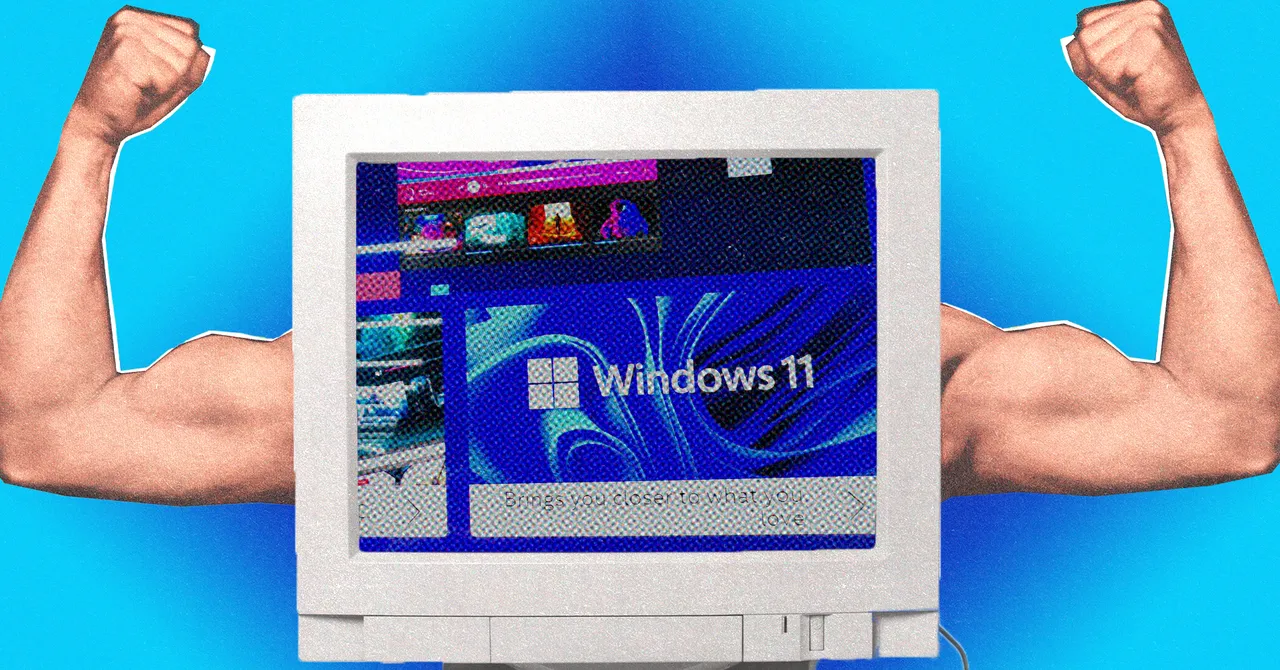
It's the end of the road for Windows 10—at least, in terms of its official end-of-life point, as determined by Microsoft. The operating system will keep working, but it will be much less secure, and won't get any more updates or security patches (unless you pay Microsoft to extend support for another year).If you're still on Windows 10, and you don't meet the minimum requirements for Windows 11—which many older PCs don't—then there is a potential solution in the form of Tiny11. This unofficial, stripped-down version of Windows 11 cuts out the clutter for a leaner, more lightweight experience, and it can run on machines that don't support the full-fat Windows 11 released by Microsoft.It's not just a potential option for those upgrading from Windows 10—it's something that anyone who'd like a less bloated version of Windows 11 can try. Do bear in mind though that it isn't endorsed by Microsoft, so there are some caveats to consider, which we'll get into below.What Is Tiny11?The history of Tiny11 goes back many years. So far back, in fact, that it actually predates Windows 11; it was previously known as Tiny10. The idea is that you get a streamlined version of Microsoft's desktop operating system, reducing bloat without cutting out anything that's crucial to the user experience.A lot of the preinstalled Windows 11 apps are cut out from the Tiny11 experience, for example. These include Mail, Calendar, Alarms, Weather, and even Solitaire. You don't get the Media Player, you don't get Microsoft Edge, and you don't get the OneDrive integration. This makes it worth a look for those who like Windows but not all the Microsoft extras.There are now many different features and components in Windows 11.
Use Tiny11 to Rescue a Computer Running Windows 10
If you can’t—or don’t want to—upgrade to full Windows 11, consider this lightweight version of Microsoft’s operating system that works on a wide range of computers.
1,003 words~5 min read