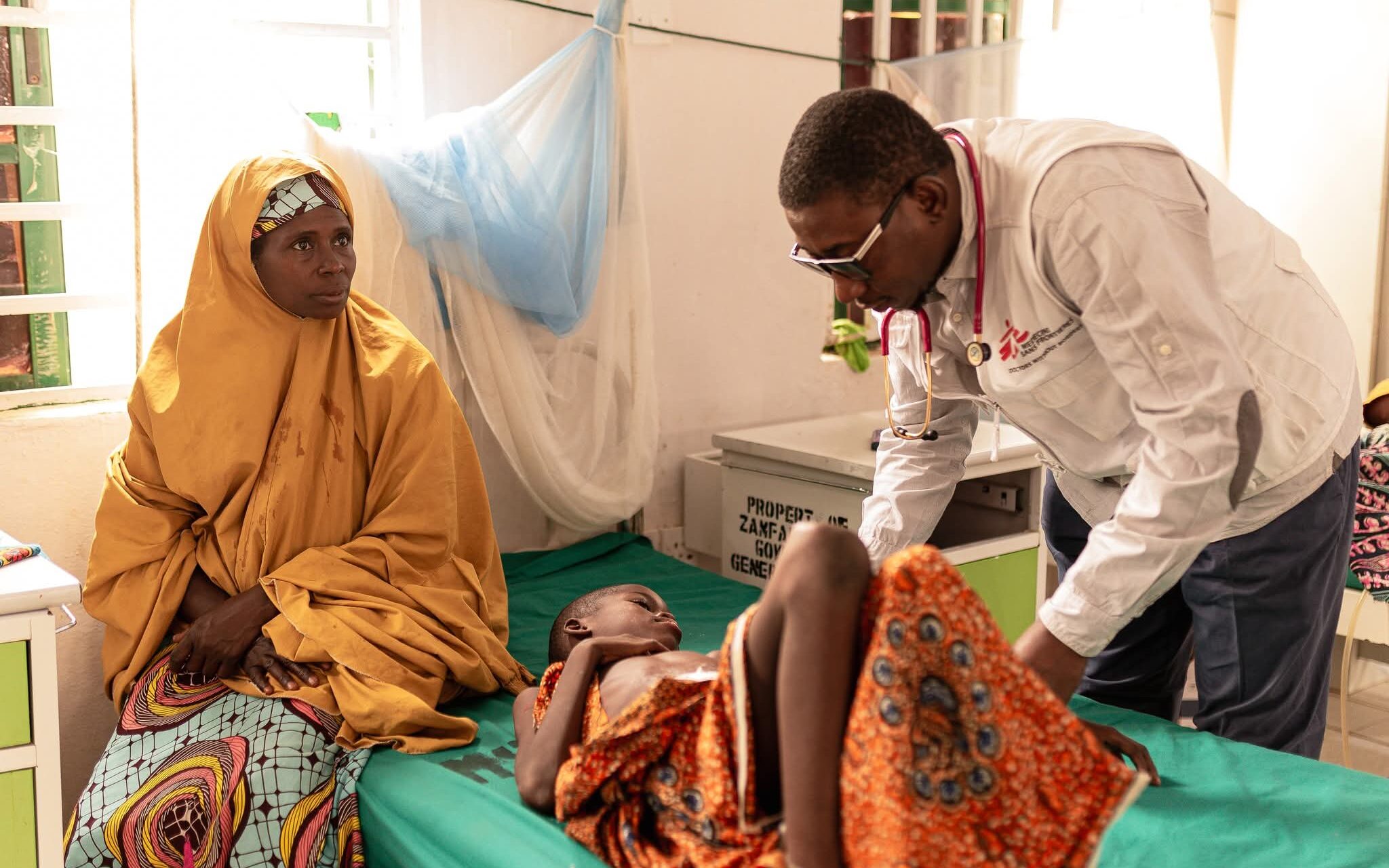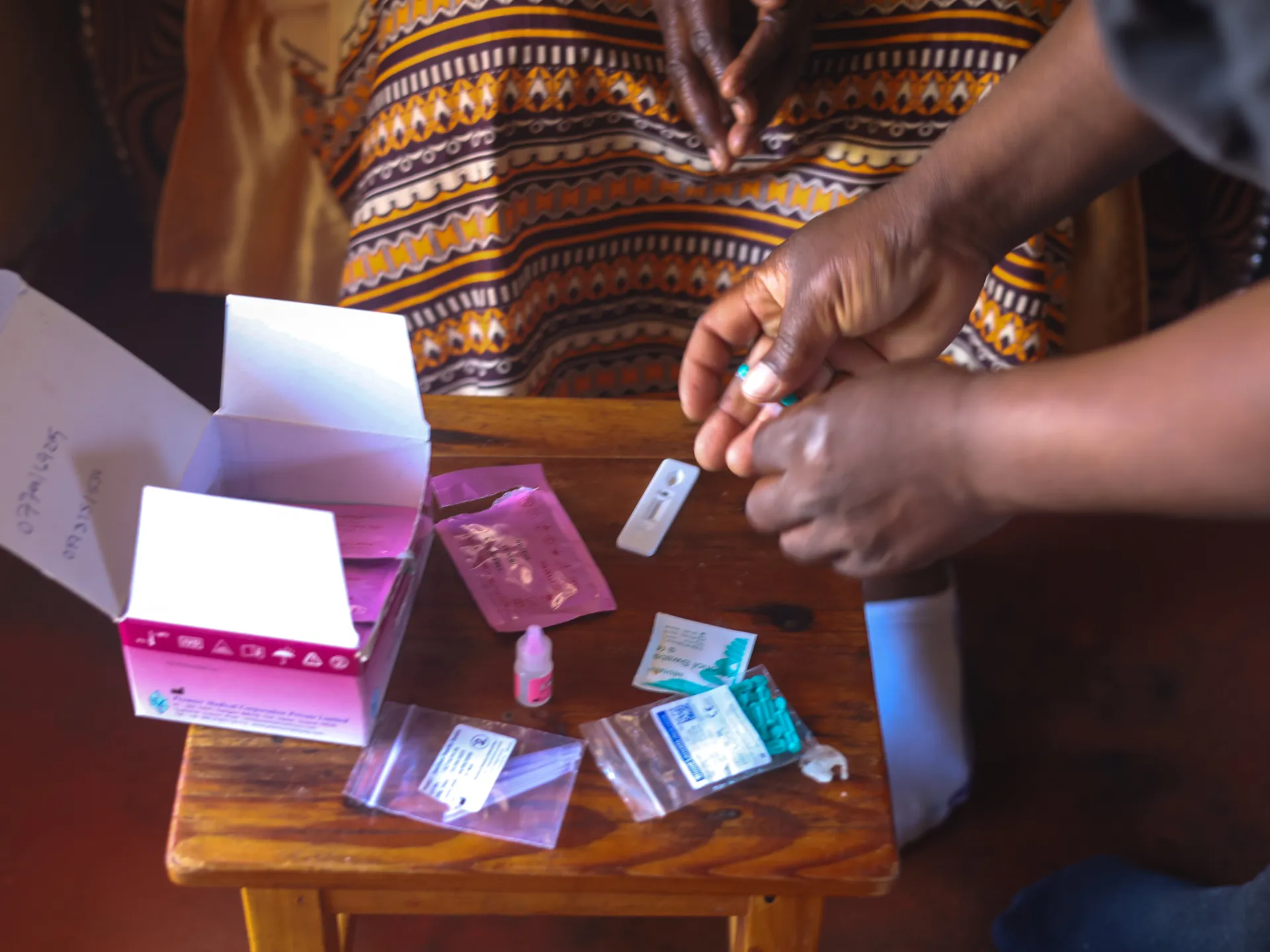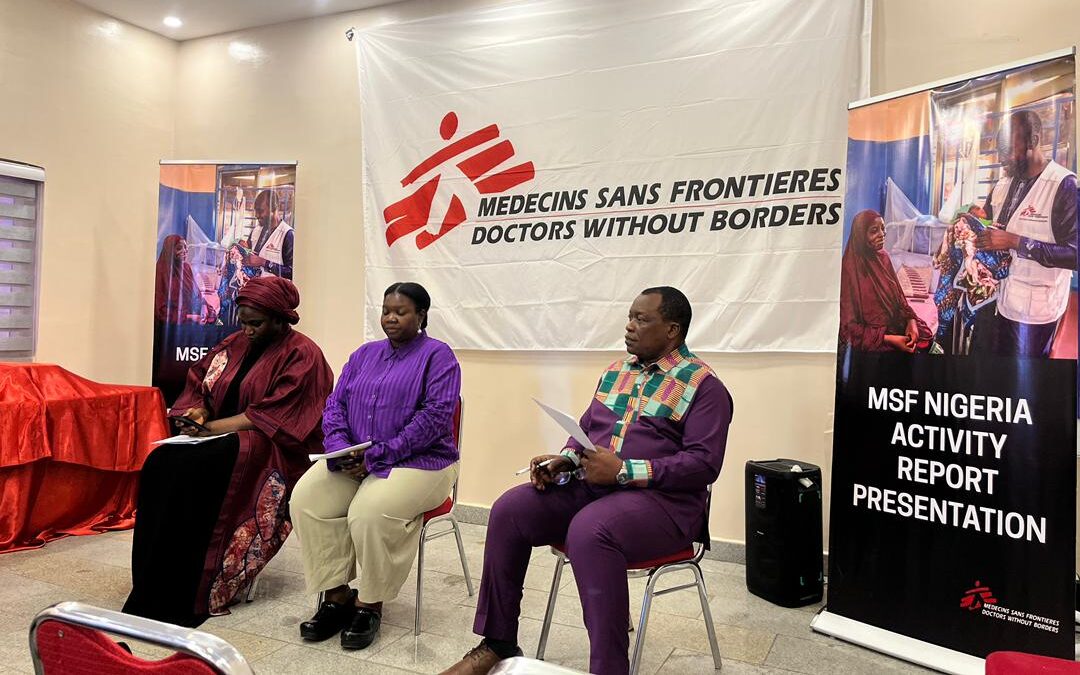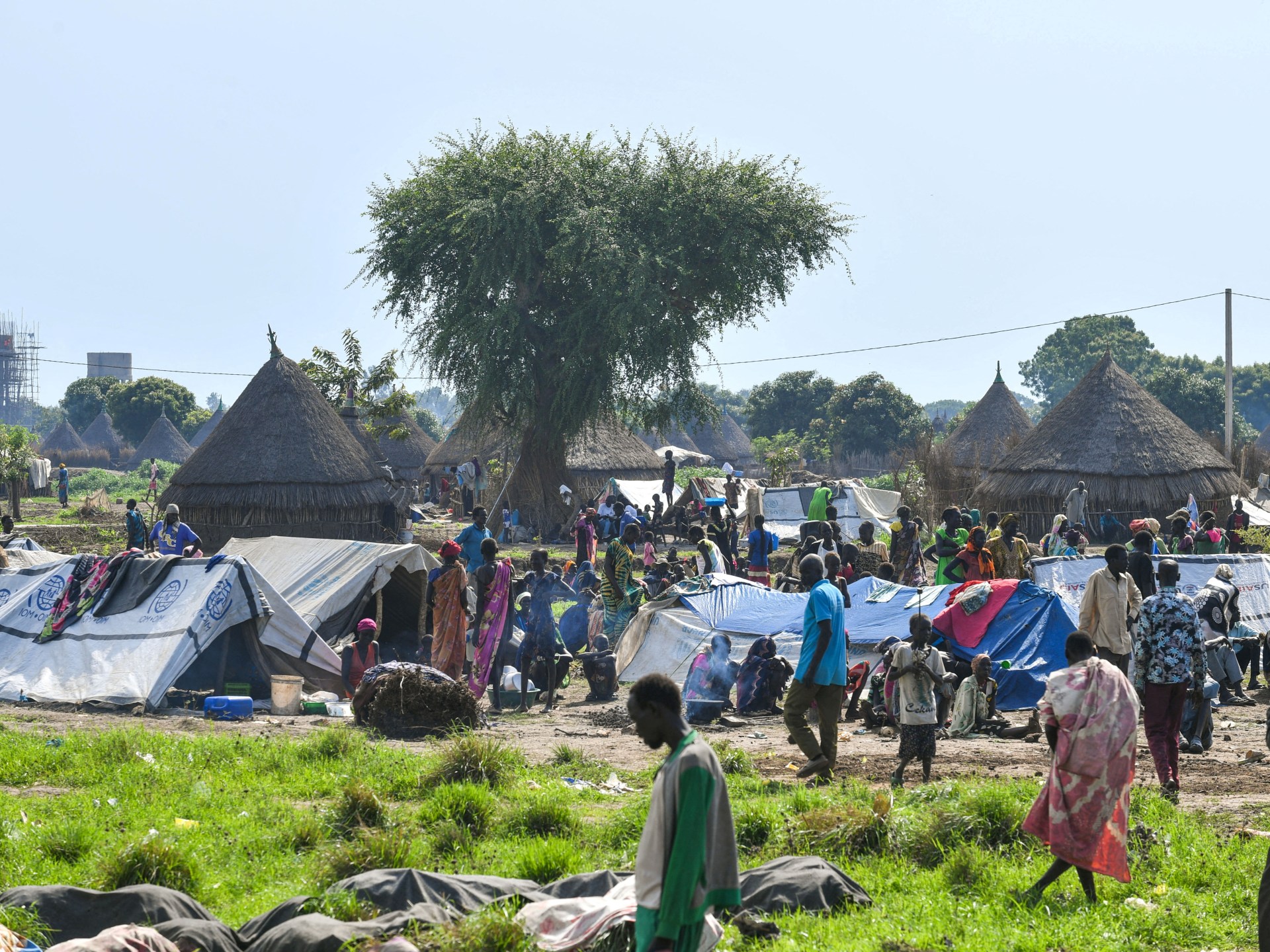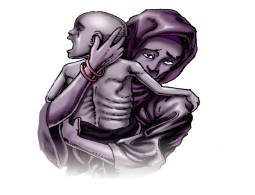
A humanitarian medical organisation, Médecins Sans Frontières, has raised alarm over worsening health and humanitarian conditions in northwestern Nigeria, warning that the rainy season is driving deadly outbreaks of malaria, cholera, typhoid and acute malnutrition across vulnerable communities in Zamfara State.
In a statement issued on Monday, the organisation said the annual rains, which usually begin between May and September, have become a “season of death” for many families already displaced and impoverished by years of armed violence and insecurity.
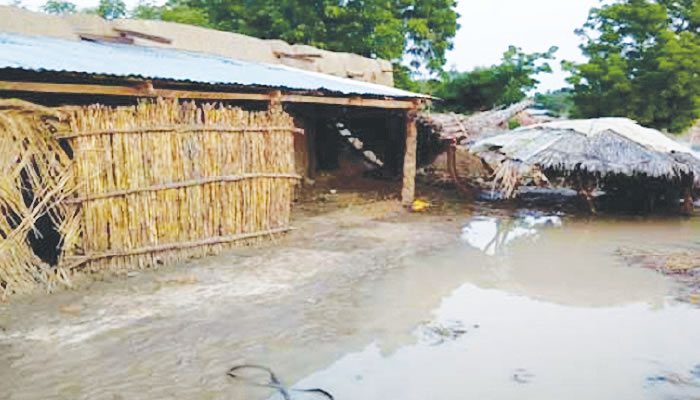
According to MSF, flooding, stagnant water, poor sanitation and overcrowded living conditions are increasing the spread of infectious diseases, while worsening food shortages and limited access to healthcare continue to expose thousands of residents to preventable deaths.
“The rainy season affects the way we see patients. It increases the risks and transmission of many diseases, like malaria, cholera and other acute watery diarrheal diseases,” said Sani Adamu, Nursing Activity Manager at MSF hospital in Zamfara.
He explained that stagnant floodwater creates breeding grounds for mosquitoes, causing malaria cases to surge, while contaminated water sources contribute to outbreaks of cholera, typhoid fever and other waterborne illnesses.