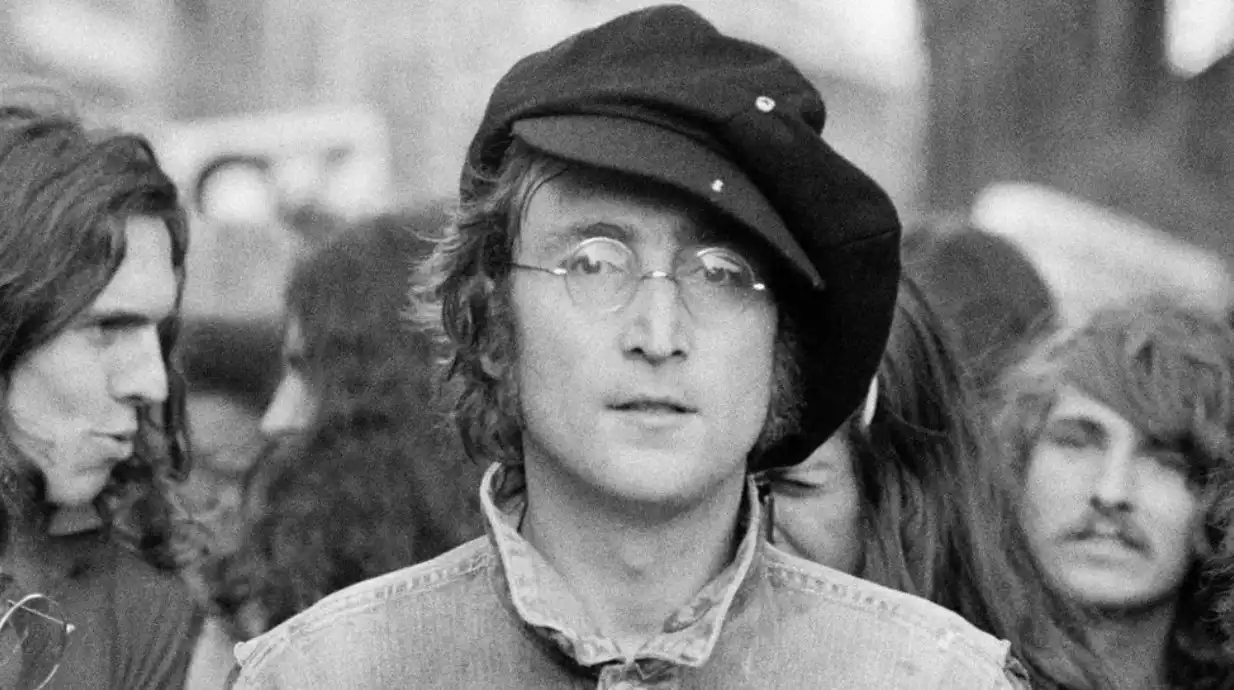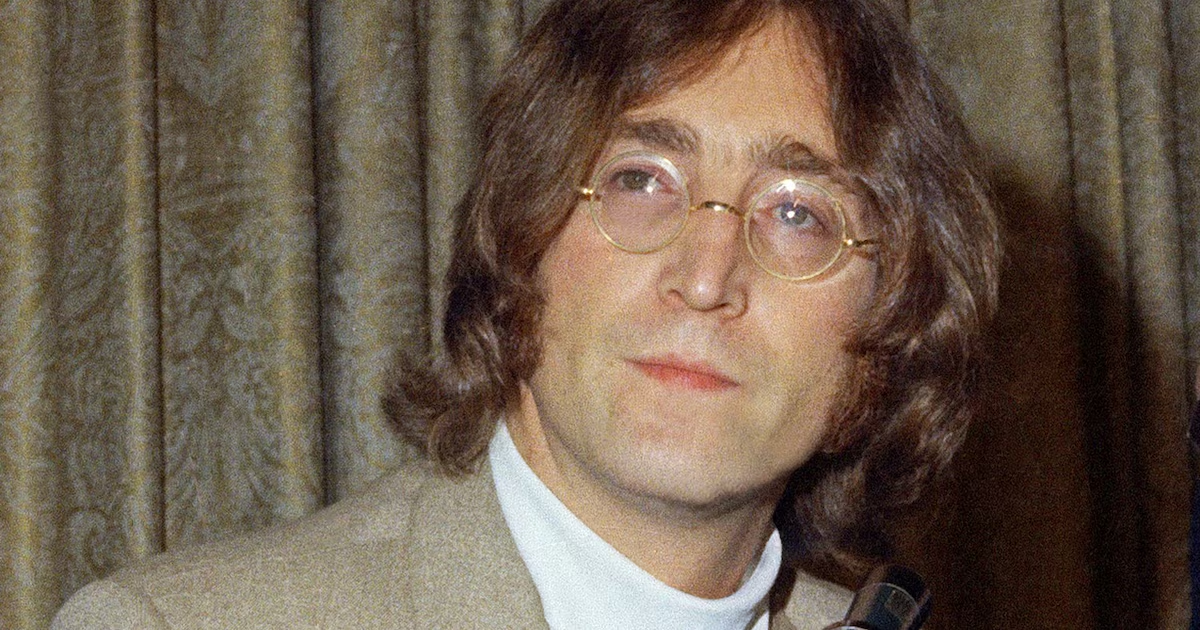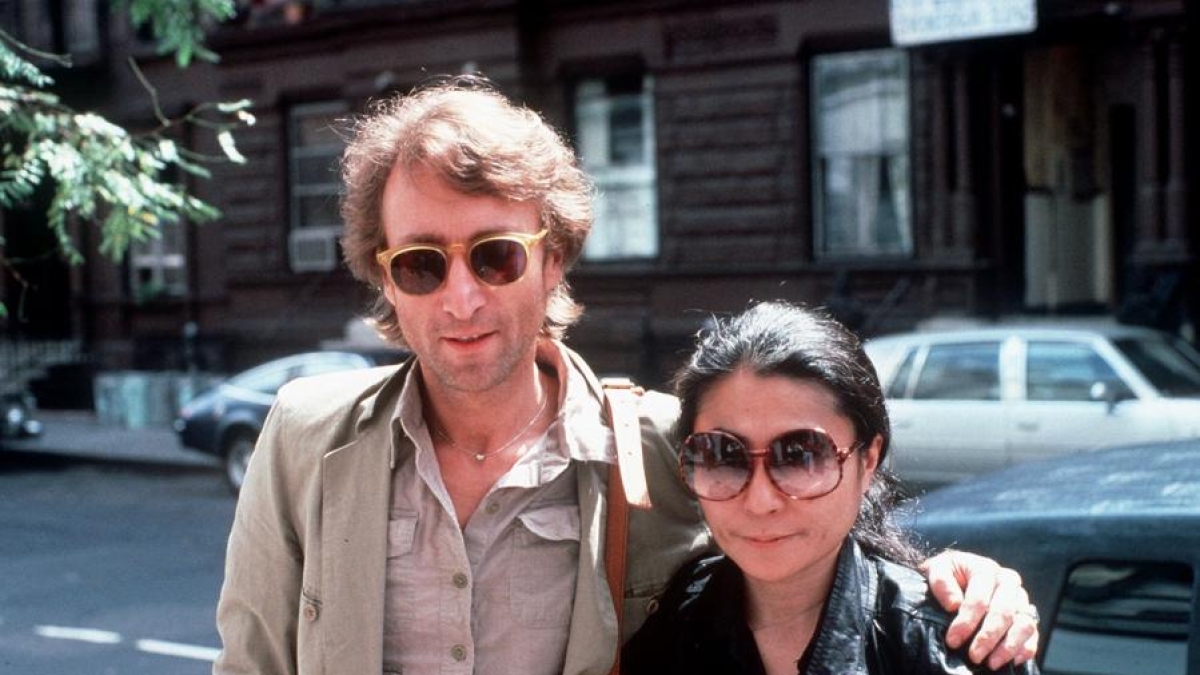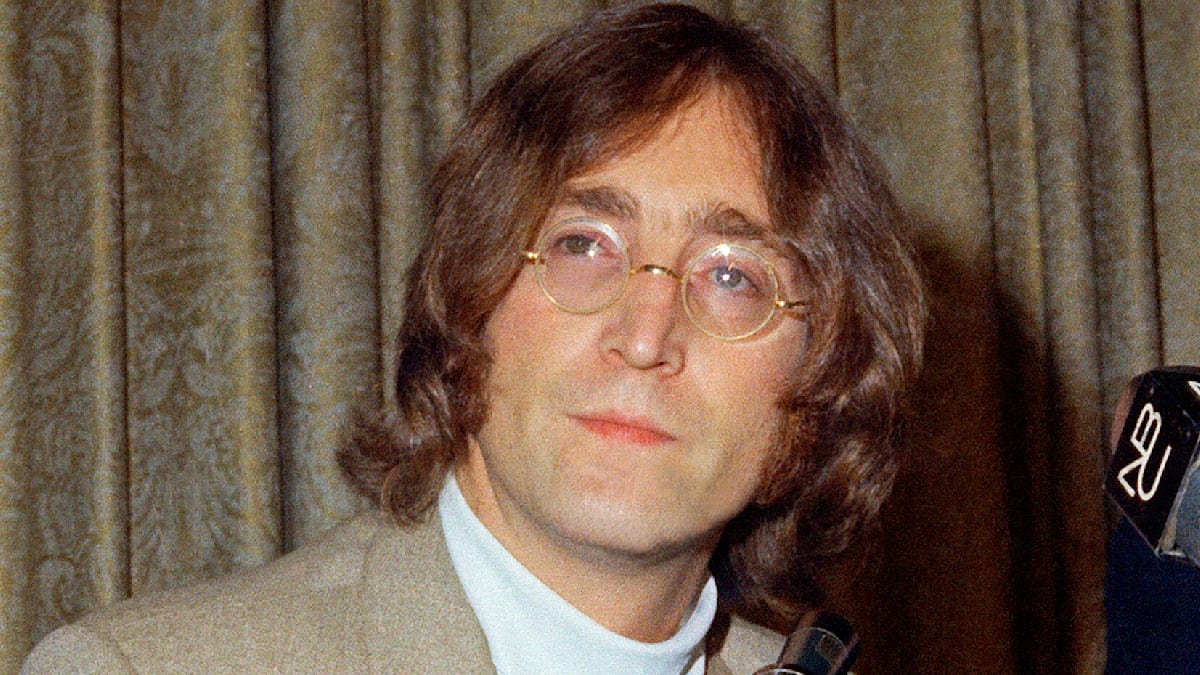
On 2 November 2023, a dead man released a new song. John Lennon, murdered outside his Manhattan apartment building in December 1980, sang lead vocals on “Now and Then,” the final Beatles single, almost 43 years after his killing. His voice was not synthesised, not cloned, not approximated by an algorithm trained on his catalogue. It was his actual voice, recorded on a cheap cassette player at the Dakota building sometime around 1977, rescued from decades of technical oblivion by machine learning software that could do what no human engineer had managed in nearly three decades of trying: separate his singing from the piano bleeding through beneath it.
The technology that made this possible, a neural network called MAL (a double homage to the HAL computer in 2001: A Space Odyssey and the Beatles' road manager Mal Evans), was developed by Peter Jackson's WingNut Films during the production of the documentary series Get Back. Its purpose was straightforward if technically extraordinary. MAL could be taught to recognise individual sound sources within a mono recording and then isolate them, pulling apart instruments and voices that had been fused together on a single track. As Giles Martin, the song's co-producer and son of legendary Beatles producer George Martin, explained to Variety: “Essentially, what the machine learning does is it recognises someone's voice. So if you and I have a conversation and we're in a crowded room and there's a piano playing in the background, we can teach the AI what the sound of your voice, the sound of my voice, and it can extract those voices.”