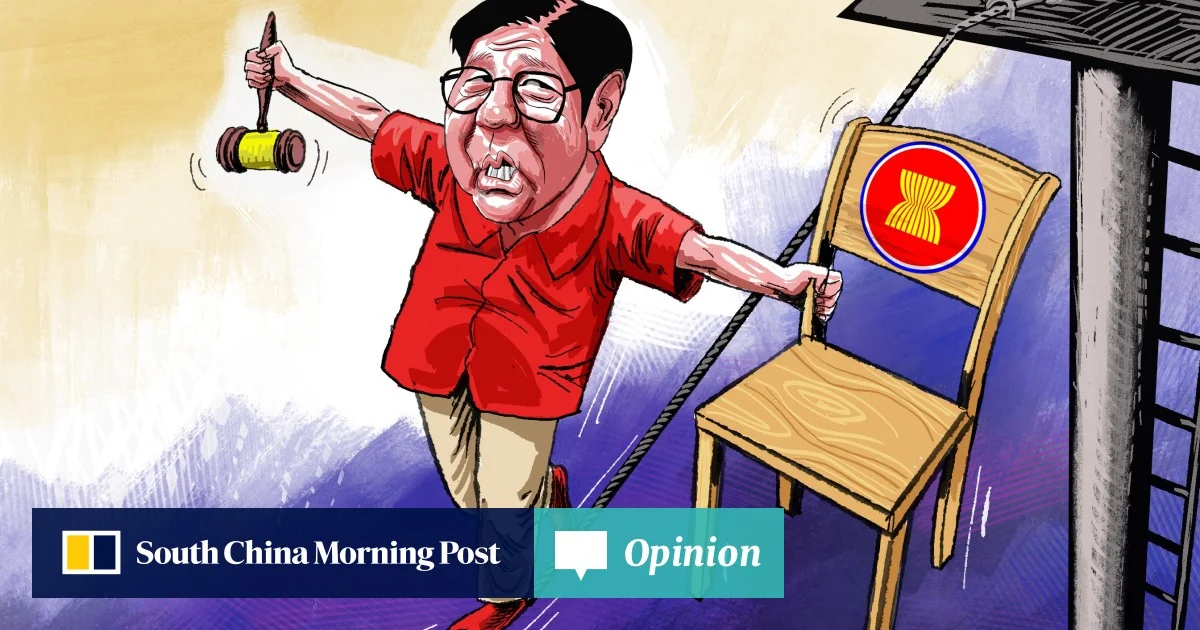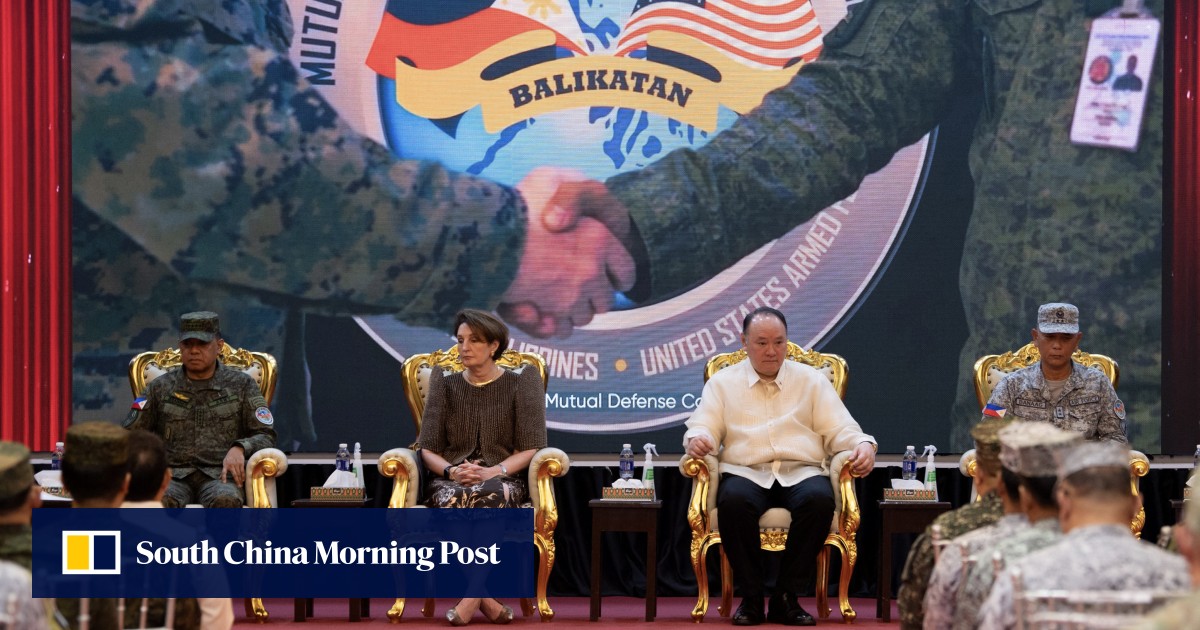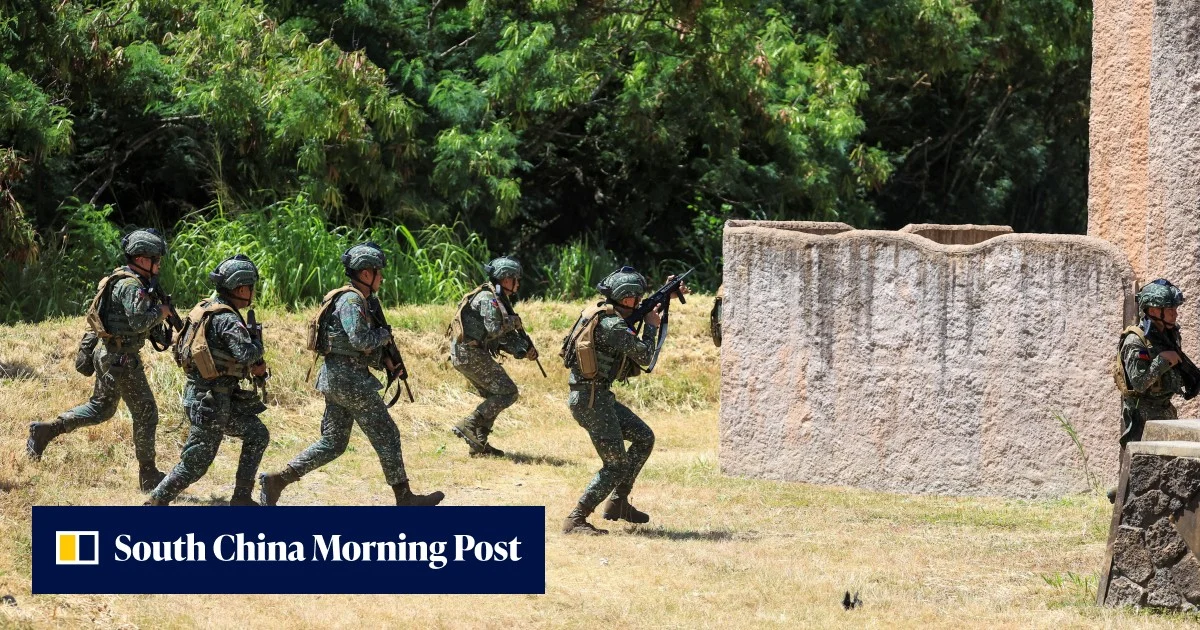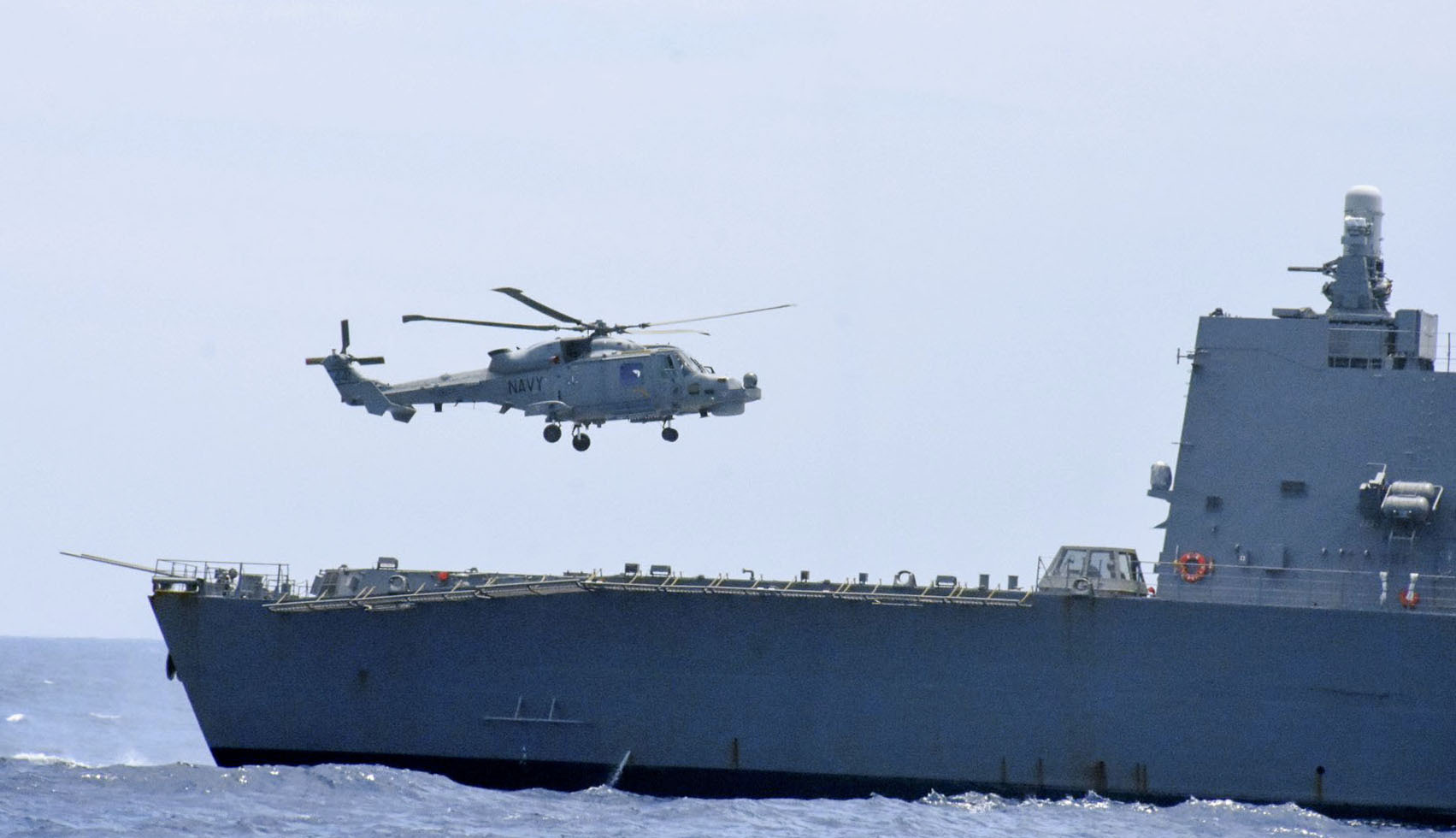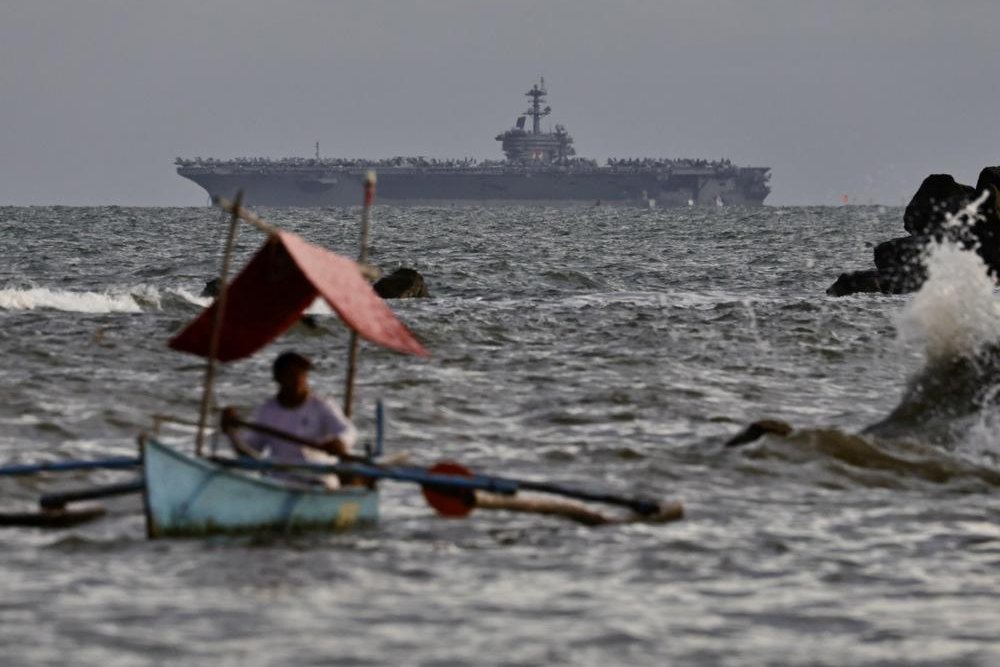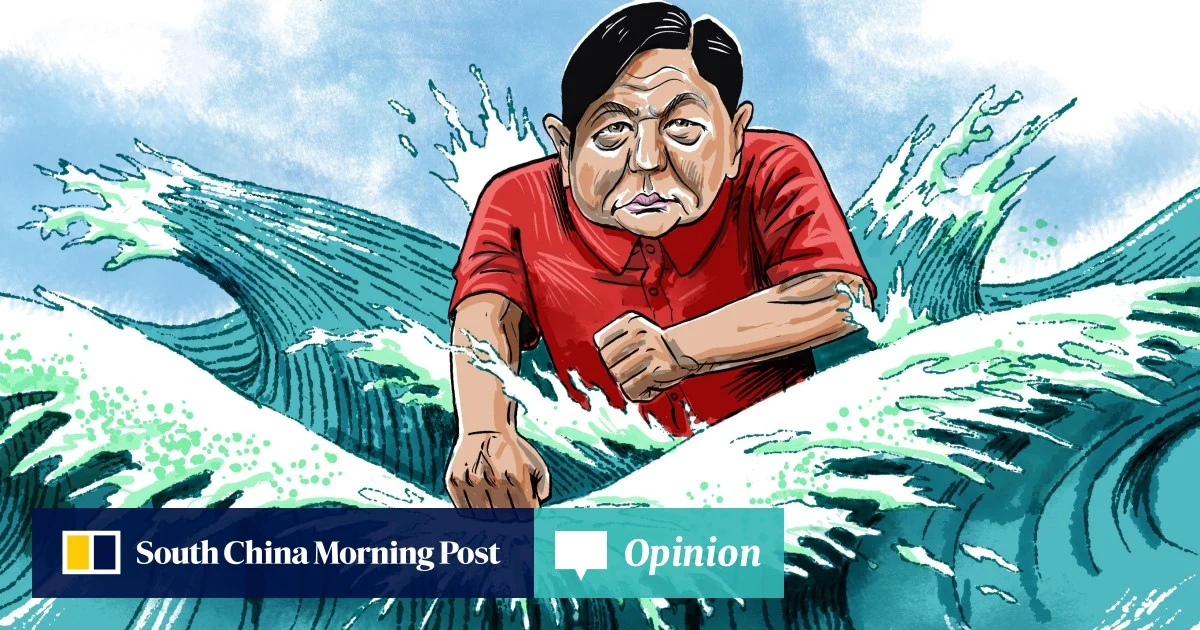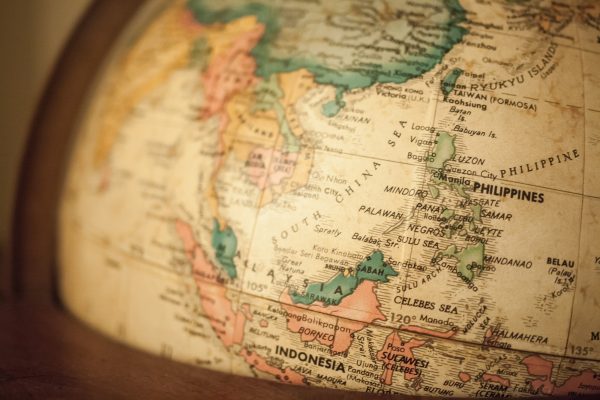
There is a perception in foreign policy circles that despite the unpredictability and sweeping changes in U.S. foreign policy toward allies and partners under President Donald Trump, the Philippines remains one of the few countries firmly aligned with Washington, as ASEAN member states calibrate their positions between the world’s superpower and the region’s dominant power – China.
Recent research reinforces this perception. In the latest State of Southeast Asia public opinion survey by the ISEAS-Yusof Ishak Institute, Philippine respondents chose the U.S. over China by the widest margin among ASEAN member-states – 77 percent versus 23 percent – when forced to pick between the two powers. The 2026 report also showed that across Southeast Asia as a whole, China emerged as the preferred choice over the U.S., a reversal of the Institute’s 2025 findings.
The Southeast Asia Influence Index 2025 by Sydney’s Lowy Institute similarly found that while China holds greater influence over the U.S. in the majority of ASEAN member states, the Philippines, alongside Singapore and Timor-Leste, was among the few countries where the U.S. ranked higher across all five measures of influence: economic relationships, defense networks, cultural influence, diplomatic relationships, and regional engagement.