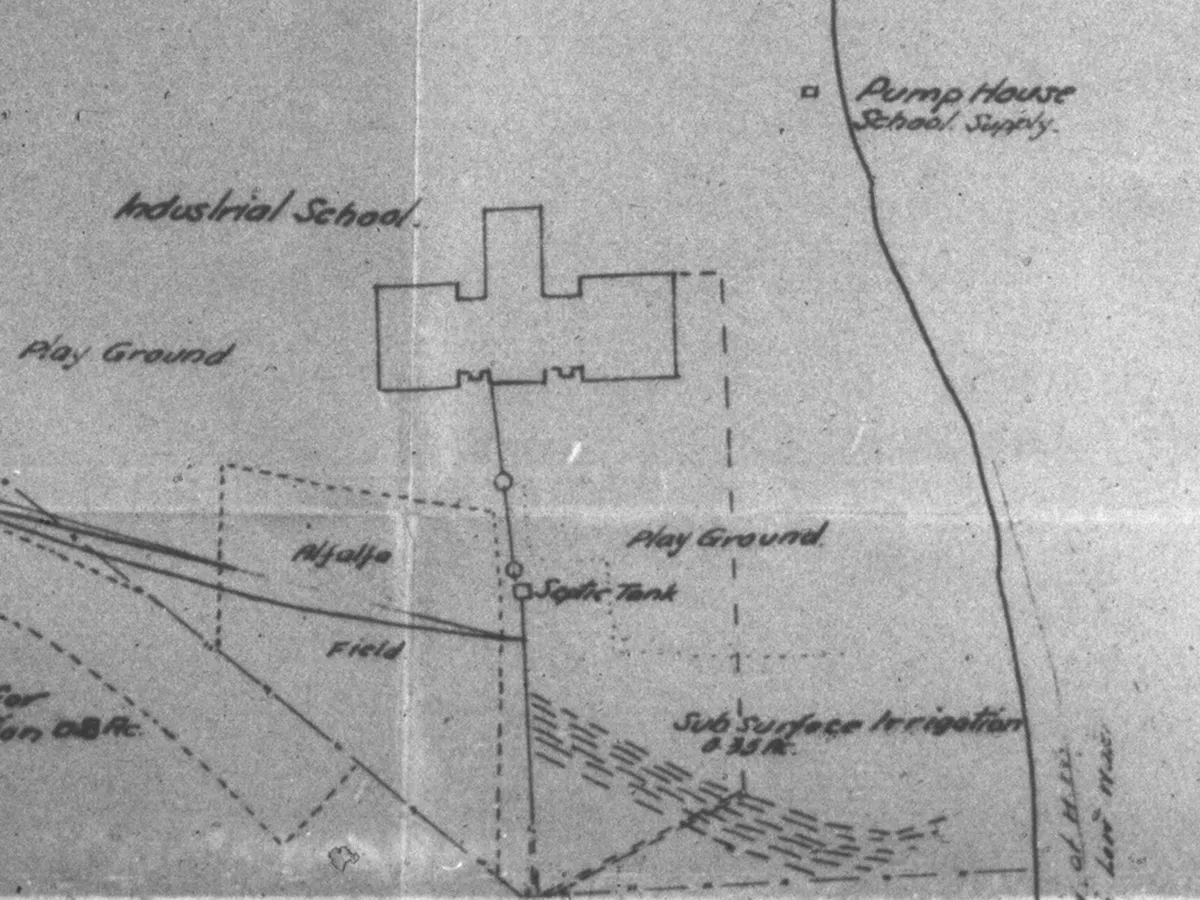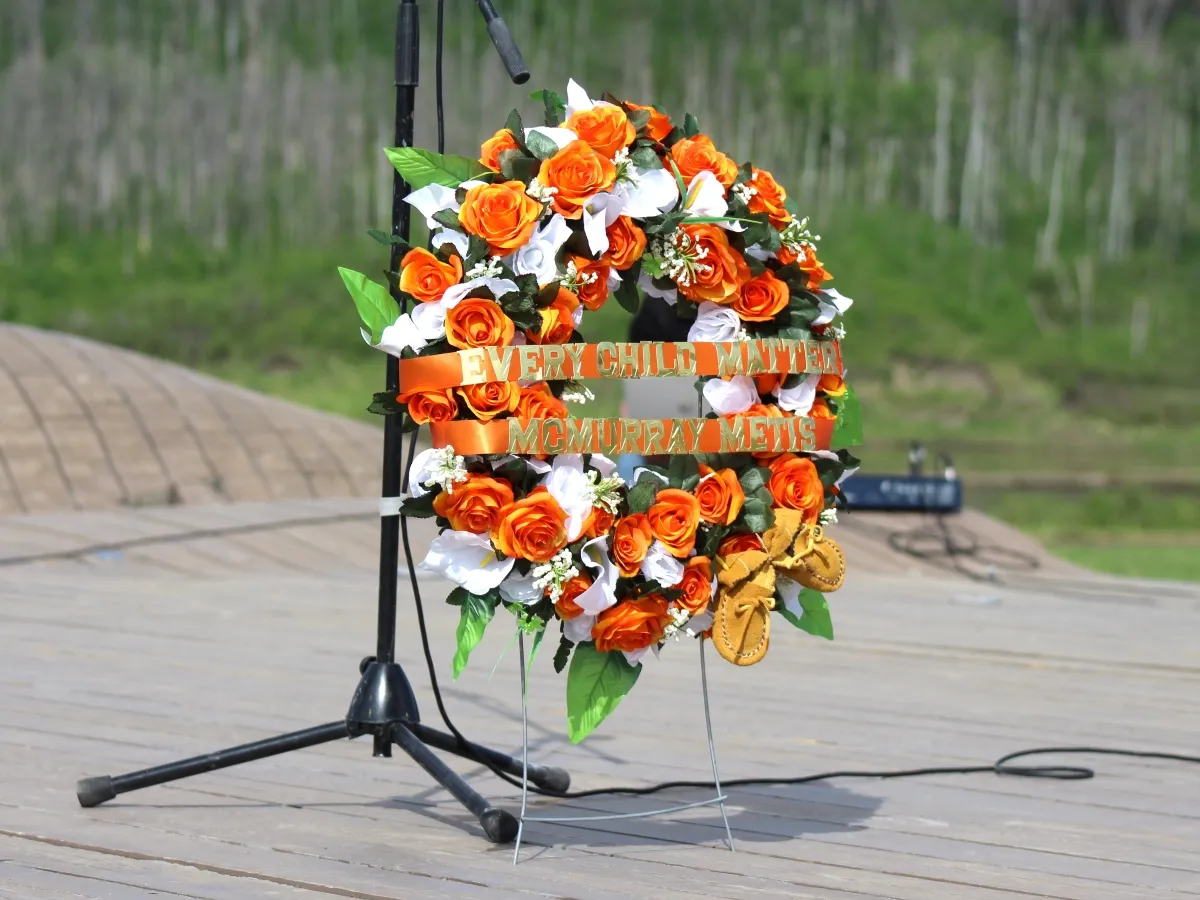
Skip to Content Subscribe Our Offers My Account Manage My Subscriptions FAQ Newsletters Canada Canadian True Crime Canadian Politics Health World Israel & Middle East Financial Post NP Comment Longreads Puzzmo Diversions Comics NP News Quiz New York Times Crossword Horoscopes Life Eating & Drinking Style Sponsored Play for Ontario Travel Travel Canada Travel USA Travel International Cruises Travel Essentials Culture Books Celebrity Movies Music Theatre Television Business Essentials Advice Lives Told Tails Told Shopping Buy Canadian Home Living Outdoor Living Tech Style & Beauty Kitchen & Dining Personal Care Entertainment & Hobbies Gift Guide Travel Guide Deals Savings National Post Store More Sports Hockey Baseball Basketball Football Soccer Golf Tennis Driving Vehicle Research Reviews News Gear Guide Obituaries Place an Obituary Place an In Memoriam Classifieds Place an Ad Celebrations Working Business Ads Archives Healthing Epaper Manage Print Subscription Profile Settings My Subscriptions Saved Articles My Offers Newsletters Customer Service FAQ Newsletters Canada World Financial Post NP Comment Longreads Puzzmo Diversions Life Shopping Epaper Manage Print Subscription HomeNP CommentTom Flanagan: Still no bodies 5 years after Kamloops 'mass burial site' was announcedThe yet-unproven allegation spurred a campaign of national shame, drove calls to criminalize residential school 'denial'Last updated 24 minutes ago You can save this article by registering for free here. Or sign-in if you have an account.A wreath is placed on the stage at the Snye in memory of the 215 children whose bodies were found at a Kamloops residential school. Photo by Laura Beamish/For McMurray Today/Postmedia NetworkMay 27, 2026, is the fifth anniversary of the announcement from the Kamloops First Nation, in which Chief Rosanne Casimir told us that ground penetrating radar (GPR) had located 215 previously unknown graves containing the remains of missing Indigenous children.Enjoy the latest local, national and international news.Exclusive articles by Conrad Black, Barbara Kay and others. Plus, special edition NP Platformed and First Reading newsletters and virtual events.Unlimited online access to National Post.National Post ePaper, an electronic replica of the print edition to view on any device, share and comment on.Daily puzzles including the New York Times Crossword.Support local journalism.Enjoy the latest local, national and international news.Exclusive articles by Conrad Black, Barbara Kay and others. Plus, special edition NP Platformed and First Reading newsletters and virtual events.Unlimited online access to National Post.National Post ePaper, an electronic replica of the print edition to view on any device, share and comment on.Daily puzzles including the New York Times Crossword.Support local journalism.Create an account or sign in to continue with your reading experience.Access articles from across Canada with one account.Share your thoughts and join the conversation in the comments.Enjoy additional articles per month.Get email updates from your favourite authors.Create an account or sign in to continue with your reading experience.Access articles from across Canada with one accountShare your thoughts and join the conversation in the commentsEnjoy additional articles per monthGet email updates from your favourite authorsSign In or Create an AccountorMedia, politicians, and academics uncritically accepted the story. The New York Times even amplified it by speaking of a “mass burial site,” making it sound like the outcome of a civil war. Prime Minister Justin Trudeau ordered the Canadian flag to be flown at half-mast on federal buildings for almost six months, an unprecedented display of public mourning. MP Leah Gazan persuaded the House of Commons to vote that the Indian Residential Schools constituted a genocide. The resolution had no legal effect, but the impact on public opinion was substantial.Despite all the hype, the Kamloops narrative began to fall apart almost immediately. Sarah Beaulieu, the Kamloops GPR operator, cautioned that excavations would be necessary to confirm the findings because GPR could discover soil anomalies but not identify what was underground. An alternate explanation for the 215 soil anomalies emerged when it was re-discovered that the Kamloops Indian Residential School had installed a sewage disposal system in the 1920s with thousands of feet of weeping tile in the area where unmarked graves were allegedly found.This newsletter from NP Comment tackles the topics you care about. (Subscriber-exclusive edition on Fridays)By signing up you consent to receive the above newsletter from Postmedia Network Inc.We encountered an issue signing you up. Please try againDifficulties continued to pile up. Independent researchers found death certificates showing the place of burial for almost all students who died while attending the Kamloops school. So, who were these missing children? No one came forward with the names of children who had disappeared. In any case, the claim was implausible because both the Indian Affairs bureaucracy in Ottawa and the school administrations kept detailed lists of all students. The schools were supported by per capita payments, so they wanted to ensure they got all the money to which their enrolment entitled them, while officials in Ottawa wanted to ensure they didn’t overpay.On the third anniversary of the Kamloops announcement, the First Nation’s leaders threw in the towel, admitting that what had been found were not graves but soil anomalies that might be potential grave sites. But the Kamloops narrative has acquired a life of its own and is now embedded in the minds of true believers.Earlier this month, we also learned that a CBC-affiliated comedy series called Northland Tales conducted an elaborate hoax, attempting to embarrass several high-profile critics of the Kamloops narrative, such as academic Frances Widdowson, B.C. MLA Dallas Brodie and MP Aaron Gunn. Should public money be spent to trash the reputations of people who take one side in a public debate?The CBC sting operation was obviously a hoax, but was the Kamloops narrative a hoax in the same sense of being a deliberate deception? Some think so, but I don’t. I believe it was confirmation bias, caused by an inexperienced GPR operator meeting a tribal leadership wanting to believe their own folklore about unmarked graves and missing children. That the Kamloops leadership ultimately repudiated the finding of human remains showed goodwill. But goodwill or not, the original announcement unleashed a moral panic that will persist for years.In the wake of the Kamloops announcement, Parliament adopted the United Nations Declaration of the Rights of Indigenous Peoples, which is now unsettling the received constitutional jurisprudence of Aboriginal title. Perhaps as significant (and more sinister in my view) is the attempt of MP Leah Gazan and sympathetic academics to criminalize residential school “denialism.”Gazan said in the House of Commons on Oct. 31, 2025: “Denialism is spreading: twisting facts, denying genocide and reigniting harm. It is not only hurtful; it is dangerous.” Her solution for dissent is to amend the Criminal Code to make it illegal.Let this sink in for a minute. A politician is urging other politicians to regulate the writing of Canadian history, prosecuting historians who don’t agree with the official interpretation of the evidence. Gazan’s private member’s bill probably won’t pass. The real danger is that the Liberal government may add it to a piece of its own legislation and pass it with its new majority. Let us hope the governing party remembers that its name “Liberal” is derived from the Latin liber, meaning “free.”National PostTom Flanagan is professor emeritus of political science at the University of Calgary. He is the co-editor of the best-sellers Grave Error and Dead Wrong, which debunk the Kamloops narrative. Join the Conversation This website uses cookies to personalize your content (including ads), and allows us to analyze our traffic. Read more about cookies here. By continuing to use our site, you agree to our Terms of Use and Privacy Policy.
Tom Flanagan: Still no bodies 5 years after Kamloops 'mass burial site' was announced
The yet-unproven allegation spurred a campaign of national shame, drove calls to criminalize residential school 'denial'
1,244 words~6 min read