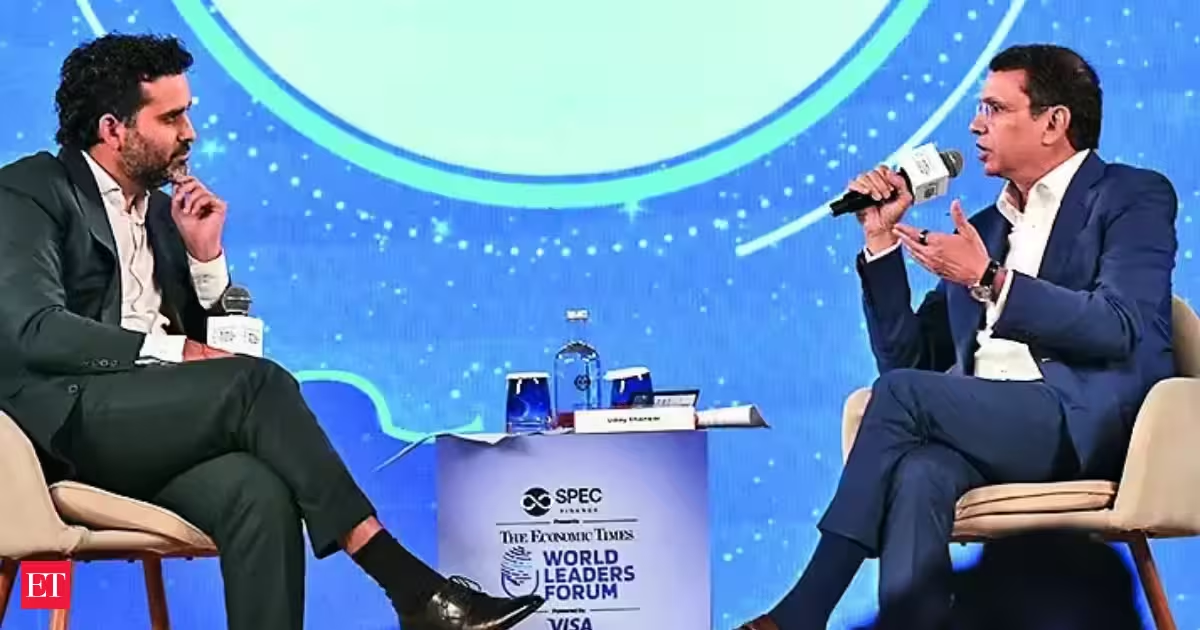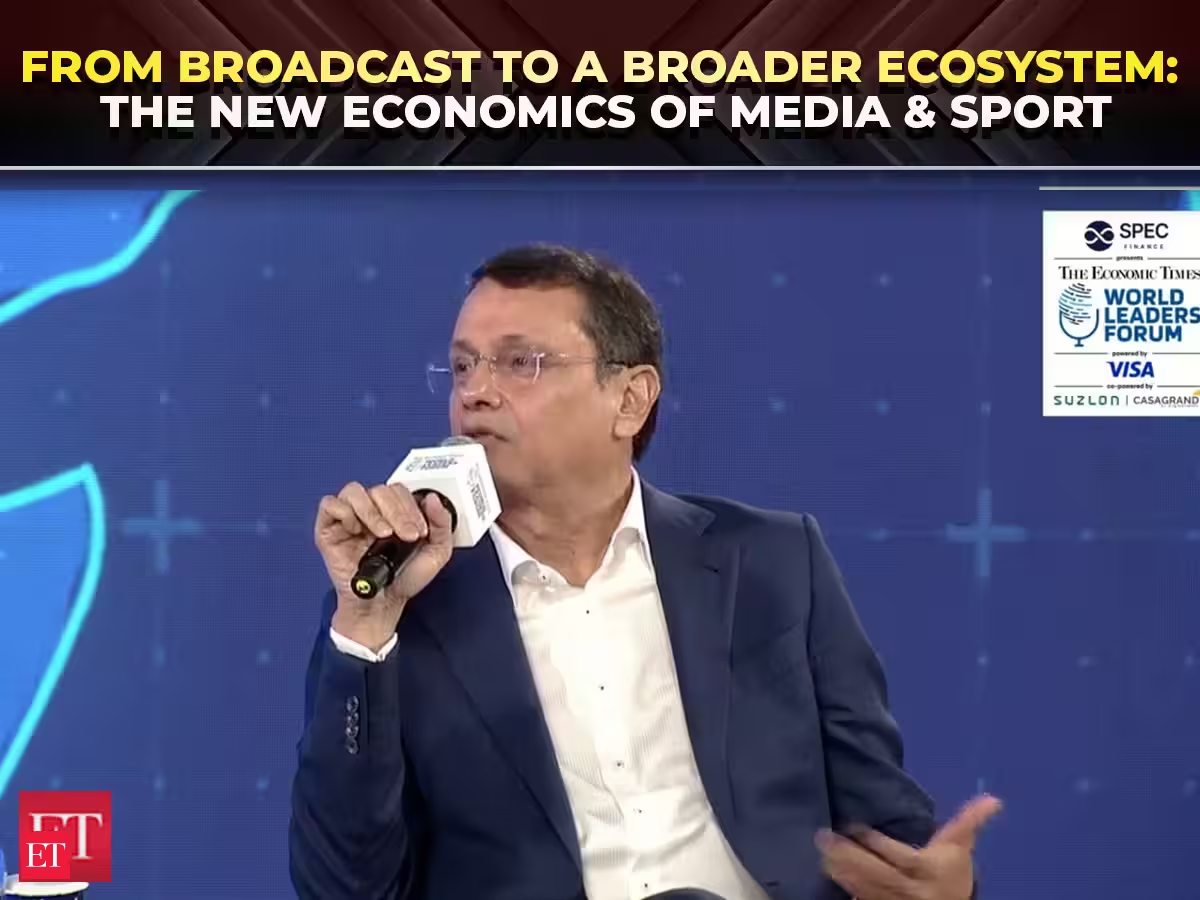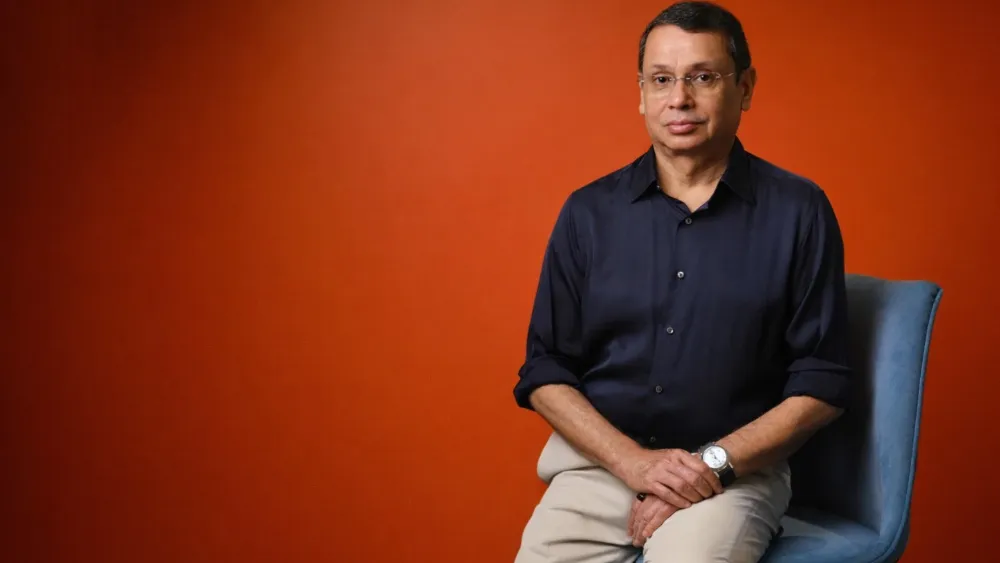
“Cricket is at a crossroads,” says Uday Shankar.
As vice-chair of JioStar – the behemoth Indian platform that serves more than 500 million viewers, spends some $3.9 billion a year on content, and was built, in no small part, on the back of cricket rights – he is not speaking as a neutral observer. The 2022 Indian Premier League (IPL) cricket tournament auction saw rights value soar to $6.2 billion, a per-match valuation of $15 million second globally only to the NFL. The boards played competitive dynamics brilliantly to get there. The problem, says Shankar, is that the buyer universe has since shrunk dramatically, and the ones still competing are doing the math. “Why should you really expect JioStar to pay the same value for a match between India and Afghanistan, India and Bangladesh, or India and Sri Lanka that I pay for a match between India and England or India and Australia?” he says. The answer, as far as he is concerned, is that they shouldn’t – and until cricket’s administrators globally reckon with that, the sport risks pricing itself out of the primary market that funds it.
“JioStar is the goose that lays golden eggs,” he says. “Now they have to decide whether they want to kill the goose or keep [it] laying eggs.” He describes an active internal inquiry at JioStar into how much further the company can commit to the sport. The Future Tours Program, cricket’s scheduling framework, draws particular impatience. It almost looks, he says, like it was designed when the East India Company was still running the world.