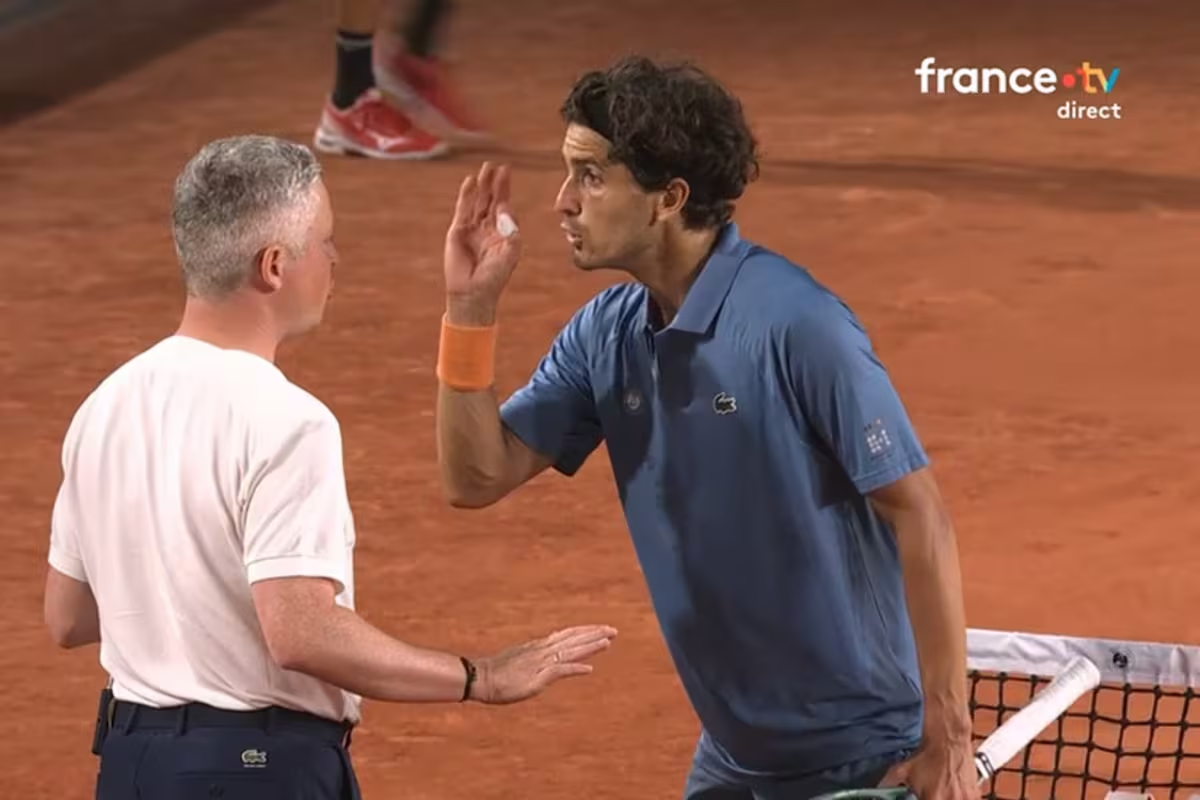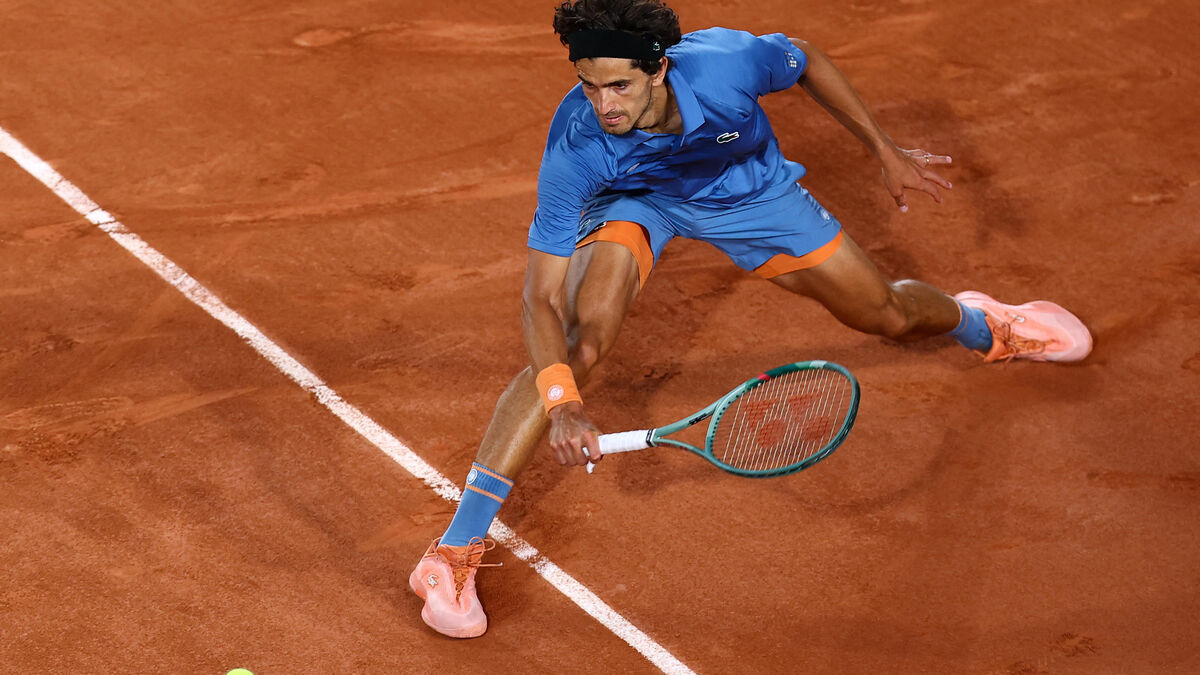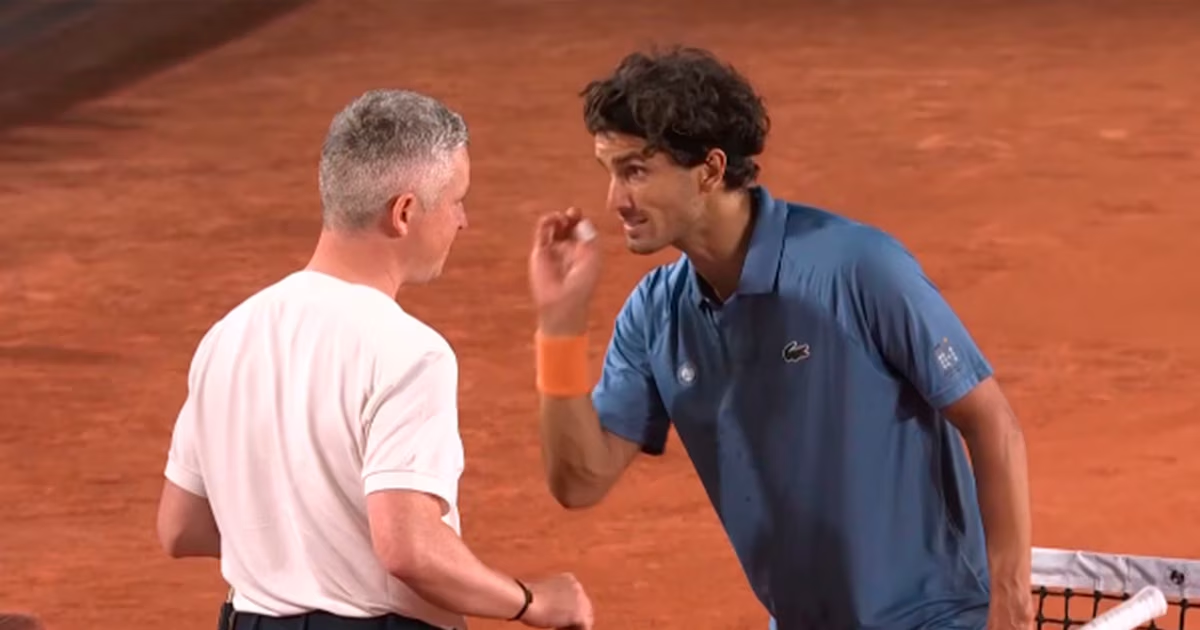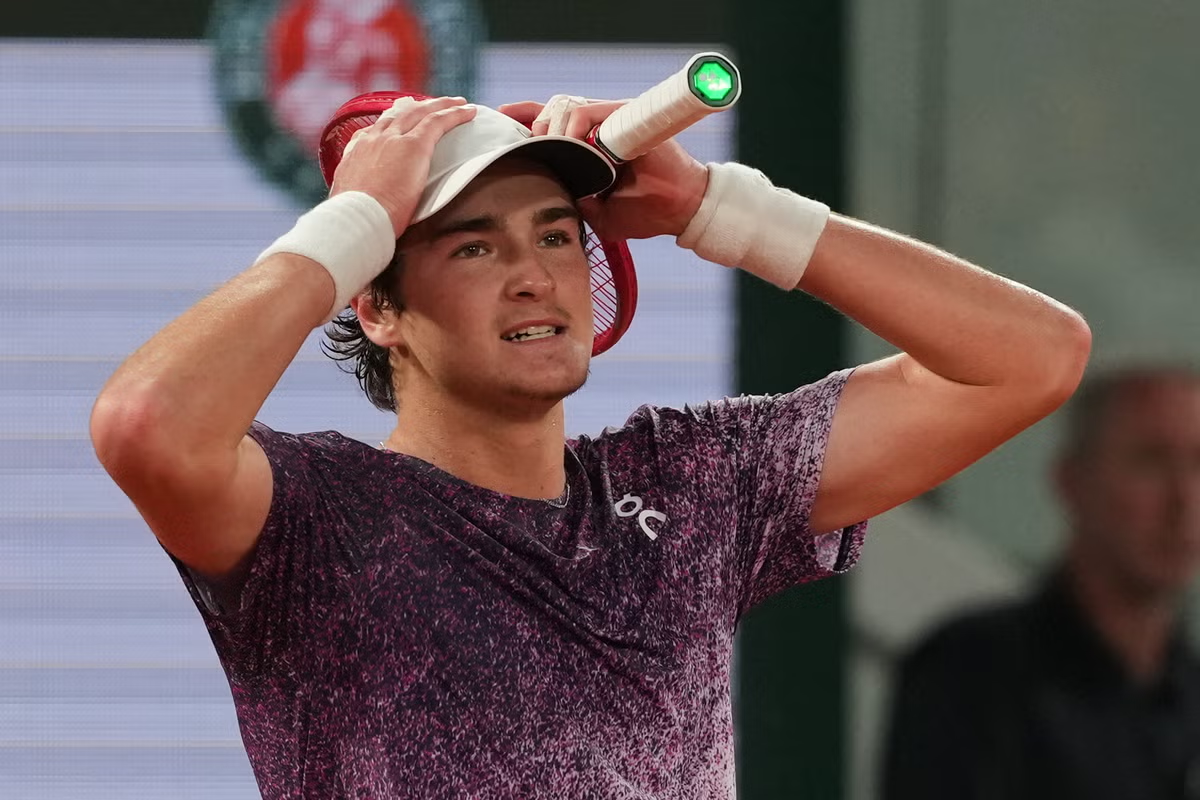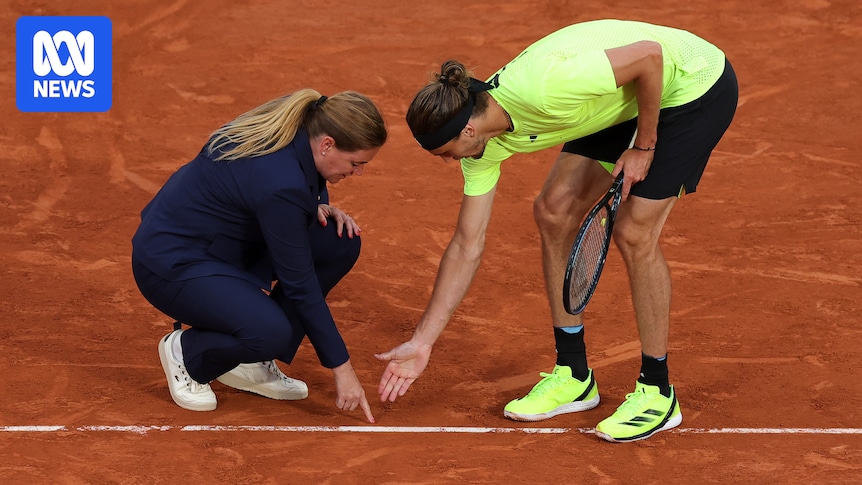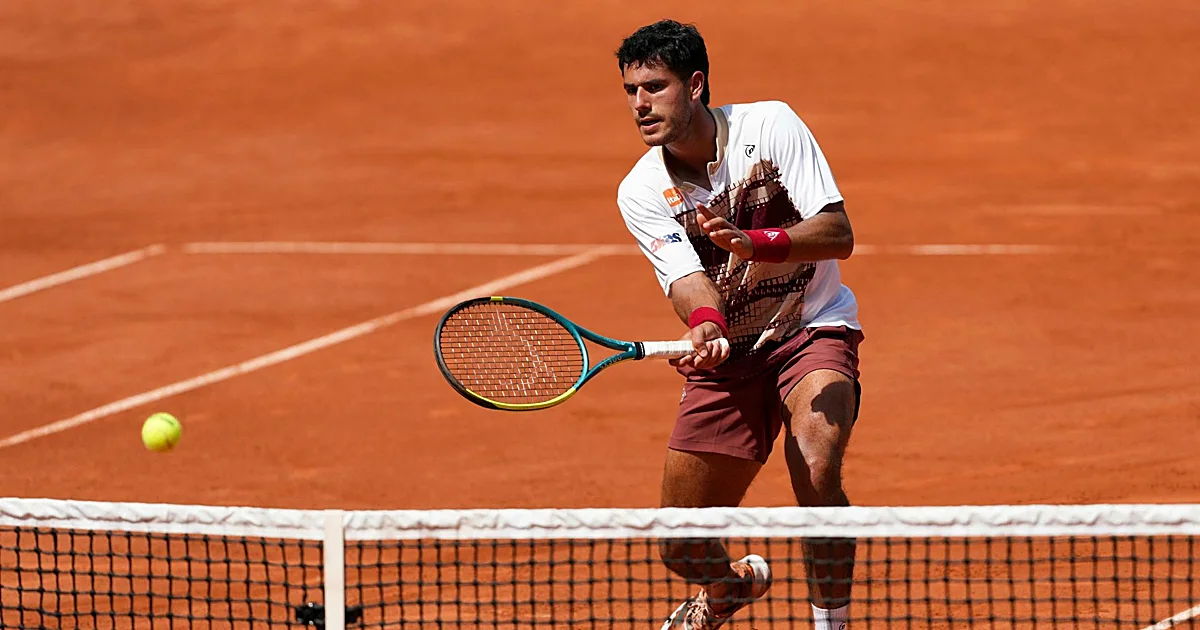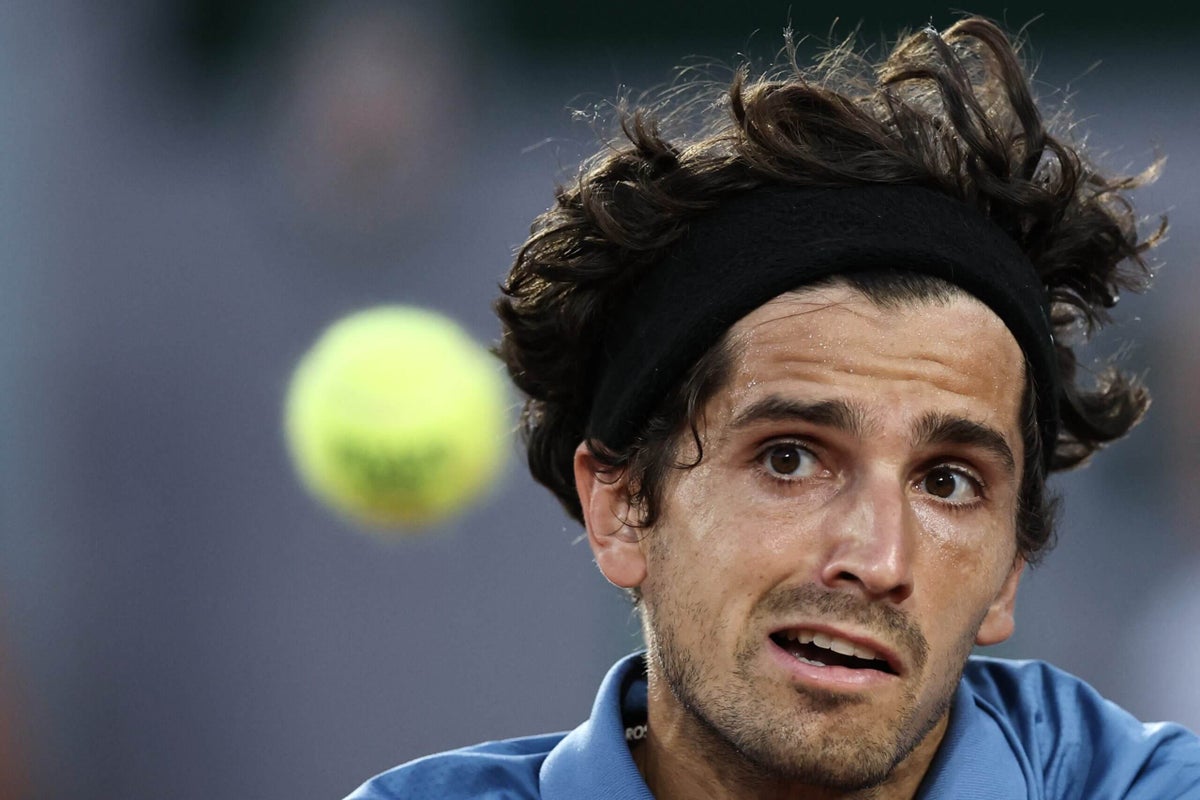
The Athletic has live coverage of Day 2 of the 2026 French Open.PARIS — Eyes bulging. Mouth agape. On Court Simonne-Mathieu, the bucolic French Open tennis court flanked by greenhouses, Pierre-Hugues Herbert was in the twilight zone.“Look me in the eyes,” he implored the chair umpire, who Herbert believed had just cost him a crucial point during his first-round match against Italy’s Lorenzo Sonego.“You are going to see it, it’s going to be out, and you are really … If you don’t say sorry after that one, I will never speak to you again,” the French qualifier said.The dispute was the same as it ever was at the French Open, the only Grand Slam that still uses line judges, and the traces that shots leave when they bounce on the red clay, to decide whether those shots have bounced in, or out.Holding a break point on Herbert’s serve and the chance to move 2-0 up in the deciding fifth set, Sonego hit a shot that landed close to the sideline.Herbert went to look at the mark. He circled one, but then paused, moved forward a meter or two, and circled another.He was unsure, and more sure than he had ever been, at the same time.So was the chair umpire.“It’s on the line. You had the wrong mark anyway,” he told the disbelieving Herbert, who stomped and gawped around the court like a child who had been told Santa did not exist.His devastation was writ large all over his face, but the the situation was also bigger than him. The French Open’s decision to eschew electronic line calling, which is in use on clay across the ATP and WTA Tours, has plunged players into a practical and philosophical quandary. It sends their heads swiveling back and forth faster than a passing shot whizzes past them at the net.
A French Open officiating crash-out that said everything about line judges and ELC on clay
French qualifier Pierre-Hugues Herbert's devastation over an officiating call at Roland Garros exposed a wider, more philosophical problem.
748 words~3 min read