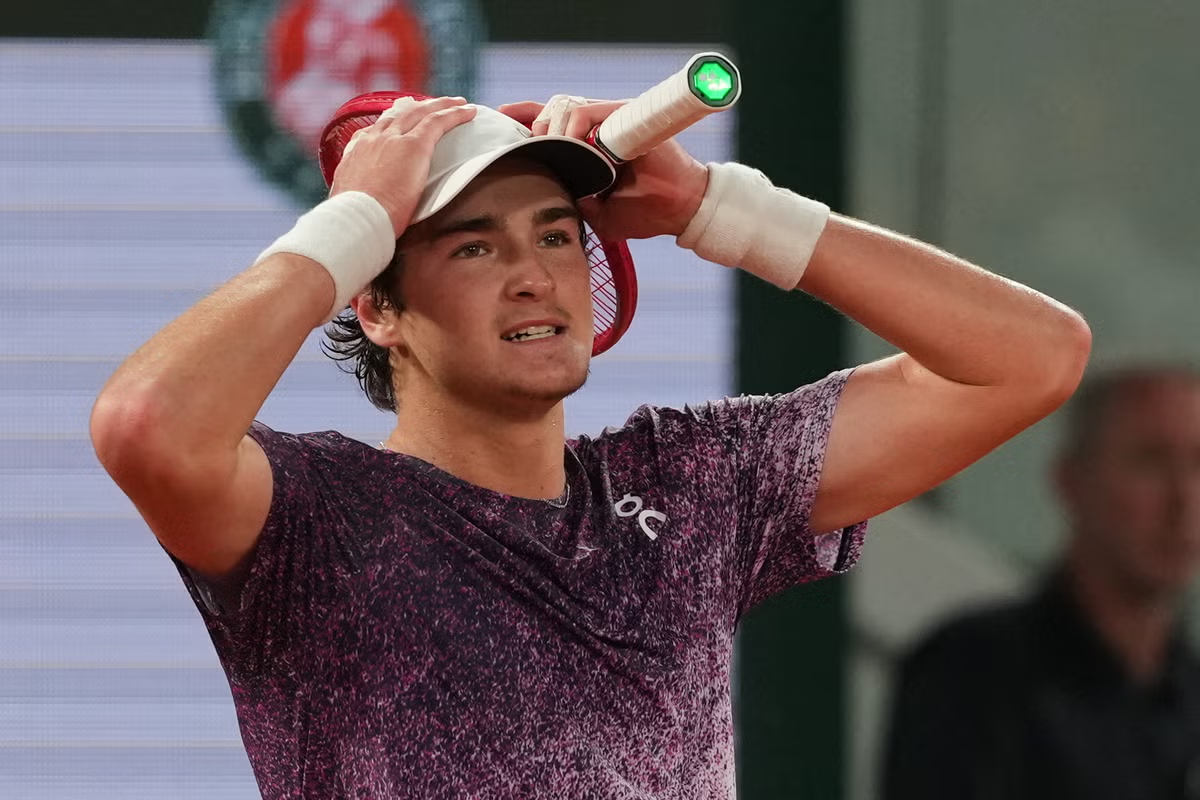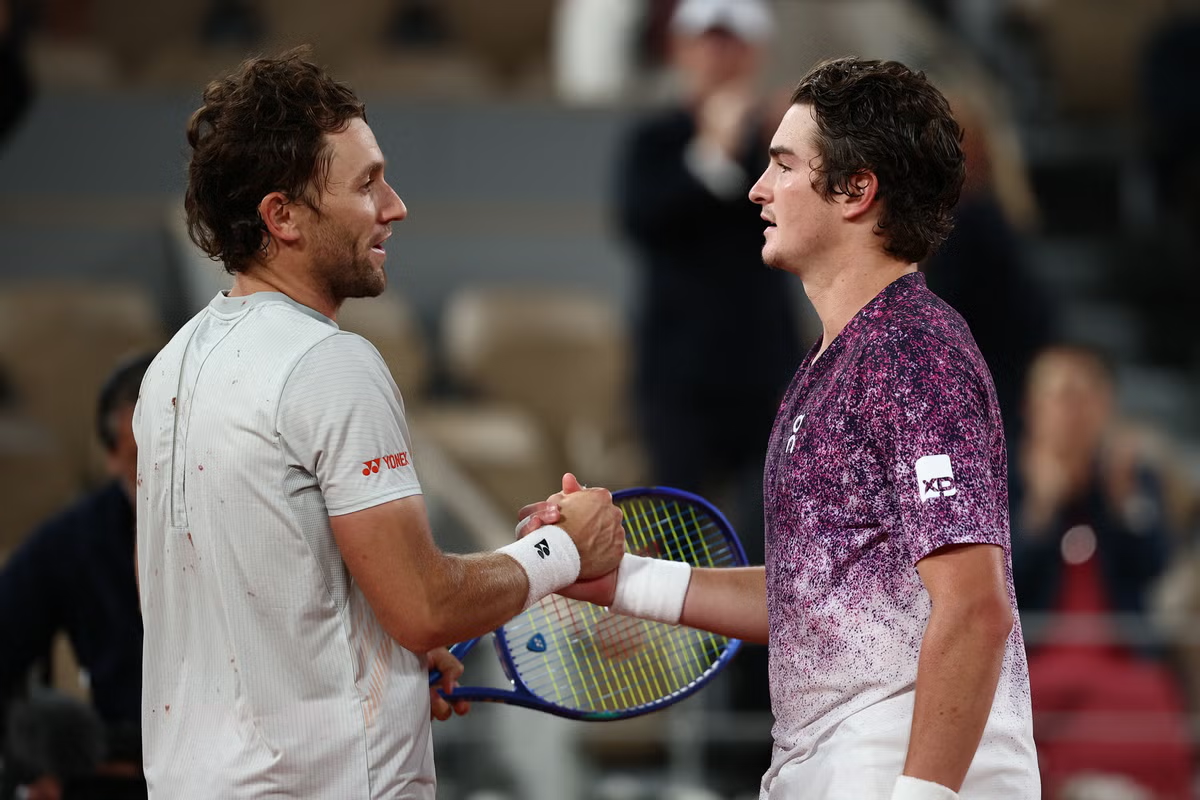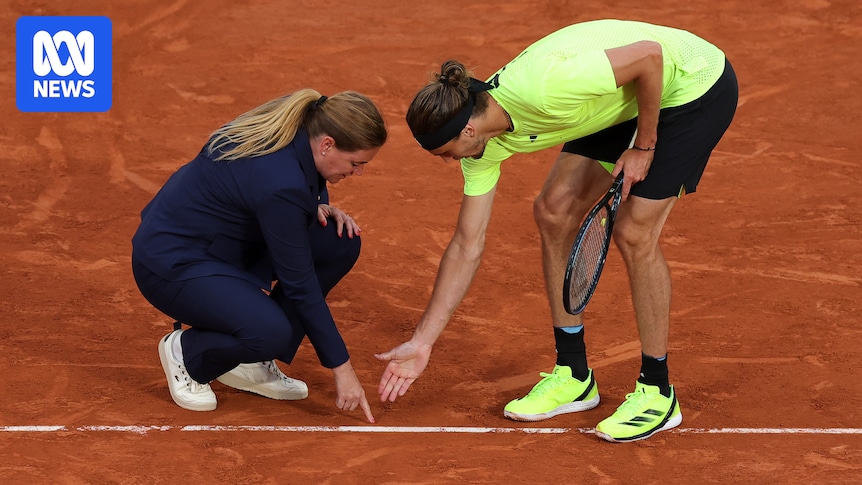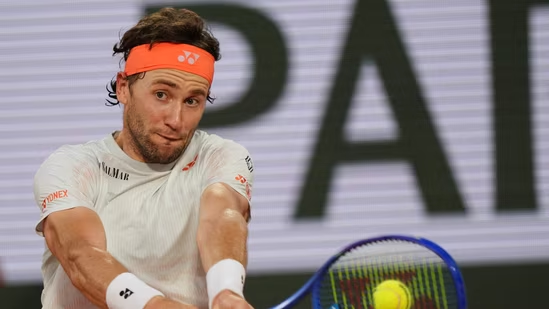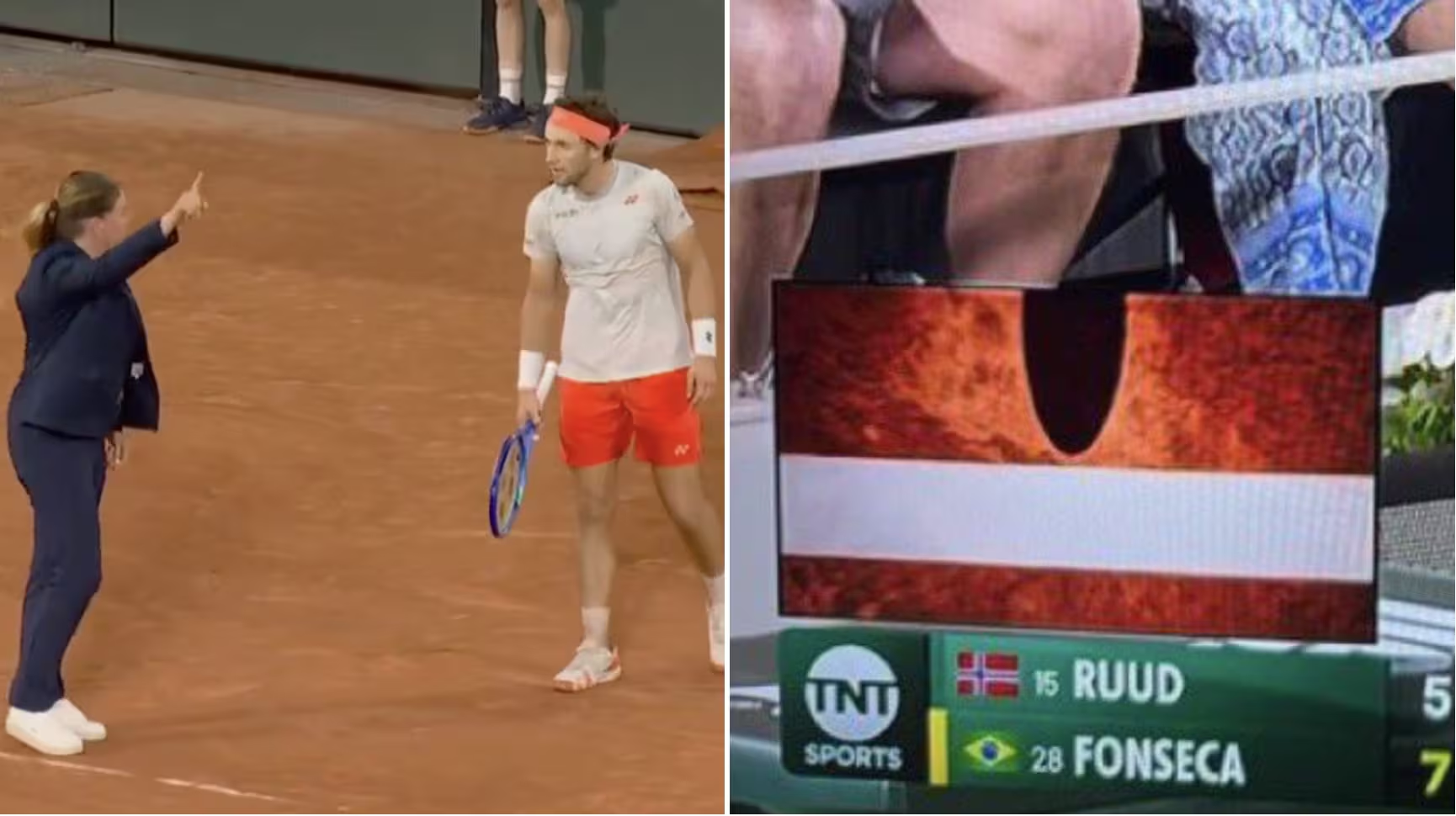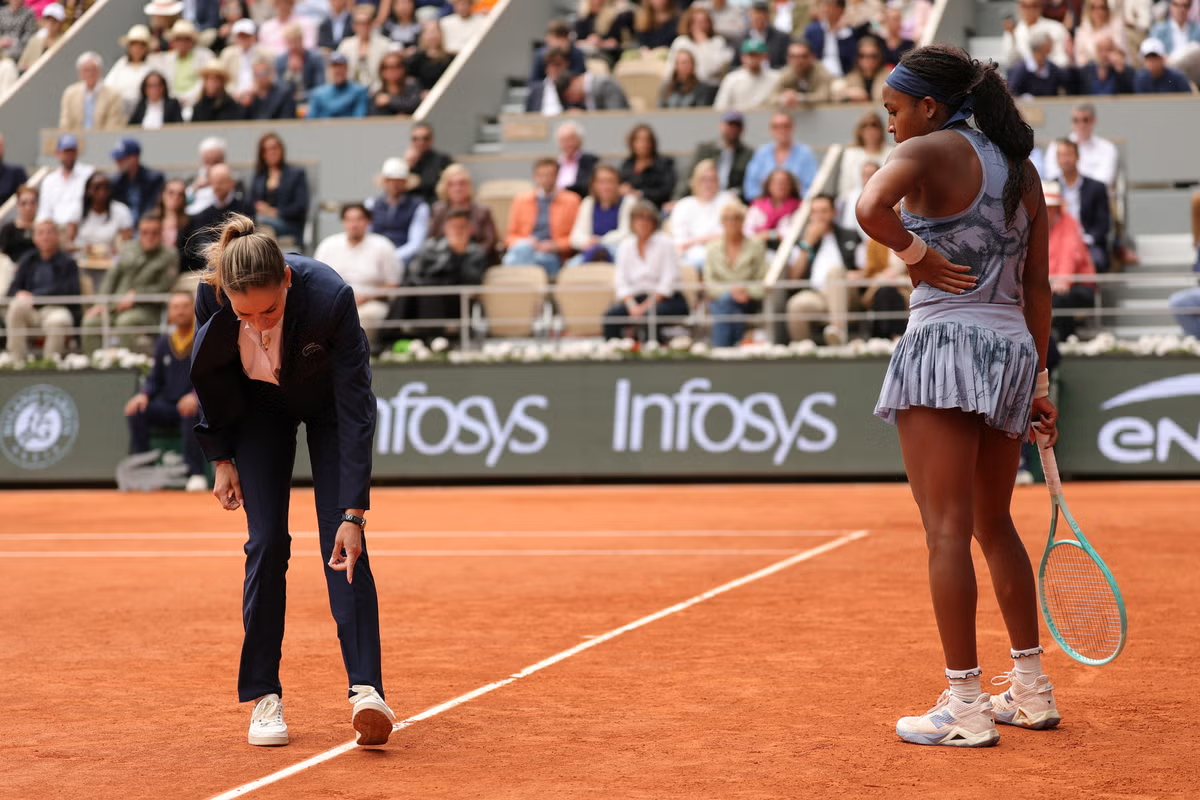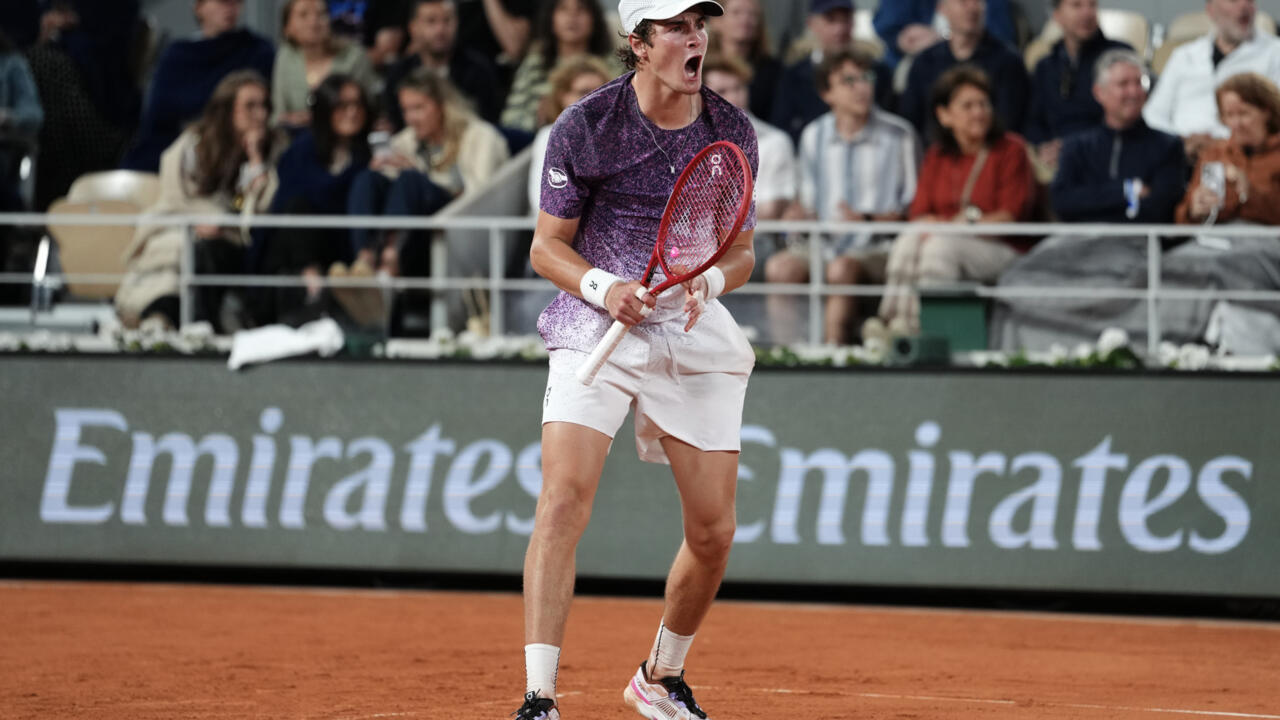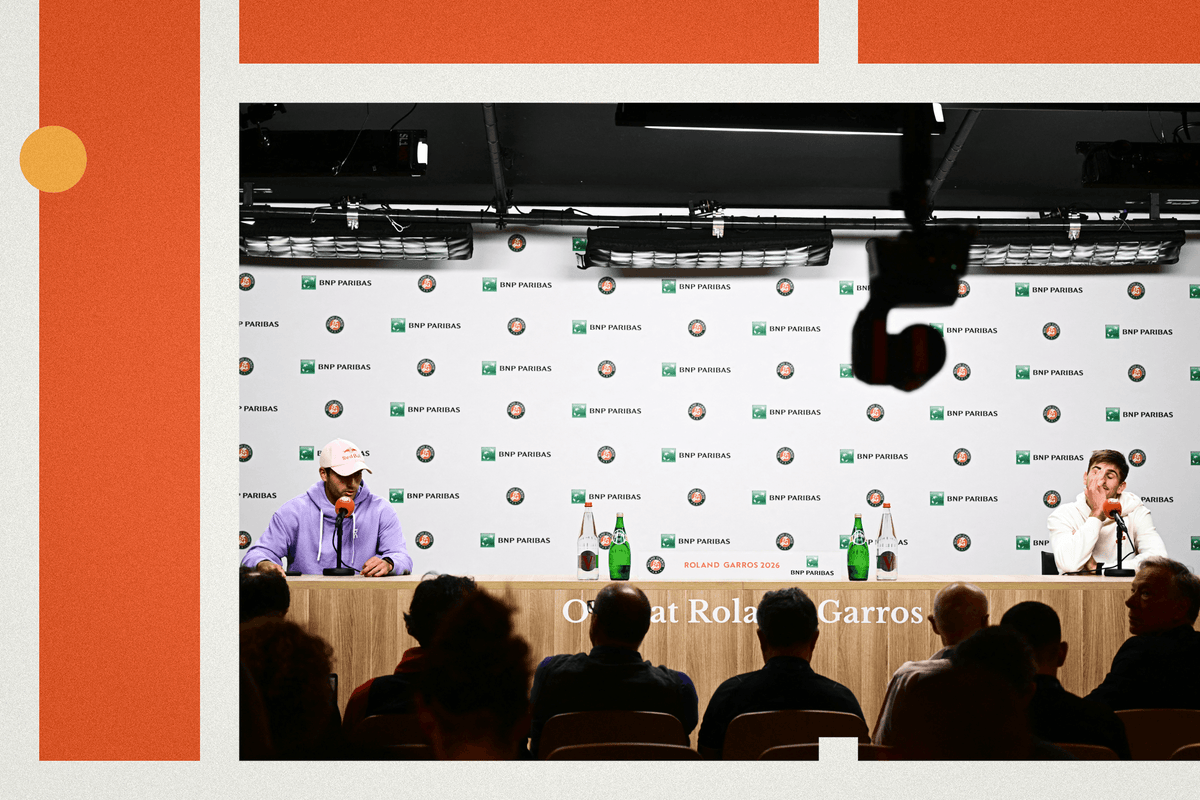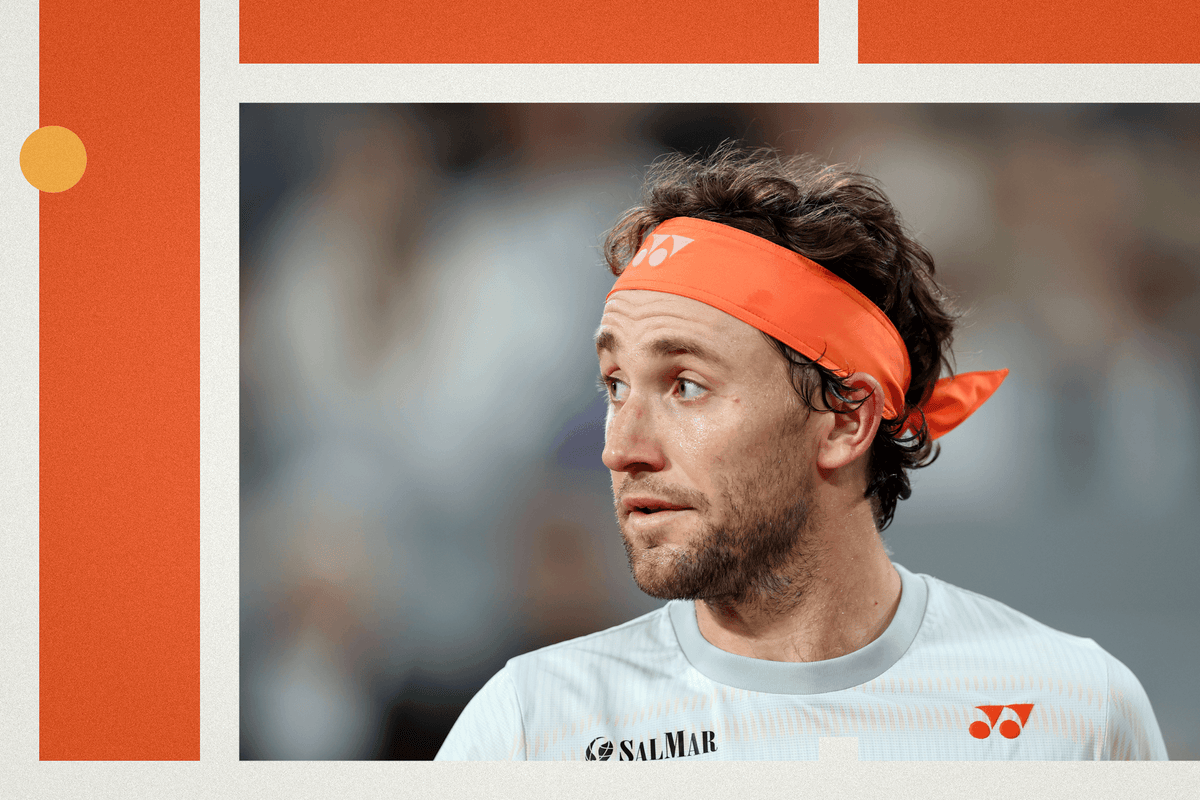
Follow The Athletic’s French Open coverageWelcome to the French Open briefing, where The Athletic will explain the stories behind the stories on each day of the tournament.On Day 8, electronic line calling overshadowed a stunning match, two compatriots set up an intriguing match and a favorite began to reckon with pressure.Was Casper Ruud robbed of the second set against João Fonseca?At a hinge moment during two-time French Open finalist Casper Ruud’s fourth-round match against João Fonseca, controversy erupted.Ruud, trailing by one set to love, was leading the second-set tiebreak 8-7 when Fonseca laced a forehand down the line. The line judge checking the baseline called the ball in, but a shout from the crowd said out. In the confusion, chair umpire Louise Engzell came down to inspect the mark.She ruled that the ball trace had caught the line. Ruud did not challenge the call but asked who had made it. On television coverage, an electronic line calling (ELC) replay came to the opposite conclusion.By now, everyone is well aware that the French Open breaks ranks from the three other Grand Slams, as well as ATP and WTA tour events, by relying on humans to call lines. Umpires and players have been getting in time-consuming spats all week: One player showed an umpire two different ball marks during a match. A different player threatened to never speak to an umpire again.Had Roland Garros not made its choice, Ruud would have knotted the match at 1-1. Instead — after a shot of his own was called out and overruled by Engzell as in, with which the ELC concurred — Fonseca took the tiebreak, and a two-set lead.The 19-year-old Brazilian never relinquished it, defeating Ruud 7-5, 7-6(8), 5-7, 6-2 to move into his first Grand Slam quarterfinal.The French Open’s decision means that players, fans and commentators go from understanding in- and out-calls one way — electronic line calling — to another way — ball marks. Worse, those two ways of seeing can contradict each other.Because clay is a live surface, where elements such as wind and uneven amounts of red brick dust on different parts of the court affect how a ball leaves its mark, it’s not uncommon for a ball that lands in to leave a mark that looks out, and vice versa. ELC, which tracks trajectory and contact point, can “see” this and include that information in its final read-out. It also has a 3mm margin for error.A human umpire coming down to check a mark cannot do this, and can only determine whether or not the trace of the ball in anyway overlaps with, or touches the edge of, the line in question. But TV viewers at home see the ELC replay, which contains more information than the trace but is rendered in exactly the same way, encouraging a comparison which doesn’t quite overlap.It was tricky for players to adjust to line calling when clay-court tournaments adapted it, because they’d spent their whole tennis lives using ball marks as the letter of the law. It’s difficult for players to accept that their eyes have been deceiving them for their entire lives, then trust a new system immediately. The same is true of fans, and the apparent injustice toward Ruud caused widespread annoyance. Roland Garros has sewn mistrust in its own tournament. — Ava WallaceWhat will an all-Ukrainian quarterfinal mean to its players?For all of the upsets at Roland Garros, at least one of the quarterfinal matchups in the women’s draw makes complete sense. Elina Svitolina, this year’s winner at the Italian Open, and Marta Kostyuk, this year’s winner at the Madrid Open, will face off for just the third time.
French Open recap Day 8: Clay line-calling debate overshadows Casper Ruud vs. João Fonseca
Ruud and Fonseca's thrilling fourth-round match was caught up in yet another electronic-line-calling-on-clay controversy.
1,813 words~8 min read