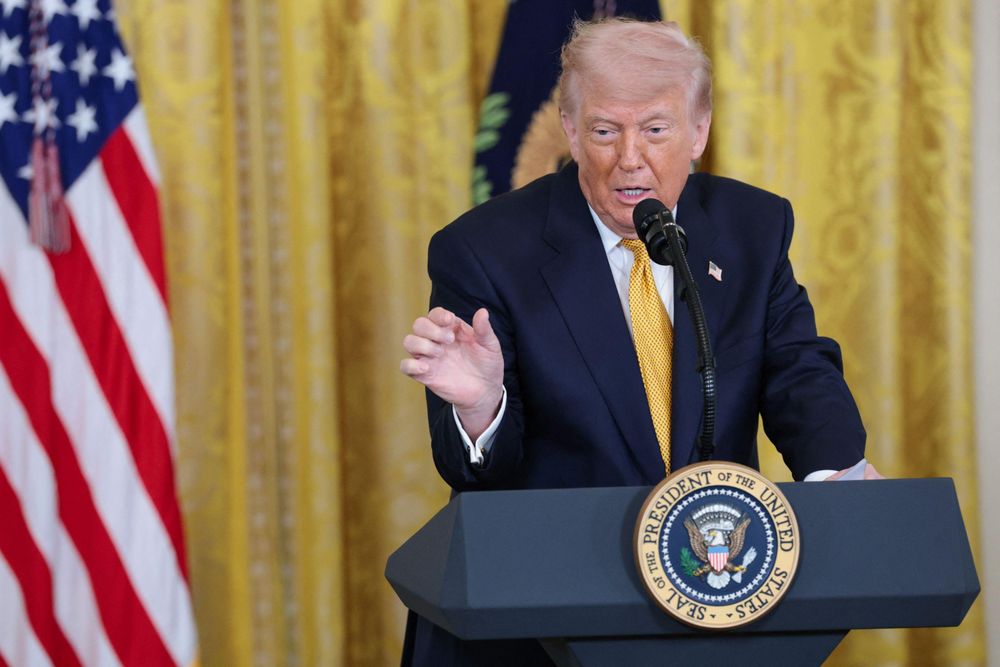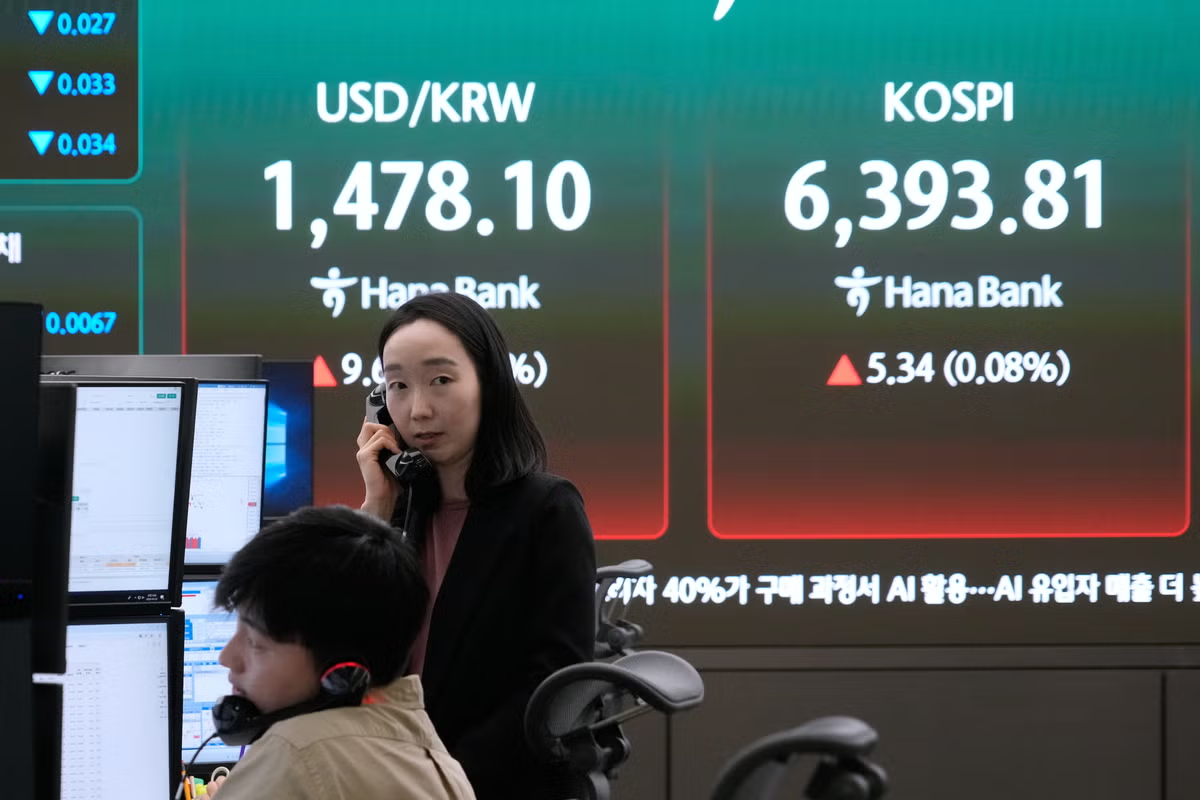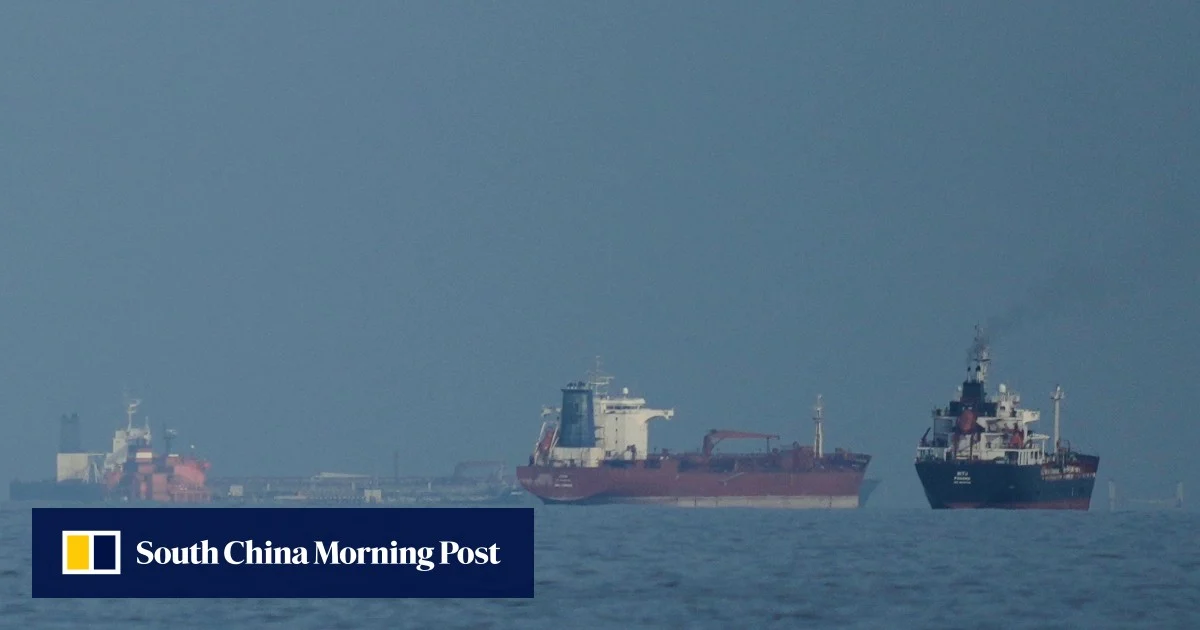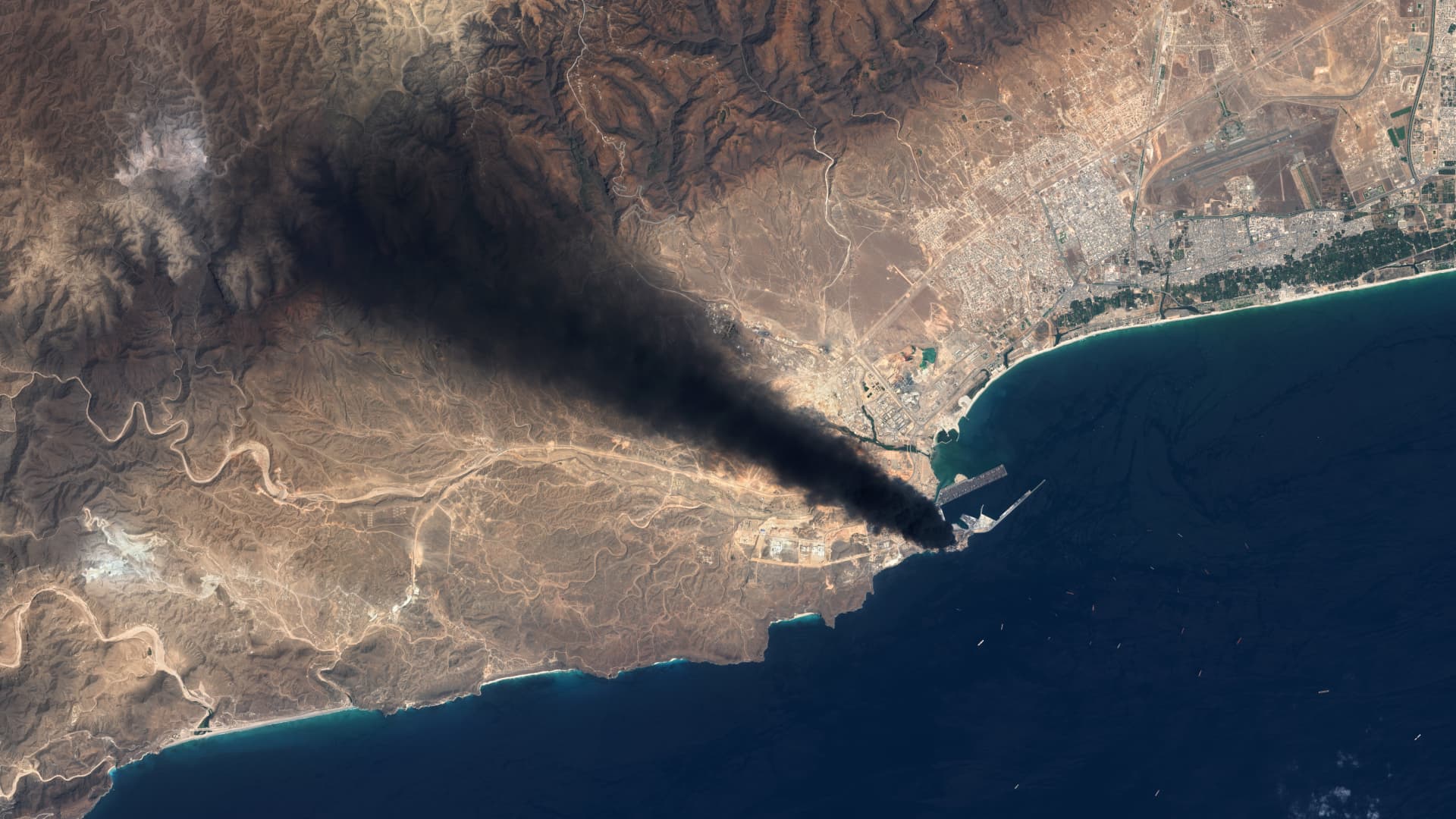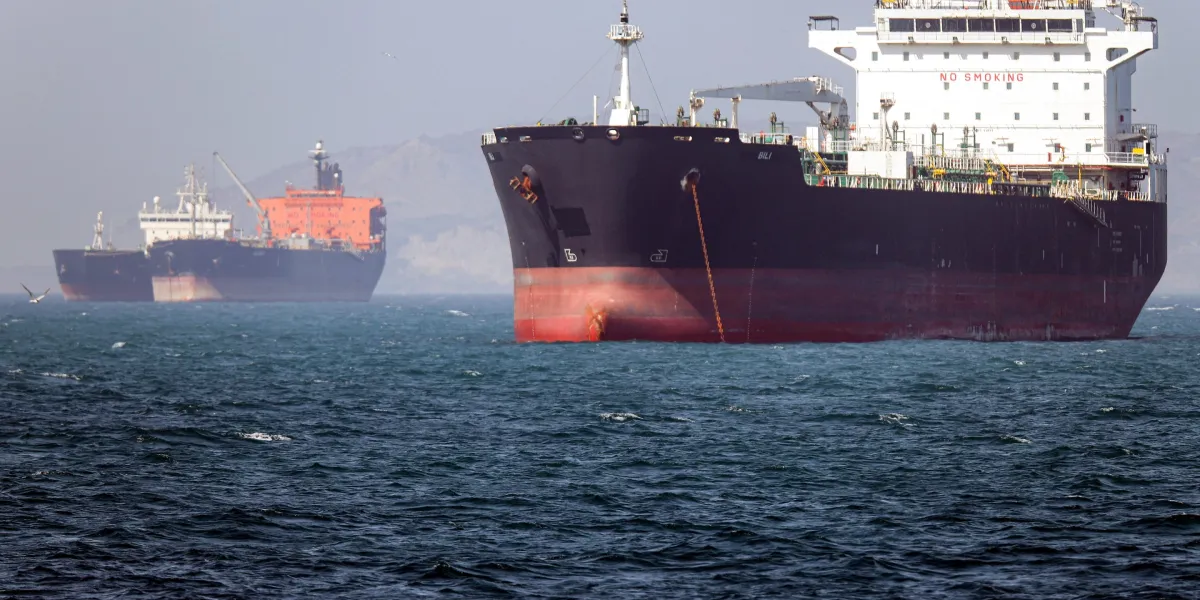
Oil prices slipped below $100 a barrel on Monday on hopes of a deal between the US and Iran, after President Donald Trump said the Strait of Hormuz blockade would stay in place until an agreement is sealed.Brent, the benchmark for two thirds of the world's oil, fell 5.55 per cent to settle at $97.79 a barrel, moving below $100 a barrel for the first time in several weeks.West Texas Intermediate, the gauge that tracks US crude, dropped 5.92 per cent to $90.80 a barrel. In the past week, Brent dropped 5.2 per cent, while WTI slid 8.3 per cent.“Uncertainty remains, with Trump sounding more cautious on Sunday and US officials saying nothing was ready to be signed,” said Mayed Alrashdi, research analyst at Emirates NBD.“The draft framework would reopen the strait without tolls, require Iran to clear mines, and see the US lift its naval blockade and issue sanctions waivers allowing Iran to sell oil freely. Nuclear talks would be deferred to a separate 30 to 60-day window.”A supertanker carrying Iraqi crude crossed the US blockade line at the weekend, while three LNG tankers also appear to have exited the strait in recent days, providing early evidence of a partial restoration in shipping flows, Mr Alrashdi added.Mr Trump on Sunday night told negotiators to “take their time” to clinch a US-Iran deal, after an agreement apparently moved within sight. Hours after the US President held a call with a host of Gulf leaders to discuss “diplomatic solutions”, US Secretary of State Marco Rubio said there had been “significant progress” in peace talks.Play00:38US will give diplomacy 'every chance to succeed'On Monday morning, however, Mr Rubio said the US will either have a good agreement with Iran, or deal with the country “another way”.Crude futures slumped 6 per cent on renewed hopes of a peace deal despite persistent hurdles, said Vandana Hari, chief executive of Singapore-based Vanda Insights. Mr Trump may have “buckled to pressure from Iran hawks to not yield ground”, she added, noting that the US' demand for upfront nuclear commitments remained a “stumbling block”.In the absence of material progress, US crude prices could jump back above the $100 a barrel level, Ipek Ozkardeskaya, a senior analyst at Swissquote, told The National on Friday. She added that the uncertainty regarding peace negotiations will remain in the “driver’s seat”.The war, which started on February 28 with attacks by Israel and the US on Iran, led oil prices to surge on supply concerns from Middle East producers and the near closure of the Strait of Hormuz.Investors are also watching US oil inventory data closely to assess market fundamentals. Previous data showed commercial crude stocks fell by 7.86 million barrels, while refinery utilisation stayed high at 91.6 per cent.Play00:55Gulf oil flows may not recover until mid-2027, says Sultan Al JaberThe reopening of the strait could initially “trigger a bearish reaction as stranded cargoes begin moving simultaneously, releasing large volumes of crude and refined products into the market,” said Ole Hansen, head of Commodity Strategy at Saxo Bank. “However, that relief may prove temporary, given the need to rebuild commercial inventories, strategic reserves and supply chains that have been heavily depleted during the crisis.“Once trade normalisation begins, inventory rebuilding could create renewed price support as buyers compete for barrels needed to restore stock levels,” he added.Reopening Hormuz may not end market stress but could potentially lift the prewar Brent price floor by $10-$15, and support revenue and investment across the energy sector, Saxo Bank said.
US-Iran deal hopes push oil prices below $100 a barrel | The National
Crude falls nearly 6% while Trump says Strait of Hormuz blockade will stay in place until agreement finalised
582 words~3 min read