May 25, 2026 | 02:16 pm
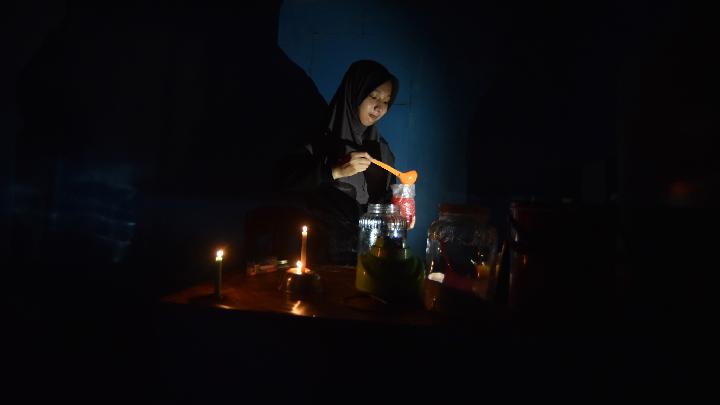
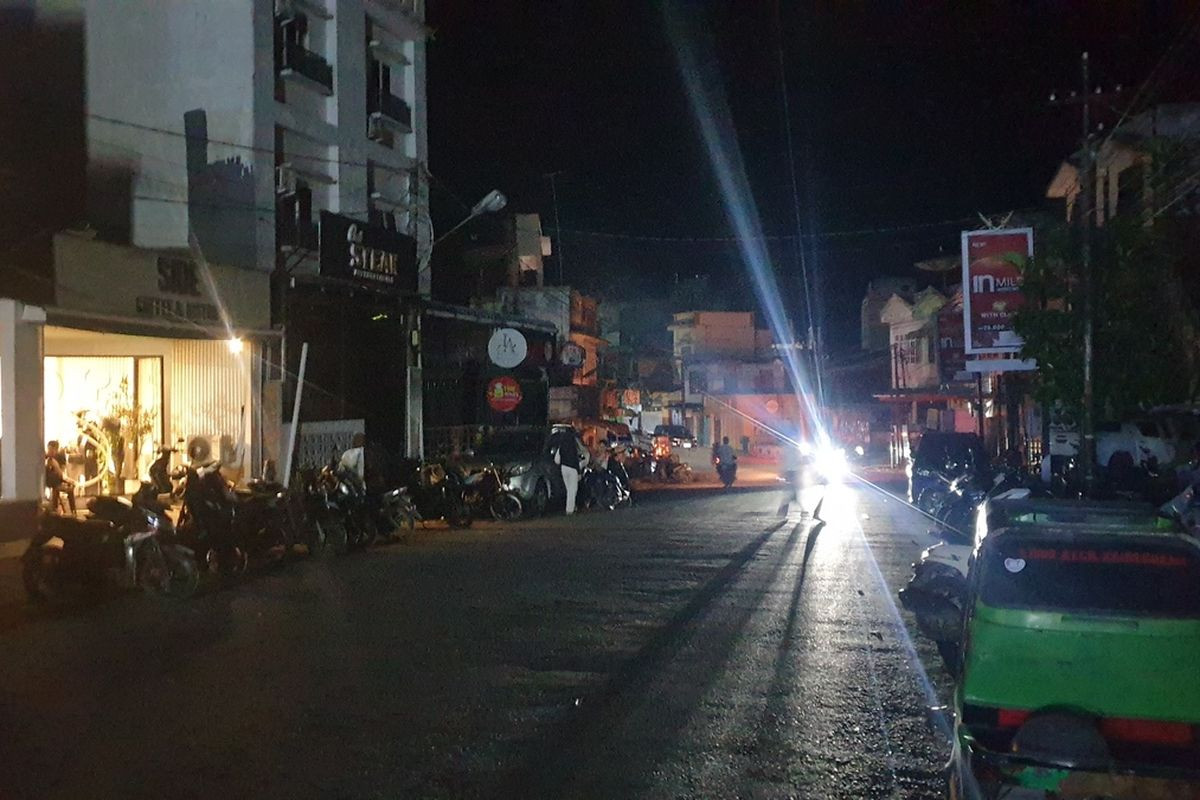
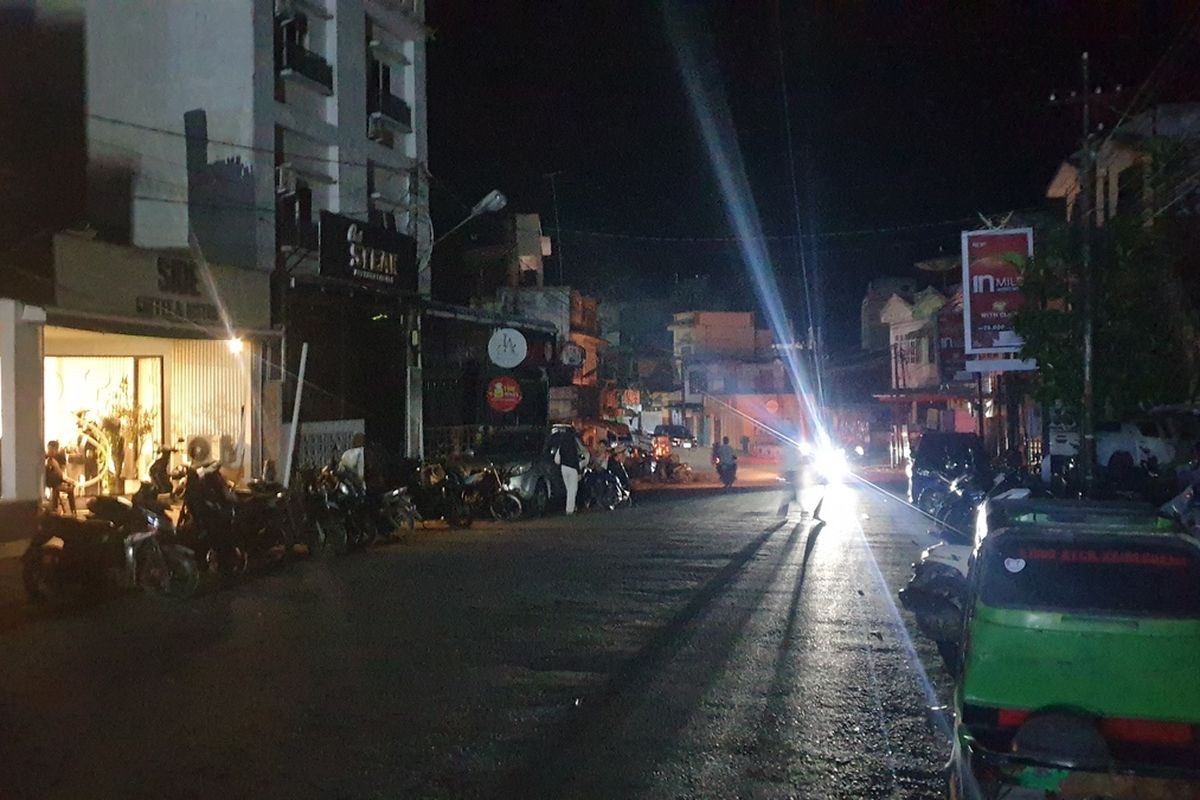
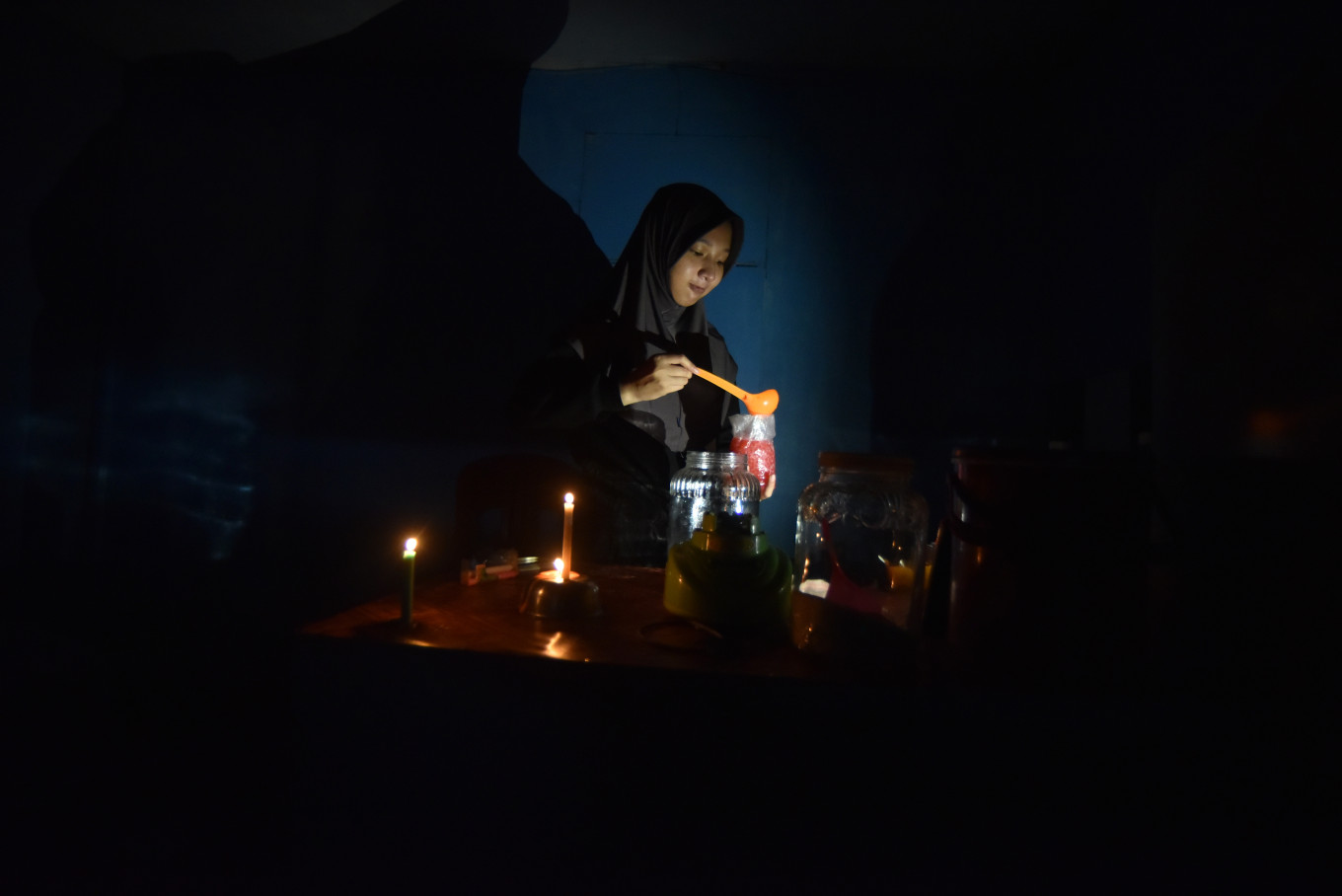
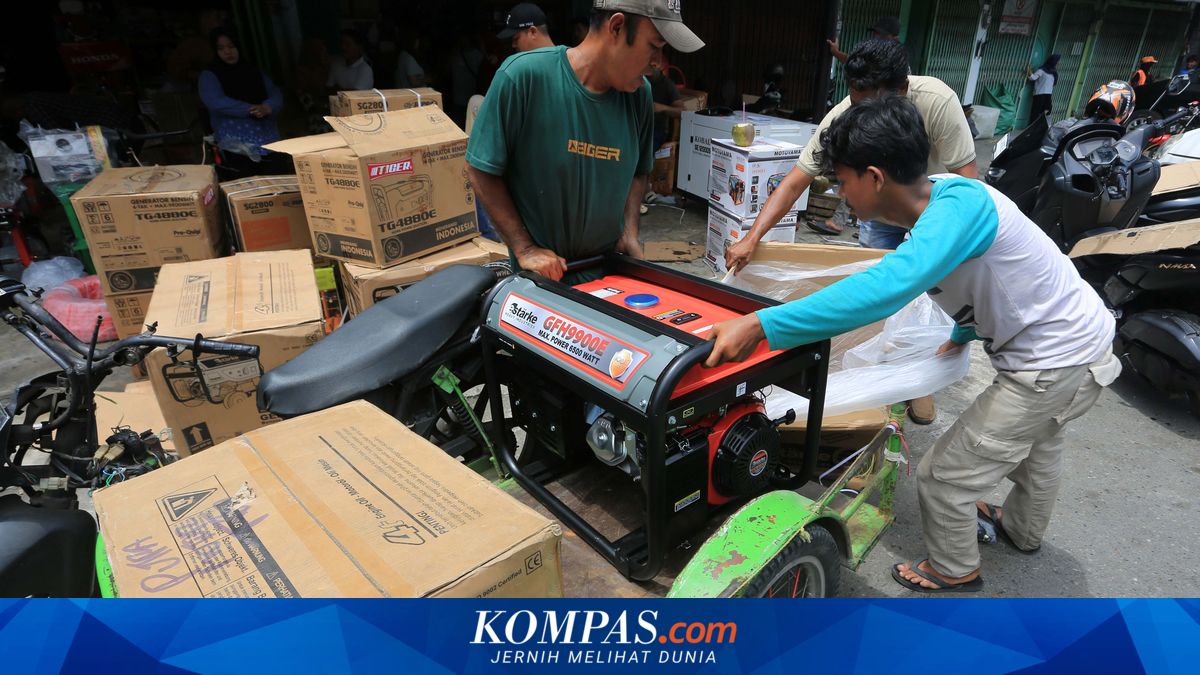
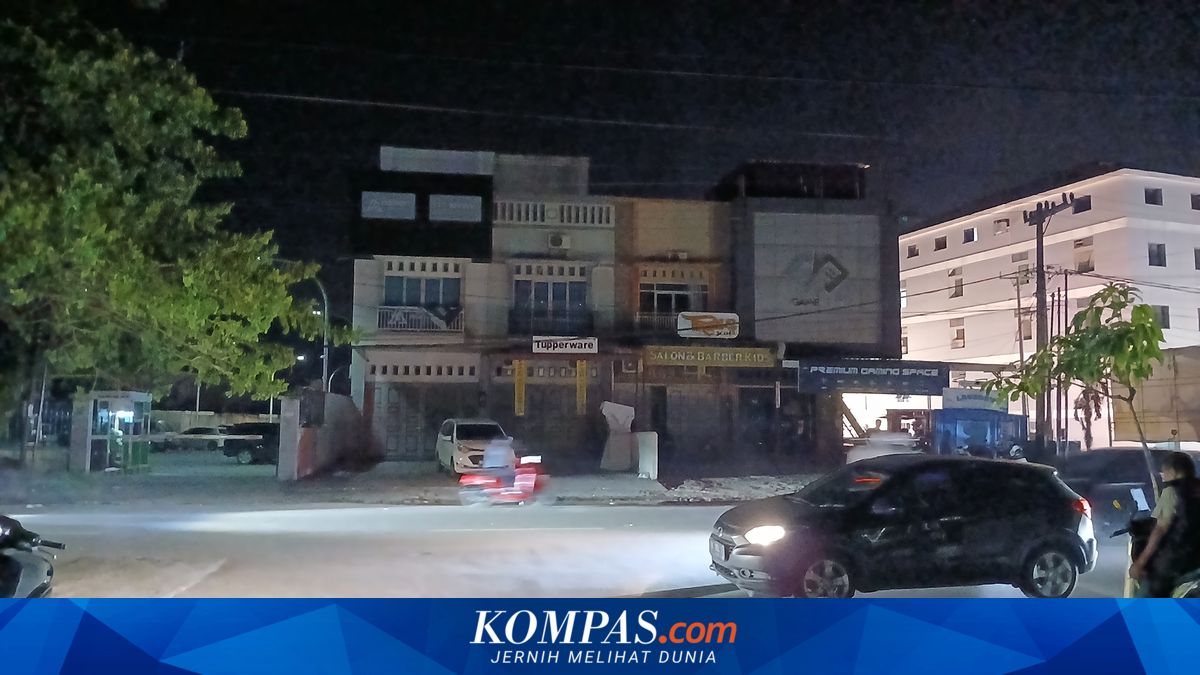
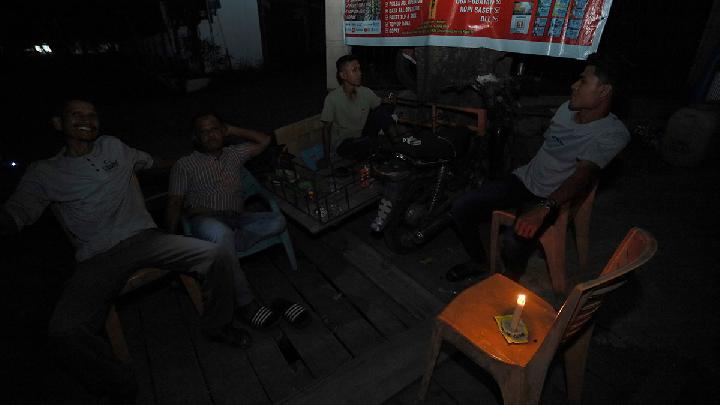
TEMPO.CO, Jakarta - Several regions across the island of Sumatra were plunged into a total blackout on Friday, May 22, 2026. In the wake of the outage, civil society organization Trend Asia has urged the government to provide compensation for the affected communities."Provide fair compensation for the blackout-affected communities, conduct a thorough audit, and transparently disclose the audit results to the public," said Beyrra Triasdian, Renewable Energy Campaign Manager at Trend Asia, on Sunday, May 24, 2026.Beyrra stated that the massive power outage highlighted the fragility of the national electricity grid, which remains heavily reliant on centralized infrastructure and fossil fuels. According to her, as the climate crisis triggers more frequent extreme weather events, the current power model increases the risk of communities losing access to basic services. Therefore, the government must expedite the decentralization of community-based renewable energy to build a more resilient system that cannot be easily paralyzed during a crisis.State-owned electricity company PLN reported that disruptions within the northern Sumatra electrical grid had triggered the widespread blackout. PLN attributed the failure to severe weather, which caused disturbances at several substations and transmission networks across the southern, central, and northern regions of Sumatra.The Indonesian National Police's Directorate of Specific Criminal Acts has deployed a team to investigate the root cause of the Sumatra blackout. The team inspected the specific points of disruption along the 175-176 high-voltage overhead transmission line (SUTET) in Tempino Village, Mestong District, Muara Jambi Regency, Jambi.Director of Specific Criminal Acts, Brigadier General Mohamad Irhamni, stated that his team had conducted a crime scene investigation on Sunday. From the field examination, investigators found that the SUTET conductor was completely inactive. "The conductor evidence was taken to the Bareskrim Forensic Laboratory and PLN Research and Development [for further analysis]," he said.Meanwhile, PLN President Director Darmawan Prasodjo stated that initial indications pointed to a disruption along the 275-kilovolt transmission line connecting Muara Bungo and Sungai Rumbai in Jambi. The glitch sent a shockwave through several power plants, causing some areas to lose load while others experienced an oversupply of electricity.According to Darmawan, the electricity system's frequency and voltage in these two areas spiked, triggering an automatic shutdown of the local power plants. Conversely, several other areas faced a power deficit due to the offline plants, forcing a drop in frequency and voltage that overburdened the remaining grid and forced additional plants to shut down."This condition created a domino effect, causing disruptions in the power system from Jambi and Riau all the way to North Sumatra and Aceh," he said.After the blackout occurred, PLN deployed personnel to inspect the damage at substations and transmission lines. Within two hours, PLN claimed to have successfully restored the affected substations and the transmission network.Oyuk Ivani Siagian and M. Faiz Zaki contributed to this reportRead: PLN Restores 5,579 MW of Power After Sumatra BlackoutClick here to get the latest news updates from Tempo on Google News