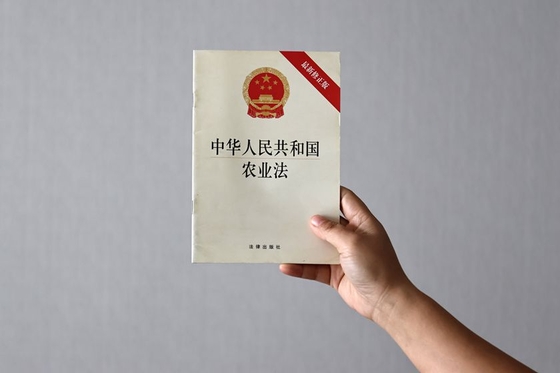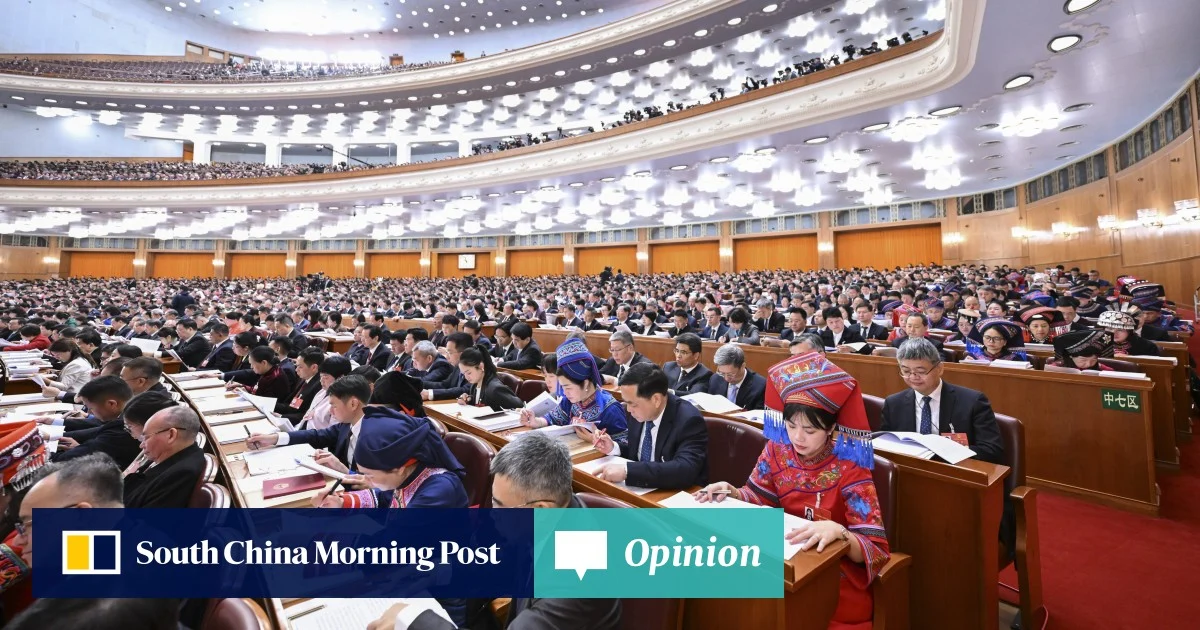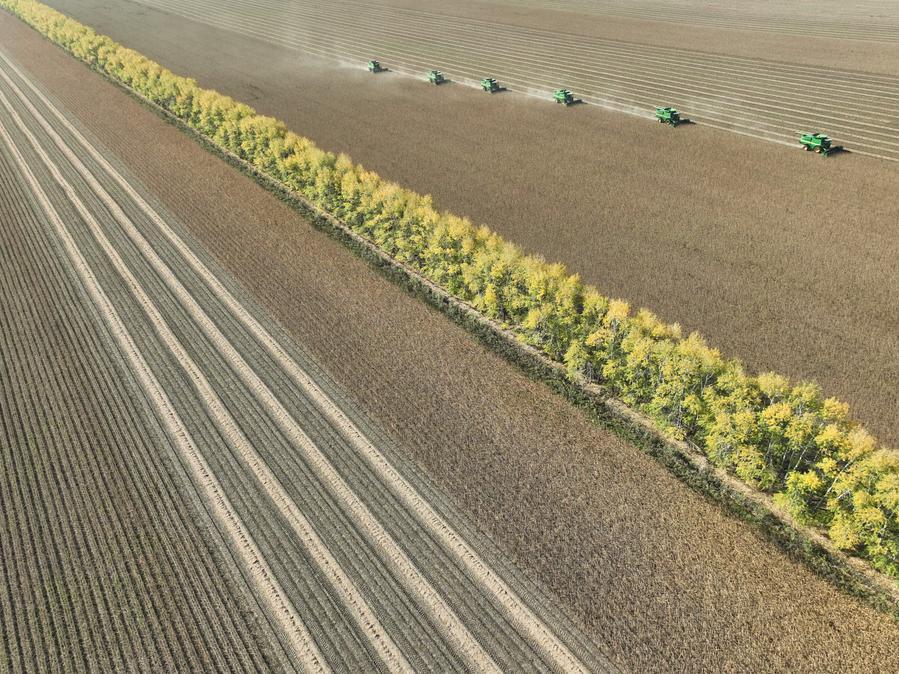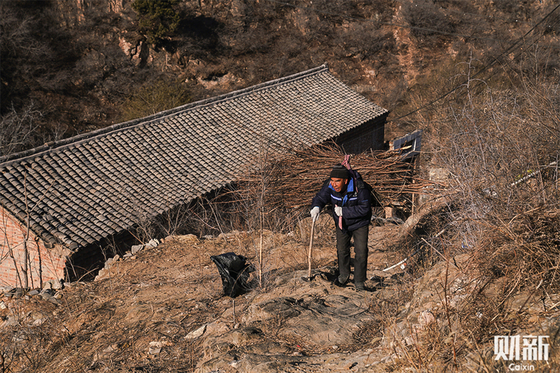
1. The draft revision of China’s Agriculture Law, recently submitted for first review and open for public consultation, expands from 99 to 110 articles and introduces a central mandate: "The state shall make increasing farmers' income the central task of agricultural and rural work," explicitly targeting narrowing the urban-rural income gap and advancing common prosperity.[para. 1][para. 2] Beijing aims to build an agricultural powerhouse, but boosting rural incomes remains a heavy lift amid headwinds such as flagging income growth momentum, despite past achievements in reform, poverty alleviation, and modernization.[para. 3][para. 4][para. 5] The revision elevates these goals into legal norms, critical for common prosperity, domestic demand, social stability, and systemic risk hedging.[para. 6]2. The draft calls for a diversified, sustainable income-generation mechanism harmonizing industrial development, entrepreneurship, and policy safeguards.[para. 7] Recognizing farmers' livelihoods beyond traditional farming, it advocates workforce mobility and multi-channel employment, while mandating long-term stable land contracting relationships with separation of ownership, contracting, and management rights to enable scaled, mechanized farming.[para. 8][para. 9] State support for eco-tourism, folk culture, and leisure agriculture aims to fuse primary, secondary, and tertiary sectors, optimizing rural economic structure and eroding the urban-rural divide.[para. 10] The draft also adopts a "macro-agricultural perspective" and "comprehensive food perspective" to diversify food supply and expand wealth avenues.[para. 11]3. To ensure food security, the draft refines compensation mechanisms for major grain-producing regions and safeguards grower returns, shifting from a rigid protective price system to a dynamic price support system to guarantee baseline profitability for staple farm products.[para. 12][para. 13] It establishes agricultural insurance frameworks against extreme weather and introduces a ban on forcibly destroying green crops or fruit trees, defending farmers' property rights.[para. 14][para. 15]4. Elevating rural incomes requires synchronizing new industrialization and urbanization with rural revitalization to equalize basic public services.[para. 16] The draft replaces "township enterprises" with "rural enterprises" and removes "surplus" labor references, advocating a level playing field and unified urban-rural human resources market with equal pay, thereby safeguarding migrant workers’ wage, labor, and social security rights and dismantling institutional bottlenecks.[para. 17][para. 18]5. Expanding rural property income is addressed through perfecting the rural collective property rights system and cultivating a new collective economy, guaranteeing members’ rights to revenue distribution.[para. 19] Drawing on the Third Plenum resolution, the revision requires clear property rights and equitable distribution, giving farmers fuller property entitlements.[para. 20] Social security is tied to rural wealth: the state must build the social insurance system and ensure farmers’ access to benefits, while a tiered social assistance framework with minimum living guarantees, extreme hardship support, and temporary relief, plus targeted aid for medical care, housing, education, and employment, secures a baseline for low-income populations.[para. 21][para. 22]6. Crucially, the draft mandates that when expropriating collective land, the state must allocate social security funds alongside direct compensation, embodying common prosperity and preventing poverty relapse due to illness or disasters.[para. 23] It also calls for unified urban-rural funding for compulsory education as a long-term investment in human capital to break down the urban-rural dichotomy.[para. 24] Ultimately, inflating the farmer’s wallet remains the bottom line; with these pro-farmer initiatives, rural residents are poised to see rising incomes and living standards.[para. 25]AI generated, for reference only
Opinion: Enshrining Rural Income Growth Into Chinese Law
Protecting farmers’ pockets is now a statutory imperative in China. The revised Agriculture Law seeks to stabilize land contracts and boost domestic demand amid shifting economic headwinds
527 words~2 min read