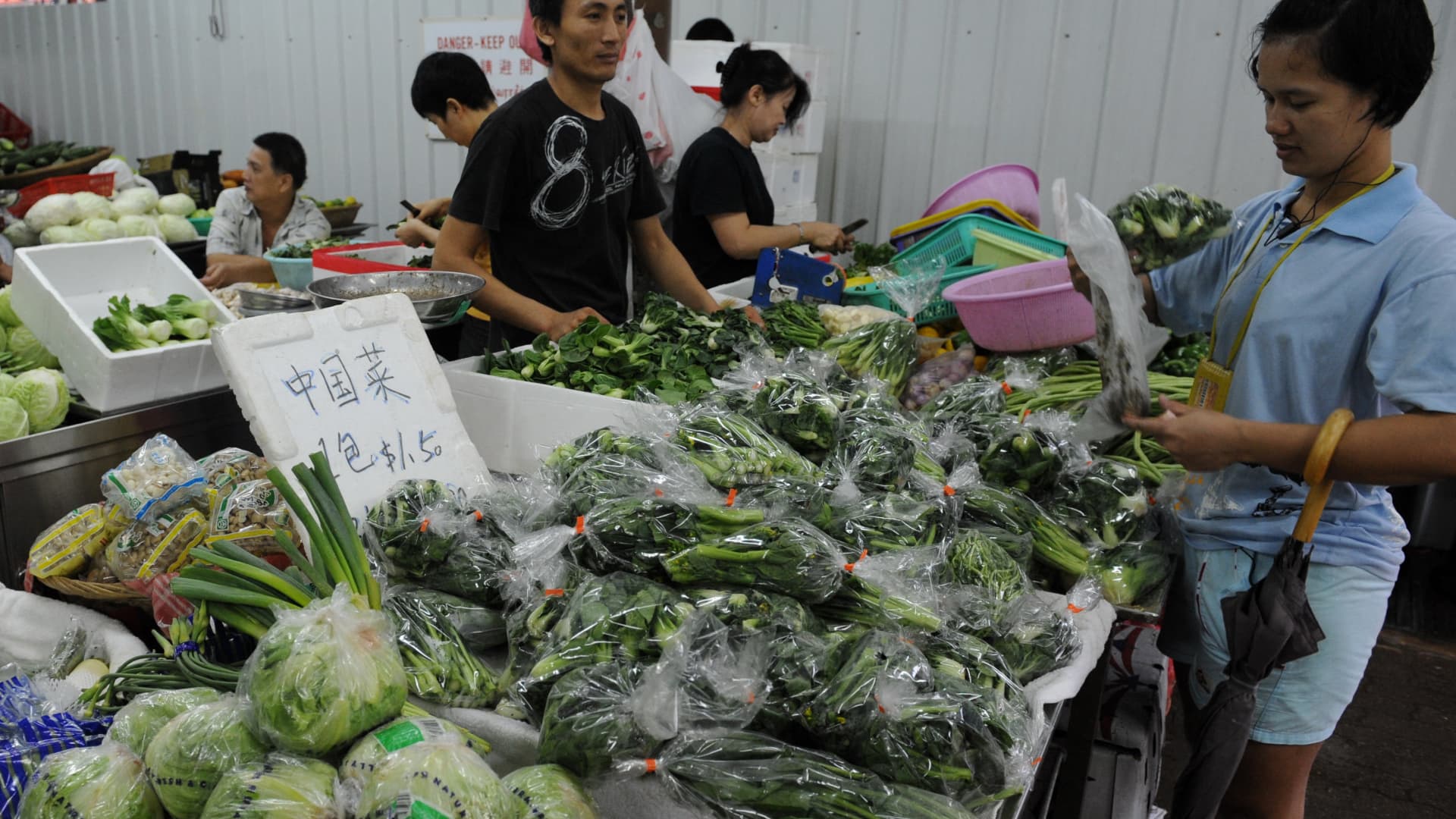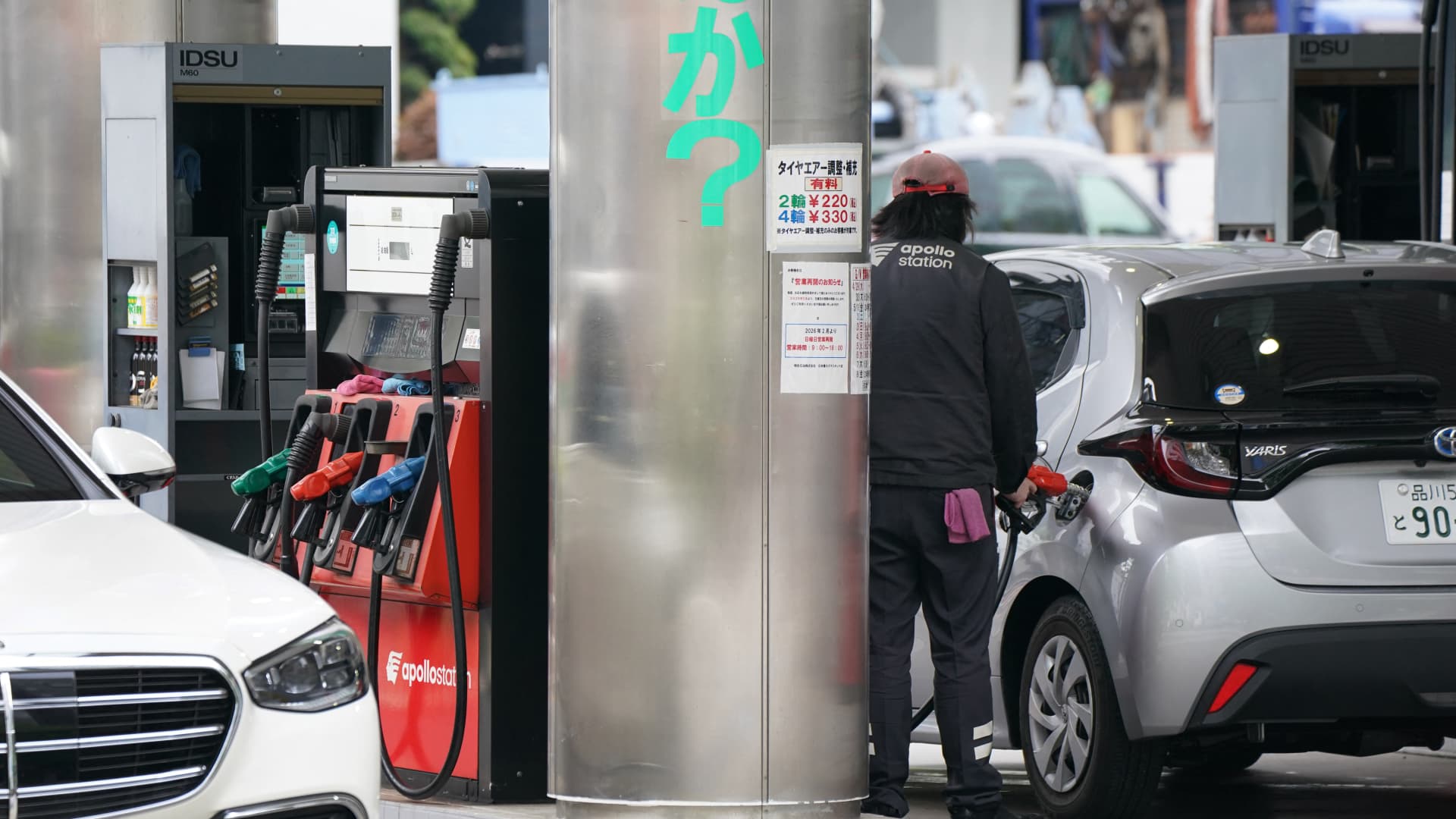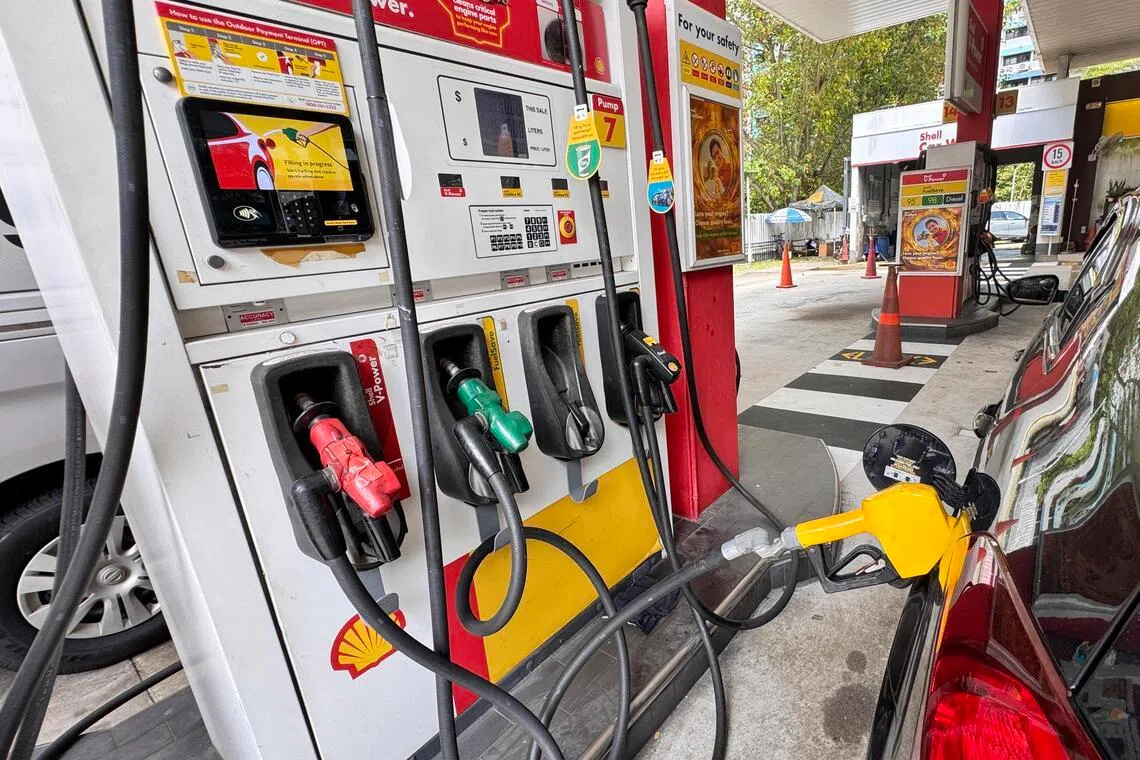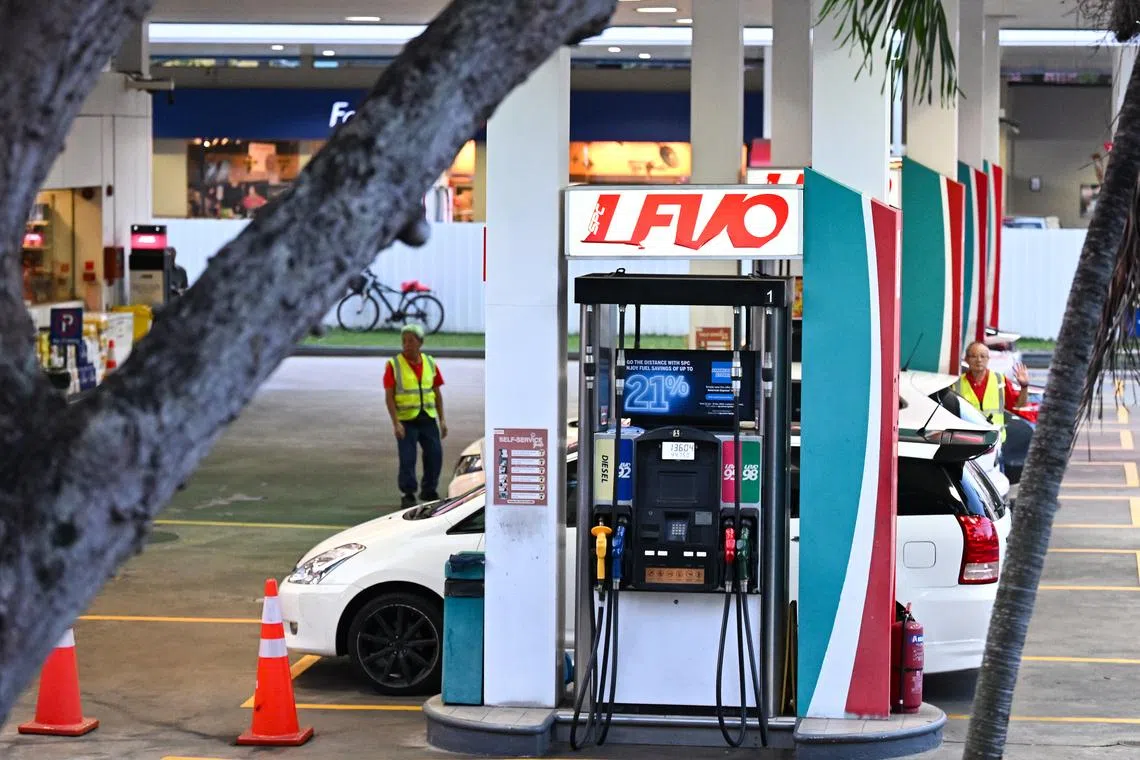
SINGAPORE - Singapore’s core consumer prices unexpectedly rose at a slower pace in April, though higher global energy prices are expected to feed through to electricity tariffs and other costs in the coming months.Core inflation, which excludes private transport and accommodation to better reflect household expenses, eased to 1.4 per cent from 1.7 per cent in March.Economists polled by Bloomberg had forecast core inflation to rise to 1.8 per cent.The drop in core inflation was due to lower services as well as retail and other goods inflation, the Monetary Authority of Singapore (MAS) and the Ministry of Trade and Industry (MTI) said in a joint release on May 25.Overall inflation came in at 1.8 per cent in April, unchanged from March, because higher private transport and accommodation inflation was offset by lower core inflation.MTI and MAS reiterated that Singapore’s imported cost pressures are expected to pick up and broaden in the months ahead.“As higher energy and other input costs arising from the developments in the Middle East pass through global supply chains, they will raise production and transport costs for a wider range of Singapore’s imported goods and services,” they said.“On the domestic front, services unit labour costs are likely to increase at a slower pace this year as nominal wage growth eases from the firm levels last year.”“Meanwhile, domestic consumer spending could turn more cautious amid rising economic uncertainty,” they added.Private transport inflation jumped from 6.6 per cent in March to 8.1 per cent in April on the back of larger increases in petrol and car prices.Electricity and gas prices fell a slower pace of 3 per cent in April compared to 4.3 per cent in March due to a smaller decline in electricity prices.MTI and MAS said that the regulated electricity tariff for each quarter is set based on the average natural gas prices in the first two and a half months of the preceding quarter, among other factors.Hence, the higher global energy prices over April to May will only be reflected in the regulated electricity tariff in the third quarter of 2026, starting from July.Retail and other goods inflation slowed to 1.5 per cent in April from 1.8 per cent in March, as water price inflation eased.Services inflation eased to 1.5 per cent in April from 2.1 per cent in March, mainly due to a smaller increase in health insurance costs, as well as lower telecommunication services prices.Food inflation was unchanged at 1.6 per cent as as non-cooked food and food services inflation in April was similar to that in March.Accomodation inflation crept up from 0.3 per cent in March to 0.4 per cent in April, due to a larger increase in housing rents.MAS and MTI maintained their forecasts made in April for overall and core inflation to average 1.5 per cent to 2.5 per cent.Timothy Goh is a business journalist at The Straits Times. He covers private equity, with a focus on start-ups and venture capital.
Singapore core inflation sees surprise drop in April
Core inflation eased to 1.4 per cent from 1.7 per cent in March. Read more at straitstimes.com. Read more at straitstimes.com.
490 words~2 min read