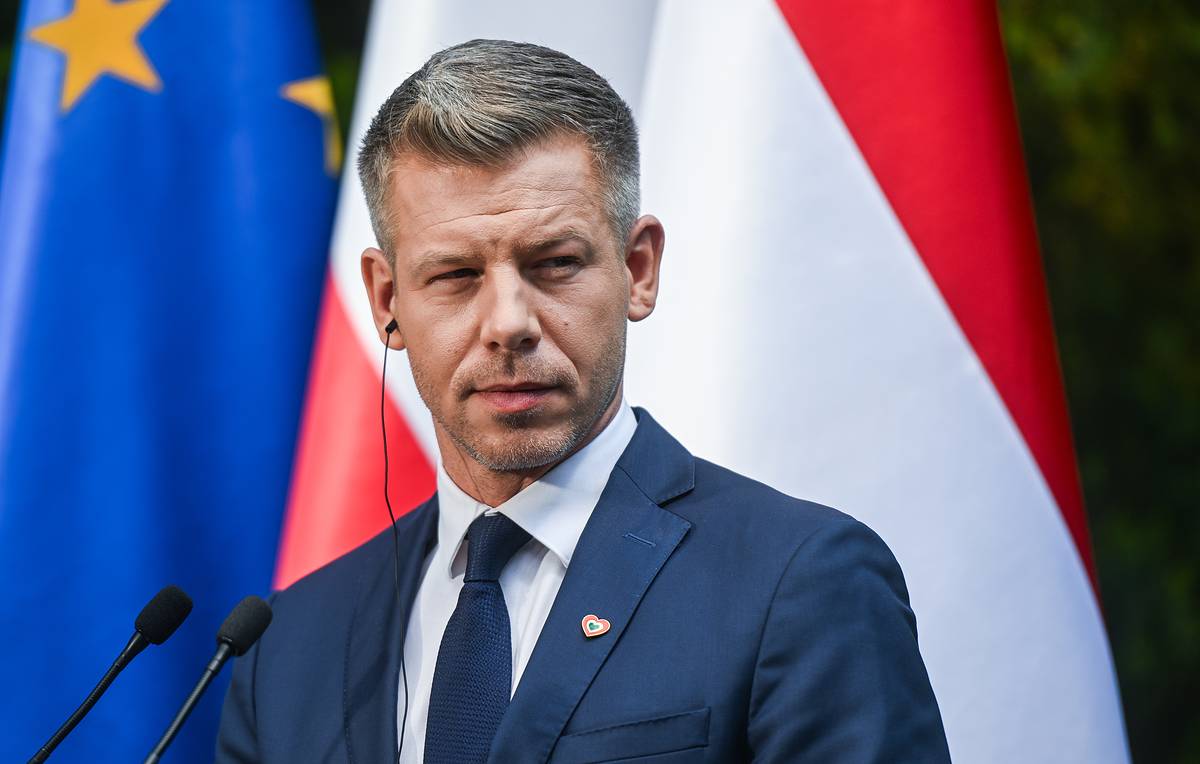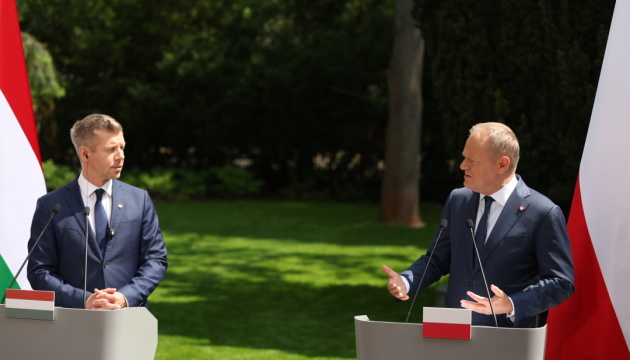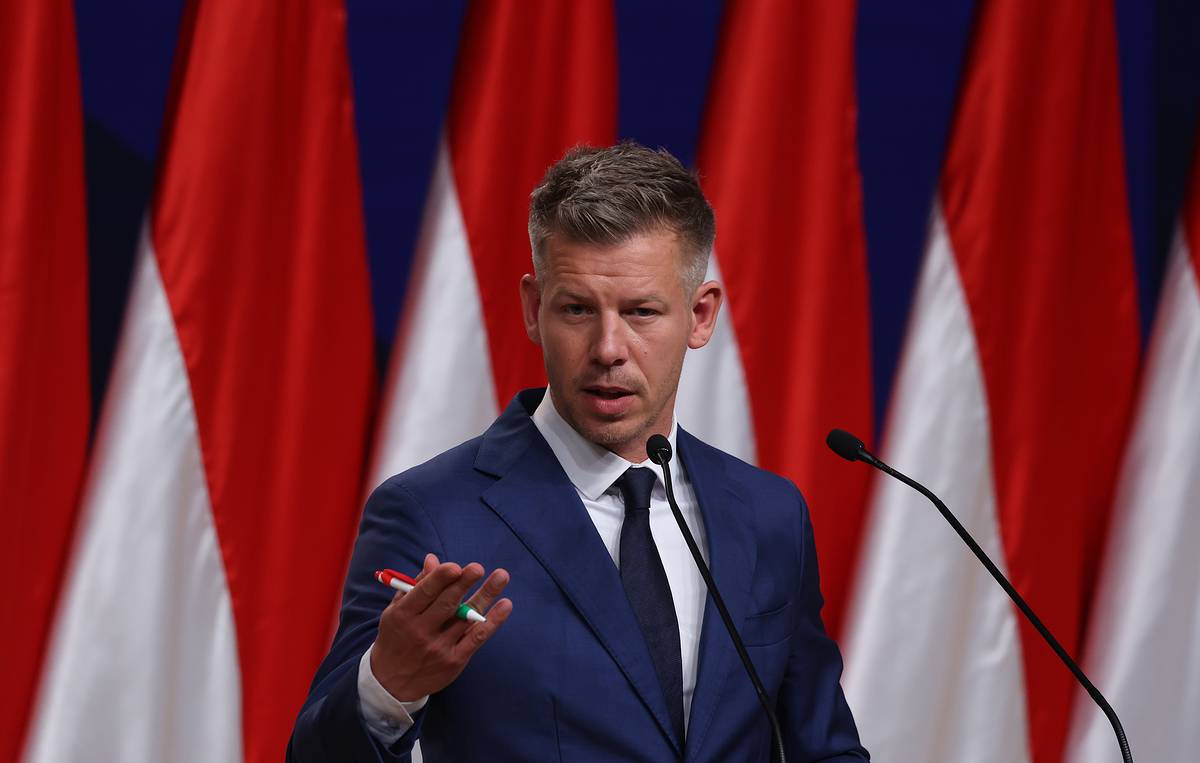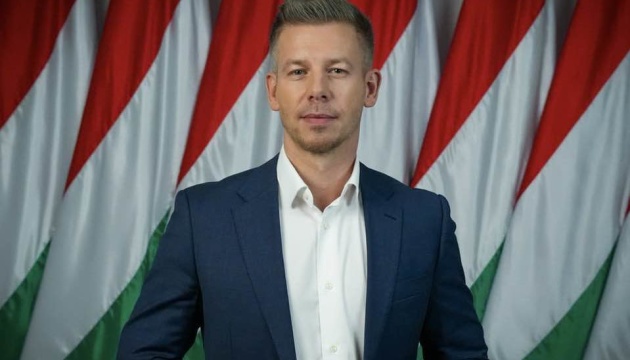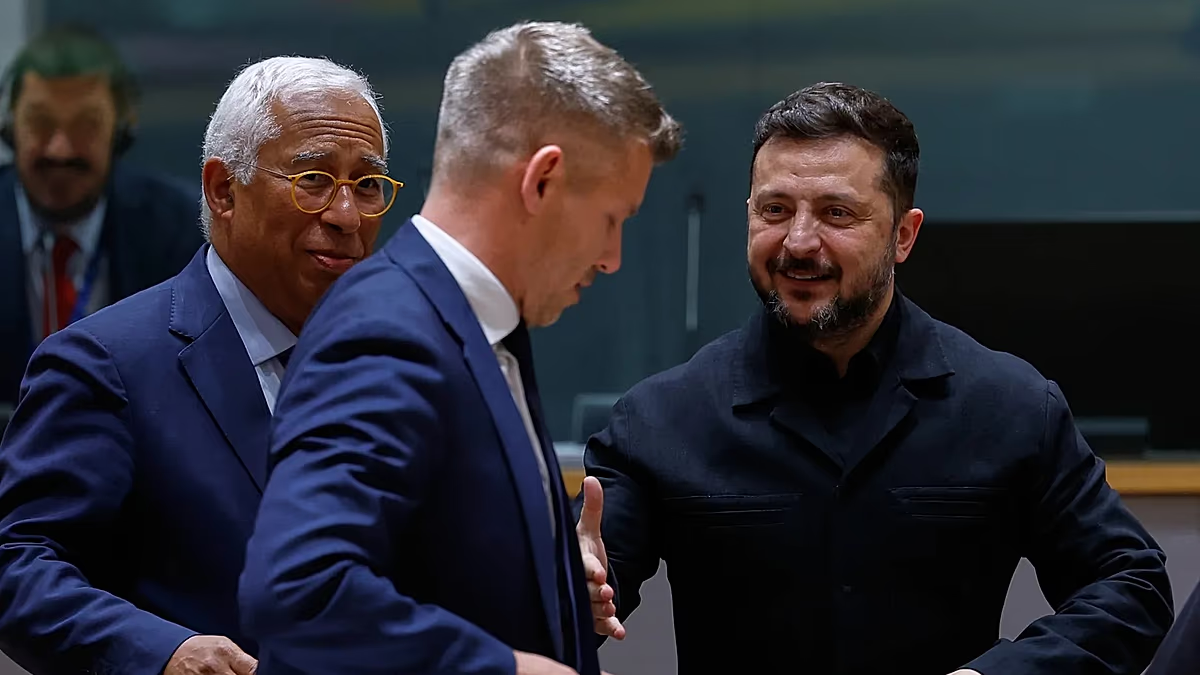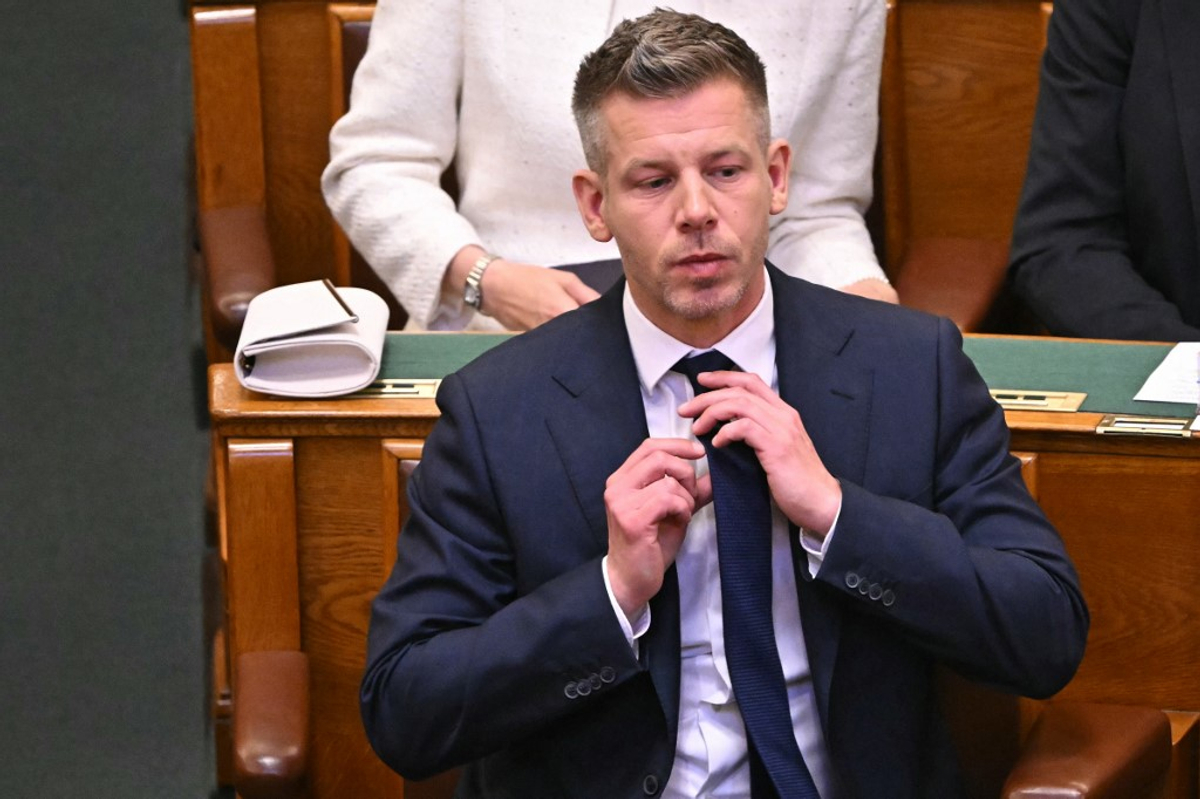
Hungary is right to seek improvements in the situation of the Hungarian minority in Ukraine, particularly in Transcarpathia. On one important point, however, Prime Minister Péter Magyar is either mistaken or insufficiently informed, for now. Moreover, the 13 officially recognized indigenous minorities in Hungary – numbering roughly 600,000 people altogether – possess far fewer institutions and opportunities to conduct their affairs in their native languages within Hungary than the Hungarian minority in Ukraine’s Transcarpathia region, which numbers at most around 100,000. The details speak for themselves. If the Hungarian government insists on demanding 100 percent Hungarian-language education instead of the current 80-90 percent, it would in fact contribute to the gradual disappearance of the minority itself. Any minority that does not adequately speak the majority language cannot communicate effectively or build a meaningful career in its own country, it is like a lighter version of functional illiteracy. The result is predictable: emigration, social marginalization, or poorly paid manual labor.JOIN US ON TELEGRAMFollow our coverage of the war on the @Kyivpost_official. The much- and well-admired autonomy model of the German-speaking minority in Italy offers a telling example. In South Tyrol (Alto Adige), the system is bilingual – and in some areas even trilingual because of the Ladin population. The overwhelming majority of the province’s inhabitants, especially Germans and Ladins, speak two or three languages thanks to the educational and administrative framework. Consequently, they enjoy not merely equal career opportunities but, in fact, belong to the wealthiest population in Italy, while South Tyrol itself has become the country’s richest province.
An Open Letter to the New Hungarian Leader
For the sake of the Hungarian community in Zakarpattia, Péter Magyar should also support Ukraine’s accession to the EU and NATO.
1,373 words~6 min read