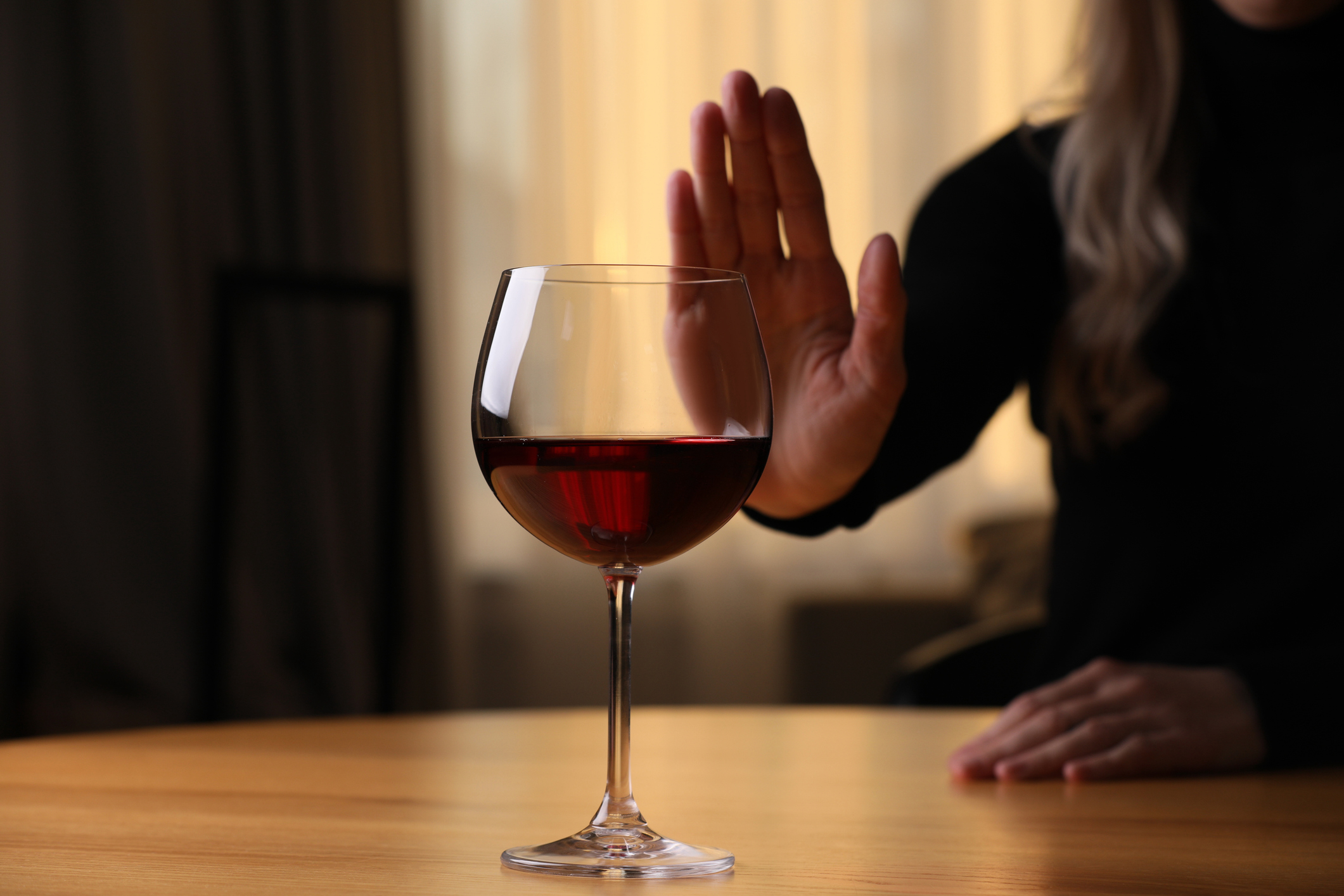
I was at a party recently where the host’s nephew, a pastry chef, had made the desserts. They looked professionally finished and made with love, pride and simple ingredients, an ideal combination. Guests sampled enthusiastically, except the woman I was talking to, who quietly declined.Others reacted like seagulls to dropped chips. Oh go on, have a cheat night, it’s C’s birthday. Aren’t you good, showing the rest of us up? You’re lovely and slim, you could have some. Oh you put me to shame, you really do.I like desserts, and despite decades of reading and writing about the history of food and gender, feel no better about this preference than most of us. It’s worth saying again: the moral status of food is in the production, not the consumption. Nothing in the combination of butter, flour, eggs and sugar produces badness, unless you object to the treatment of the labourers, land and animals concerned. The whole point of cake is to be enjoyed. It exists for no reason other than our pleasure, and pleasure is good and pleasure in cake is good.So I didn’t join the seagull outcry, but I wasn’t immune to it. My companion turned to me despairingly. I just don’t like desserts, she said. I don’t enjoy them, I never have. I prefer cheese, or salted nuts, and more wine. I’m not being strong-minded or virtuous, there’s no temptation for me to resist. I don’t like cake.I knew she was telling the truth, and I knew my own envy and tendency to disbelief were my problem. I couldn’t help feeling, as the others said, that she was putting on a display of self-denial to assert superiority over the rest of us, though I knew it wasn’t so. I wanted to ask if anyone really doesn’t like cake (maybe she just hadn’t met the right cake yet?), but people like and dislike all sorts of things that are not my business.I understand, I said, though I was waving away the cake I did actually want because I’m far from sufficiently enlightened in these matters to enjoy dessert in front of someone who is abstaining. I don’t really like alcohol, I said, and people used to think I was pregnant and now they think I must be a recovering alcoholic.(That particular trouble has never been mine, but I have more than enough of my own compulsions and self-destructive instincts to understand addictions. I’m not insulted by the suggestion and if it makes others more comfortable to think that’s why I’m not drinking, it’s fine by me.)Do you really not, she said doubtfully, and I nearly laughed. No, I said, right from when I first tried drinking I hated that first feeling of alcohol in my body, when things start to loosen and warm, horrible. Oh, she said, I love that moment, most people do.Most people, I did not say, like cake. As long as you don’t drive after drinking, I have no opinion about other people’s pleasuresAt first, I thought alcohol was just a taste, like coffee and anchovies, that I’d have to acquire, and since it was far more important in the lives of young adults in 1990s Britain than coffee or anchovies, I kept trying. But after not very long I did like coffee, still do, and anchovies until I gave up fish, and I never came around or resigned myself to alcohol. A sip from my husband’s glass of interesting wine, to see what it tastes like, sure. A quarter-glass of champagne to join a celebration, rice wine in a Chinese recipe, some leftover red in a lentil stew, brandy for the Christmas cake, it’s not that I don’t like the taste. I don’t like the feeling.This oddity almost disappeared in the years we lived in majority Sikh and Muslim areas of England. Many people didn’t drink, not because they were effortfully resisting but because alcohol wasn’t and never had been part of their lives. There were as many dessert parlours and ice-cream places as pubs, open the same hours (if you dislike sugar and alcohol, options are definitely limited). No one asked or cared why I didn’t drink and I didn’t think about it.[ Wellness: ‘I want to continue to give up alcohol, but I’ve relented due to pressure from my spouse’Opens in new window ]As long as you don’t drive after drinking, I have no opinion about other people’s pleasures. Like the woman who dislikes cake, I’m not abstaining at you. I’m not showing off willpower because none is involved. It’s difference, not superiority, but we find neutral difference interestingly hard to accept.
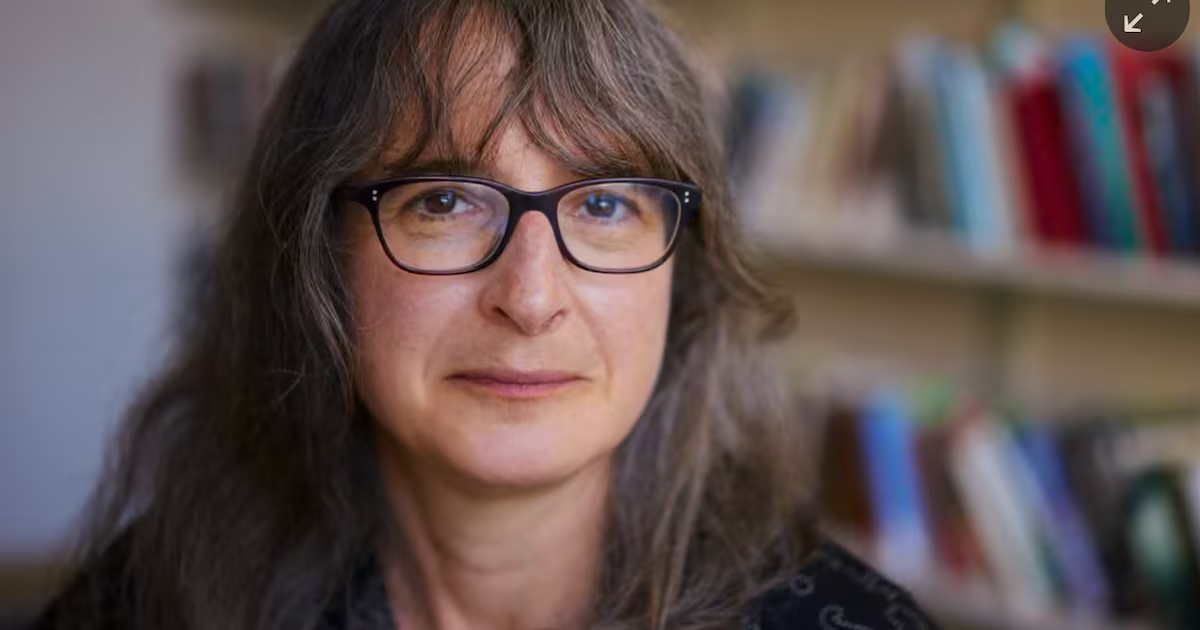
Sarah Moss: I don’t like alcohol. People think I’m a recovering alcoholic and that’s fine by me
I’m not insulted and if it makes others more comfortable to think that’s why I’m not drinking, it’s fine by me
769 words~3 min read