Systems
PLUS: Huawei says it’s replaced Moore’s Law; Chinese mobile plans add token allowances; Singtel slinging Optus; And more!
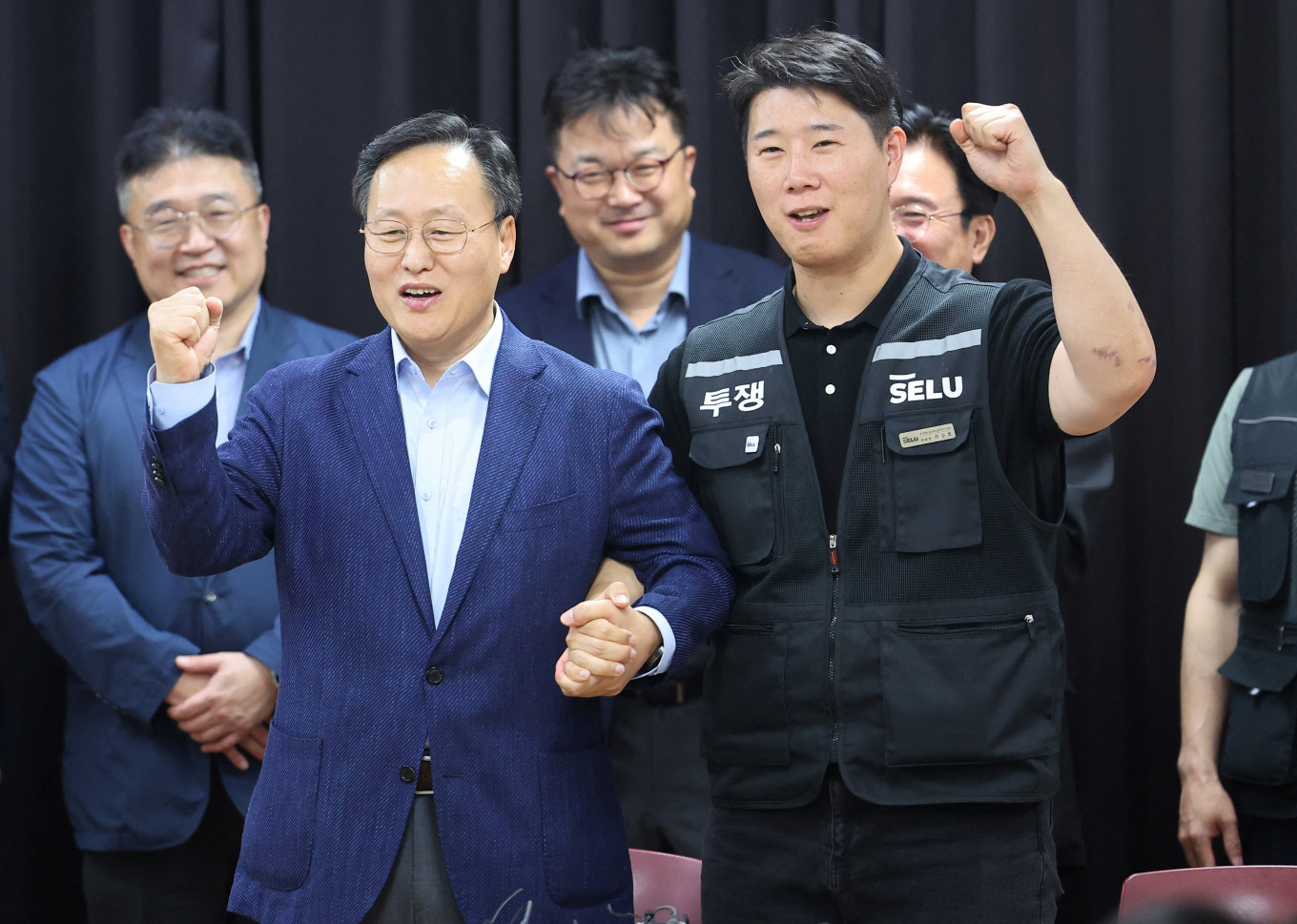
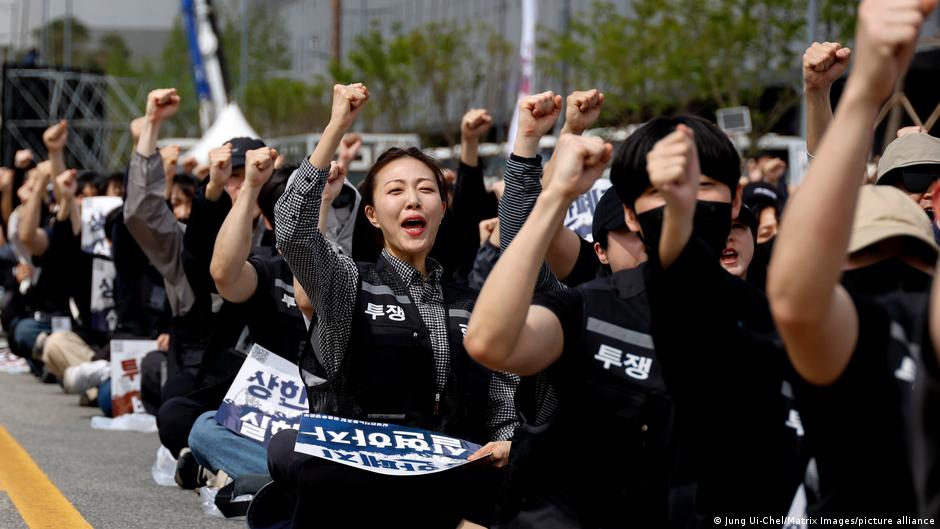
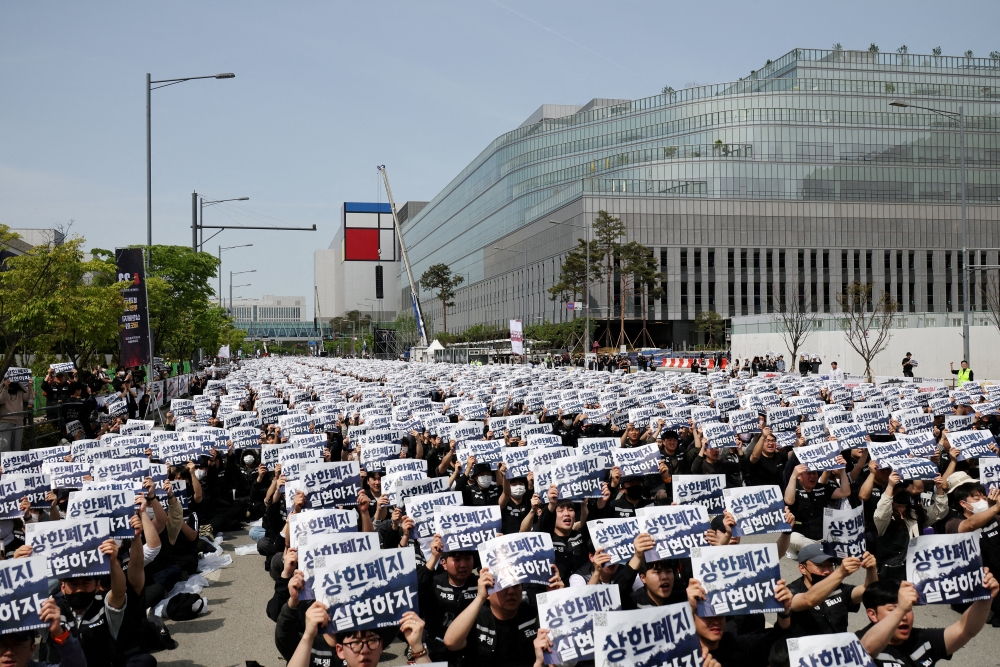
ASIA IN BRIEF Workers at Samsung Electronics may score bonuses of well over $100,000 after calling off a planned strike.Samsung’s profits recently shot into the stratosphere along with the price of memory and solid-state storage. Staff threatened to strike if the company did not share some of the largesse.Last-minute talks saw the National Samsung Electronics Union (NSEU) agree not to strike, after Samsung agreed to create a fund that will share profits with workers. A Bloomberg report suggests some workers could be in line for payments of $340,000 under the scheme.
The Union is now running a vote on whether to approve the plan.
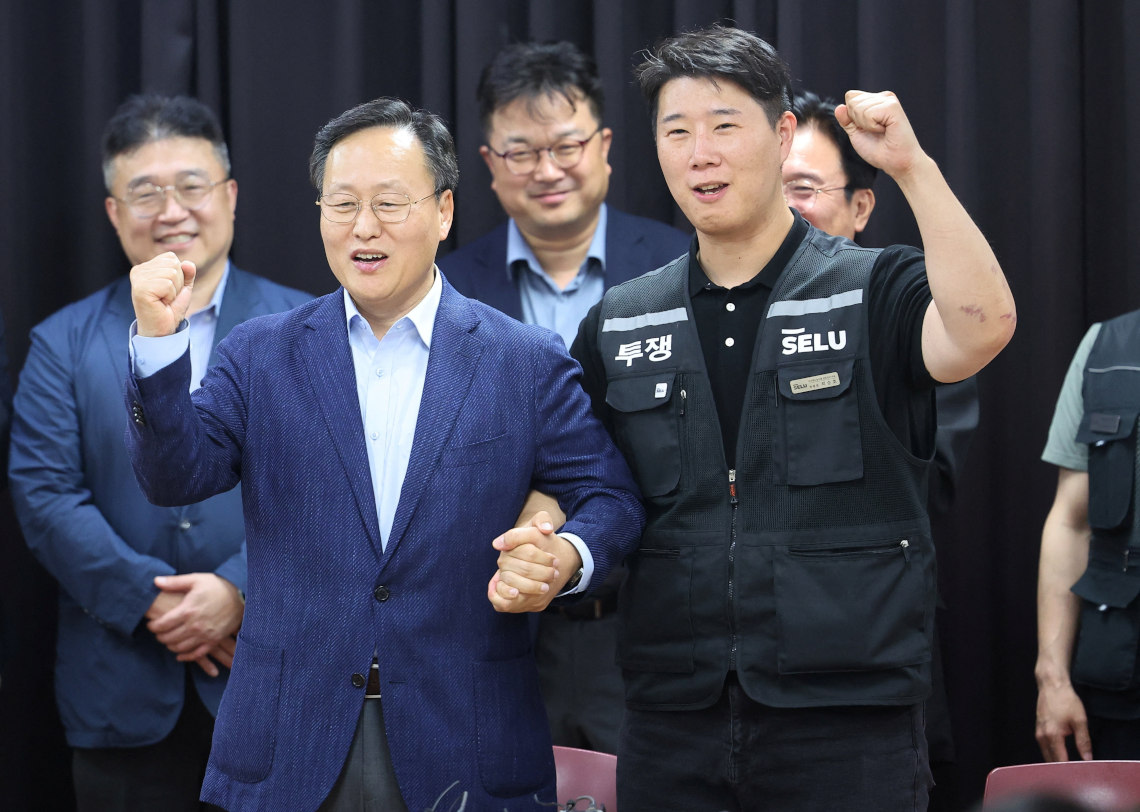
Workers appear to have mixed feelings about the plan, as on Sunday the Union published a post in which it tries to justify the settlement as benefiting workers from all divisions of Samsung Electronics, and its plan to create a fund that would see all employees granted around $17,000.“Your anger must be directed not at us, but at the company,” wrote NSEU Acting Representative Woo Ha-kyung. “It must be directed at the company that is dividing us. I earnestly hope that workers will not thrust arrows of blame and criticism at other workers, but instead unite our strength to move forward.”Huawei claims it’s leapfrogged Moore’s LawHuawei on Monday proposed a new scaling law to replace Moore’s Law – which isn’t a law at all and postulates that the number of transistors in an integrated circuit doubles about every two years.Speaking at the Institute of Electrical and Electronics Engineers (IEEE) 2026 International Symposium on Circuits and Systems, the president of Huawei’s semiconductor division He Tingbo proposed the Tau (τ) Scaling Law.According to Huawei’s announcement, “This law proposes replacing geometric scaling with time (τ) scaling as a new guiding principle for the evolution of both semiconductors and electronic systems.”This “law” seems to be tangled up with a technology Huawei calls the “LogicFolding architecture” which apparently represents an alternative to traditional semiconductor design by “significantly shortening critical-path wiring, effectively reducing the resistive and capacitive load of signal propagation, and ultimately boosting transistor density and circuit performance.”Huawei will debut LogicFolding chips later this year and says “By 2031, the high-end chips Huawei designs based on the τ Scaling Law are expected to feature a transistor density that is equivalent to 1.4 nm processes.”