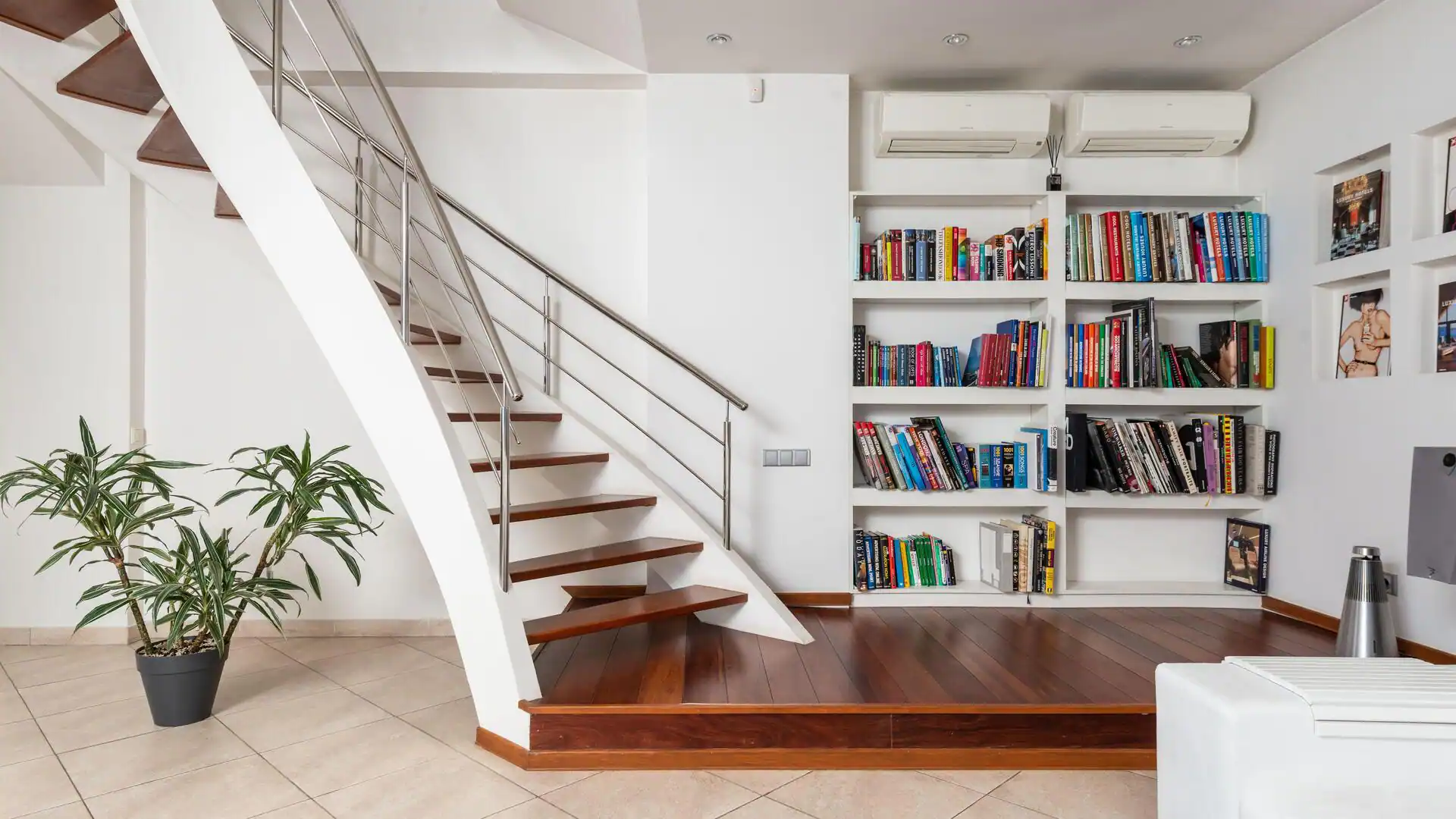
We are considering installing a proper staircase to access an attic that is classified as nonhabitable storage space without converting it formally to a habitable room. At present, access to the attic is via an attic ladder from a spare room, which is awkward and not especially safe to use. Installing a full staircase will make access easier and safer. Our goal is to eventually convert the attic to habitable space but the quote for that was beyond our budget.So, our intention would be to comply with applicable building regulations for the staircase itself (for example, the requirements similar to part K on pitch, tread depth, riser height and guarding), but not to undertake the level of works required for a formal attic conversion.However, I am conscious of possible planning and building regulation implications, resale considerations and the risk that an apparently “room-like” attic with proper stairs could be treated differently by surveyors, insurers or the local authority.The best way to avoid all worry and stress would be to apply to the planning authority under a section 5 Declaration (Planning & Development Act 2000). This is essentially a formal request for clarity from the local planning authority on whether a proposed development or work requires planning permission or is exempt. The form can be downloaded from the planning authority’s website and is user friendly. There is also a processing fee of €80 required. If you are to retain your attic as just that, lay out your proposal in section 5.The conversion of the attic into habitable space may also be exempt, but you could lodge a separate section 5 to clarify this query. If there is any reason to prevent any works, this will be explained and you may have to seek planning permission, but you will have the facts. If you wish to sell or mortgage your house later, or an insurer or surveyor comes to assess your property, you will be in a position to present the paperwork allaying any concerns as to the compliance of your property. This will serve to fast-track processes. Note that seeking a section 5 does not mean you have to carry out any works.[ There is damp in our attic following an insulation upgrade. Am I right to be concerned?Opens in new window ]You rightly refer to building regulations and give the example of part K stairways, ladders, ramps and guards, with reference to the proposed stairs. But for the benefit of readers, there are other regulations to consider when carrying out works to a building. Part A Structure will play a part, as joists will have to be cut through and additional strengthening timbers will have to be added to “trim” around the new opening so that the stairs have support and those using it may access the attic via a robust opening. A door with frame may also have to be installed at the head of the stairs.Part L Conservation of Fuel and Energy has an impact too because if the attic is a cold roof (insulated between the attic floor joists) considerations will have to be made to prevent heat loss through the new opening/door. I suggest that before you start any works you engage a professional designer. They will run the alterations through the building regulations filter to ensure compliance, but they can also assess suitability of the space for habitable use in the first instance, and the optimal position for the stairs to facilitate future alterations.Brigid Browne is a chartered building surveyor and a member of the Society of Chartered Surveyors IrelandDo you have a query? Email propertyquestions@irishtimes.comThis column is a readers’ service. The content of the Property Clinic is provided for general information only. It is not intended as advice on which readers should rely. Professional or specialist advice should be obtained before persons take or refrain from any action on the basis of the content. The Irish Times and its contributors will not be liable for any loss or damage arising from reliance on any content
‘Will we need planning permission to install a staircase to our attic?’
‘I am conscious of possible planning and building regulation implications and resale considerations’
671 words~3 min read