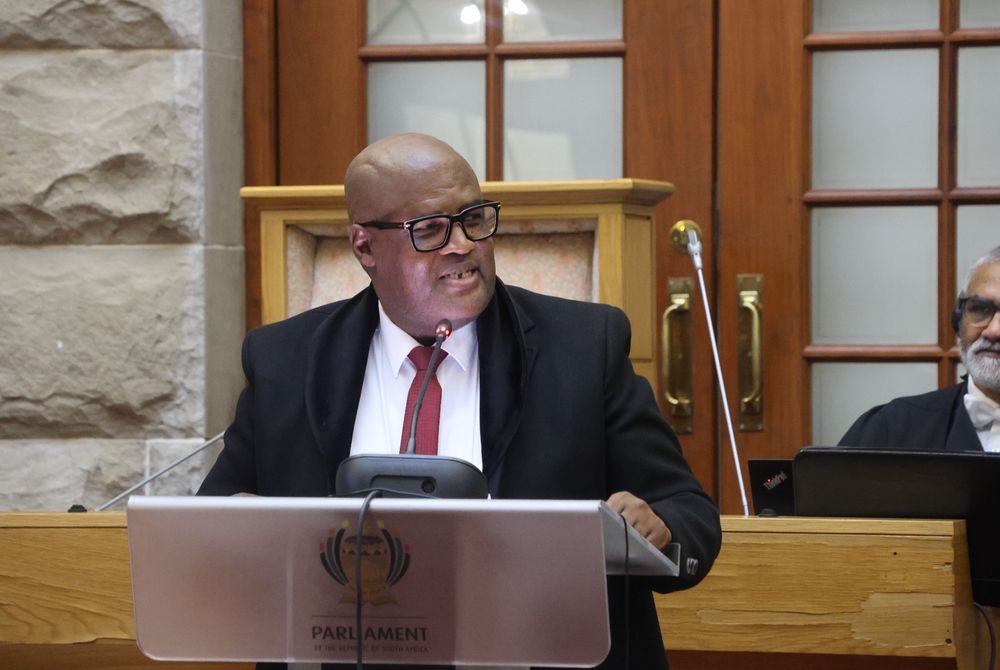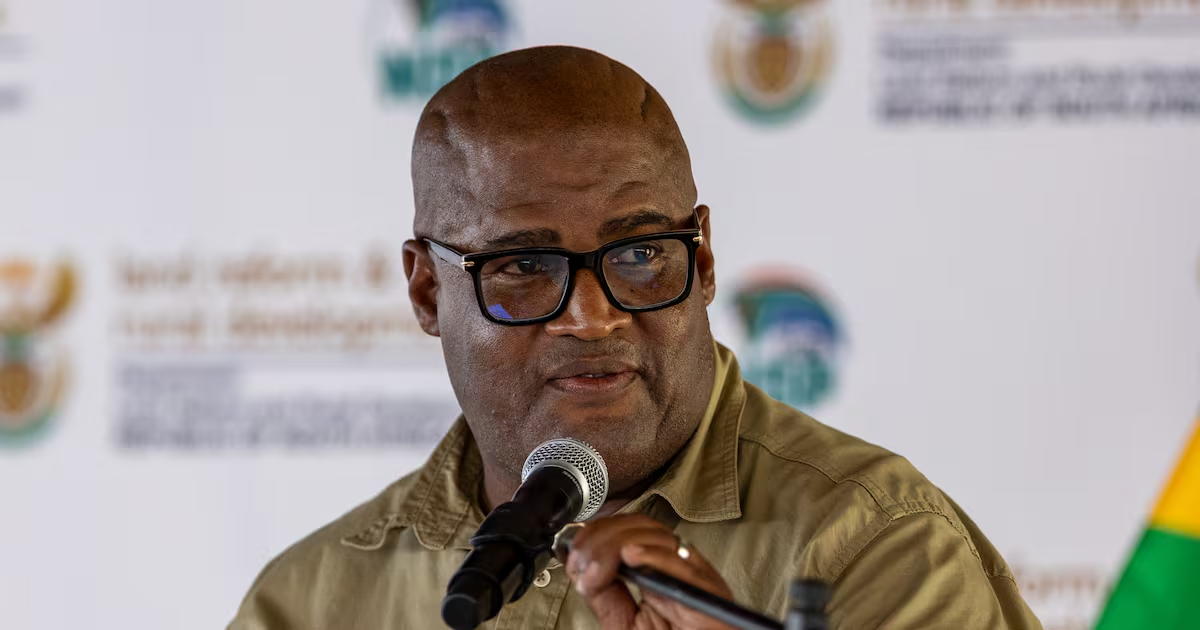
The government has allocated about 3.9-million hectares of land at a cost of about R27bn under its restitution programme since 1995, land reform & rural development minister Mzwanele Nyhontso says.In addition, about R27.6bn had been paid as financial compensation to qualifying beneficiaries and about R5.5bn allocated in the form of development grants, he said in his budget vote speech in the National Assembly. Nyhontso told MPs his department would undertake a comprehensive land audit to determine the amount of land in possession of the state. This was essential, he said, for planning purposes as there was a lack of clarity and dispute about this. “This also applies to communal land, especially with regard to the question of how much movement has occurred in shifting from the 13% that was originally accessible to Africans during the apartheid period, including land that has changed hands through market mechanisms. “Most importantly, the comprehensive land audit will also bring certainty about who owns what land in South Africa, in terms of race, gender, business entity, land held in trusts, regional distribution as well as nationality,” Nyhontso said. “We have also identified the rationalisation of apartheid laws as a long-standing factor that continues to complicate the work of the department in discharging its land reform mandate, as many such laws that still exist on the statute book are in direct conflict with the constitution. This work is to be conducted under the auspices of a retired judge whose appointment process is under way.”He emphasised the need to address the historical legacies of dispossession, poverty, inequality, exclusion, underdevelopment and uneven spatial development.Most importantly, the comprehensive land audit will also bring certainty about who owns what land in South Africa, in terms of race, gender, business entity, land held in trusts, regional distribution as well as nationality.— Mzwanele Nyhontso, land reform & rural development minister In 2025/26 the department acquired about 53,000ha of land and allocated more than 35,000ha to qualifying individuals and communities, of which about 20,000ha went to women and 13,000ha to youth. About 700ha was acquired and transferred to more than 700 farm dwellers and labour tenants while about 206,000ha was transferred from the state to affected communities. “With regard to ensuring equitable access to land, we have reviewed and amended the existing beneficiary selection and allocation policy in such a way as to ensure that it provides adequately for those who lack the financial and educational requirements that were previously insisted upon,” Nyhontso said. “Such individuals consistently and without fail demonstrate the potential to operate successfully as farmers while working under severely constrained conditions of land shortage and infrastructure deficits in communal areas. Similarly, we have strengthened the provisions that relate to military veterans and former political prisoners.” The proposed Equitable Access to Land Bill would be crucial for the implementation of the redistribution programme, he said. A land reform agency would be established to identify land and beneficiaries, allocation and post-settlement support. The bill would be presented to cabinet and thereafter for public consultation by June. The Communal Land Tenure and Administration Bill would also be presented to cabinet and released for the public consultation process by the end of June. The bill would ensure legally secure tenure for the millions of residents of the former homelands and other communal areas and introduce a system of communal land administration. The aim was for both bills to be taken through parliamentary processes by the middle of next year, Nyhontso said. The department has been allocated a budget of R10.4bn for 2026/27, of which R630m has been earmarked for the acquisition and allocation of about 57,751ha of land for redistribution and tenure-related purposes. About R388m has been allocated for infrastructure and production support linked to these interventions. At the end of December 2025 a total of 83,721 land claims had been settled through the restitution programme aimed at addressing land dispossession arising from racially discriminatory laws and practices that were implemented after June 1913, Nyhontso said. These settlements benefited about 2.4-million individual beneficiaries and 468,761 households. In 2026/27 the Commission on Restitution of Land Rights plans to settle 307 claims and finalise 284. The number of outstanding old order land claims stands at 5,245.
Land restitution and compensation cost state about R60bn since 1995
Land reform & rural development department to conduct an audit of state-owned land
700 words~3 min read