The reduction in Nigeria’s debt deserves cautious interpretation, contends FELIX OLADEJI
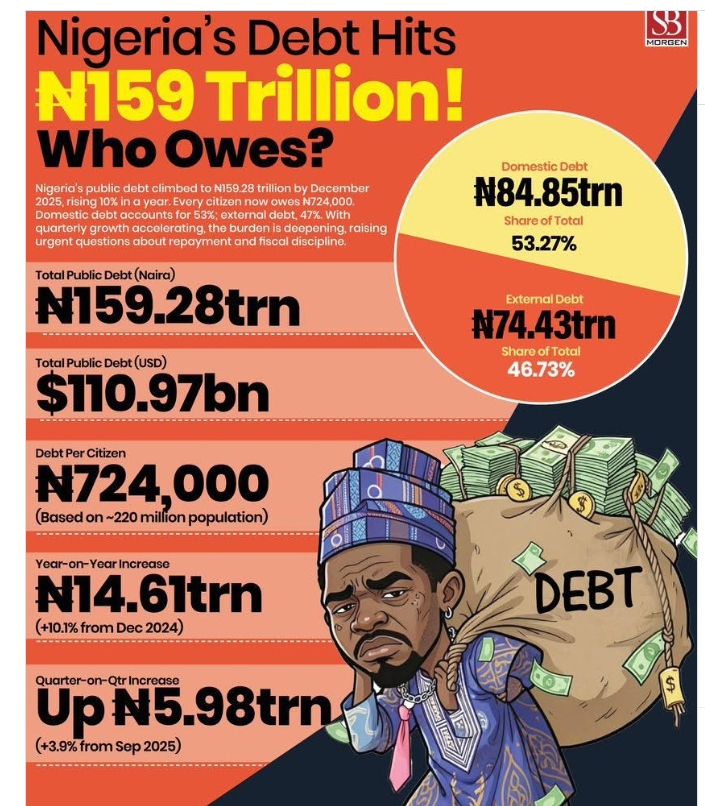
The recent report that Nigeria’s debt to the International Development Association (IDA) has declined to $18.5 billion has been presented as a positive signal within the country’s broader fiscal landscape. According to data from the World Bank, Nigeria’s outstanding obligations to the concessional lending arm fell by approximately $300 million within the review period, although the country still remains the third-largest IDA debtor globally. At face value, the reduction appears to reflect modest progress in debt management and fiscal adjustment. Yet beneath the optimism surrounding declining figures lies a more complex question: does a reduction in external debt necessarily indicate improving economic resilience, or does it merely reveal the difficult balancing act confronting developing economies like Nigeria?
Public debt occupies a complicated place within modern economic governance. For developing states, borrowing is often framed not simply as a financial necessity but as a developmental instrument—one used to finance infrastructure, stabilize economies, and support public investment where domestic revenue remains insufficient. Nigeria’s relationship with concessional lending institutions such as the IDA must therefore be understood within the broader realities of development financing, fiscal limitations, and structural economic dependency.