Nigeria is looking to take advantage of falling Eurobond yields and stronger investor sentiment to refinance high-cost debt and raise fresh funding, as elevated oil prices and ongoing reforms improve external market conditions.
Finance officials say the government plans to refinance expensive legacy obligations while accessing new borrowing to help plug a N30 trillion budget deficit this year, reflecting continued pressure on public finances despite recent gains in non-oil revenue.
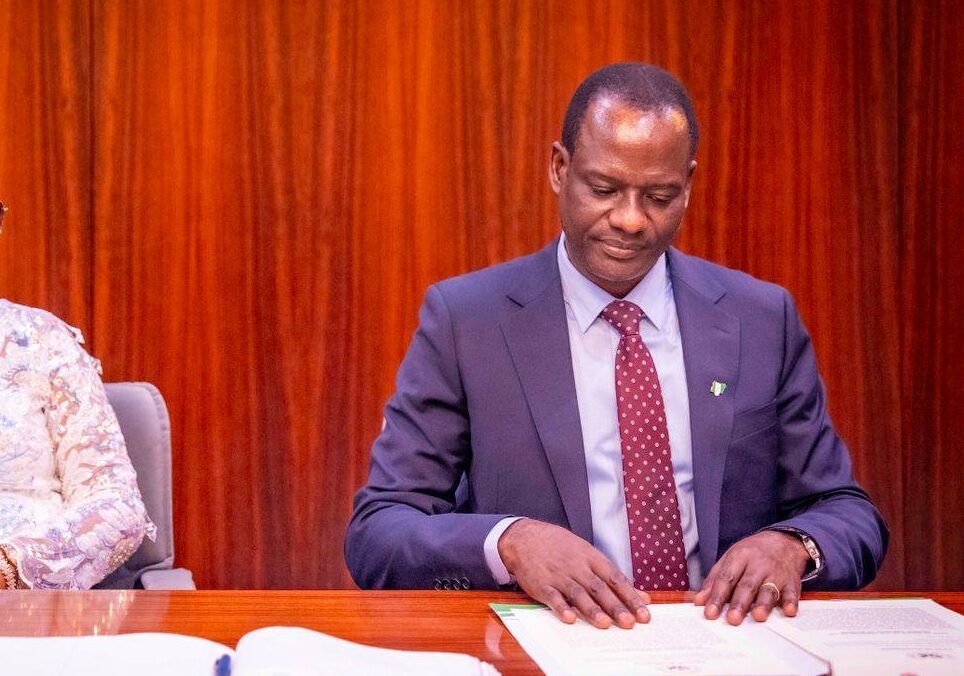
“We think that this timing is good for us to be able to maybe even refinance some of our expensive past debts, but also to raise more funding for our development at this critical time,” said Taiwo Oyedele, Minister of Finance, in an interview. “You don’t know what will happen tomorrow. But as of today, market conditions are actually very good.”
The country is also keeping its financing options open, including concessional loans from multilateral institutions, as conversations continue with the World Bank and other development partners. According to Oyedele, investor appetite has improved significantly, supported by reforms undertaken since the current administration came into office in 2023.
Nigeria’s fiscal gap remains elevated despite gains from recent tax reforms, with the government still seeking ways to bridge a funding shortfall estimated at N30 trillion for the year.