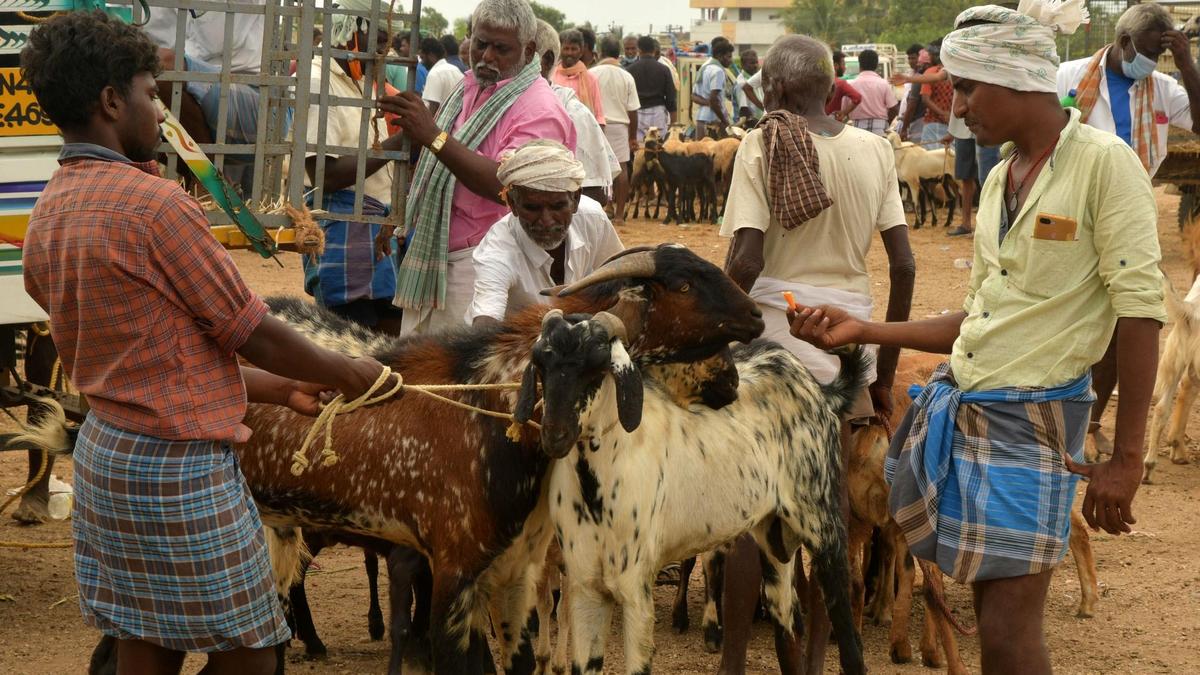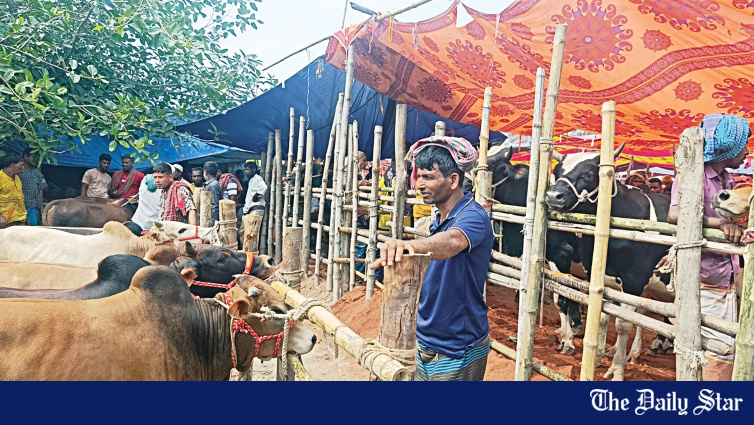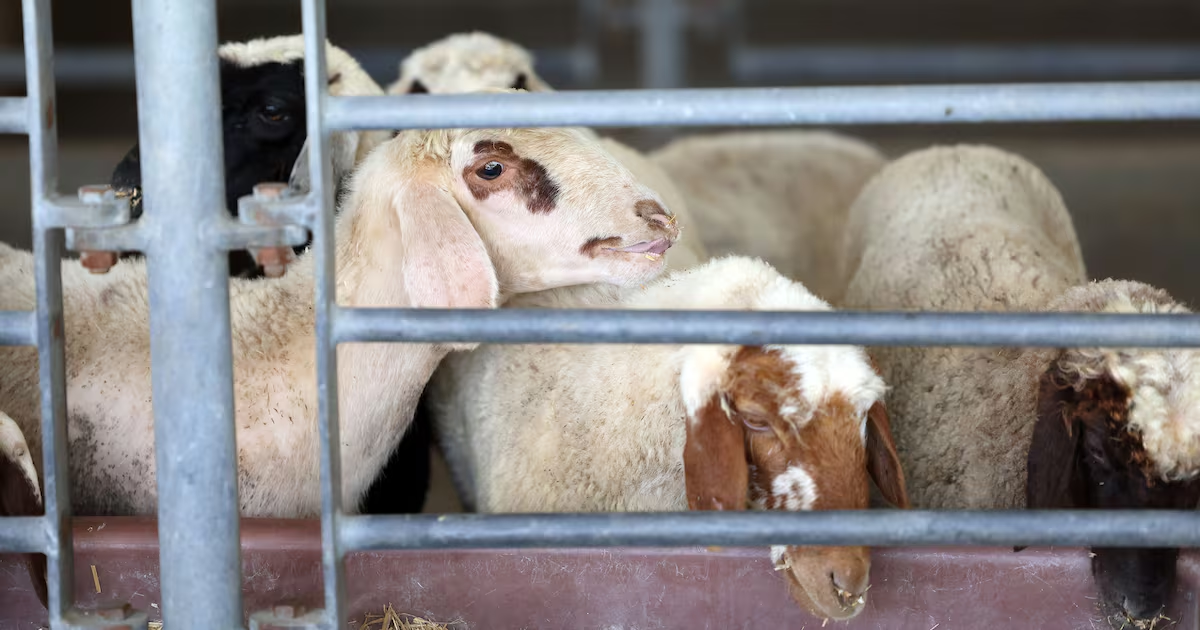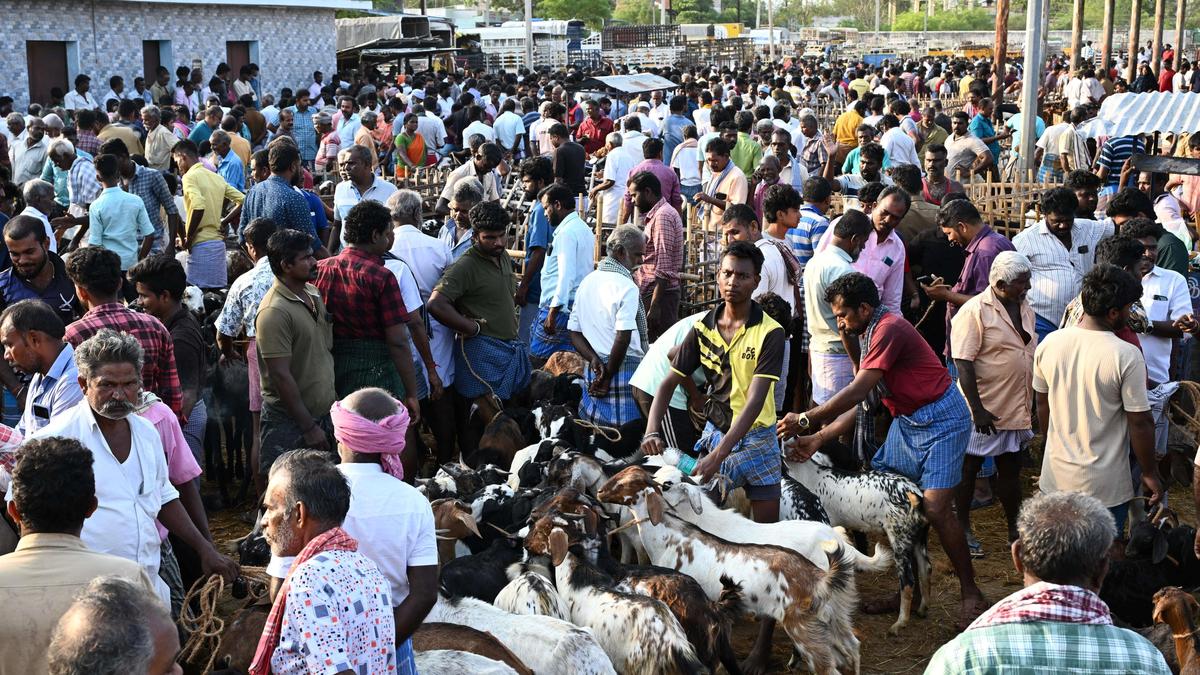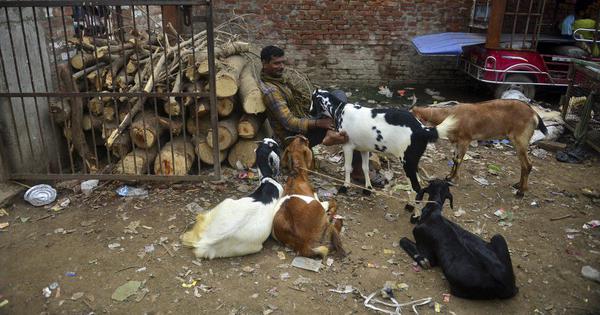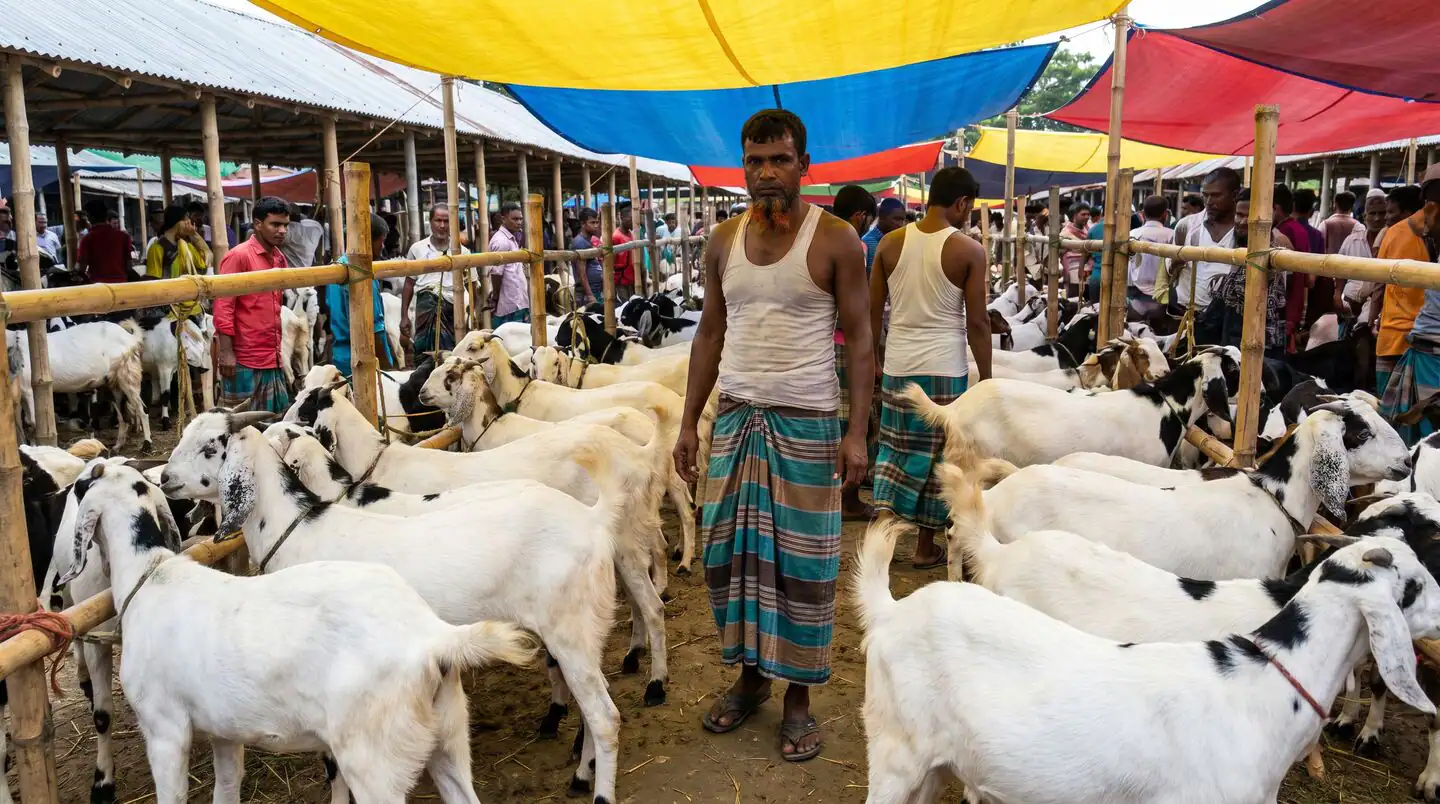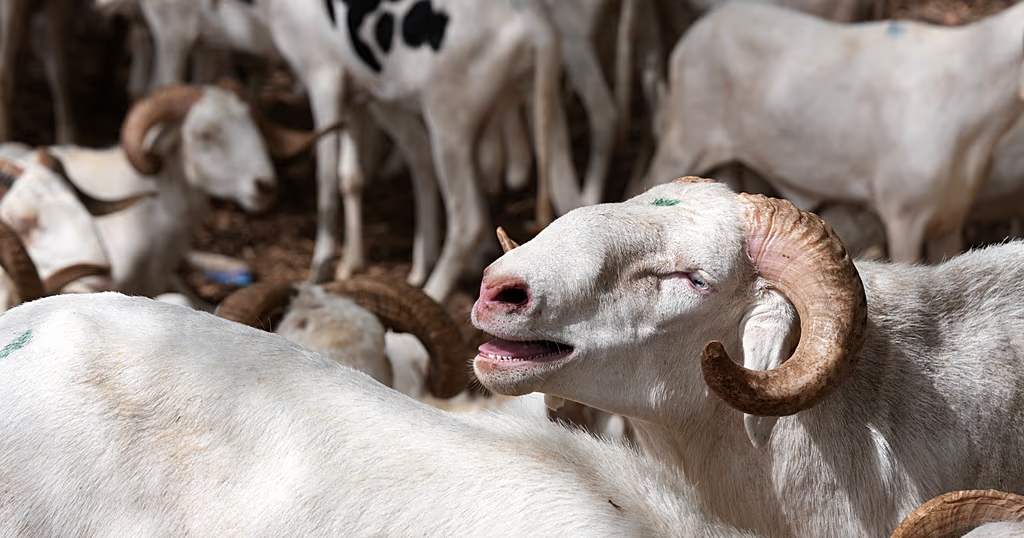
As Bakrid, or Eid-ul-Adha, approaches on May 28, goat prices have surged across Pune and nearby livestock markets, leaving many middle-class Muslim families struggling to afford sacrificial animals this year.Suhaib Ansari, a trader who brought goats from Uttar Pradesh to the Kausarbaug goat market, said supply chains had been severely affected this year. (REPRESENTATIVE PIC)Traders across major goat markets in Camp, Kondhwa, Kausarbaug, Bhavani Peth, Yerawada and Hadapsar said prices have risen by around 20% to 40% compared to last year, depending on breed and size.Small goats that sold for ₹10,000– ₹12,000 last year are now priced at ₹15,000 and above. Medium-sized goats, which earlier ranged between ₹18,000 and ₹25,000, are now being sold for ₹30,000– ₹50,000. Premium breeds that were available in the ₹70,000– ₹1.5 lakh range last year are now fetching ₹1 lakh to ₹3 lakh.Traders said a large number of goats are being sold in smaller towns before reaching major cities like Pune due to higher logistics costs and uncertainty among transporters.Suhaib Ansari, a trader who brought goats from Uttar Pradesh to the Kausarbaug goat market, said supply chains had been severely affected this year.“Transportation costs have increased substantially, and due to tightening restrictions on beef control, a large number of goats never reached major cities like Pune. Animals were being sold in tier-two and tier-three towns themselves because traders feared complications during transport. Even in Deonar market in Mumbai, a similar situation prevails,” Ansari said.He added, “Many transporters are scared their vehicles may be stopped, or animals seized. Because of this, fewer goats reached Pune and other major urban centres, which has directly resulted in price inflation.”Saleem Mulla, a social worker from Kondhwa, said the rise in prices was unprecedented and linked to both the shortage of animals and restrictions surrounding cattle slaughter.“The market is seeing an unprecedented rise due to a goat shortage and also restrictions like the beef ban. Muslims buy sacrificial animals according to their purchasing power, but prices have gone up sharply this time because demand is much higher,” Mulla said.“The state animal husbandry and welfare department must step in to ensure that prices remain stable and affordable. The government can also ensure that more sacrificial animals are brought to markets so that rates come down and ordinary families are not burdened,” he added.Manguram Chaudhary, a goat seller from Rajasthan, said traders themselves were under pressure.“Fodder prices, diesel expenses and transport charges have all increased. Earlier, we could bring more animals at a lower cost, but now expenses are very high. Customers feel goats are expensive, but traders are also under pressure because maintaining and transporting livestock has become costlier,” Chaudhary said.Many middle-income Muslim families said soaring prices had forced them to either reduce their budget or buy smaller animals this year.“Eid-ul-Adha comes only once a year, and it is a very important festival for us where sacrifice is performed as part of our faith. But this year prices are beyond the reach of many families,” said a resident from Camp visiting the Kausarbaug market.
Goat prices soar ahead of Bakrid in Pune
Traders across major goat markets in Camp, Kondhwa, Kausarbaug, Bhavani Peth, Yerawada and Hadapsar said prices have risen by around 20% to 40% compared to last year
503 words~2 min read