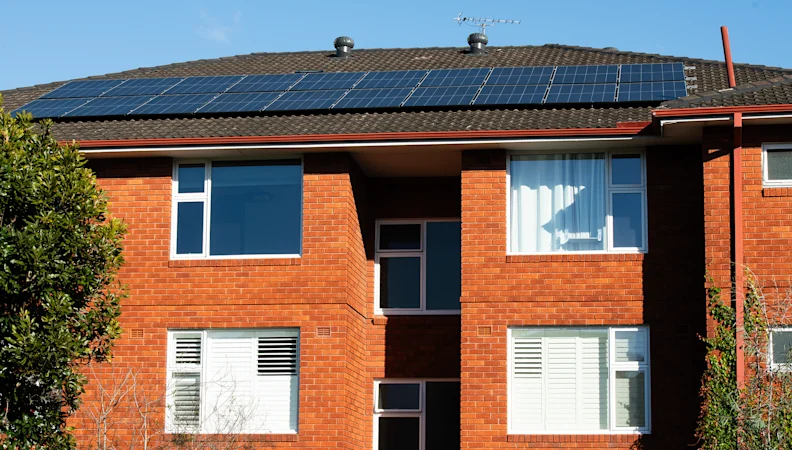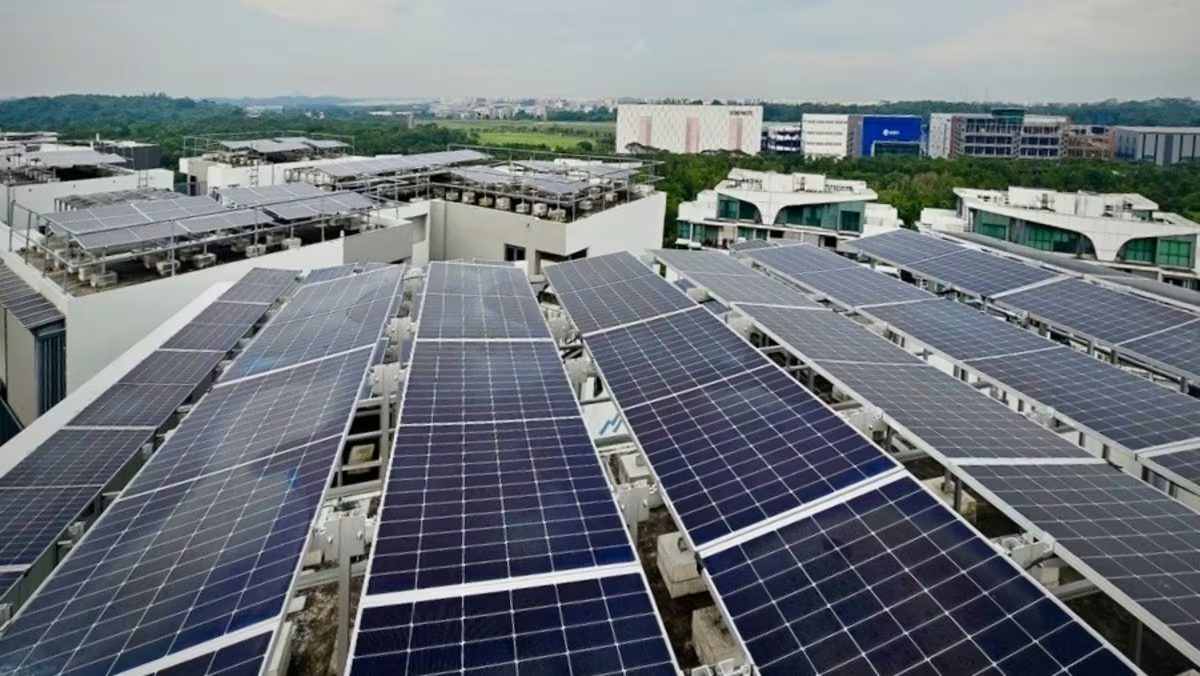
SINGAPORE: When equipment at Grandeur 8 began showing signs of inefficiency, racking up electricity bills of more than S$20,000 (US$15,700) a month, condominium manager Sean Kunnath and his team began looking at ways to bring costs down.The answer for them was solar energy, which they estimated could save the estate S$6,000 in electricity costs a month – if residents approved.The condominium is among a growing number of private residential estates exploring solar energy as electricity prices rise.In the latest parliamentary sitting on May 7, Minister of State for Trade and Industry Gan Siow Huang said there has been a strong growth in solar adoption over the last few years.
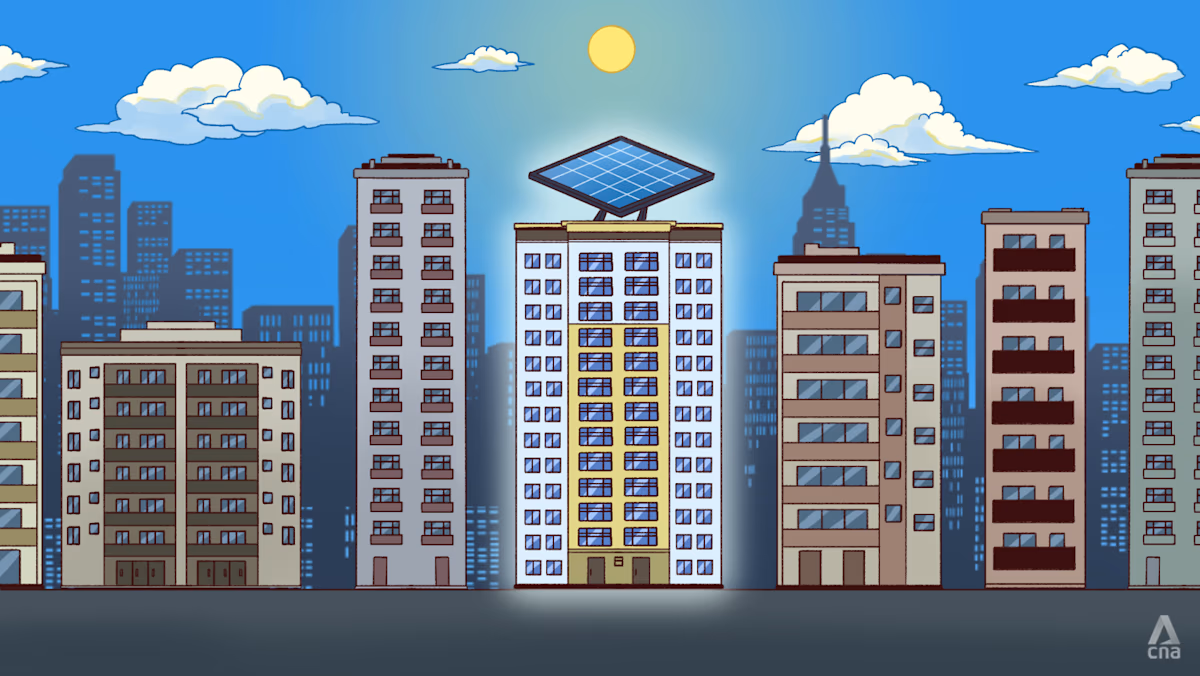
For private residential buildings, the number with solar panels has increased more than fourfold in the last five years, from around 1,400 in 2020, to around 6,900 in 2025 – corresponding to about 8 per cent of all private residential buildings.Solar companies CNA spoke to said they have seen an increase in enquiries from condominium Management Corporation Strata Titles (MCSTs), which they attribute largely to rising electricity costs amid a volatile energy market.The overall electricity tariff, including tariffs for non-households, increased by an average of 2 per cent or 0.52 cents per kWh before Goods and Services Tax (GST) in the second quarter of the year, compared with the first quarter.The Energy Market Authority (EMA) said there would likely be "further and potentially sharper increases" in electricity and town gas tariffs in subsequent quarters.Mr Jeremy Ong, senior manager of LHN Energy, said: "Condominium management committees are clearly paying attention, and we're seeing many of them actively considering solar as part of their longer-term energy strategy."Condominiums and serviced apartments can typically expect reductions of around 20 to 40 per cent on their electricity costs for common areas such as lifts, water pumps, and corridor lighting, he added. But are solar panels worth it – or feasible – for every estate? The answer depends largely on model choice, building design and regulatory considerations.