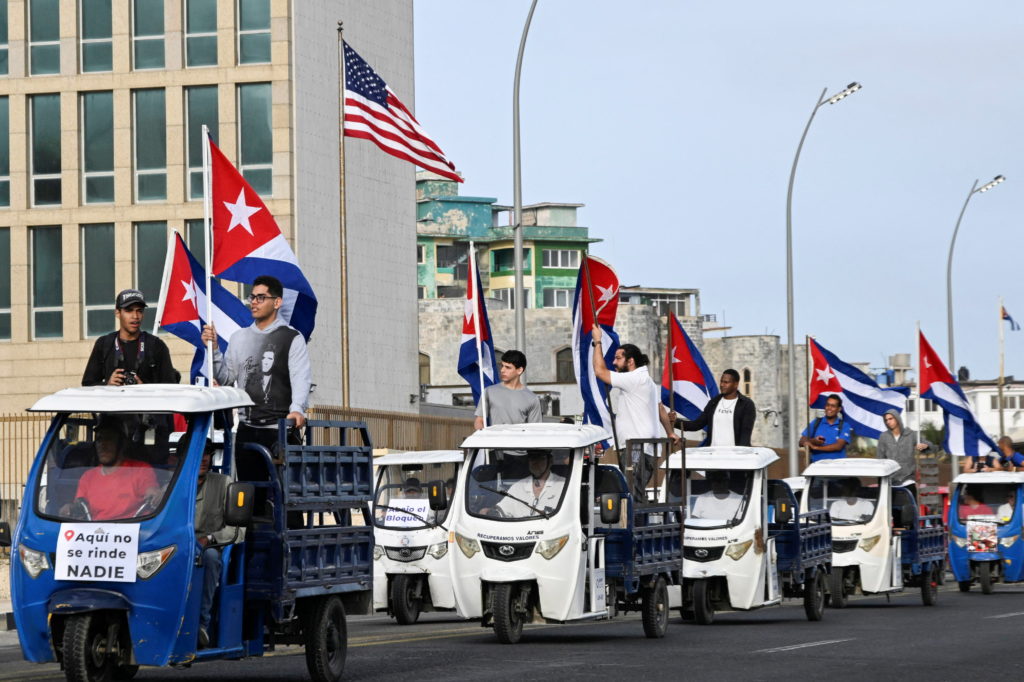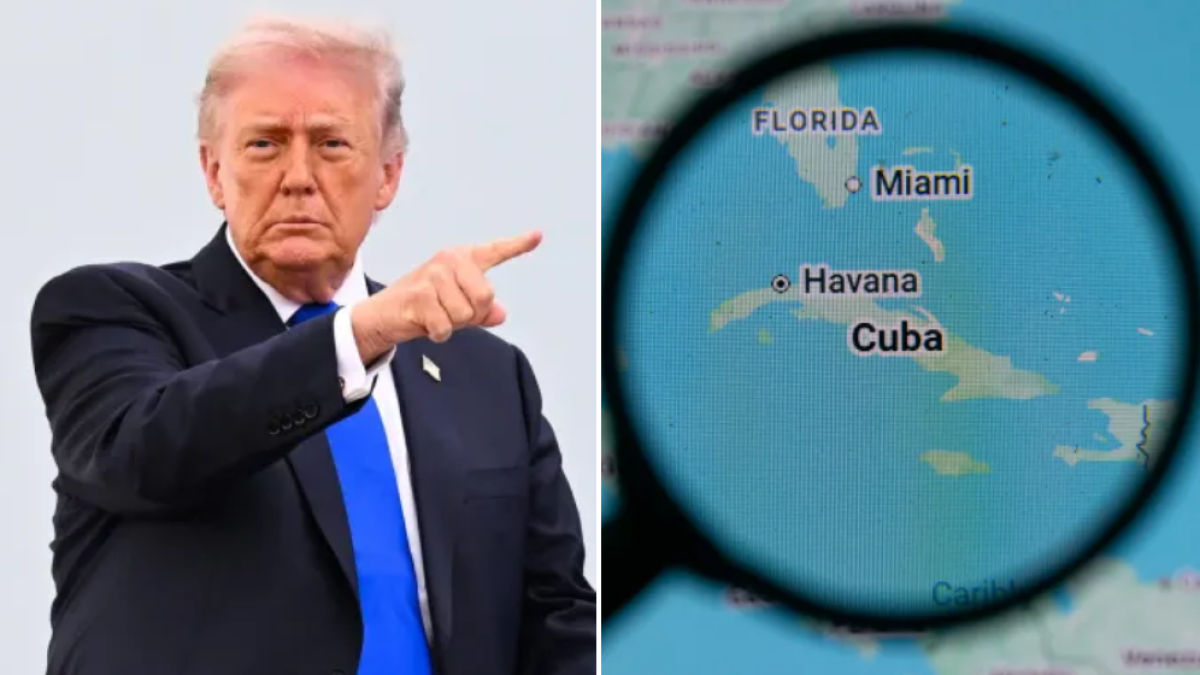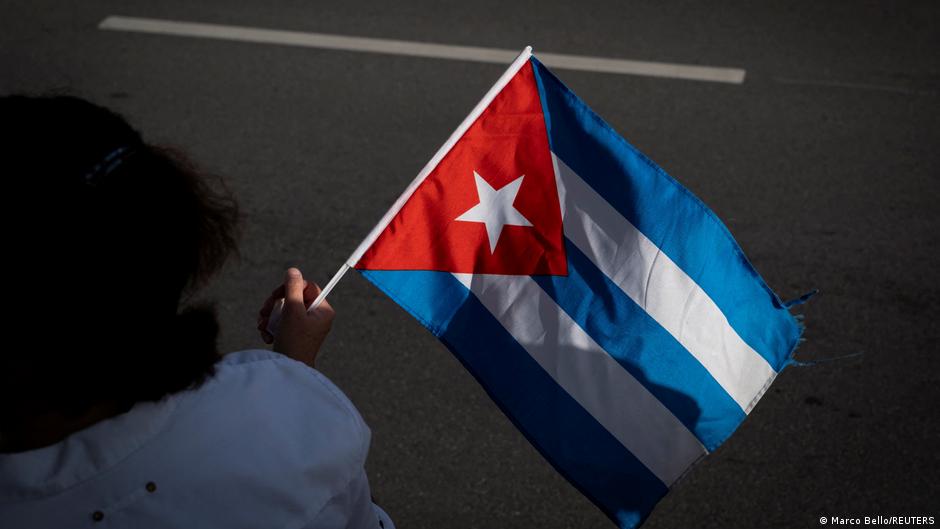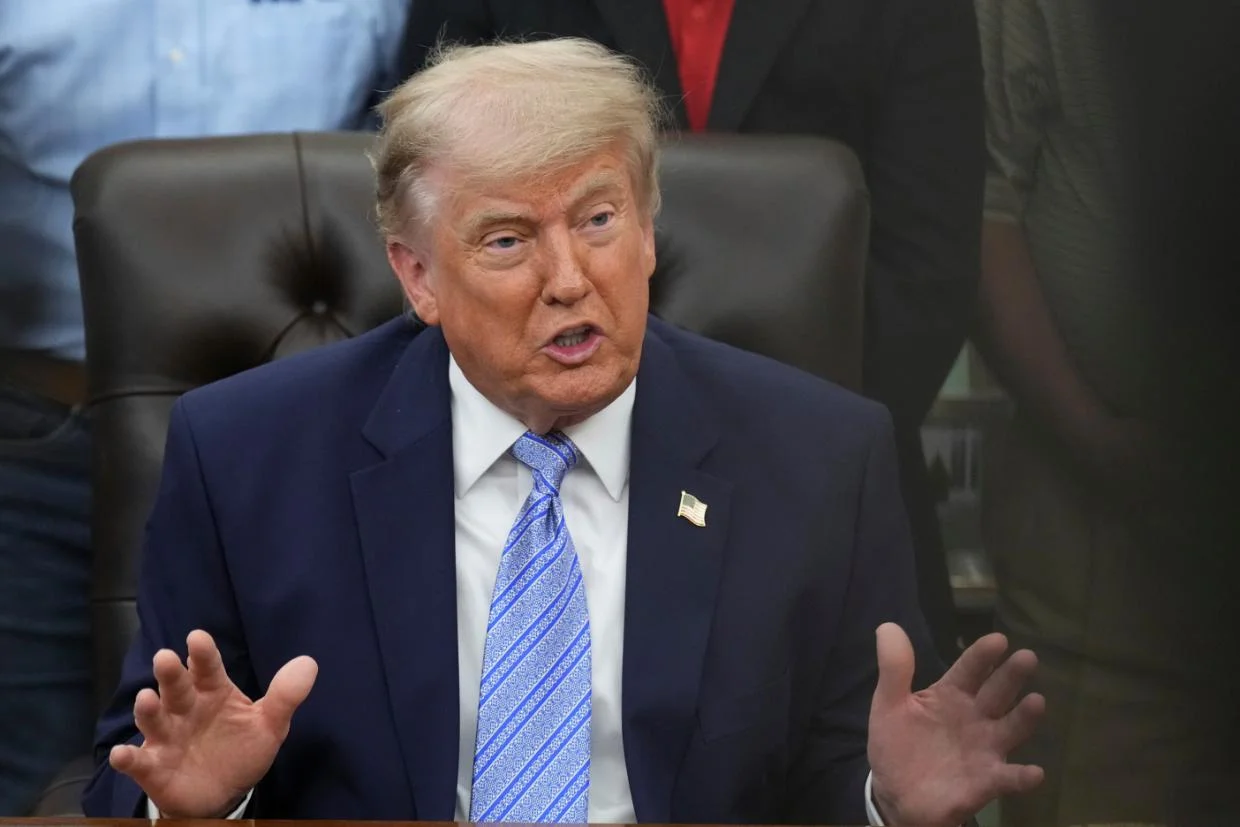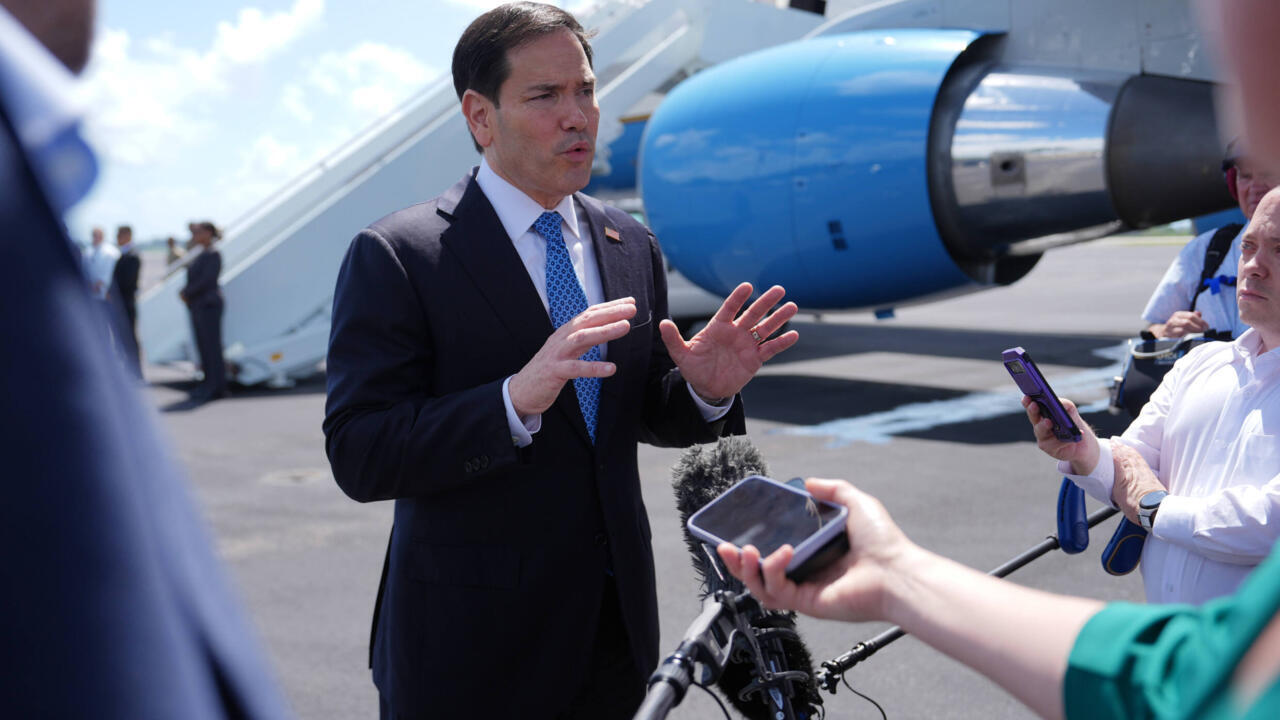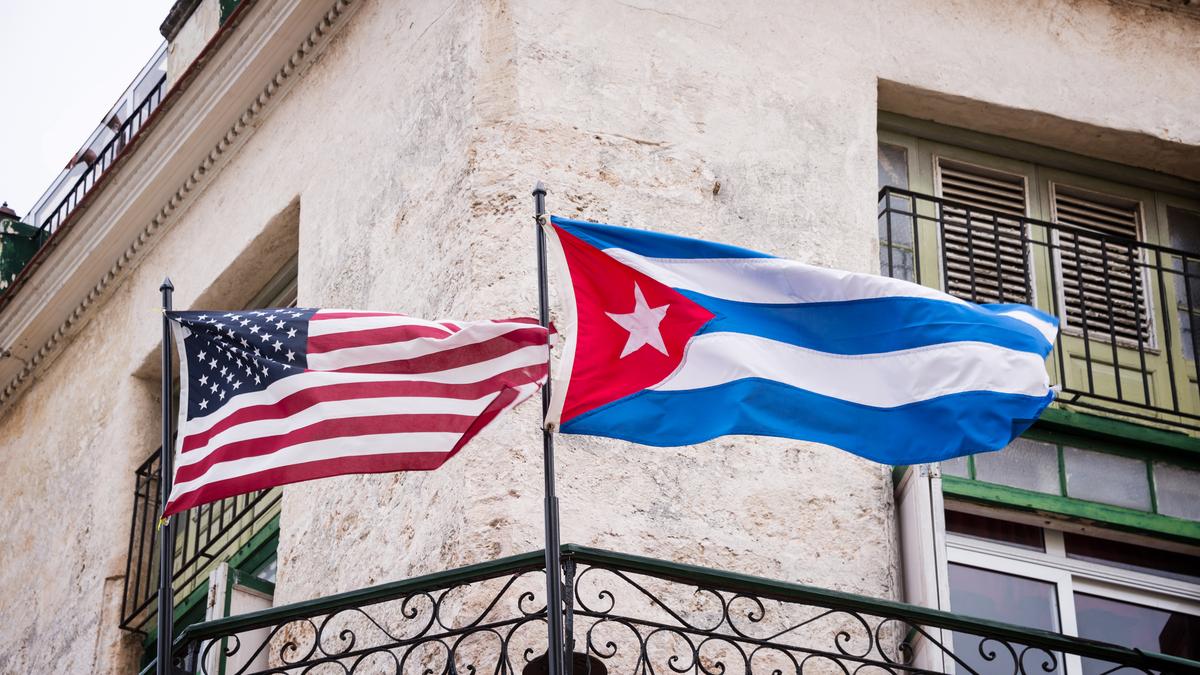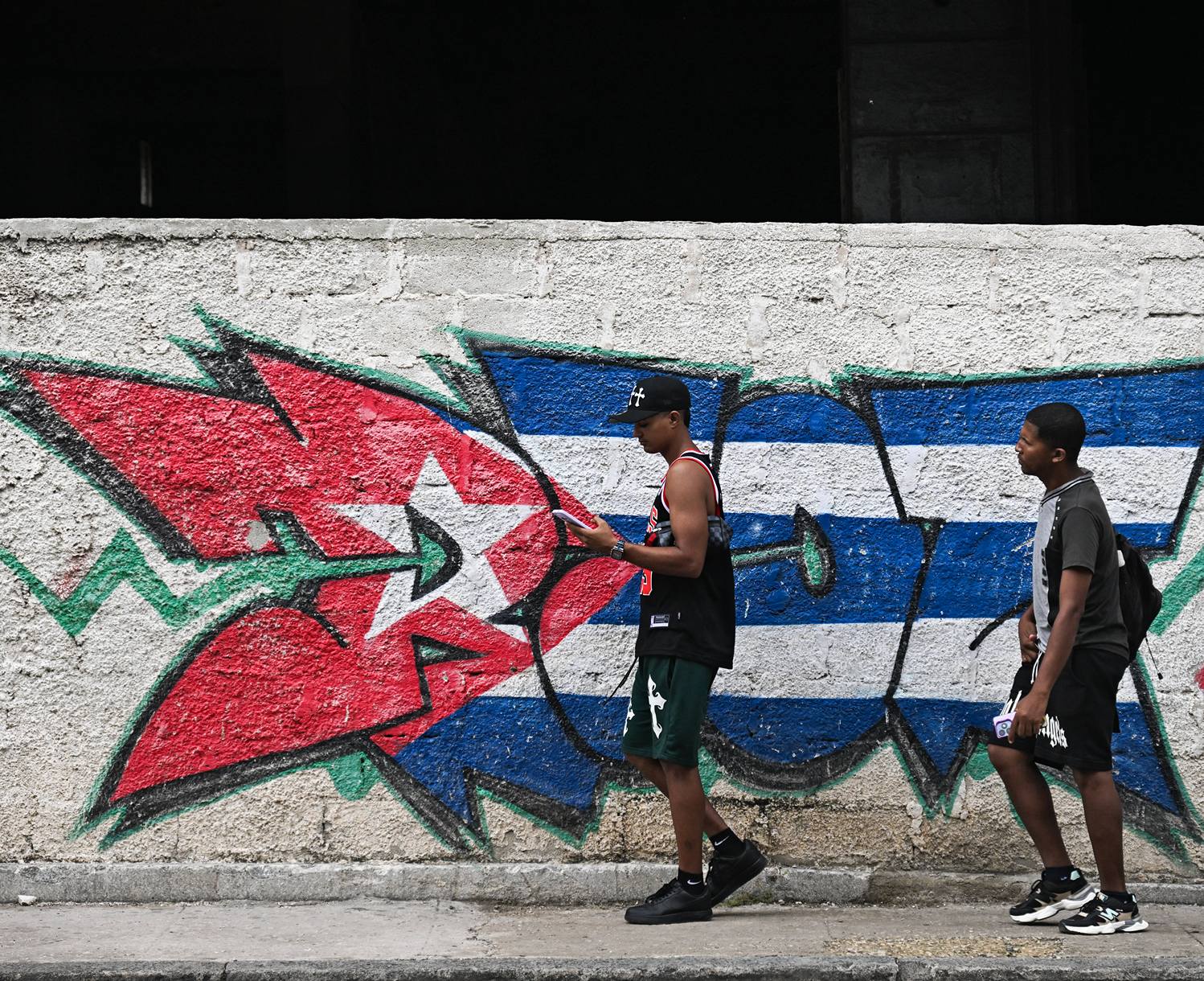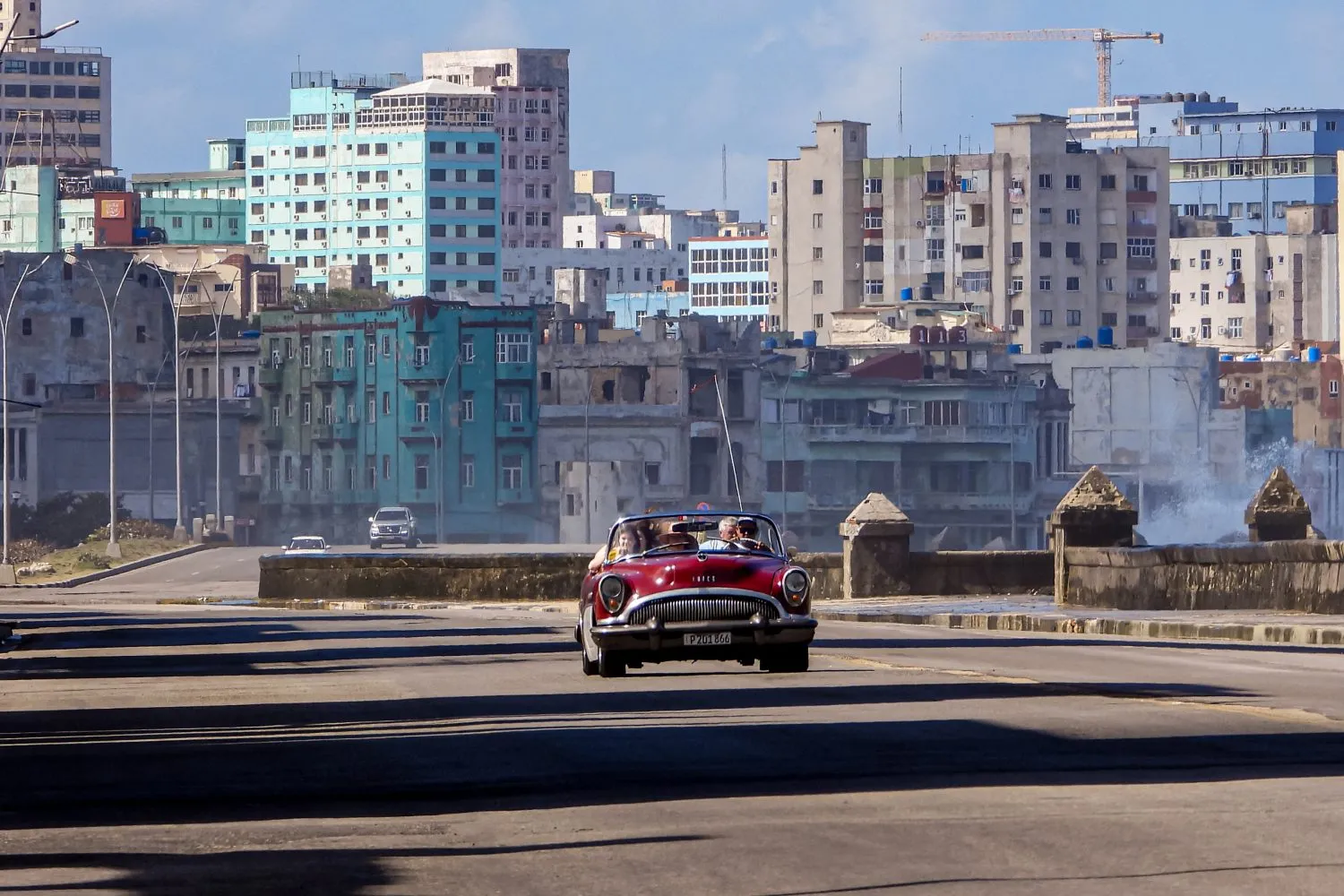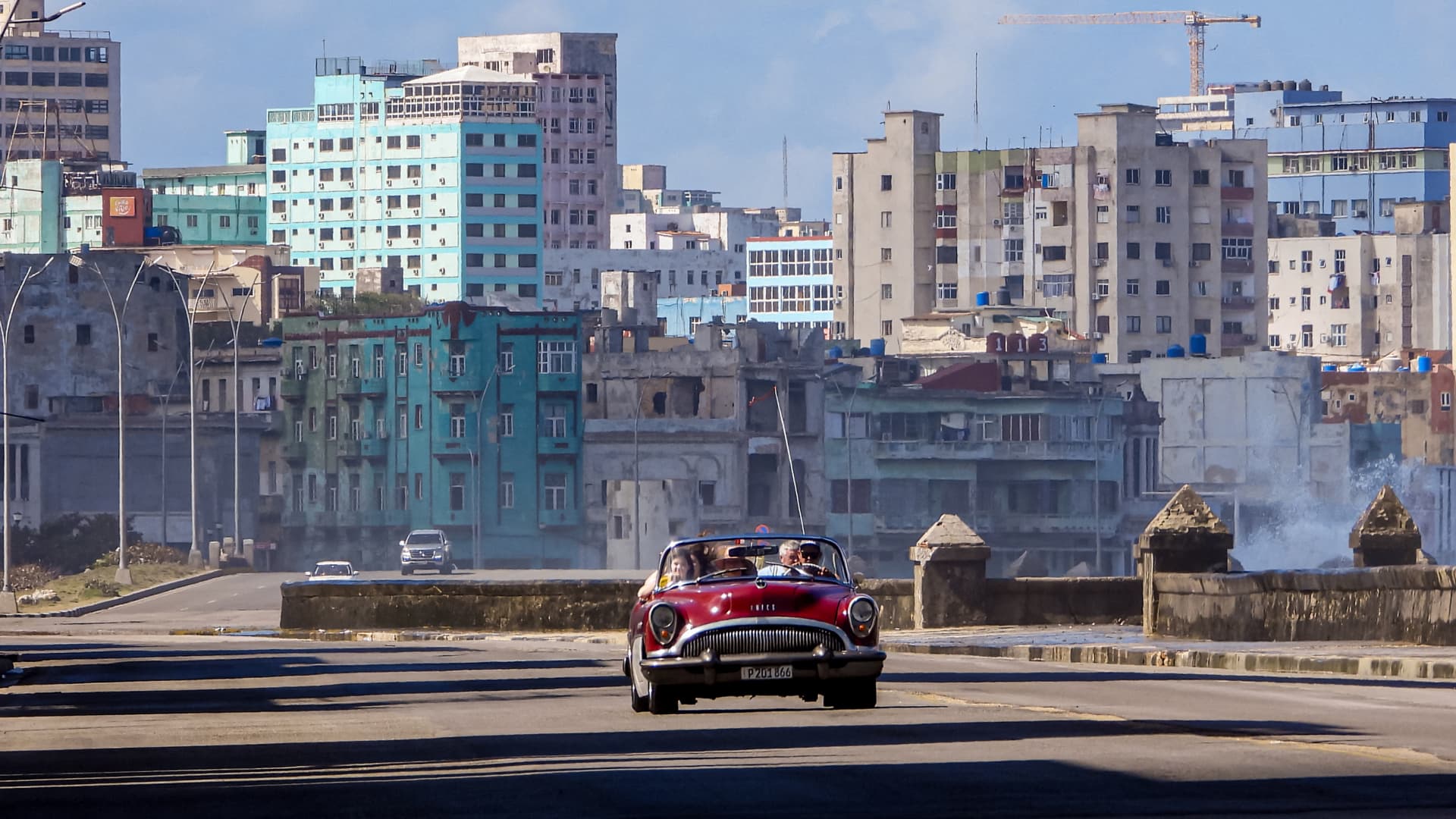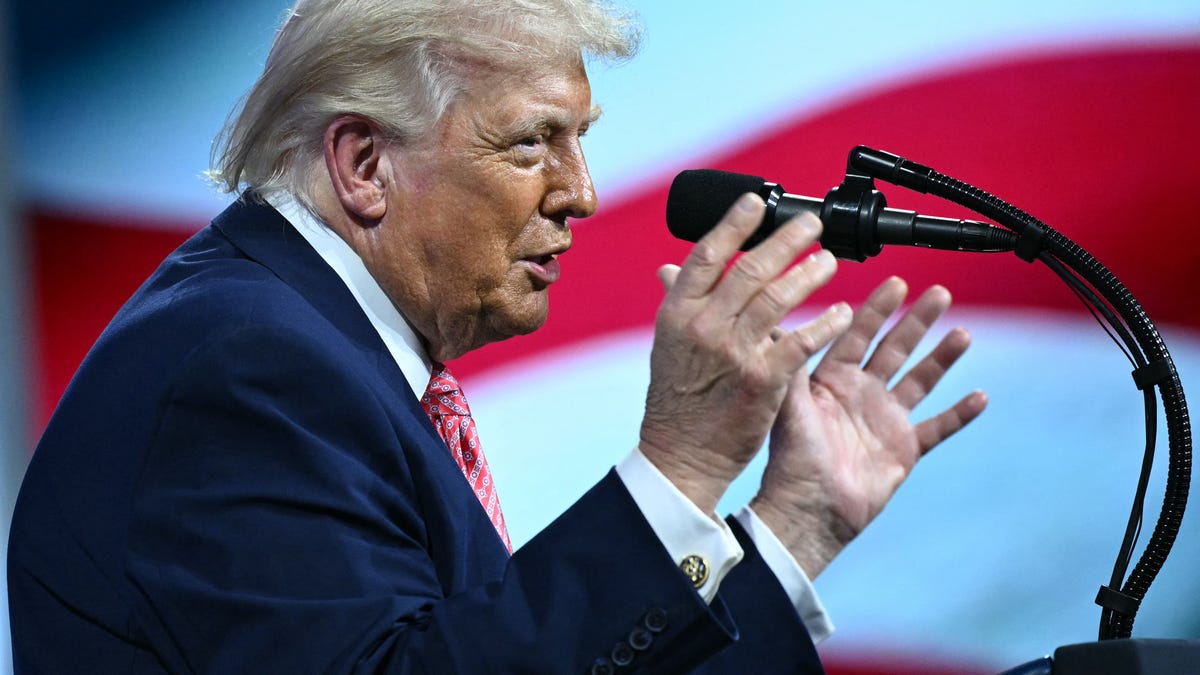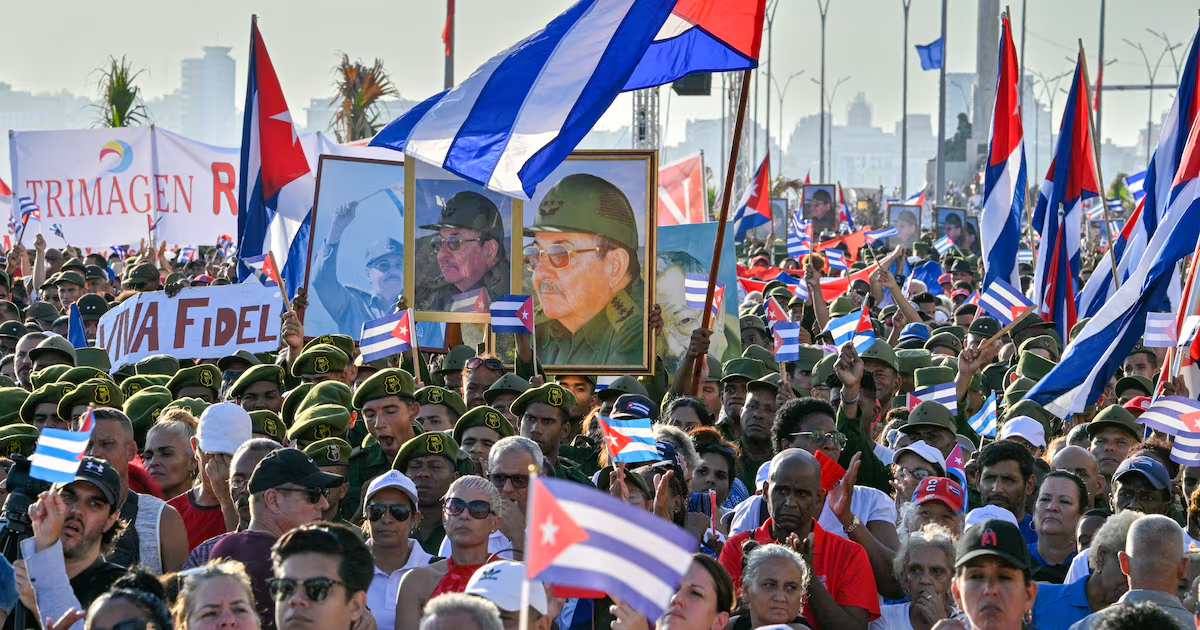
Cuba is rapidly becoming the next object of the Trump administration’s overseas military adventurism, after Venezuela and Iran. That Cuba is next door and in the centre of the administration’s determination to assert US hemispheric hegemony does not alter its legal right to sovereign independence. Combined with the likelihood of strong resistance to any direct US military invasion this makes Trump’s latest threats against Cuba risky in security terms and tricky for him in domestic politics.A survey shows 64 per cent of US voters are opposed to military action against Cuba and only 15 per cent in favour. Yet one key constituency of Trump’s political coalition is among Cuban exiles in Miami, originating in the mass emigration of Batista supporters and beneficiaries after the 1959 Cuban revolution. Marco Rubio, Trump’s secretary of state and national security advisor comes from this background and is set on taking action. The Castro regime benefitted from Soviet aid and oil supplies after the 1962 nuclear missile crisis. That fell away in the early 1990s, when oil imports and trade with Latin America compensated. Cuba has gone through openness and closure, warming and cold relations with the US since then, closely linked to Democratic and Republican administrations.The Venezuelan playbook of intervention to capture leaders and force policy change is recalled in last week’s charges laid against former president Raúl Castro for shooting down US citizens in 1996, followed by disputed reports of enhanced Cuban drone attack capacity supplied from Russia and China. This follows a crippling oil embargo on Cuba and the recent visit to Havana by the CIA chief. Cuban officials say they are ready to negotiate with the US but will not compromise on their sovereign independence.If the US does take military action the consequences are highly uncertain. They include counter-attacks on US targets, a potential migrant surge and strong military resistance. For Trump, these would play badly into this year’s US mid-term elections.
The Irish Times view on Cuba: in Trump’s sights
If the US does take military action the consequences are highly uncertain
TL;DRAI
The Trump administration is targeting Cuba next, filing charges against Raúl Castro and tightening an oil embargo. With 64% of Americans opposing military action, any intervention risks severe political blowback before the mid-terms.
321 words~1 min read