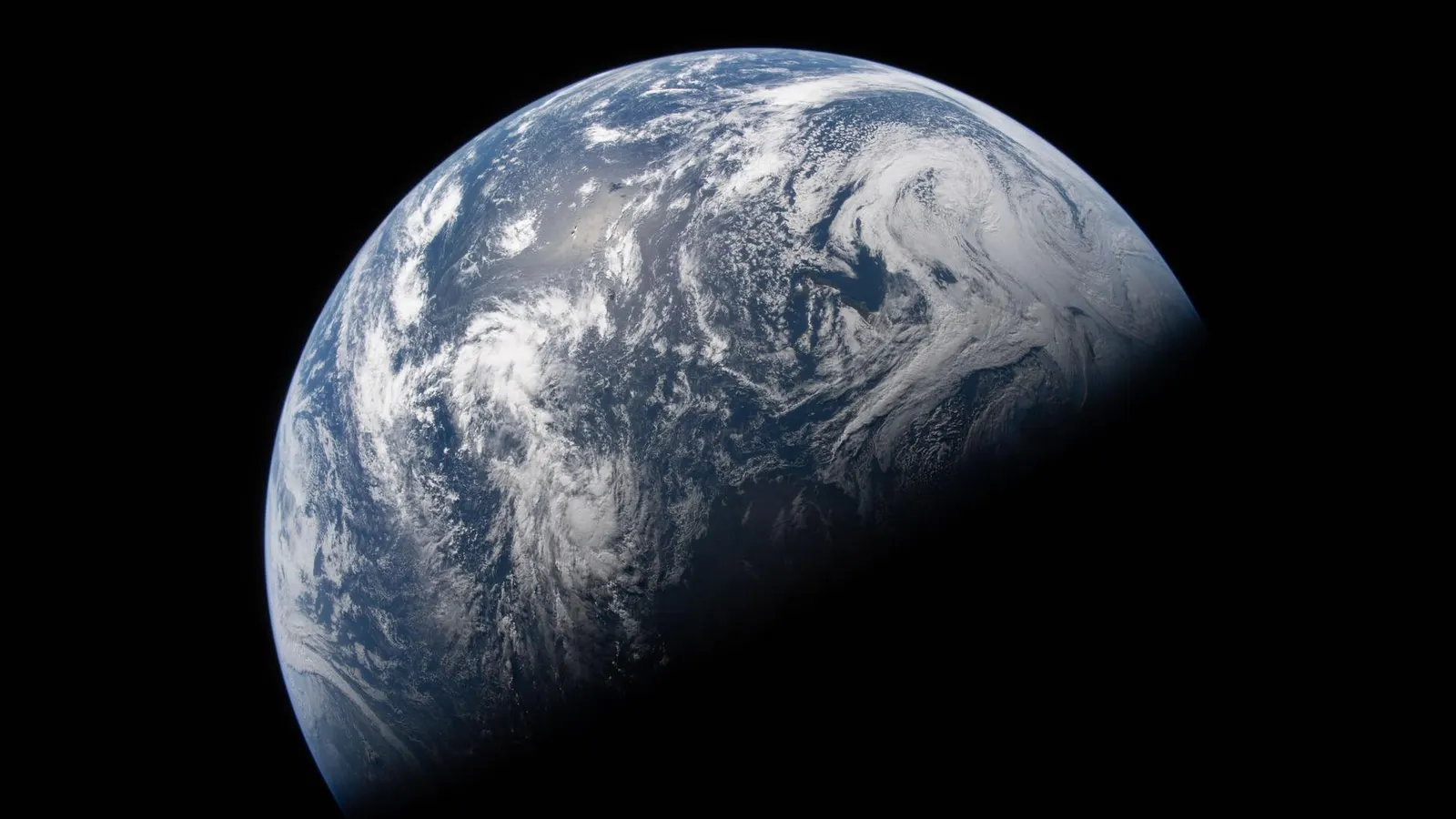
Every day, without you noticing, Earth is taking slightly longer to complete its rotation. The shift is only measured in fractions of a millisecond, but the forces required to produce it are almost incomprehensibly large.
And according to a new study, the rate at which our days are lengthening is now “unprecedented” in 3.6 million years of geological history.
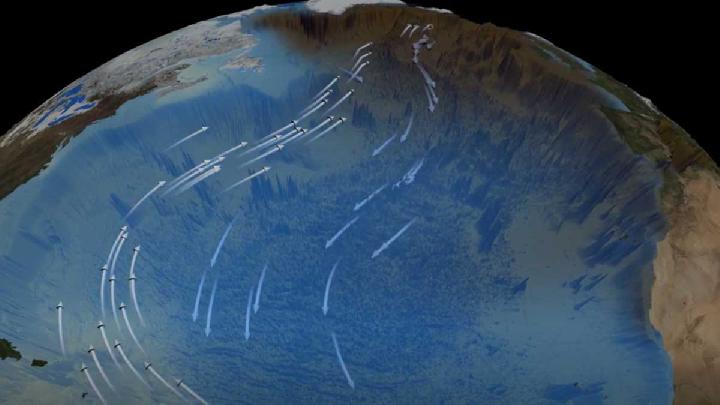
The findings show that as polar ice sheets and glaciers melt as a consequence of climate change, water that was once locked up at high latitudes flows into the oceans and spreads toward the equator.
This shifts mass away from Earth’s poles, and – like a figure skater extending their arms mid-spin – slows the rotation.
Previous studies had already shown that climate change was having strange effects on our planet’s spin. Now, the team from the University of Vienna and ETH Zurich have looked back through geological time to ask whether anything like today’s rate of change has happened before.