A global hackathon is attempting what the broader industry has so far failed to do - move AI from the research lab into the classroom. The effort reflects a growing recognition that education may be one of the most consequential, and most underserved, frontiers for applied machine learning.
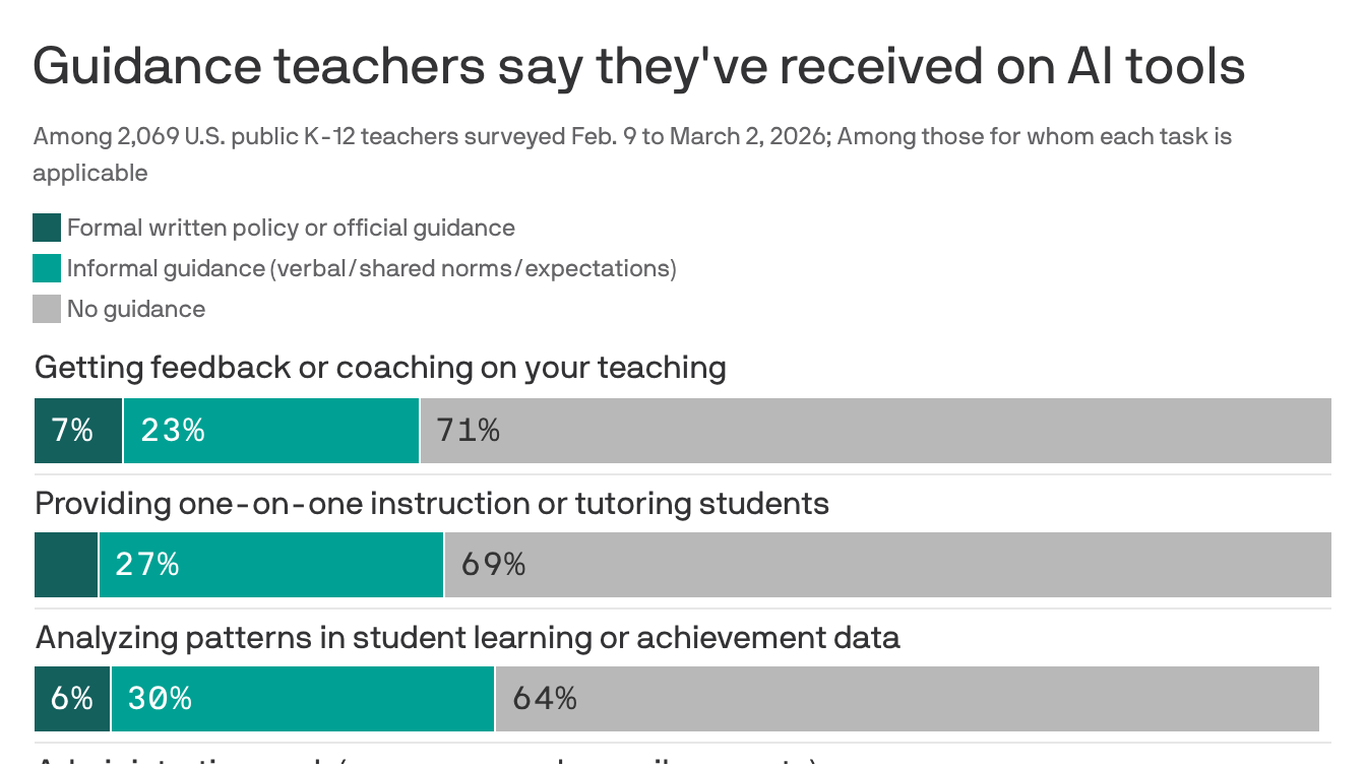
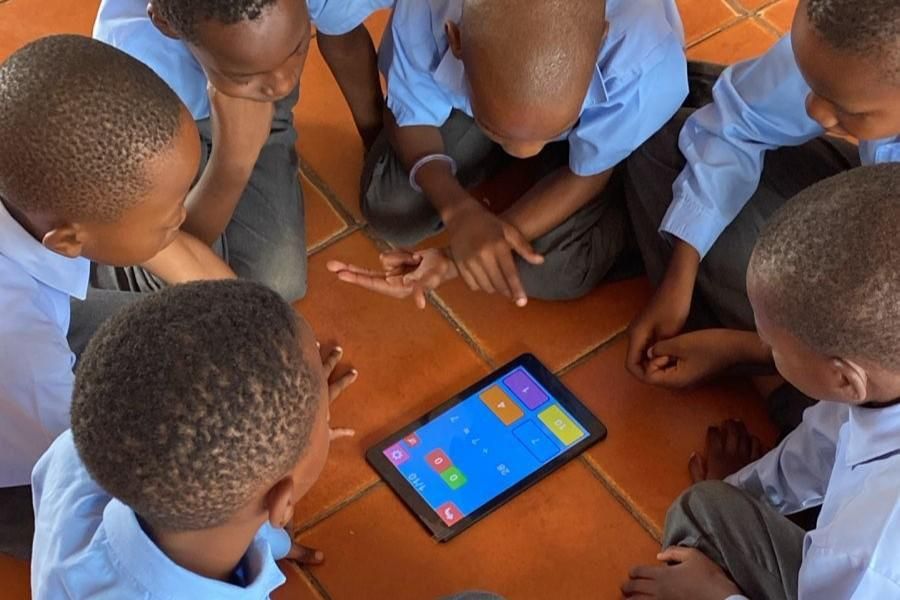
There is a striking discontinuity at the heart of the current AI moment. Systems capable of synthesising complex research, generating production-grade code, and sustaining nuanced multi-turn dialogue across dozens of languages are now widely accessible. Yet the inside of a typical classroom looks remarkably unchanged. Students in underfunded systems still work from outdated materials. Teachers stretched thin across large cohorts still spend a disproportionate share of their time on administrative work rather than instruction. And AI tutoring architectures sophisticated enough to adapt in real time to individual learners largely remain confined to research environments or niche commercial products that never reached the schools that need them most.
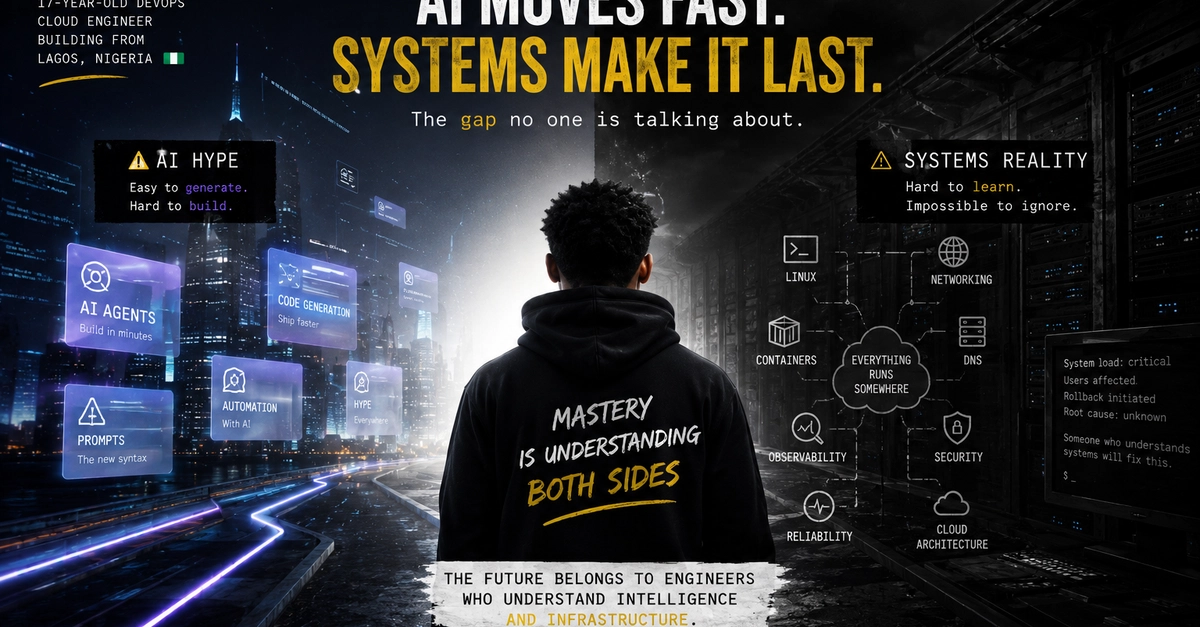
The gap is not primarily technological. The models exist. The infrastructure exists. What has been missing, according to the organisers of EdTech 3.0, is a critical mass of builders who understand both sides of the problem, the machine learning architecture and the lived pedagogical reality, working together under conditions that demand deployable results.