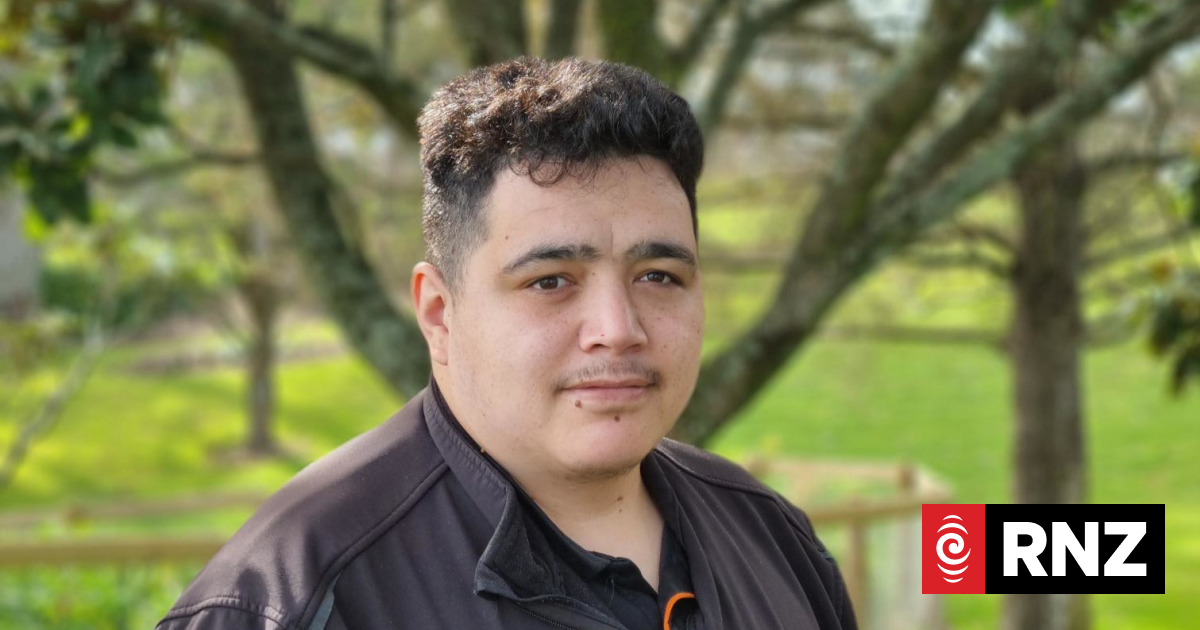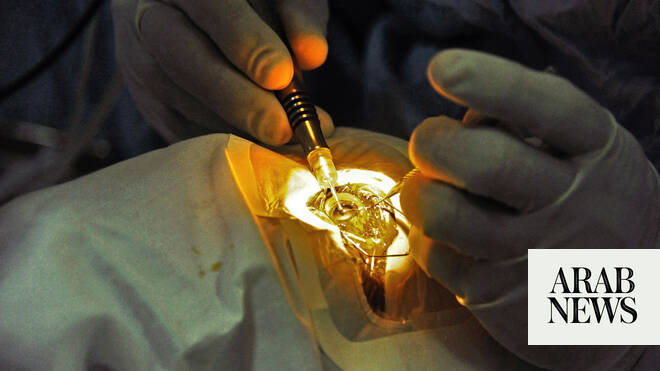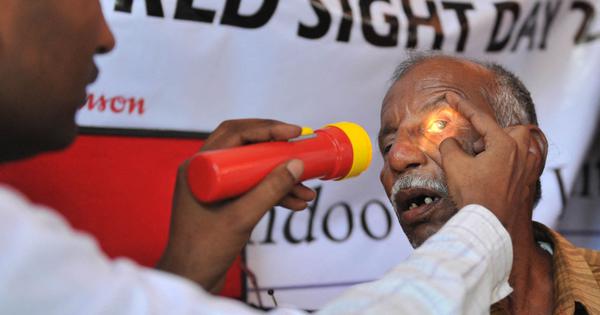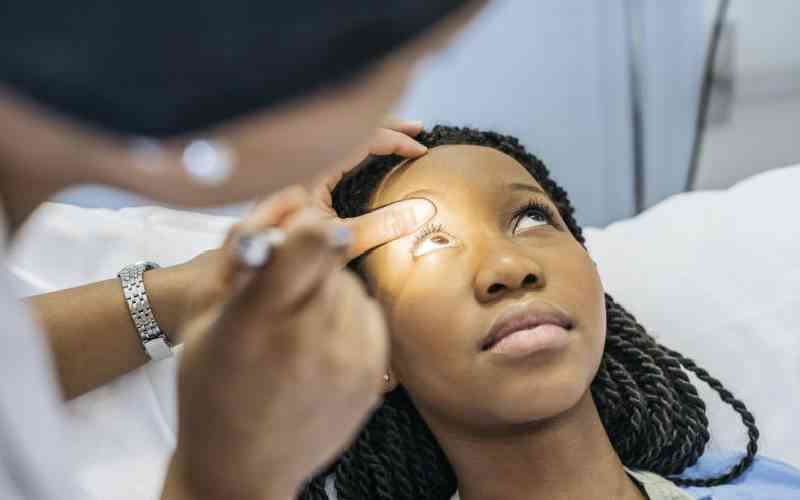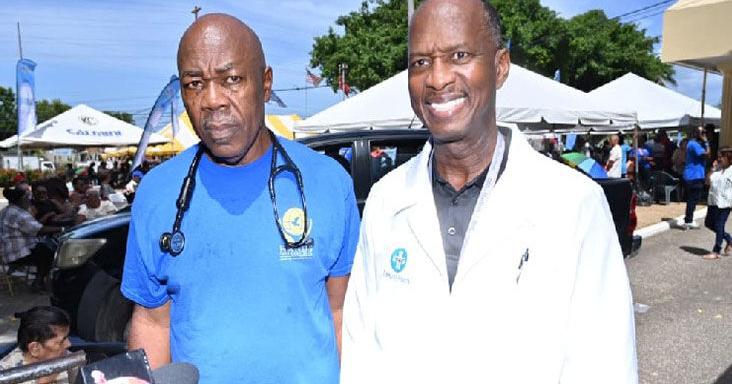
Thousands of elderly people across Trinidad and Tobago are living with preventable blindness caused by cataracts, according to Trinidad-born physician Dr Reynold Agard, who says many patients continue to suffer because they cannot afford treatment or access surgery quickly enough.Speaking by telephone with the Sunday Express on Friday, Agard said many patients are elderly people who have spent years gradually losing their vision because of age-related cataracts worsened by diabetes, unhealthy diets, and prolonged exposure to sunlight.Agard is in Trinidad for a four-day cataract surgery mission organised by HANDS International at the Community Hospital of Seventh-day Adventists, Cocorite.Agard said cataracts remain a major issue across the Caribbean because of rising diabetes rates and other lifestyle-related illnesses.He said while Trinidad has the medical expertise needed to perform cataract surgery, he is willing to train local doctors in a specialised high-volume surgical technique aimed at treating more patients efficiently.The mission ended yesterday.Agard said organisers initially aimed to complete 3,000 surgeries before increasing the target to 4,000 after recognising the overwhelming demand.However, he said several challenges slowed the process, including delays in receiving supplies, air-conditioning problems, and the need to screen patients on-site, as many could not afford pre-surgery fees before meeting the specialists.“We had some hiccups at the start because we wanted everyone having surgery to be screened and have their lens measurements done beforehand so that when we arrived, we could focus only on the cataract procedures. But the cost of those tests was prohibitive. Patients were being charged between $300 and $500 for lens fitting and many simply could not afford it,” Agard said.“The surgery removes that damaged lens and replaces it with a brand-new lens. As a result, instead of spending all our time in the operating room doing surgeries, some of our team had to carry out screenings and lens measurements for free because they were not done beforehand. That delayed us from reaching our target. Trinidad has the expertise needed for this type of surgery. We are not lacking in terms of expertise. It’s a special technique,” Agard said.Many of the procedures were performed by internationally renowned cataract surgeon Dr Jacobs, whom Agard described as one of the world’s leading experts in high-volume cataract surgery.“He is one of the few people who can do cataract surgery in under four minutes, and he developed that technique,” Agard said.Agard said the Trinidad mission highlighted broader health concerns across the Caribbean, particularly rising rates of diabetes and heart disease. “The experience is just tremendous. Some people literally go to their graves blind with a procedure that could have given them sight and improved their quality of life. Trinidad has a diabetic issue; therefore, they also have a cataract issue.“Cataracts are definitely age-related, and as the population in the Caribbean gets older, we are seeing more cases. Some people can develop early cataracts because of trauma, and people who are diabetic also have a higher incidence of cataracts.“There are certain deficiencies, so eating a healthy diet rich in vitamin A, vitamin E, and vitamin C can help slow the progression. Usually, the treatment is surgery because cataracts mean the lens becomes frosted. Your natural lens is basically trying to look through frosted glass,” Agard said.Emotional reactions after surgeryAgard said the testimonies from people who have had the surgery were remarkable.“Everyone cries when we take off the bandages and they realise blue is really blue again and they can finally see red clearly. One woman started trembling after her bandage was removed because for three years she had only seen the shadow of her grandchildren. Someone helped her open her phone, and when she saw the pictures of her grandchildren clearly, she was trembling and crying,” Agard said.Agard, who attended Roxborough Secondary School and later the Polytechnic Institute before migrating to the United States, said returning home to help Trinidad was deeply personal.After moving to the United States, Agard attended Penn State College of Medicine and now runs a private practice in Delaware, while also teaching physicians at hospitals across the Philadelphia and Delaware region.He joined HANDS International shortly after it was formed 18 years ago following devastating hurricanes in the eastern Caribbean.Since then, the organisation has responded to disasters and humanitarian crises worldwide, including in Haiti, Dominica, Nepal, Ukraine, and several African countries.Agard said discussions are already under way for the organisation to return to Trinidad next year, with possible expansion into Tobago and South Trinidad. “We are trying to see if we can come back on an annual basis,” he said.“We just finished a mission in Jamaica after the hurricane there. We have also responded to the earthquake in Nepal, hurricanes in the Bahamas and Dominica, where we stayed for three months, and disasters in the United States, including Louisiana after the hurricanes and flooding and New York following Hurricane Sandy,” he said.Agard said the Government and Health Minister Dr Lackram Bodoe have been very supportive.He said the South Caribbean Conference of Seventh-day Adventists was extremely helpful and instrumental in hosting the mission.“We are hoping that patients who had surgeries will continue their follow-up care at the hospital. All medicines were given free of charge except for one medication that was not registered in Trinidad, so we were unable to clear it. However, we are working to have that resolved for the next visit,” Agard said.Agard offered this advice: “I try to encourage people to eat healthy and avoid ultra-processed foods. I encourage a predominantly plant-based diet. We are not telling everyone to become vegan or vegetarian, but people should eat more plants, fruits and vegetables, and we have an abundance of them here in the Caribbean.“We should go back to eating more peas, beans and legumes. People can still eat fish and salmon and those kinds of foods, but they should try to eat less red meat and avoid smoking. Smoking and alcohol are also significant contributors to cataracts.”
Restoring vision and hope
Thousands of elderly people across Trinidad and Tobago are living with preventable blindness caused by cataracts, according to Trinidad-born physician Dr Reynold Agard, who says many patients continue to suffer
980 words~4 min read