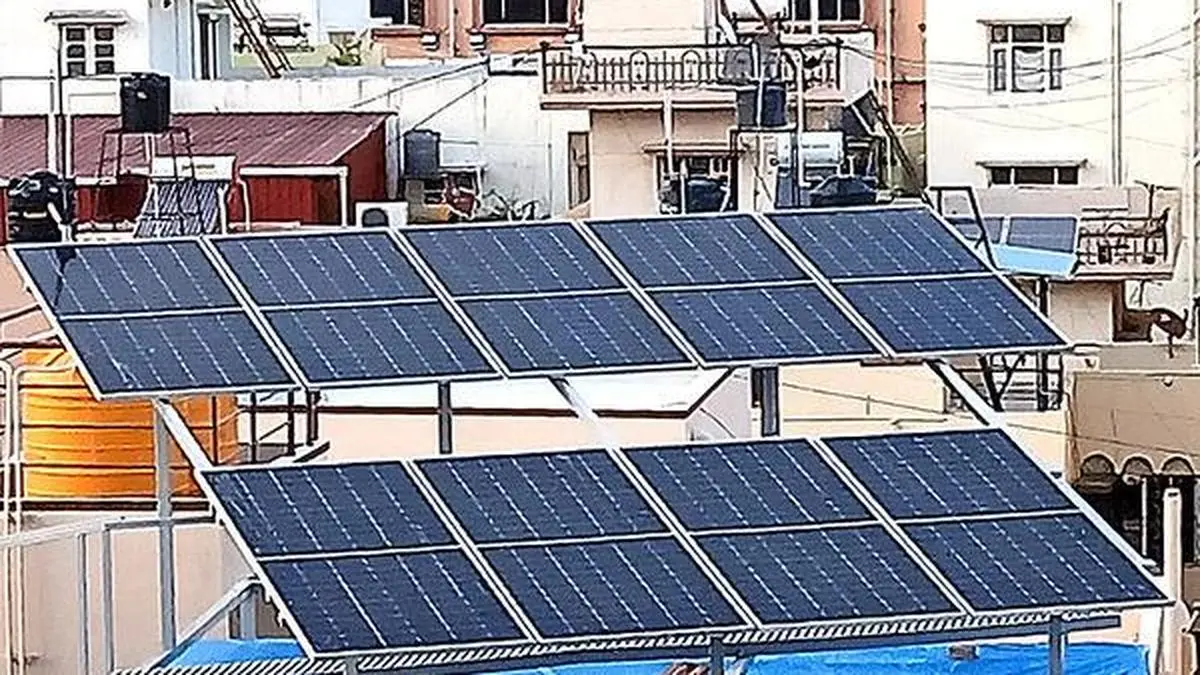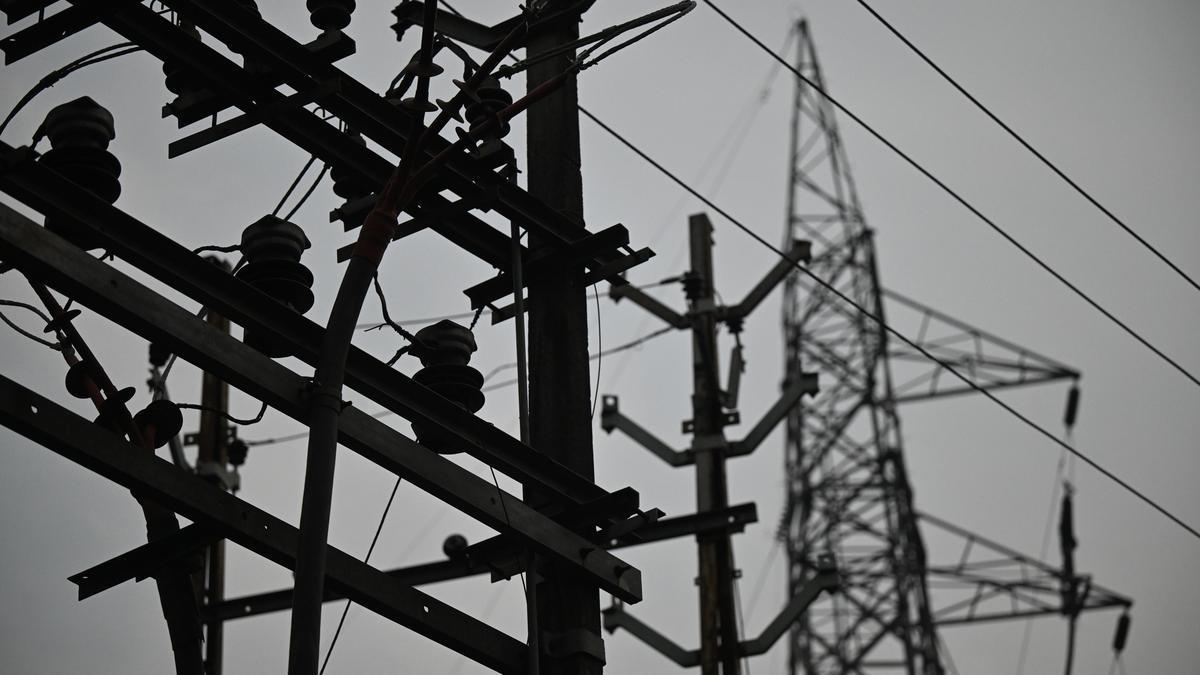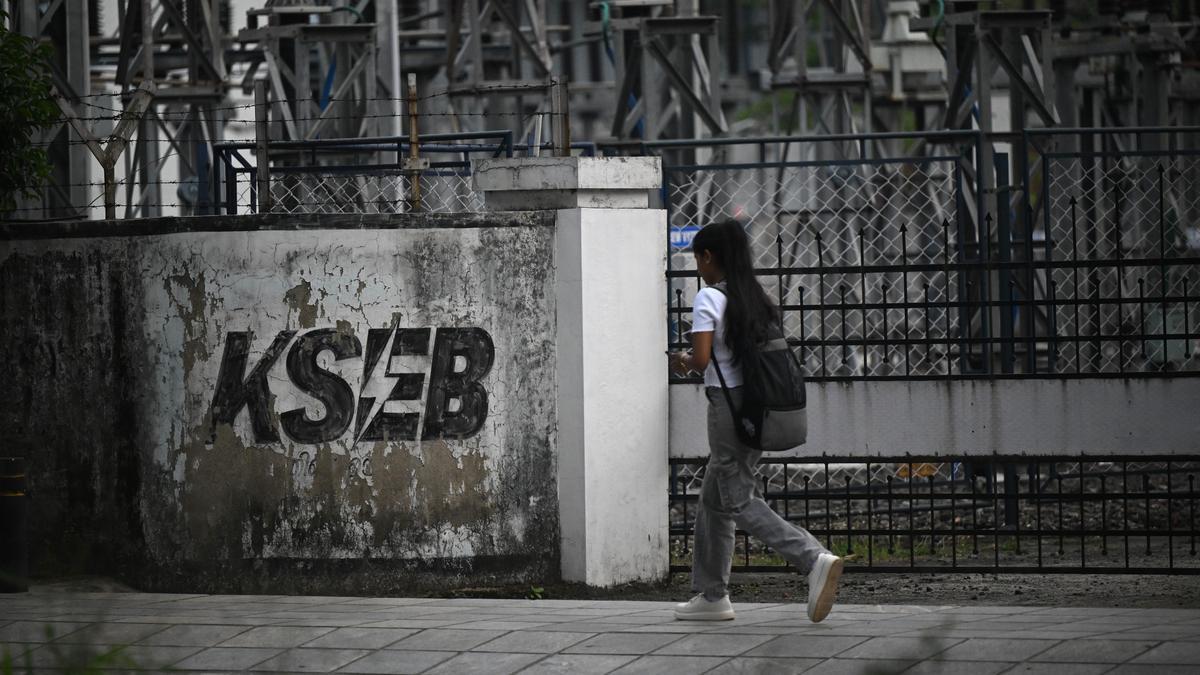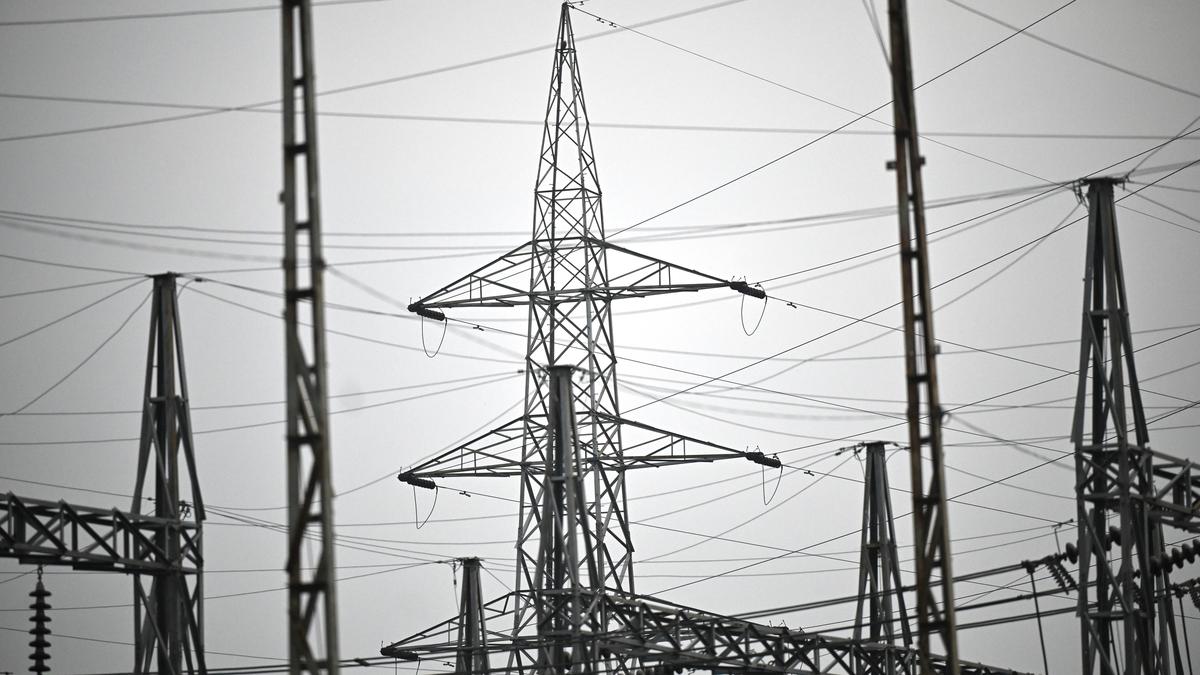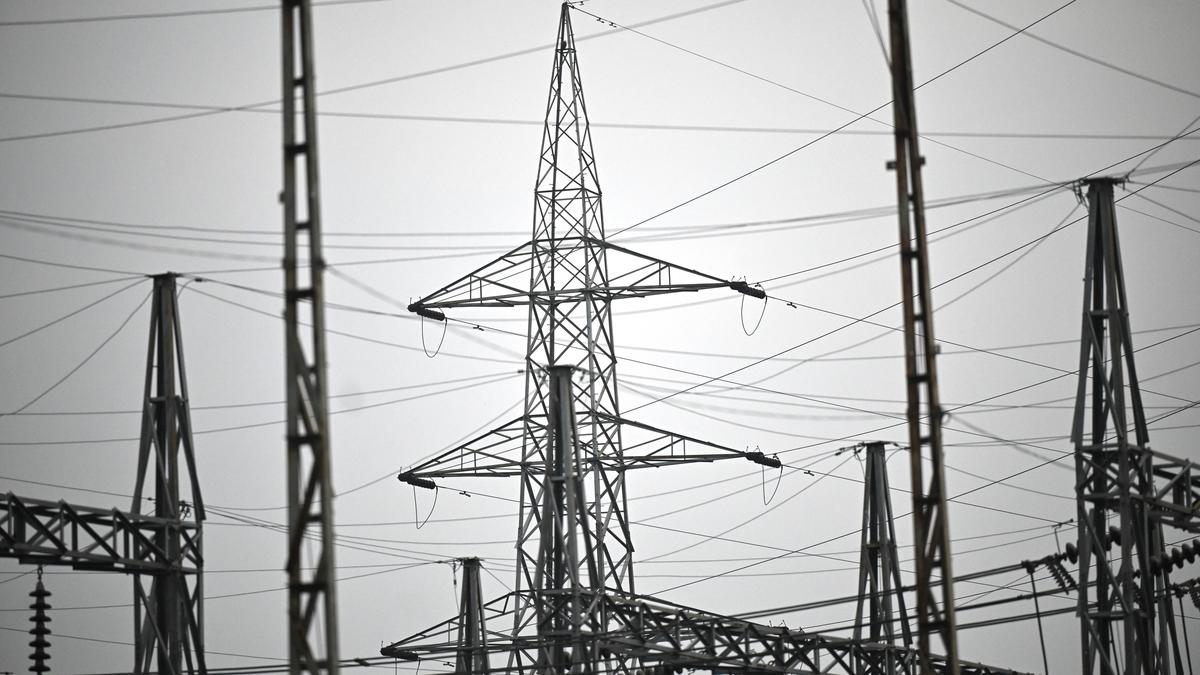
The Commission has found fault with the KSEB for its failure to accommodate the increased daytime solar power penetration in the grid while continuing to spend exorbitant sums on short-term power purchases to meet the higher demand during the evening hours.
| Photo Credit: THULASI KAKKAT
Mere weeks after Kerala emerged from the grips of a summertime power crisis, the State Electricity Regulatory Commission has pulled up the Kerala State Electricity Board (KSEB) for not taking any “serious effort to tackle the emerging power situation” in the State. The criticism has come in the Commission’s order dated May 21 on the truing-up of accounts of the KSEB for the 2024-25 fiscal.The Commission, headed by T.K. Jose, has found fault with the KSEB for its failure to accommodate the increased daytime solar power penetration in the grid while continuing to spend exorbitant sums on short-term power purchases to meet the higher demand during the evening hours.Detailed studyThe Commission has directed the KSEB to carry out a detailed study, if required with the help of the Central Electricity Authority (CEA), to draw up strategies to handle the emerging power situation. The power utility is required to submit the study report to the Commission within three months.Even during extreme summer, the average daytime demand in Kerala is about 3,500 megawatts (MW), whereas the average peak demand -- between 9.30 p.m. and midnight -- is above 5,500 MW (about 160% of the daytime demand), the Commission observed. This imbalance is likely to increase further as more solar plants come up in the State on the strength of various incentive/subsidy schemes notified by the Central government including the PM Surya Ghar Yojana, it said.Viable alternativesThe Commission has directed the KSEB management to submit viable alternatives for capacity addition in power generation, including pumped storage projects (PSP) and battery energy storage systems (BESS) for meeting the peak demand. “KSEB cannot continue to merely blame the rooftop solar capacity addition as consumer participation in renewable integration is a policy imperative. Hence, the present situation may become more severe if adequate steps are not taken to handle the situation,” it said.On ongoing BESS projects, the Commission’s order observed that the energy availability and peak-hour support from the projects proposed at Mylatti in Kasaragod and at four KSEB sub-stations across the State “is very limited and only a meagre portion of the peak demand shortage of the State can be met” through them. The Commission has also directed the KSEB to establish an internal mechanism to carry out a “realistic, category-wise” electricity demand forecast for the short and long terms. Published - May 24, 2026 07:41 pm IST