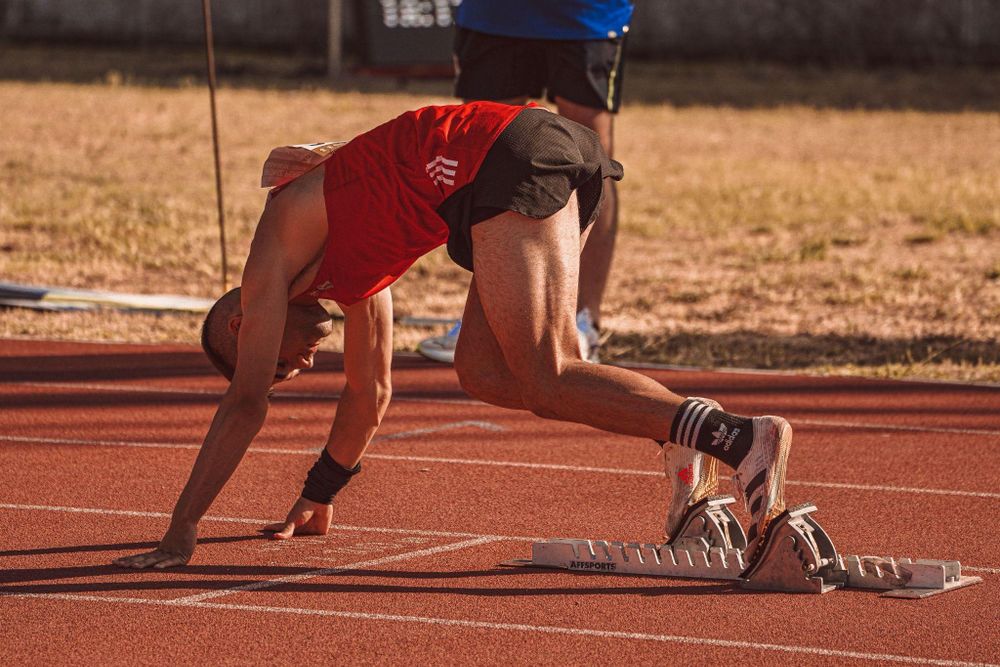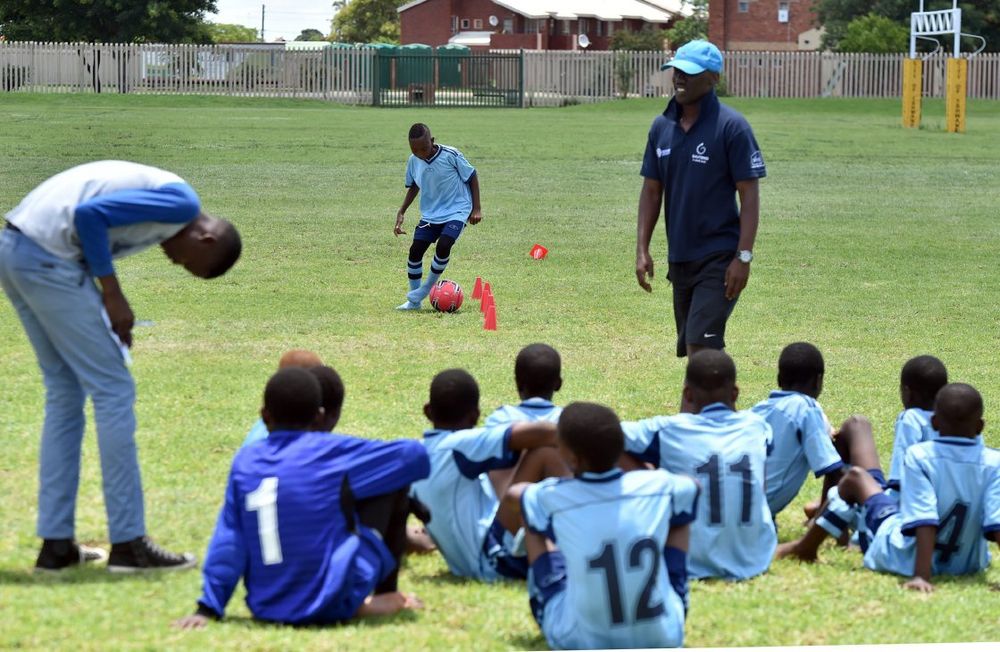
In this file photo kids play sports during Provincial Rural Sports Development programme at Themba stadium in Hammanskraal.
Sport, arts and culture are not luxuries. They are powerful tools for social cohesion, youth empowerment, economic growth and nation building. Yet, many KwaZulu-Natal (KZN) communities remain disadvantaged and lack proper facilities. The outcome is that talent remains undiscovered, young people are denied opportunities, and communities lose access to programmes that can build social cohesion and economic activity.
While KZN’s Department of Sports, Arts and Culture (DSAC) has begun developing high-performance fitness centres in districts such as uThukela and Amajuba, progress has been uneven and, in some cases, too slow. Oversight inspections of the Alfred Duma Fitness Centre and Belgrade Fitness Centre revealed serious concerns. At Belgrade, the committee found unresolved land matters, disputes in funding and slow project implementation. Municipal commitments had not been honoured and agreements with traditional authorities remained incomplete or unclear.
DSAC needs to implement stricter project readiness assessments before construction begins. No major infrastructure project should proceed without finalised land agreements, secured funding commitments, approved implementation schedules, and clearly assigned accountability mechanisms as well as Standard Operating Procedures (SOPs) with relevant municipalities. Quarterly infrastructure project dashboards will also assist in monitoring project progress, expenditure, delays and contractor performance in real time.