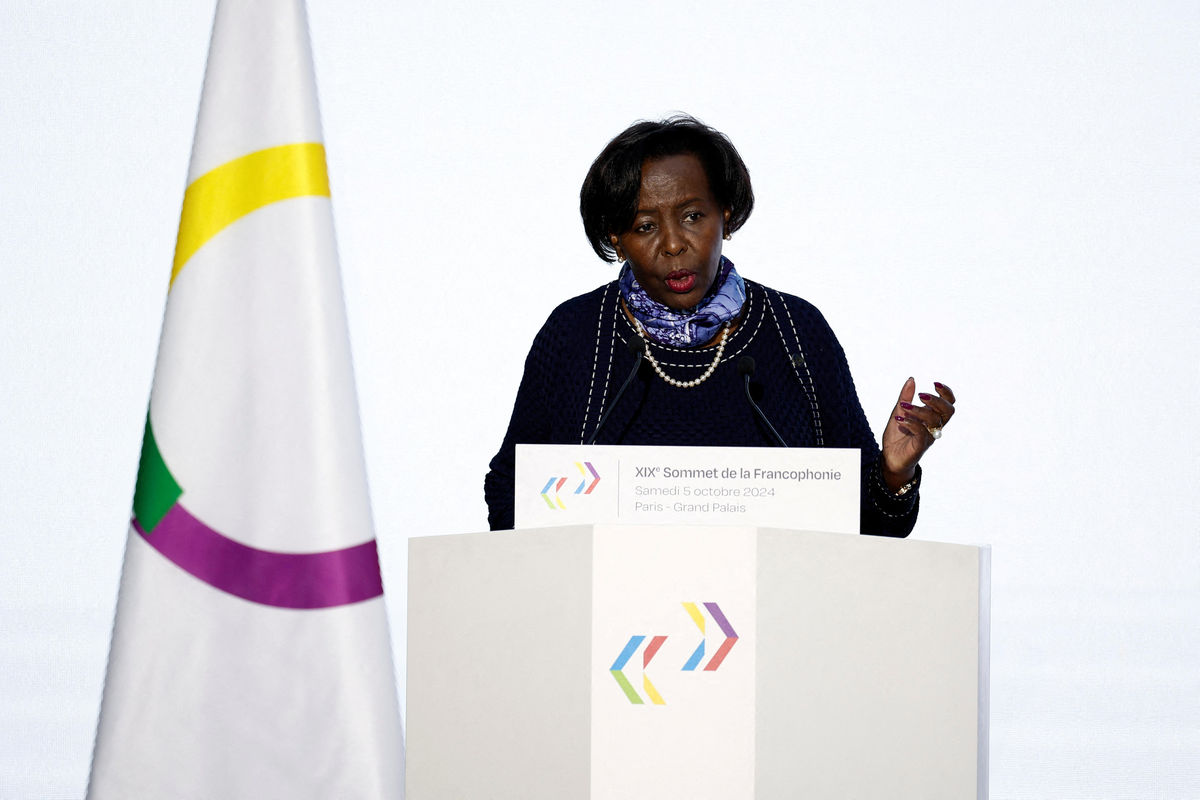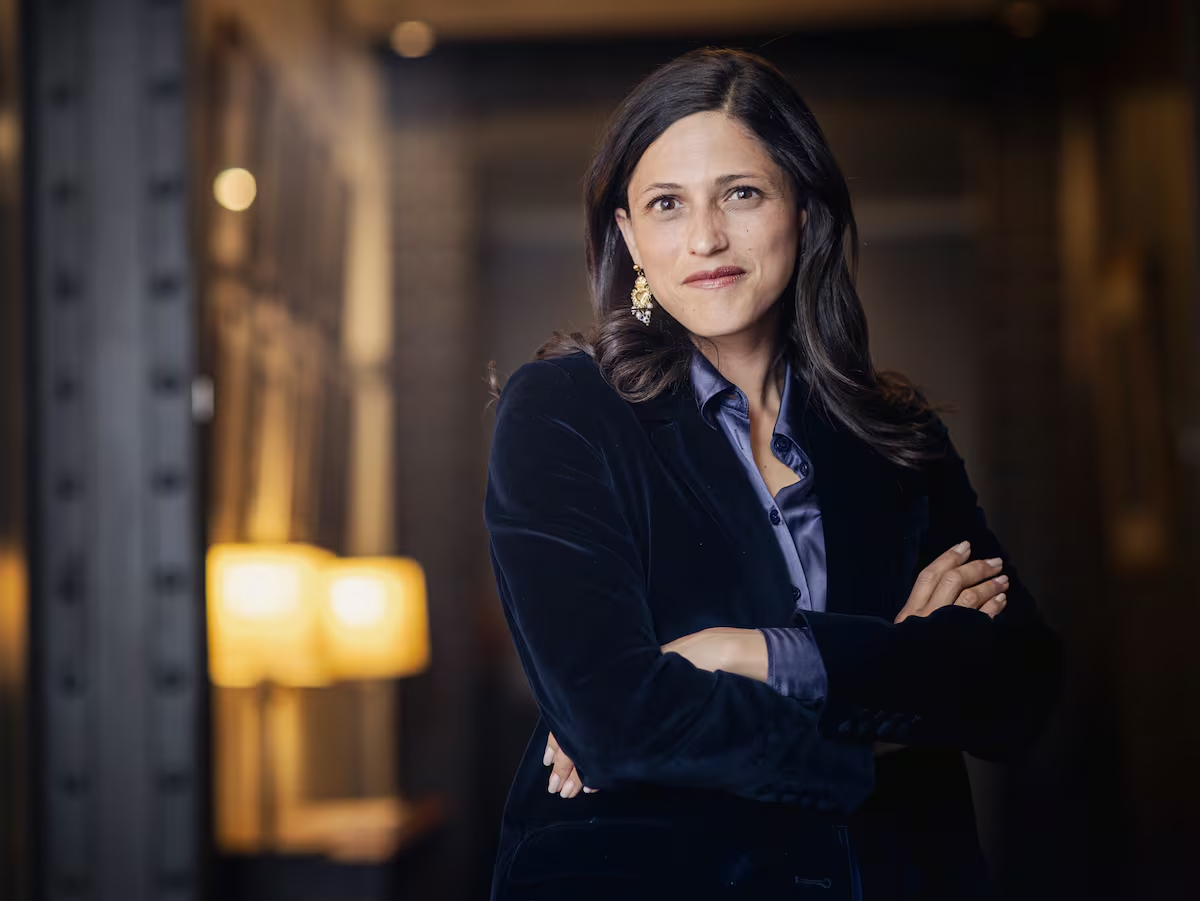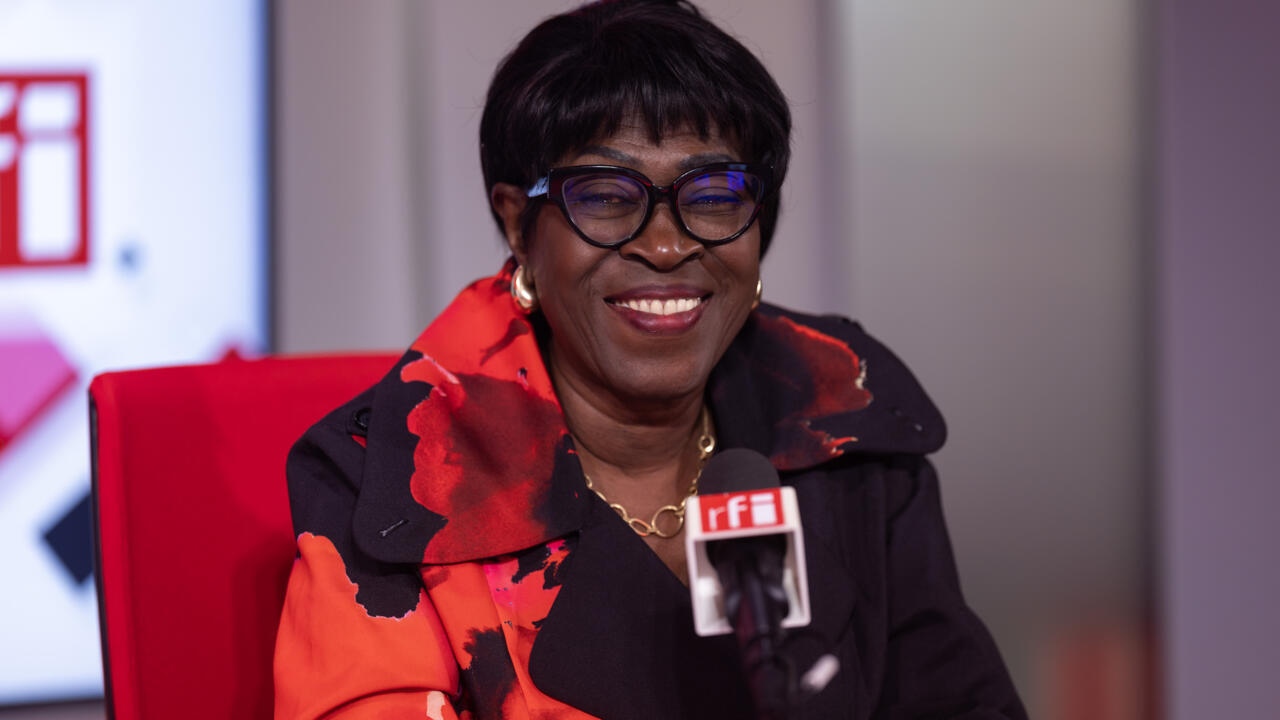
As the daughter of assassinated Congolese leader Patrice Lumumba, Juliana Lumumba carries one of Africa’s most powerful political names. Now, the former culture minister of the Democratic Republic of the Congo wants to use that legacy to reshape the International Organisation of La Francophonie (OIF), the world’s main French-speaking body.
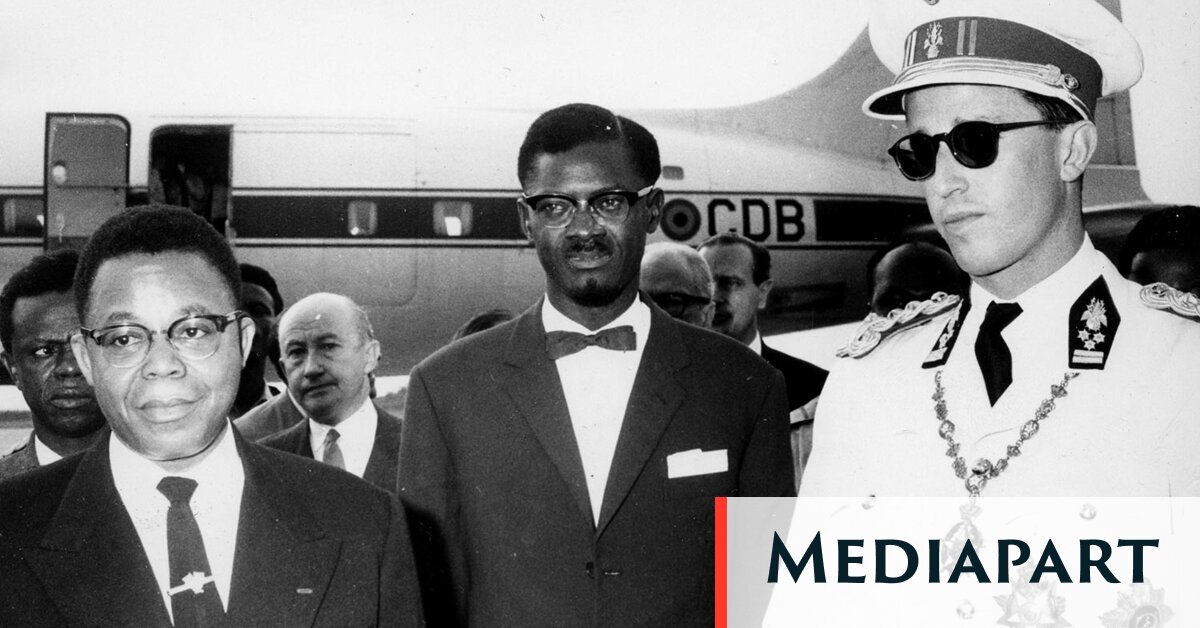
Four candidates are competing to lead the OIF when member states vote in November 2026. Speaking to RFI during a campaign visit to Paris, Lumumba said the organisation must move beyond governments and elites, reconnect with ordinary people and do more for young people and conflict mediation. She also spoke about DRC’s latest Ebola outbreak, and her family’s decades-long search for the truth about her father’s 1961 assassination. RFI: Your country, the Democratic Republic of the Congo, is facing a new Ebola outbreak. Are you worried? Juliana Lumumba: No, I’m not worried, because this is the 17th Ebola outbreak and DRC is one of the countries with the greatest expertise on this disease. Bear in mind that Professor [Jean-Jacques] Muyembe of DRC's National Institute for Biomedical Research developed a treatment for Ebola. I know our authorities are working closely with the World Health Organization and other international bodies. I think we will get through this outbreak just as we have got through the others. RFI: You were five years old when your father was assassinated in 1961. Last week saw the death of Belgian diplomat and businessman Étienne Davignon, who was ordered to stand trial last year over his alleged involvement in your father’s murder. That is now impossible. What are your family's thoughts? JL: We view this death with gravity and with distance. But our quest was not personal, aimed at one individual. It was a search for historical truth about Patrice Lumumba both as our father, and as the first prime minister of the Congo. When we wrote to the King of Belgium on 30 June 2020 [asking for Lumumba's remains to be returned], it was to seek the truth – a truth about his legacy – and, of course, as his daughter and son, to bury our father with dignity after 60 years. That's 60 years during which we never learned any real facts about what had happened to our father, a man who had been denied even a grave. But the king’s response meant the world to us. It is a coming to terms with the truth, with our memories, a coming to terms that allows us to lay our father to rest with dignity. That was important to us. Today, after so much suffering, the legal process is still ongoing. In any case, it will continue. Belgium, the US, France and the 'elimination' of Patrice Lumumba